
Who Generally Pays for a Wedding? Understanding Traditional Costs and Responsibilities
Planning a wedding can be exciting but also a bit overwhelming, especially when it comes to money. You might wonder, who generally pays for a wedding? Traditionally, the bride’s family covered most of the expenses. However, times have changed, and this norm is shifting.
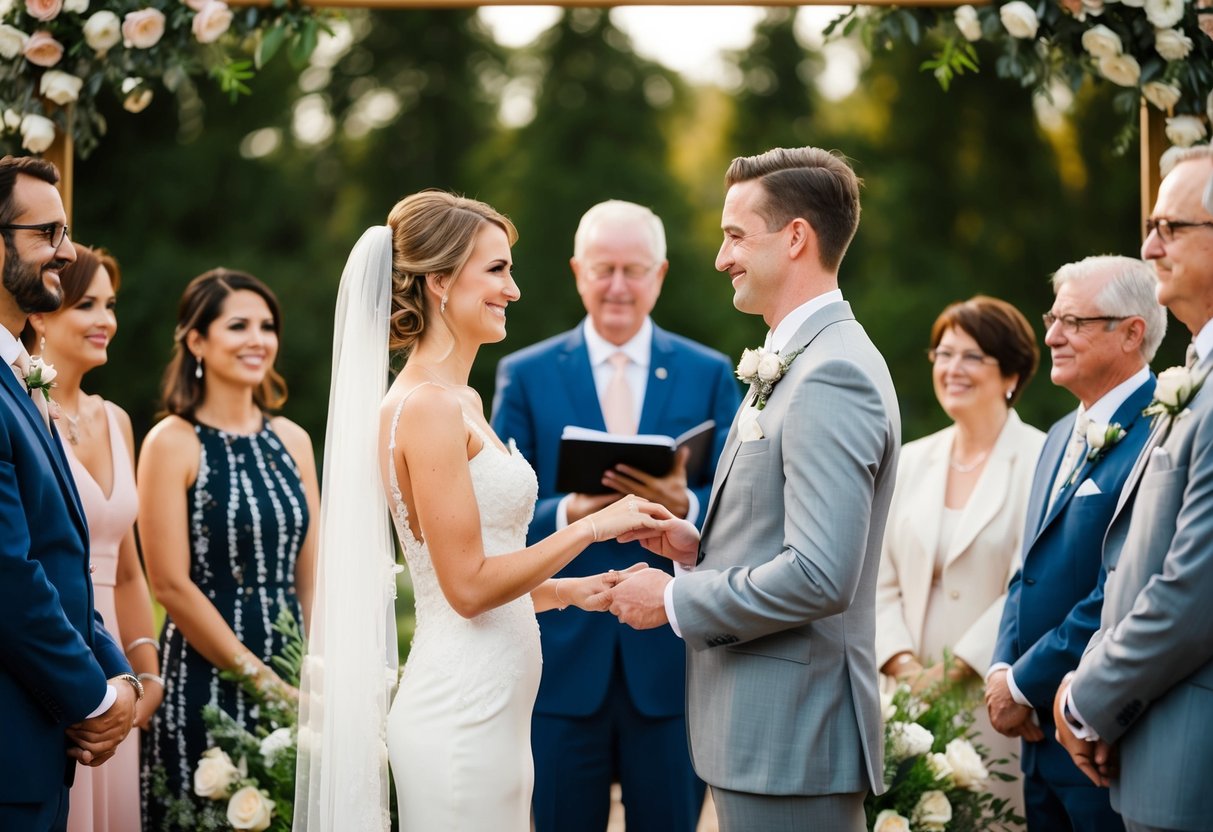
Today, many couples take on more financial responsibility for their weddings. Studies show that parents still pay for around 52% of the costs, while couples contribute about 47%. This mix reflects how many couples are financially independent and want to have a say in their special day.
Understanding the breakdown of expenses can help you navigate any tricky conversations with family. By knowing who typically pays for what, you can plan a budget that works for everyone and ensure your wedding day is as joyful as possible.
Historical and Cultural Norms
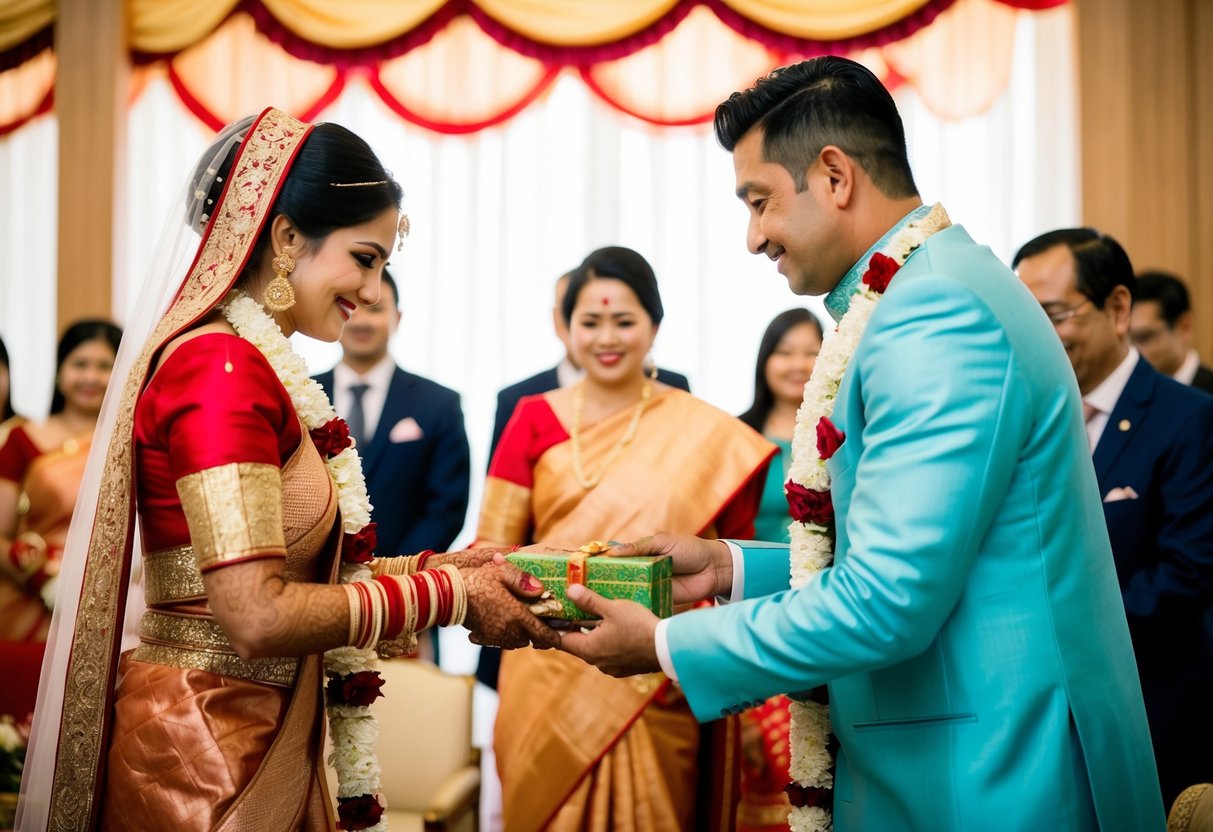
Understanding who pays for a wedding can vary greatly depending on historical and cultural backgrounds. These traditions shape not only expectations but also financial responsibilities for families involved.
Traditional Wedding Etiquette
Traditionally, many cultures expect the bride’s family to cover most wedding expenses. This includes items like the reception, flowers, and the wedding dress. The groom’s family often takes on costs for the rehearsal dinner and maybe the honeymoon.
In some cultures, specific costs are assigned to each family. For instance, in Italian weddings, the groom’s family typically pays for the venue. Aspects like the wedding rings and bouquet may fall on the groom, while the bride’s family manages attire for the bridesmaids.
When considering LGBTQ+ couples, traditional norms may shift. Couples may choose to share costs or break away from these historical expectations altogether, reflecting their unique partnership.
Evolution in Cultural Practices
Over the years, wedding funding practices have evolved. Many couples now take control of their finances. This means both partners might contribute equally or handle all costs together.
Today, financial independence encourages couples to plan their weddings according to their needs. This shift allows for more personalized celebrations. You might see a mix of family contributions and shared costs among the couple.
Cultural traditions still hold significance, but they are often adapted. Couples may respect their heritage while also creating a celebration that fits their lifestyle and values. In doing so, the roles of the bride’s and groom’s families may transform significantly from the past.
Breaking Down Wedding Expenses
Weddings involve various costs, and understanding who pays for what can help you with your planning. Here’s a detailed look at the main wedding expenses you’ll encounter.
Venue and Catering
Choosing the venue is often the most significant expense for your wedding. The average cost can vary widely, ranging from a few thousand dollars for local community halls to tens of thousands for popular venues.
When budgeting, consider not just the rental fee but also the cost of catering, which can include meals, drinks, and service. You should also factor in the cost of the wedding cake, which can range from $300 to over $1,000 depending on the design and size. Many couples spend around $5,000 on catering for around 100 guests.
Attire and Beauty
Wedding attire plays a big role in your overall budget. The average cost for a wedding gown is around $1,500, but prices can go higher for designer options.
Don’t forget about other attire, such as bridesmaid dresses and groomsmen suits, which can add to your expenses. Beauty services, including hair and makeup, typically range from $100 to $300 per person. Allocating around $2,000 for attire and beauty can help you cover these important aspects without any last-minute surprises.
Music and Entertainment
Your choice of music and entertainment is key to setting the mood at your wedding. Most couples spend between $1,000 and $4,000 on live bands or DJs for the reception.
This covers not just entertainment during the reception but also music for the ceremony and cocktail hour. You may also want to consider additional entertainment options like photo booths or live performers, which can add another $500 to $1,500 to your budget.
Flowers and Decorations
Flowers and décor help create the atmosphere for your wedding. On average, couples spend around $2,000 to $4,000 on flowers, including bouquets, centerpieces, and personal flowers like boutonnieres.
Decorations can include everything from table settings to lighting. If you decide to hire a florist, ensure you communicate your vision clearly so they can work within your budget. It’s essential to allocate funds wisely here to make your day visually stunning.
Photography and Videography
Capturing your special day through photography and videography is crucial. This expense can range from $1,500 to $4,000 for a professional photographer, while videography might add another $1,000 to $3,500.
Investing in skilled professionals ensures high-quality images and videos that you’ll cherish forever. Consider packages that offer both video and photo services to save costs while keeping your memories alive.
Planning and Pre-Wedding Events

When planning a wedding, pre-wedding events play an important role. These events help build excitement and include gatherings like engagement parties and rehearsal dinners. You may also have bachelor and bachelorette parties to celebrate with your friends.
Engagement Parties and Rehearsal Dinners
Engagement parties are typically hosted soon after the couple gets engaged. They are a chance for families and friends to meet and celebrate together. The bride’s family often covers the costs, but both families may contribute.
Rehearsal dinners come after the wedding rehearsal. This dinner is mainly for the wedding party and close family. Traditionally, the groom’s family pays for this event, but this can vary. Both events help set the stage for your big day.
Bachelor and Bachelorette Parties
Bachelor and bachelorette parties are fun gatherings for friends of the bride and groom. These events usually take place a few weeks before the wedding.
Typically, the person planning the party handles the costs. This can vary, with some friends splitting expenses or covering their own. You might choose a destination or a local venue, depending on your style and budget.
Remember, these pre-wedding events are about making memories and enjoying time with loved ones before the big celebration. Enjoy every moment leading up to your special day!
Modern Wedding Practices
When planning a modern wedding, understanding the financial responsibilities is crucial. Traditional roles have evolved, allowing couples more freedom to create their own payment plans.
Who Covers the Cost?
In many modern weddings, expenses are often shared among various parties. Traditionally, the bride’s family covered most costs, but today this is changing. Now, couples frequently contribute around 47% of the wedding budget while parents help with 52%.
It’s common for couples to discuss their finances openly and decide who will pay for what. Expenses may include the venue, catering, and floral arrangements. You might also consider a honeymoon fund for guests to contribute towards your getaway.
Creating a New Tradition
As weddings evolve, so do traditions. Couples today are more likely to incorporate personal touches into their celebrations.
For example, some may choose to opt for experiences instead of conventional gifts. Instead of household items, you might ask your guests to help with your honeymoon fund or even contribute towards your engagement ring.
This shift reflects a focus on unique memories rather than material items.
Discussing these ideas with your partner and families creates a shared understanding of modern expectations. Embracing these changes can lead to a wedding that truly reflects your values and hopes for the future.