
Who Gives the First Toast at a Wedding? Understanding Tradition and Etiquette
Weddings are filled with moments of joy and celebration, and toasts play a special role in sharing those sentiments. The best man usually gives the first toast at a wedding reception. He does this following the newlyweds’ arrival or after everyone is seated. This role often includes heartfelt messages and a bit of humor, making it a memorable moment for all guests.

As you dive into the wedding planning process, keep in mind that toasts are not just an opportunity to express love and support for the couple; they also set the tone for the evening. It’s important to coordinate with those who will be speaking, ensuring that everyone feels comfortable and prepared. Understanding the order of toasts can help create a smooth flow during your reception.
Every toast brings a unique flavor to the celebration, allowing personal stories and emotions to shine. You’ll want to make sure these moments resonate with everyone present, adding to the joyful atmosphere of your special day. With the right planning and timing, you can ensure that each toast enriches the experience for you and your loved ones.
Traditional Order of Wedding Speeches
At a wedding reception, speeches hold a special place. Knowing who speaks and when can help make your day memorable. Here’s how the traditional order of wedding speeches typically unfolds.
Who Speaks and When?
The traditional wedding speech order usually starts with the father of the bride. He welcomes guests and shares warm thoughts about his daughter. Following him, the best man typically gives a toast, sharing stories about the groom. The maid of honor comes next, often offering her thoughts on the bride. Each speech plays a role in celebrating love and family, making the event feel personal.
Role of the Best Man
The best man has a key role in the wedding speech lineup. After the father of the bride, he offers a toast that highlights the groom. This speech often includes fun anecdotes, showcasing the groom’s character. It’s essential for the best man to balance humor and sentiment. A well-prepared speech helps create laughter and brings smiles to the crowd. Usually, the best man ends with a toast that encourages all guests to raise their glasses and celebrate the couple. This role can be a bit nerve-wracking, so practicing beforehand is wise.
Father of the Bride Speech
The father of the bride speech is one of the most cherished moments of the wedding reception. He usually speaks first, welcoming guests and expressing gratitude for their presence. This speech often reflects on his daughter’s life and shares heartfelt moments. Many fathers will also share kind words about the groom, establishing a connection between the two families. Ending with a heartfelt toast to the couple is a lovely way to conclude. It sets the tone for the rest of the speeches that follow.
Maid of Honor Toast
The maid of honor toast follows the best man’s speech. In this part, she shares personal stories about the bride, often highlighting their friendship. This speech brings a warm, personal touch to the festivities. It can include moments of fun and laughter but should also reflect the bride’s qualities. A good maid of honor speech connects well with the audience, making everyone feel included. Like the best man, she should end on a high note, inviting guests to raise their glasses in a toast for the happy couple.
Crafting the Perfect Wedding Toast
Creating a memorable wedding toast requires planning and attention to detail. Your speech should resonate with the couple and the guests, striking a balance between heartfelt moments and light humor.
Structure of a Great Speech
Begin your toast with a warm greeting. Introduce yourself and explain your relationship to the couple. This sets the stage and makes your speech relatable.
Next, share a personal story or memory about one or both of the newlyweds. Make sure it’s appropriate and highlights their character, love, or growth.
Then, express your best wishes for their future together. End with a strong closing line that invites everyone to raise their glasses. This could be simply saying, “Cheers!” or a heartfelt message to the couple.
Tips for a Memorable Toast
Keep it brief. Aim for two to three minutes—about 400 to 750 words. Guests appreciate concise, engaging speeches.
Use humor wisely. A light joke can ease nerves and warm up the crowd. Just ensure it’s tasteful and won’t embarrass anyone.
Practice your speech multiple times. Familiarity helps with delivery, making you feel more confident. Take a deep breath before speaking, and remember to make eye contact with your audience.
Modern Trends in Wedding Speeches
Weddings today embrace a blend of traditional and modern speech styles. This section explores how couples can personalize speeches, incorporate more voices into the celebration, and share meaningful stories and blessings during this special event.
Alternative Speech Order
In modern weddings, the traditional order of speeches is evolving. While the father of the bride often goes first, couples are now choosing a more inclusive approach.
You might see parents from both sides giving toasts early in the reception. Furthermore, it’s becoming common for the bride and groom to share their thoughts as well.
This change allows for a more balanced representation of both families. It captures the couple’s unique journey, making the event feel more personal and connected.
Including the Wedding Party
Today’s wedding speeches often involve not just the couple and their parents, but also the wider wedding party. This inclusion encourages friends and siblings to share their memories and experiences.
Traditionally, the best man and maid of honor give toasts, but you can invite other members of the wedding party too. You might include bridesmaids, groomsmen, or even special friends.
This trend adds a variety of perspectives and emotions, making the speeches richer. It creates a stronger bond among guests as they hear heartfelt stories from those closest to the couple.
Integrating Blessings and Anecdotes
Modern speeches can also include blessings and short anecdotes, which deepen the emotional impact. You may want to note how important it is to share authentic stories that resonate with everyone present.
Speeches at weddings can now open with a fun story that sets a joyful tone. Afterward, a heartfelt blessing can express the couple’s hopes for love and happiness.
Blending humor with sincerity enriches the experience, leaving guests with warm memories. This mix helps everyone feel connected during the celebration.
The Role of the Master of Ceremonies
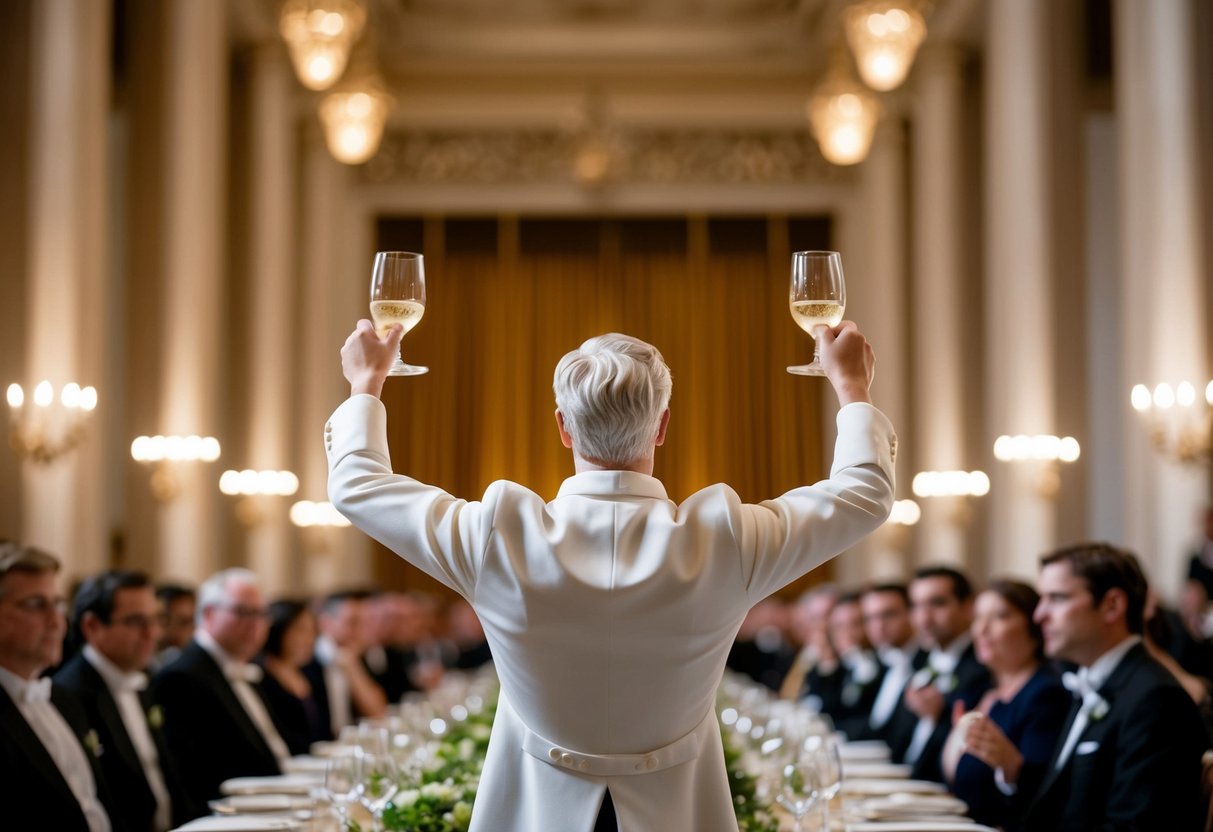
The Master of Ceremonies (MC) is key in making your wedding flow smoothly. You rely on them to guide the event and keep guests engaged.
Key Responsibilities of the MC:
-
Welcome Toast: The MC often starts the festivities with a welcome toast. This sets a warm tone for the celebration.
-
Announcing Speeches: They introduce speakers during the reception, which keeps everything organized. Each speech follows a thoughtful order.
-
Managing the Timeline: The MC helps stick to the wedding reception timeline. This includes announcing when it’s time for dinner, dancing, and other activities.
-
Reading Messages: If you receive notes from guests who couldn’t attend, the MC reads these out. This helps include everyone in the celebration.
-
Transitioning Between Events: They also smoothly transition from one part of the event to another. This includes moving from the ceremony to the reception, and from speeches to the first dance.
A skilled MC makes your wedding feel more organized and fun. They handle many details, allowing you and your guests to relax and enjoy the day. With their friendly demeanor, they create a positive atmosphere for everyone.