
Who Goes 1st in Wedding Vows? Understanding the Tradition and Its Importance
When it comes to wedding vows, many couples wonder about the order of the exchange. In most traditional ceremonies, the groom typically goes first, followed by the bride. However, this custom often reflects historical beliefs and cultural practices, but it’s not a hard-and-fast rule. You have the freedom to choose what feels right for you and your partner.
The exchange of vows is one of the most meaningful moments in a wedding ceremony. It symbolizes deep commitment and personal promises that you make to each other. Understanding who says their vows first can help you plan a ceremony that aligns with your beliefs and the significance you want to create on your special day.
As you prepare for your wedding, considering the order of vows can add a personal touch to your ceremony. Whether you stick to tradition or break away from it, what matters most is that your vows reflect your unique love story.
Understanding the Ceremony Structure
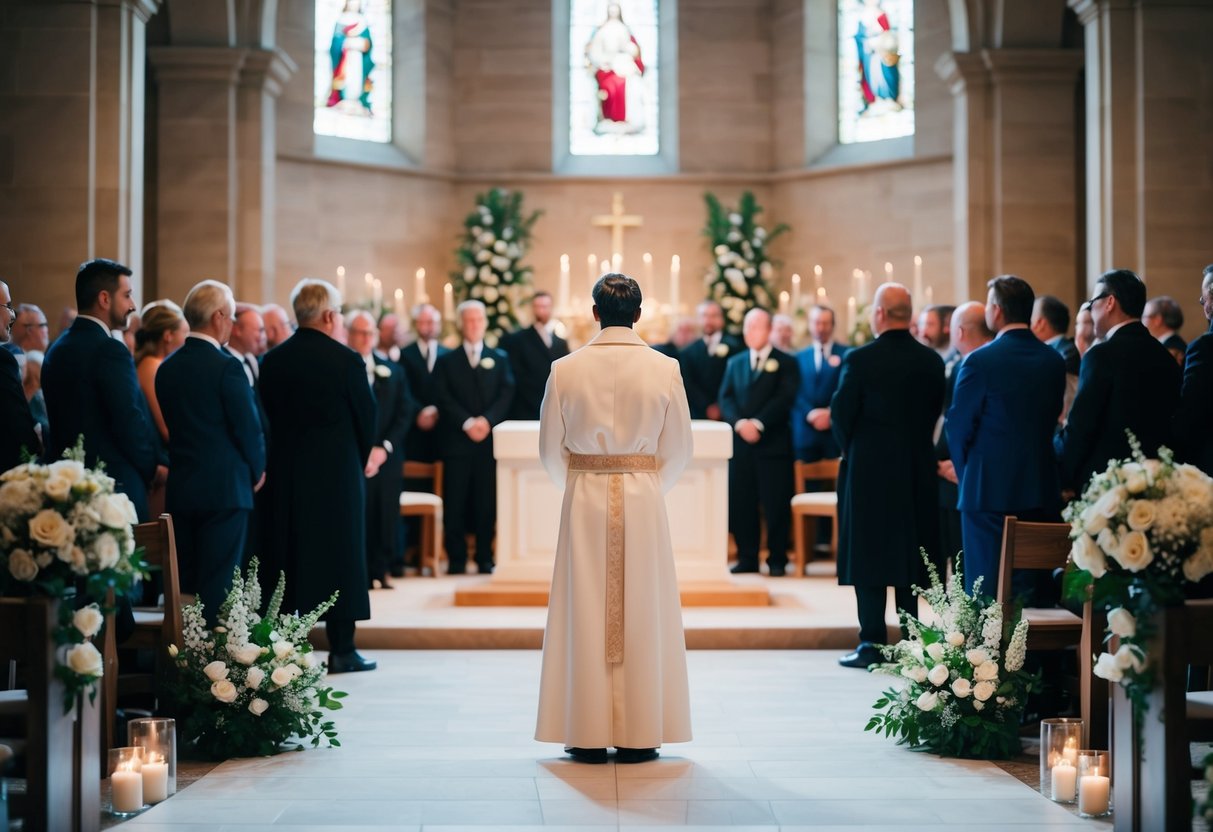
The wedding ceremony has a specific flow that guides you through your special day. Knowing the structure helps you plan each detail, making the event memorable for you and your guests.
Order of Events
The order of events in a wedding ceremony usually follows a traditional format.
- Processional: This is when the wedding party walks down the aisle. It usually starts with family and ends with the bride.
- Welcome: The officiant opens with a welcome message.
- Exchange of Vows: This is a special moment where you and your partner declare your love.
- Ring Exchange: Following the vows, rings symbolize your commitment.
- Pronouncement: The officiant declares you married.
- Recessional: Finally, you exit the ceremony together with applause from your guests.
Each step is significant in creating a beautiful experience.
Role of the Officiant
The officiant plays a key role in your wedding ceremony.
- Guidance: They lead the ceremony, ensuring each part flows smoothly.
- Legal Authority: The officiant is authorized to make your marriage official.
- Personal Touch: You can discuss your preferences, allowing them to personalize the ceremony to reflect your love story.
They ensure everything happens in the right order, from the processional to the pronouncement.
Significance of Vow Exchange
The exchange of vows is one of the most emotional parts of the ceremony.
- Declaration: It’s your chance to openly express your love and commitment to each other.
- Tradition: Saying vows is a longstanding tradition that bonds couples.
- Connection: This moment often resonates deeply with you and your guests, creating lasting memories.
It sets the foundation for your future together, making it a vital part of your wedding day.
Deciding Who Goes First
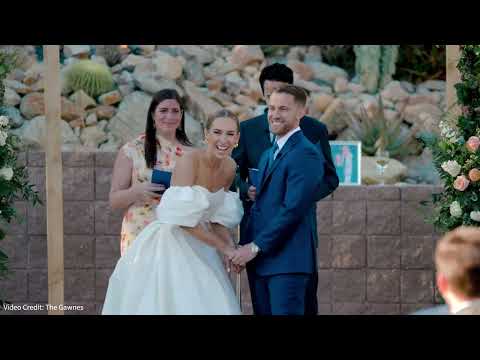
Choosing who says wedding vows first can be a meaningful decision. This choice often reflects your values, preferences, and the type of ceremony you want.
Traditional and Modern Approaches
Traditionally, the groom says vows first in many cultures. This custom emphasizes a patriarchal structure. However, modern weddings are shifting towards a more equal approach. Couples today often decide who goes first based on personal preferences.
Some opt to say vows together, which can symbolize unity. Others may choose to alternate the order, making the ceremony feel more balanced. It’s essential to have an open conversation with your partner about how you want this moment to unfold.
Same-Sex Couple Considerations
For same-sex couples, the decision on who goes first is often more flexible. Since there is no traditional “norm,” you have the freedom to create your own order. It can reflect your unique relationship and personal stories.
Many couples choose to say their vows together. This creates a deep sense of partnership and equality. Discuss your feelings and decide what feels right for both of you. It should honor your journey as a couple and the love you share.
Cultural and Religious Influences
Cultural and religious traditions can play a significant role in deciding who goes first. Some religious ceremonies have specific guidelines you need to follow. In these cases, the order of vows might be predetermined.
If you come from different backgrounds, consider blending traditions. You might choose to incorporate elements from both cultures in your ceremony. This personalized touch makes your vows even more special and meaningful. Engage with family and your community to ensure the ceremony honors your heritage while being true to your values.
Elements of Wedding Vows
When crafting wedding vows, you should think about the important components that make them meaningful. This includes traditional elements, how to personalize them, and the underlying themes of love and commitment. All these aspects work together to create heartfelt promises that reflect your relationship.
Components of Traditional Vows
Traditional wedding vows usually include several key components. These vows often start with a declaration of love and commitment. You might say something like, “I take you to be my spouse.”
Following this, the vows typically outline promises. Common promises could include being faithful, loving each other, and being there in both joyful and challenging times.
These elements create a structure that many couples find comforting. Sticking to tradition can provide a sense of continuity and connection to those who have come before you.
Incorporating Personal Touches
Personalizing your vows can make them even more special. Think about moments that define your relationship. You might want to include a favorite memory or a shared laugh.
Adding unique details shows your connection. You could share specific promises that reflect your values or goals as a couple. For example, you could vow to always support each other’s dreams.
Using your own words makes the vows feel genuine. This personal touch will resonate with both you and your partner, creating a memorable experience during the ceremony.
Role of Love and Commitment
Love and commitment are at the heart of any wedding vow. You want to express how deep your love is and how much you value your partner.
Make sure to highlight what commitment means to you. This could be about loyalty, trust, or facing challenges together.
Including these themes ensures your vows are more than just words. They are heartfelt promises that cement your journey as a couple, reflecting the foundation of your relationship.
The Exchange of Rings and Beyond
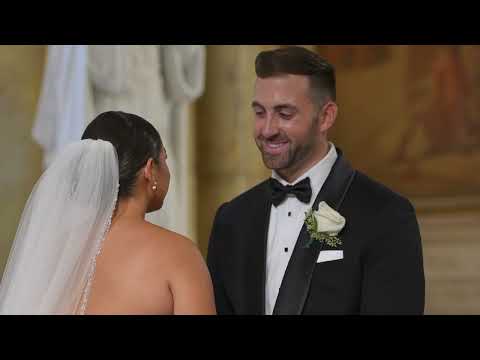
The exchange of rings is a key moment in any wedding ceremony. In this part of the ceremony, symbolic gestures and traditions come together to celebrate your commitment. Let’s explore the meanings behind the wedding ring, the role of the ring bearer, and what happens after the vows are exchanged.
Symbolism of the Wedding Ring
The wedding ring is more than just a piece of jewelry. It represents love, commitment, and the bond you share with your partner.
Traditionally worn on the left hand, the ring is placed on the fourth finger, known as the “ring finger.” This custom comes from the belief that a vein in this finger leads directly to the heart.
When you exchange rings during the ceremony, you’re not just following tradition; you are making a deeper promise to one another. This symbolic gesture solidifies your vows and marks the start of your journey together.
The Ring Bearer’s Role
Often, a young child known as the ring bearer is chosen to carry the wedding rings down the aisle. This role adds a sweet touch to the ceremony.
The ring bearer typically walks in ahead of the couple, dressed in a cute outfit, holding a pillow or box that contains the rings. This can be a cherished moment that brings smiles to your guests.
You can choose a family member or close friend’s child for this task, making it fun and memorable. Just make sure the ring bearer is responsible enough to handle this important job!
Concluding the Vow Ceremony
After the exchange of rings, the ceremony typically moves forward to the final pronouncement. This moment confirms your union and signifies the completion of your vows.
Once you’ve exchanged rings, you may share your first kiss as a married couple, marking an exciting transition in your relationship.
Following this, the officiant usually declares you officially married, allowing you to walk down the aisle together, hand in hand, as partners for life.
The ring exchange and these subsequent moments create lasting memories that define your special day.