
Who Goes Down the Aisle First? Exploring Wedding Procession Traditions
Planning your wedding processional can feel overwhelming, but it doesn’t have to be! Traditionally, the parents of the groom walk down the aisle first, followed by the mother of the bride, but couples have the freedom to choose their own order. This is your special day, and you can personalize the processional to fit your style and preferences.
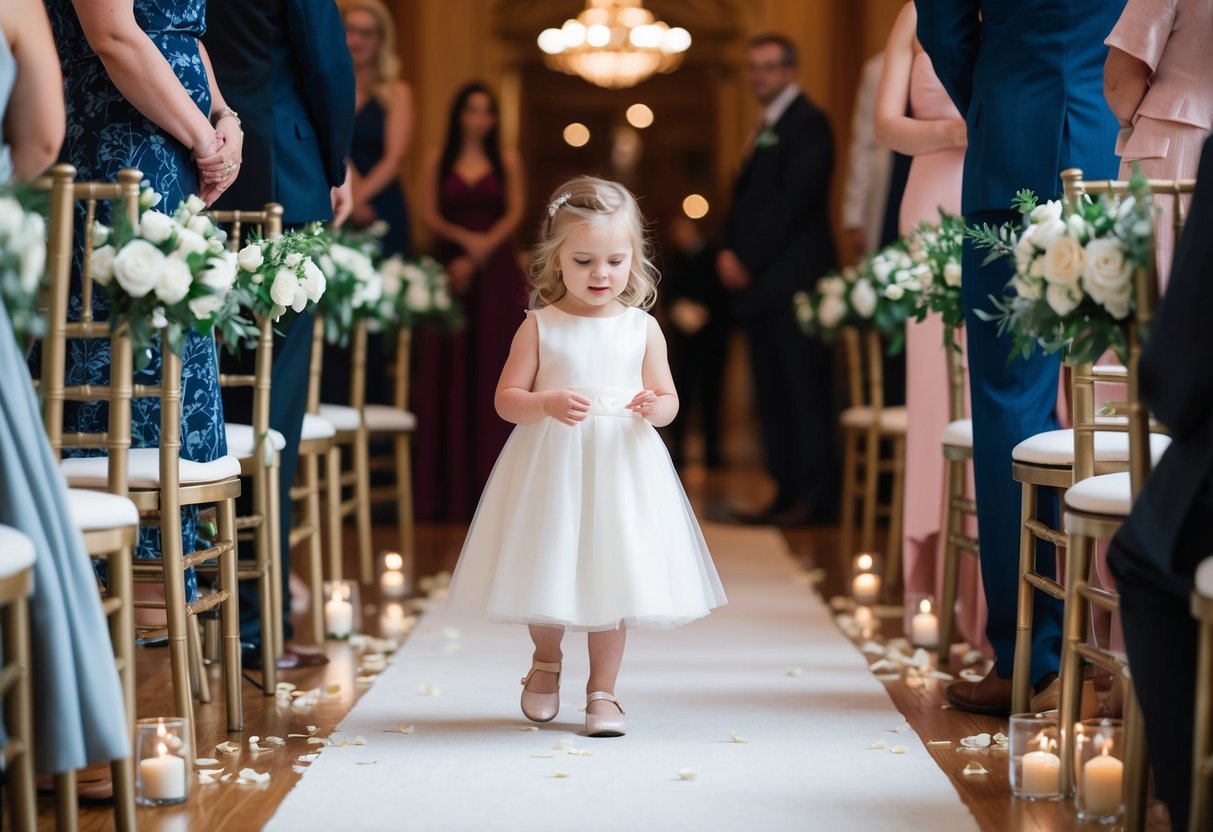
As you think about who walks down the aisle first, consider the roles of each person involved. The officiant usually leads the way, followed by family members and the wedding party.
Many couples include grandparents and the bridal party before the star of the show: the bride herself.
Everyone’s wedding is unique, and your processional should reflect that. Whether you stick to tradition or make your own rules, understanding the wedding processional order helps make your ceremony special and memorable.
Understanding the Wedding Processional

The wedding processional is a special moment that sets the tone for your ceremony. Knowing who walks when and the overall order can help make the day feel smoother and more organized.
Traditional Wedding Processional Order
In a traditional wedding, the processional follows a specific order. It often starts with the officiant entering first, followed by the grandparents of the couple.
Next comes the parents of the bride, usually escorted by a close male relative.
After them, the bridal party enters. This includes bridesmaids and groomsmen, who walk in pairs. The maid of honor follows, and then it’s time for the flower girl and ring bearer.
Finally, the bride makes her grand entrance, typically accompanied by her father. This order helps build excitement for your big moment.
Modern Variations in Processional Order
Modern weddings offer more flexibility in the processional order. Couples may choose to switch up the traditional layout to reflect their personalities or cultural backgrounds.
For example, some couples have both parents walk them down the aisle. Others may allow the bride to enter alone or have both partners walk together.
Another trend is featuring friends or pets as part of the procession. These variations can make the ceremony feel unique and personal. You can create a processional that suits your style and makes the moment memorable.
Participants of the Processional
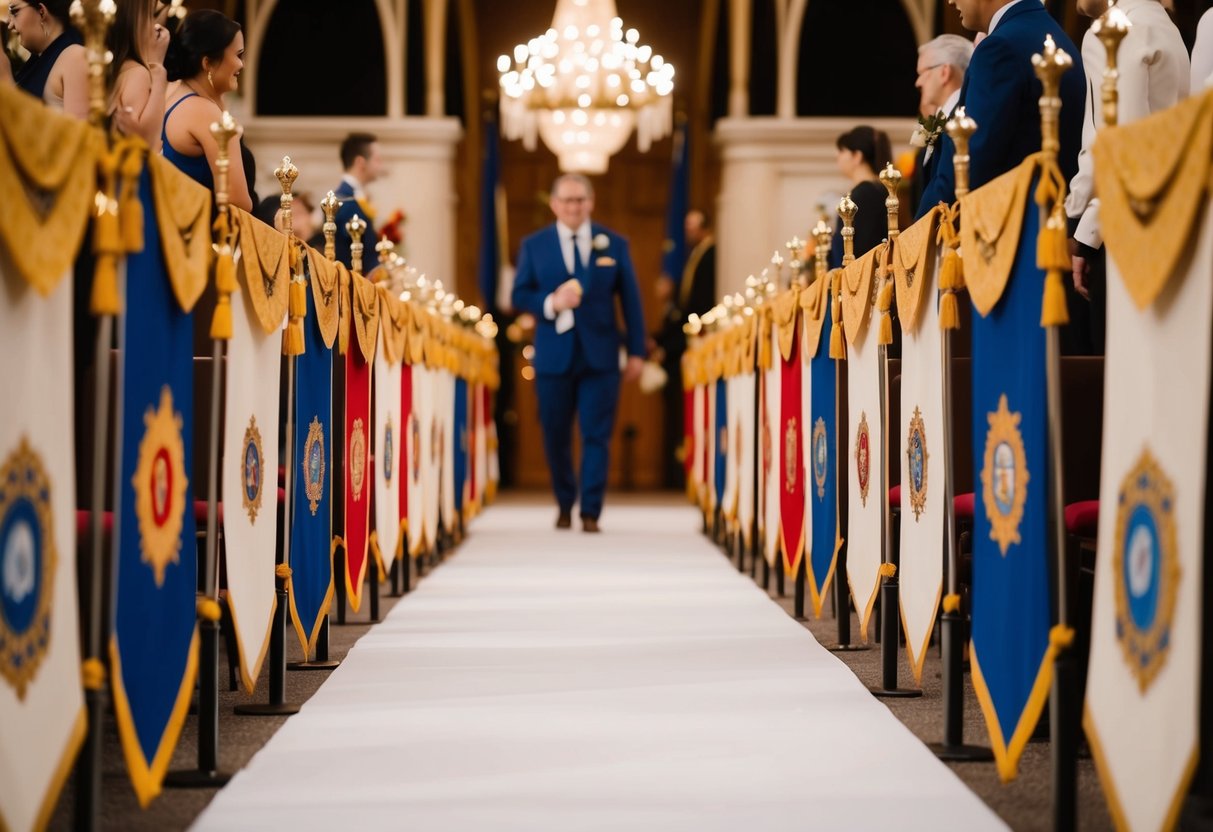
In a wedding processional, different participants play essential roles as they walk down the aisle. Each person holds significance, contributing to the emotional and ceremonial aspects of the event.
Roles of Family Members
Family members are typically the first to walk down the aisle. This often starts with the grandparents, who are honored guests. They may enter together or separately, depending on their health and comfort.
Next, the groom’s parents follow. They may be escorted or walk alone. Often, the bride’s mother enters last before the bridal party begins. This order sets a respectful tone for the ceremony, acknowledging the support system around the couple.
The Bridal Party Explained
The bridal party includes the bridesmaids and groomsmen.
Bridesmaids generally walk down the aisle in pairs or singly, depending on the number. They may enter in matching dresses, symbolizing unity.
Groomsmen, like bridesmaids, can also walk down in pairs or alone. This group leads to the key members, such as the maid of honor and best man. They stand prominently near the altar, showing their crucial roles in supporting the couple throughout the day.
Highlighting the Main Characters
The most important participants are the bride and groom. Traditionally, the bride walks last, often highlighted by music that signals her entrance. She is usually accompanied by her father or another family member, showcasing the significance of this moment.
The groom may stand at the altar, waiting for his bride. His entrance may vary, but he often walks in solo or with his parents. These key moments emphasize the love and commitment being celebrated, creating a memorable atmosphere for everyone present.
Specifics of Cultural Wedding Traditions

Cultural wedding traditions vary widely around the world. Each culture has its unique customs that dictate not only who walks down the aisle first but also the order and significance of each participant.
Christian Wedding Customs
In a typical Christian wedding, the officiant often enters first, followed by the groom and his best man.
Next come the bridesmaids, who walk down the aisle before the bride. This order symbolizes the transition of the bride from her family into her new life with her husband.
In many denominations, the bride walks last, sometimes accompanied by her father or both parents. This moment represents her father’s letting go and giving her to her partner for the new journey ahead.
You may notice variations in processional order unique to each church or denomination, such as nondenominational ceremonies that emphasize personal choices.
Jewish Wedding Traditions
Jewish weddings have a rich tradition that includes a unique processional order. The rabbi or officiant is the first to enter, followed by the groom.
The bride is typically escorted by both of her parents. This symbolizes the support of her family as she enters a new life.
Once they reach the chuppah, or wedding canopy, family and friends gather. The seriousness of this moment is marked by the signing of the ketubah, or marriage contract, before the ceremony continues.
The inclusion of cultural traditions creates a meaningful experience for everyone involved and honors both families.
Hindu Wedding Rituals
Hindu weddings are full of vibrant customs and rituals, with the processional often starting with the baraat, where the groom arrives, usually on a horse or in a decorated vehicle. He is welcomed by the bride’s family.
After this, the bride makes her entrance. This moment is special as she is typically draped in beautiful attire and adorned with jewelry.
As she walks to the mandap, or wedding altar, her parents often accompany her, symbolizing support and love. The rituals that follow are deeply rooted in tradition, focusing on the union of two families and the beginning of a new journey together.
Ceremony Details and Etiquette
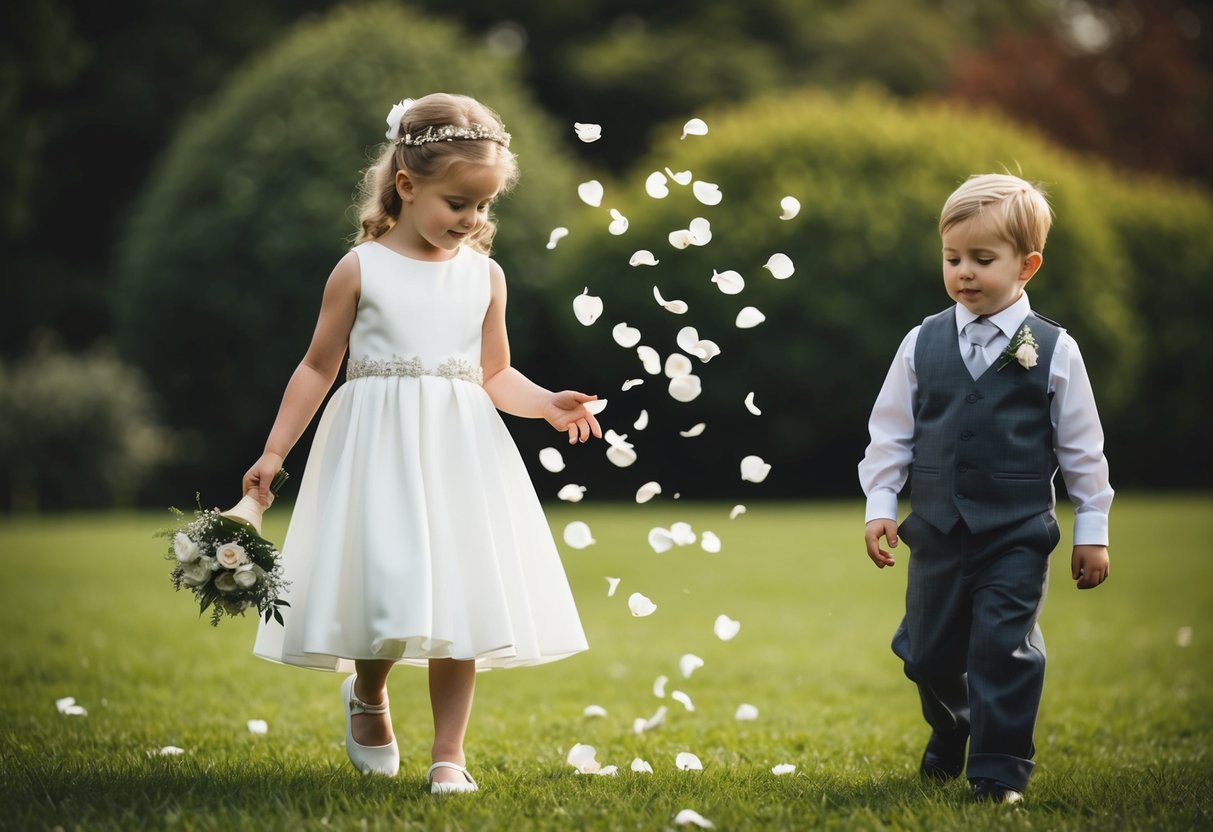
When planning your wedding ceremony, it’s important to consider the order of entrance and the choice of music. These details help set the tone for your special day, creating memorable moments as everyone walks down the aisle.
The Order of Entrance
The processional order is key in a wedding ceremony.
Typically, the officiant walks down the aisle first, followed by the ushers, who help seat guests. After this, the grandparents usually enter, next followed by the parents.
For a traditional wedding, the groom’s parents typically lead in, then the bride’s mother follows.
After the parents, the wedding party enters. This includes the bridesmaids and groomsmen, leading up to the maid of honor and best man.
Finally, the bride makes her grand entrance. This moment is often filled with emotional significance.
If you have a nontraditional ceremony, feel free to adapt the order based on your preferences. You might want to include your favorite people or even pets!
Music and Readings
The music during your ceremony plays an important role in creating the right vibe. Often, the processional song marks the entrance of the bridal party. This music is typically soft and romantic, capturing the emotion of the moment.
Before the ceremony, consider having prelude music playing as guests arrive. This sets a welcoming atmosphere.
During the ceremony, you may choose readings that are meaningful to you. These can be poems, excerpts from literature, or even personal vows.
Incorporating these elements makes your ceremony unique and memorable. Choose songs and readings that resonate with you for those emotional moments that you and your guests will cherish forever.