
Who Goes First: Groom or Best Man? Understanding Wedding Roles
You might find yourself asking who goes first, the groom or the best man. Traditionally, the groom walks in first, followed closely by the best man. Understanding this order is an important part of wedding planning that helps set the tone for the ceremony.
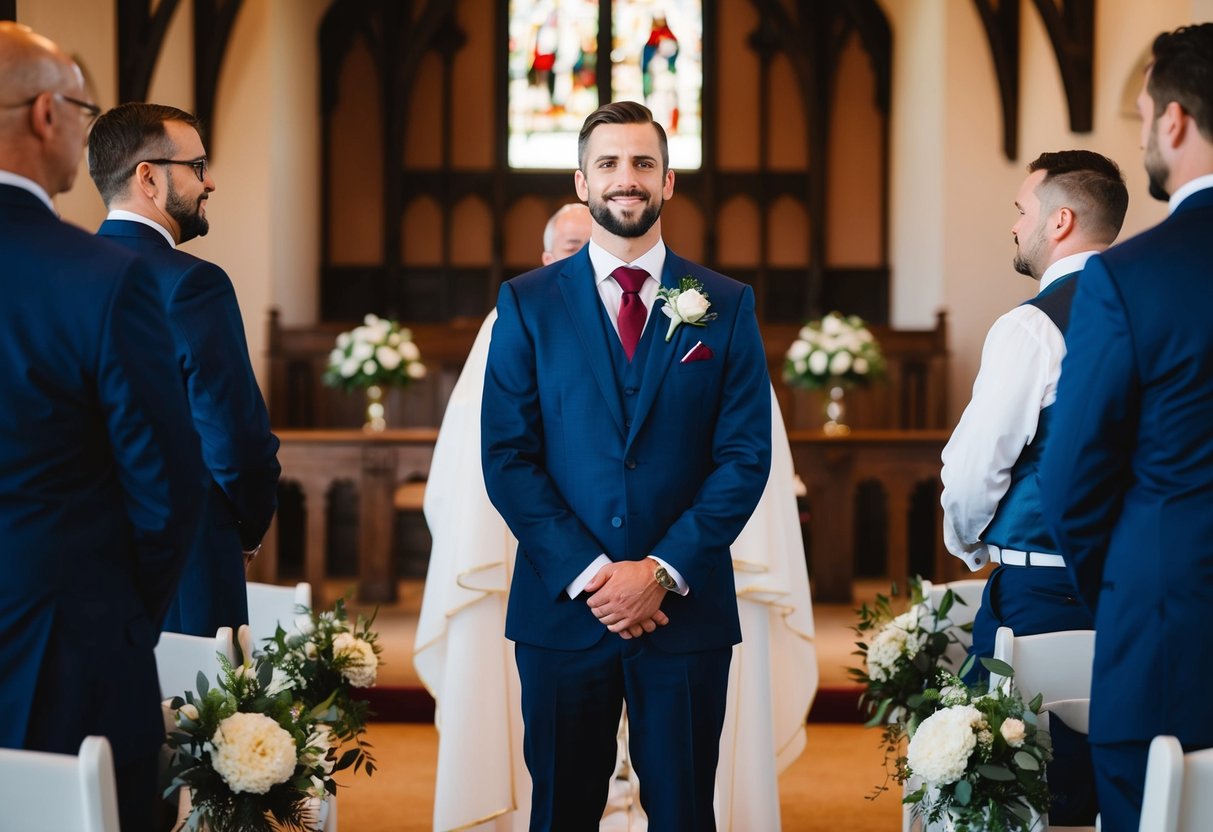
In many weddings, the officiant takes the lead, followed by the groom and then the best man. This structure allows everyone to see the important figures as they make their way down the aisle.
Knowing this can help you allocate roles and ensure that your wedding day runs smoothly.
Some may choose to switch things up for fun or to reflect their unique styles, but sticking to tradition can add a special essence to your big day.
The Role of Tradition in Wedding Processional Order
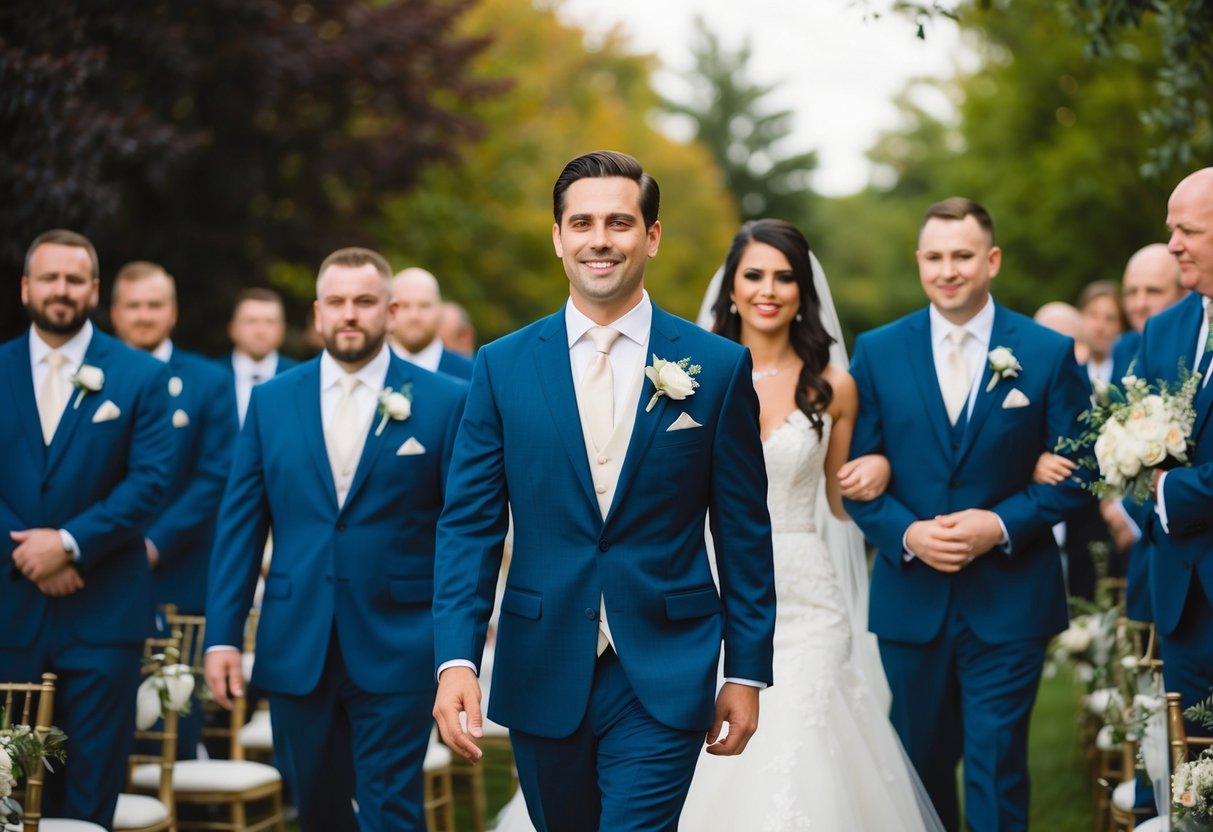
Traditions guide many decisions in wedding ceremonies, including the processional order. Understanding the significance of these customs can help you create a meaningful experience for you and your guests.
Significance of the Wedding Processional
The wedding processional sets the stage for the entire ceremony. It is a moment filled with emotion as family, friends, and the couple come together.
Traditionally, this part of the ceremony represents the couple’s journey. The entrance of the parents, especially the parents of the bride and groom, honors family bonds and unites both sides.
In many cultures, this processional reflects values and customs. For instance, in a Christian wedding, the groom usually enters first, often with the best man. In a Jewish wedding, you might witness the couple being escorted by both sets of parents.
Understanding these roles helps maintain the ceremony’s flow and creates a memorable experience.
Traditional Wedding Processional Order
The traditional wedding processional follows a specific order, often beginning with the officiant, followed by the groom and best man.
Next, the bridesmaids walk down the aisle, often in pairs. The flower girl usually comes after the bridesmaids, scattering petals to welcome the bride.
Finally, the bride makes her grand entrance, often escorted by her father or both parents. This order emphasizes the importance of each role and the couple’s commitment to each other.
You can adapt this order based on your relationship with family and your cultural traditions. Feel free to add personal touches while respecting these long-standing customs.
Key Participants in a Wedding Processional
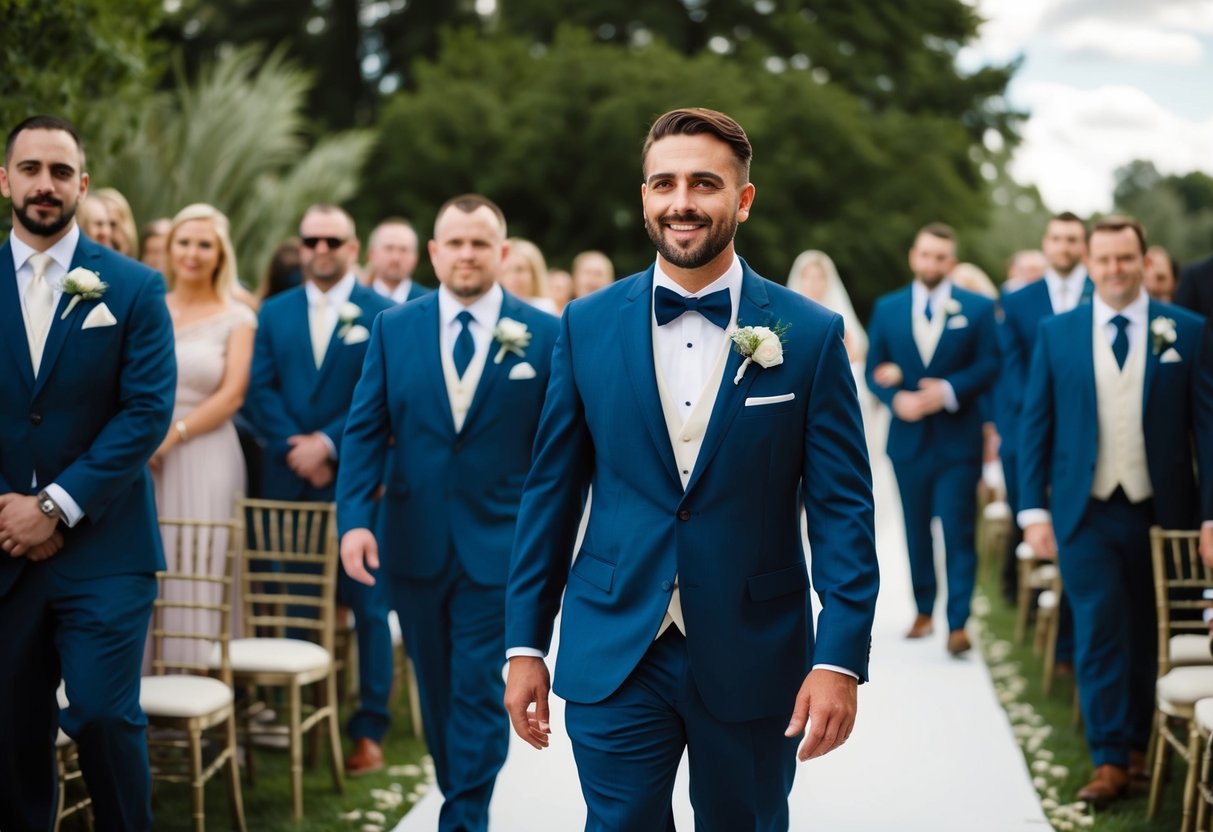
A wedding processional involves several key participants, each with specific roles that help shape the ceremony. Knowing who does what can make the day run smoothly and create lasting memories.
Duties of the Groom and Best Man
The groom plays a central role during the processional. He often walks down the aisle ahead of the ceremony, either from the side or down the center.
Depending on the couple’s preference, he may enter alongside the officiant and best man. The best man, usually the groom’s closest friend or relative, supports him during this time. His duties include holding the wedding rings, assisting with planning, and ensuring everything is in order.
Roles of Parents and Grandparents
Parents and grandparents add significance to the wedding. The mother of the bride usually enters before the bridal party, often escorted by a close family member. The groom’s parents may follow, showing their support for the union. Grandparents are also honored participants; they can walk in early or with the parents. Their presence adds warmth and tradition to the ceremony.
Importance of the Bridal Party
The bridal party plays a vital role in setting the tone of the ceremony. This includes bridesmaids, who help the bride with details and support her emotionally. The maid or matron of honor stands closest to the bride and has important duties, such as holding the bouquet during the vows. Groomsmen support the groom in a similar way.
The flower girl and ring bearer follow closely, adding a sweet touch to the celebration. Their involvement often brings smiles and memories, making the processional special for everyone involved.
Modern Etiquette and Variations in Processional Orders
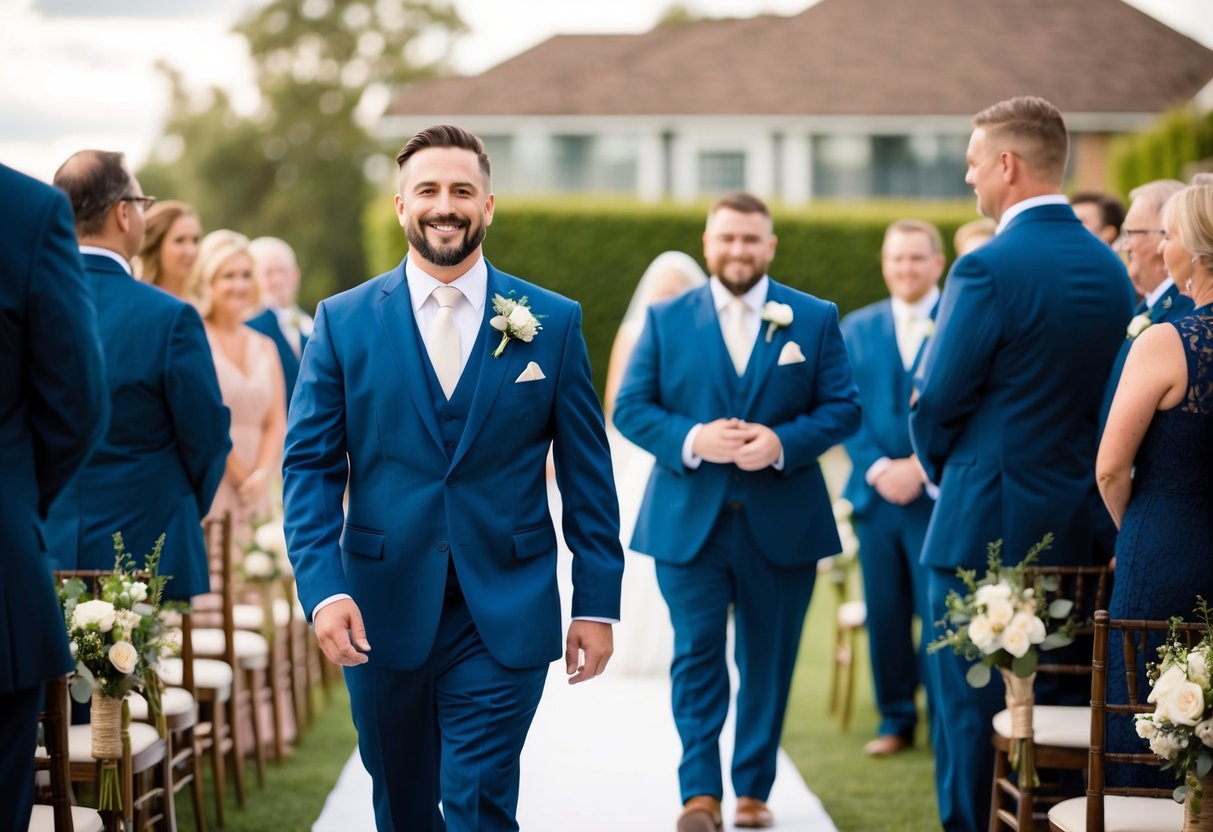
Weddings today embrace many styles and preferences. You’ll find that modern processional orders can vary widely, reflecting personal beliefs and cultural traditions. Here’s a closer look at how these variations can appear in your ceremony.
Contemporary Approaches to the Processional
In many nondenominational weddings, the processional can be more personalized. You might see the groom entering with the officiant and best man, setting a tone of unity and celebration.
After them, bridesmaids and groomsmen may follow, creating a balanced look.
Some couples choose to have both parents walk down the aisle together, showing their support. You could also consider having a close friend or relative as the officiant, which adds a special touch.
The traditional order isn’t a hard rule, so feel free to modify it as you see fit. The goal is to reflect your relationship and values.
Inclusive and Nontraditional Orders
Inclusive weddings focus on the importance of everyone involved. You may decide to have a baraat for a lively entrance, especially in South Asian weddings. This can include friends and family dancing their way to the mandap.
In nontraditional ceremonies, the roles can be switched. For example, brides could enter first, accompanied by their father or another significant person.
If you have children, incorporating them as flower girls or ring bearers can create memorable moments. It’s all about creating a unique experience that feels authentic to you while honoring your loved ones.
Executing the Perfect Wedding Processional
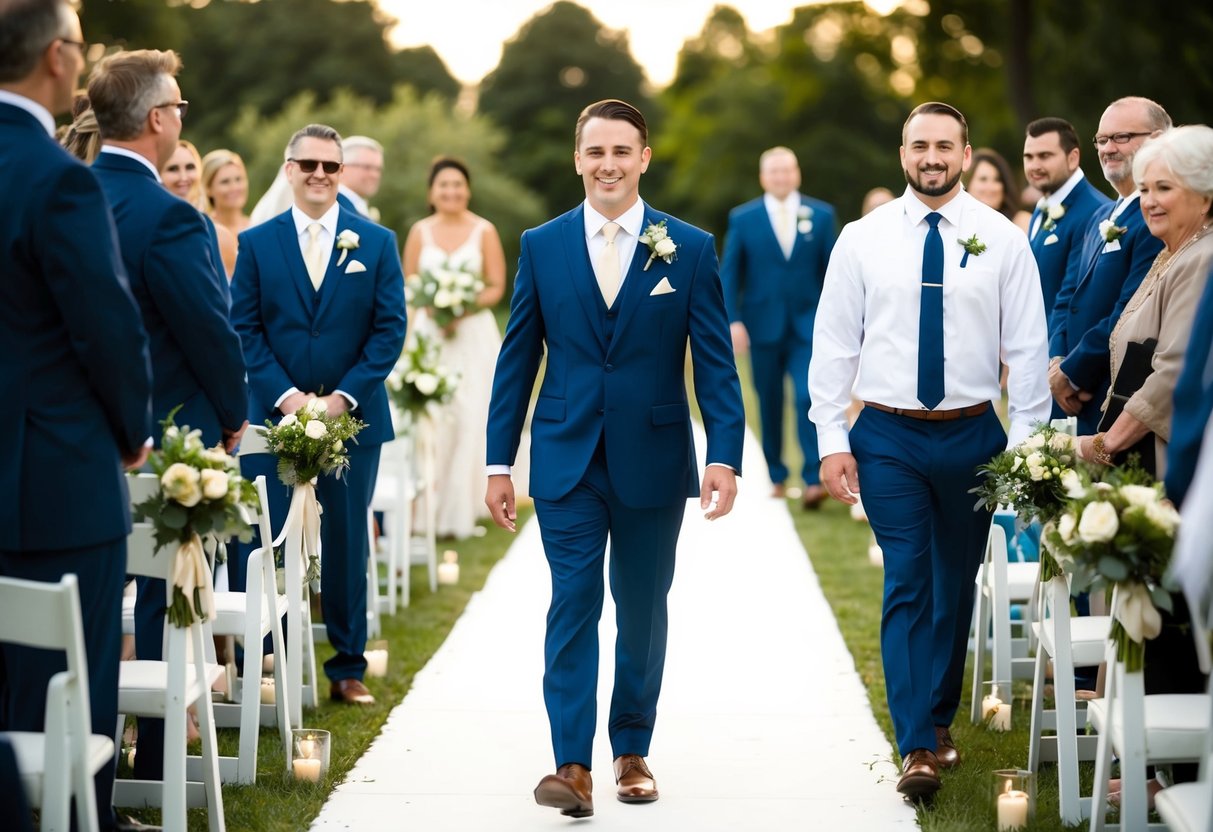
A well-planned wedding processional sets the tone for your ceremony. You’ll want to coordinate the entrances of your wedding party carefully and pay attention to timing and positioning to create a memorable experience for everyone.
Coordinating the Wedding Party Entrances
To ensure a smooth entrance, first decide the order of procession.
In a typical ceremony, the officiant leads the way, followed by the groom and best man. After them, consider including important family members like grandparents.
If you have a page boy or flower girl, they often follow the parents to add charm to the event. Here’s a typical order for a Christian wedding processional:
- Officiant
- Groom and Best Man
- Grandparents
- Parents
- Bridesmaids
- Bride
When planning, share this order with everyone involved to avoid confusion. Make sure everyone knows where to stand and when to move.
Timing and Positioning
In a wedding processional, timing is crucial. Usually, the processional should last about three to five minutes. The bride’s entrance typically takes around one minute. You want to create anticipation but keep it engaging.
Positioning is also key. For instance, if you opt for a Catholic wedding processional order, the entrance may differ based on tradition.
Be mindful of where people stand. For example, having the groom positioned near the altar lets everyone see the bride as she enters.
Communicate clearly with your wedding party. Also, practice the procession if possible to ensure everything flows smoothly.