
Who Is Part of a Wedding Ceremony? Understanding the Key Roles and Traditions
When planning a wedding ceremony, it’s essential to know who will be part of the special day. Typically, the wedding party includes close friends and family who provide support, help with planning, and participate in the ceremony itself. This group often consists of the bride, groom, bridesmaids, groomsmen, flower girls, and ring bearers.
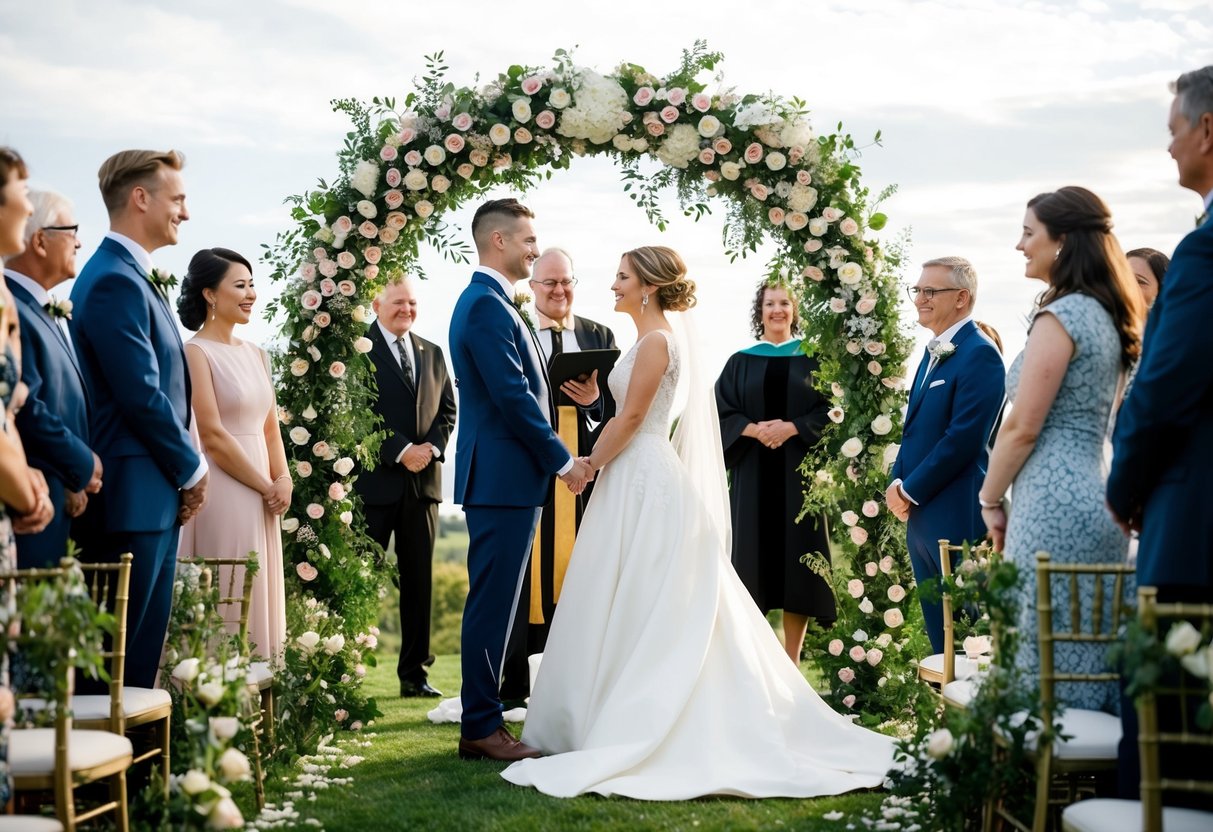
In addition to the wedding party, you might also have important roles like the officiant, who leads the ceremony, and perhaps a soloist or musician to enhance the atmosphere. Understanding the roles can help you feel more organized as you prepare your ceremony outline. Knowing who will be there allows you to create a memorable experience that reflects your love story.
Getting familiar with who participates in a wedding ceremony helps you appreciate the significance of each person’s role. From the joyful moments shared during the processional to the support offered throughout the day, every participant helps make your celebration unique.
The Ceremony Participants
In a wedding ceremony, several key participants play important roles. From the officiant who leads the event to family members who support the couple, each person adds a special touch to the day.
The Core Wedding Party
The wedding party usually includes the bride, groom, maid of honor, best man, bridesmaids, and groomsmen. These individuals are often close friends or family.
Maid of Honor: This person supports the bride throughout the planning process and on the wedding day.
Best Man: The groom’s right hand, who helps with the arrangements and gives a toast during the reception.
Bridesmaids and groomsmen walk down the aisle together, showcasing the couple’s close relationships. Additionally, a flower girl and ring bearer often add joy, as they bring in the wedding bands and scatter petals down the aisle.
Officiating the Wedding
The officiant is the person who leads the ceremony. This role can be filled by a religious leader, a judge, or a friend who gets ordained online. They guide you through the vows and make the marriage legal.
Their job is crucial, as they set the tone for the ceremony. They may share personal stories and offer words of wisdom. You can even customize the script to reflect your relationship and values, making it more meaningful.
Role of Family Members
Family members are vital to a wedding ceremony. The bride often walks down the aisle with her father, symbolizing support and love.
Parents: They play a significant role, providing emotional support and often taking part in traditions like speeches or toasts.
Grandparents: These family members may also be honored during the ceremony, representing family heritage.
Each family member can help create a warm atmosphere. From giving blessings to sharing stories, their involvement reflects your unique family dynamics, making the ceremony special and memorable.
Ceremony Structure and Traditions
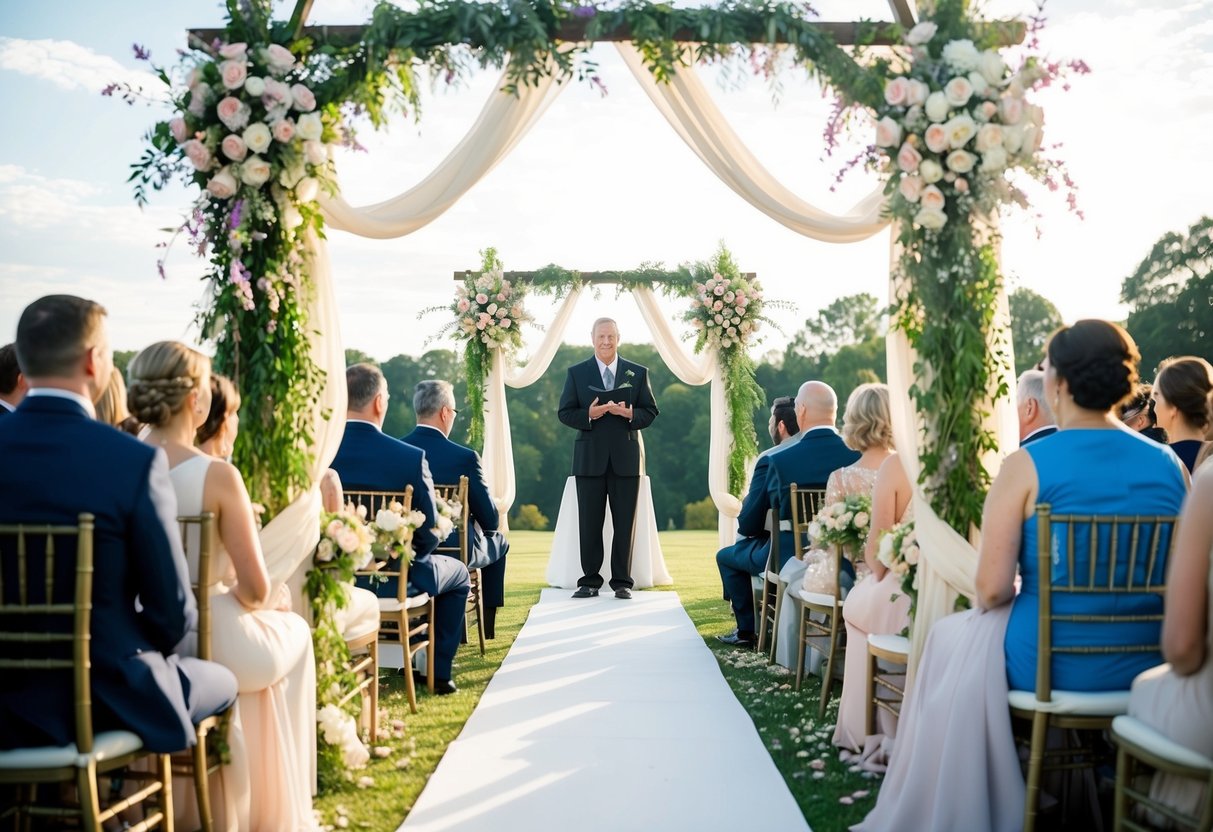
A wedding ceremony is filled with special moments that showcase love and commitment. This section covers crucial parts of the ceremony, including opening acts, the significance of vows, various rituals, and cultural customs that make weddings unique.
Opening Acts of the Ceremony
The wedding ceremony usually begins with the processional, which is when the wedding party walks down the aisle. Traditionally, the bride is the last to enter, accompanied by her father or someone special.
Prior to the main event, there might be some music, often a piece that reflects the couple’s personalities. This music sets the mood for the ceremony. The guests take their seats as an expression of anticipation and respect.
The declaration of intent is a key part that often comes after the opening. This is when you and your partner affirm your commitment to each other. It’s a beautiful moment that confirms your dedication to marry.
The Significance of Vows and Readings
Vows are at the heart of the ceremony. You express your promises and commitment to one another during this part. Writing your own vows can make this moment more personal and meaningful.
Often, couples include readings during the ceremony. These can be excerpts from literature, poems, or even religious texts that speak to love and partnership. The readings set a reflective tone and remind everyone of the beauty of love.
Following the vows, there is usually a ring exchange. This act symbolizes your commitment and serves as a physical reminder of your promises.
Rituals and Symbolism
Rituals add depth to the ceremony. Many couples choose a unity ceremony, which symbolizes the joining of two lives. Common options are the unity candle, where you each light a candle and then together light a larger one, or a sand ceremony, which involves pouring sand into a single container.
In some cultures, there are specific rituals like the breaking of the glass in a Jewish wedding. This act has deep meaning and can symbolize the fragility of relationships.
Other rituals, such as tree planting, symbolize growth and a new beginning. Each ritual brings a unique touch that reflects your love story and values.
Cultural and Religious Customs
Weddings often include elements tied to cultural and religious traditions. In a Jewish wedding ceremony, you might see the ketubah, which is a marriage contract.
The seven blessings recited during the ceremony are another beautiful Jewish tradition that celebrates love and joy. In Catholic ceremonies, specific prayers and blessings are often included, following a set ceremony order.
Whatever your background, incorporating cultural customs can make your ceremony feel more authentic and special. Celebrating your heritage adds significant meaning to the day.
Key Moments and Pronouncements
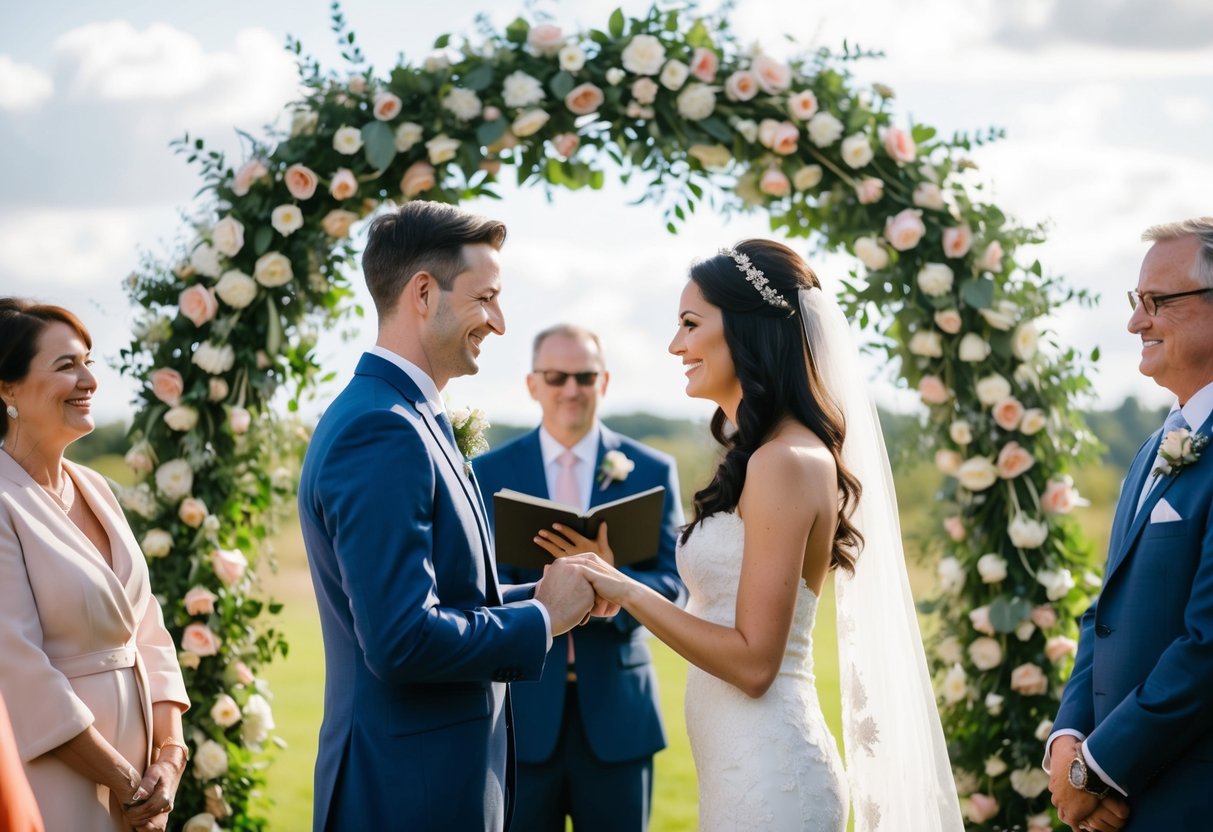
In a wedding ceremony, specific moments mark significant transitions. These key moments help create lasting memories and signify the commitment between two individuals. Here are the important parts of the ceremony that you should know.
Climax of the Wedding Ceremony
The climax of the wedding ceremony often centers around two main events: the vow exchange and the ring exchange. During the vow exchange, you and your partner make promises to each other. These wedding vows can be traditional or personalized, reflecting your unique love story.
Following the vows, the ring exchange takes place. This is when you each place a wedding ring on each other’s finger, symbolizing your commitment. The rings serve as outward signs of the vows you’ve just made. Often, the officiant will say a few words to emphasize the importance of these exchanges.
The Closing of the Ceremony
As the ceremony comes to an end, the officiant will deliver the closing remarks. This is an opportunity to thank your guests for sharing in your special day. It’s also a moment to reflect on the bond you’ve just shared.
Finally, the officiant will make the declaration of marriage. This official pronouncement confirms that you are now married. You will hear the phrase, “I now pronounce you husband and wife,” which is a highlight for many. After this, you will share your first kiss as a married couple, followed by a joyful exit down the aisle.