
Who Is Supposed to Lift the Bride’s Veil? Understanding This Meaningful Tradition
When it comes to wedding traditions, one of the most touching moments during the ceremony is the lifting of the bride’s veil. The bride’s father typically lifts her veil, symbolizing the transition from his care to that of her groom. This act is steeped in history and emotion, making it a memorable part of the wedding ritual.
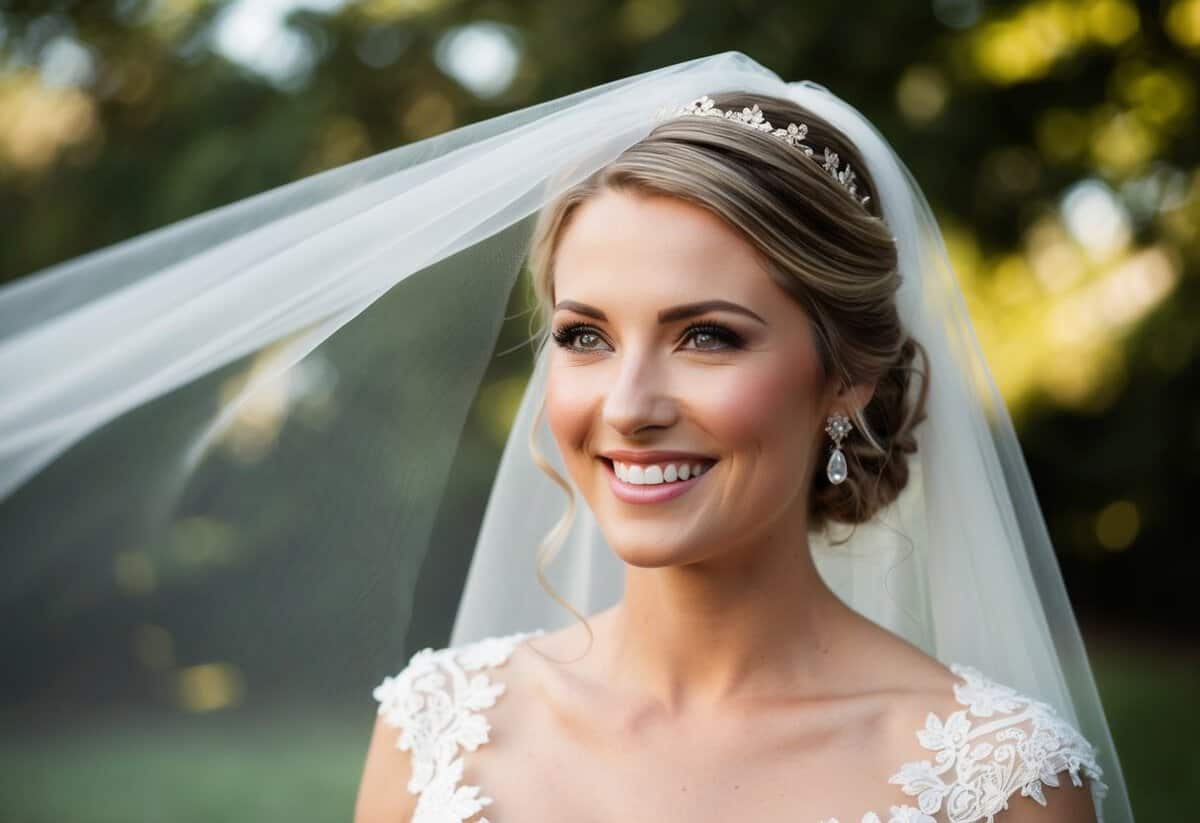
As you plan your wedding, it’s important to consider how this tradition fits into your ceremony. While the father of the bride is the most common choice, there’s no strict rule. You might opt for your fiancé to lift the veil or choose someone else who is significant to you. This moment can reflect your personal story and the bonds you share with those close to you.
Understanding veil etiquette can help you make the right choice for your big day. Each wedding is unique, and the way you choose to honor this tradition can add a meaningful touch to your marriage ceremony.
The History and Significance of the Bridal Veil
The bridal veil has a rich history and deep symbolism. It has been worn by brides for centuries and carries meanings that vary across cultures. Understanding its origins can add significance to your wedding day.
Ancient Origins and Symbolism
The tradition of wearing a veil dates back to ancient times. In many cultures, veils served as a way to protect brides from evil spirits. They believed that covering the bride’s face would ward off unwanted attention and malevolent forces.
Over time, the veil evolved to signify more than just protection. It came to symbolize the bride’s transition into a new life. The act of lifting the veil during the ceremony became a significant moment, representing the groom’s acceptance of his bride as she steps into a new chapter.
Modesty and Purity
The veil has long been associated with modesty and purity. In various traditions, it signifies a bride’s virtue and commitment. Many people view the veil as a marker of chastity, indicating that the bride is entering marriage as a virgin.
In more recent times, brides choose veils for their beauty and elegance, often enhancing their wedding attire. Whether for tradition or style, the veil continues to hold a special place in wedding ceremonies, reminding us of the values and beliefs that have shaped this lovely custom.
Traditional Veil Lifting and Roles
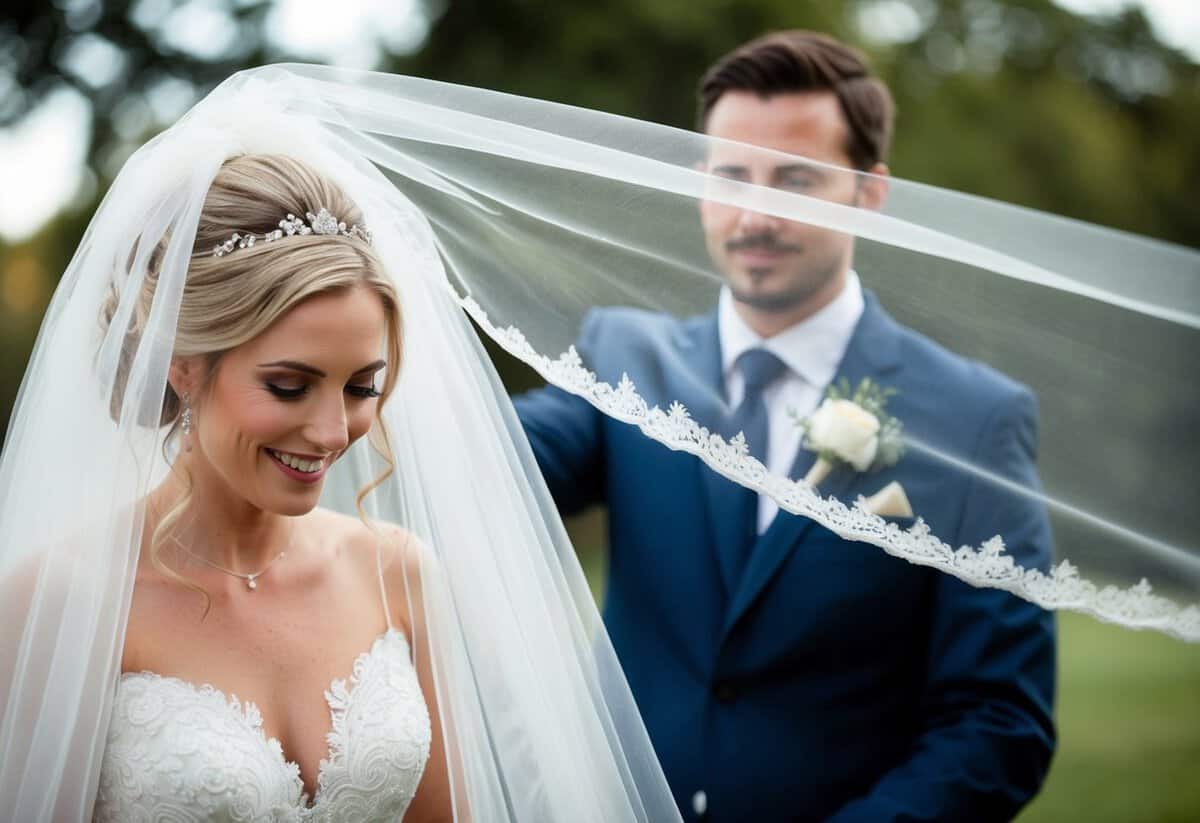
Lifting the bride’s veil is a meaningful moment during a wedding ceremony. Different people may play a role in this tradition, and each role holds special significance. Let’s explore the duties of key individuals involved in this touching ritual.
Father of the Bride’s Duties
Traditionally, the father of the bride lifts the veil when you reach the altar. This act signifies his blessing and the passing of his daughter to the groom. It marks an emotional moment that highlights the bond between you and your dad.
The father may also kiss your cheek as he lifts the veil, showing love and support. This gesture adds to the emotional impact of the occasion. Many families see this role as a special duty that connects generations and underscores the importance of family in marriage.
Role of the Groom
After you say your vows, the groom may lift the veil himself. This moment can represent the first act of intimacy as a married couple. By lifting your veil, he can see your face clearly, and it often leads to the first kiss as a couple.
This act emphasizes the groom’s commitment and affection. He may choose to lift the veil as part of the ceremony or wait until you are pronounced husband and wife. Some couples prefer this personal moment, reflecting their unique relationship.
Responsibilities of Other Loved Ones
While the father and groom often take center stage, other loved ones can also play a role. Sometimes, a sibling or close family member might lift the veil as a heartfelt gesture. This option can be based on personal preference and family traditions.
If you have a different vision for your wedding, feel free to embrace what feels best. The moment should reflect your values and connections with loved ones. Ultimately, it is about creating a touching experience that resonates with you and your family.
Modern Interpretations and Personal Style
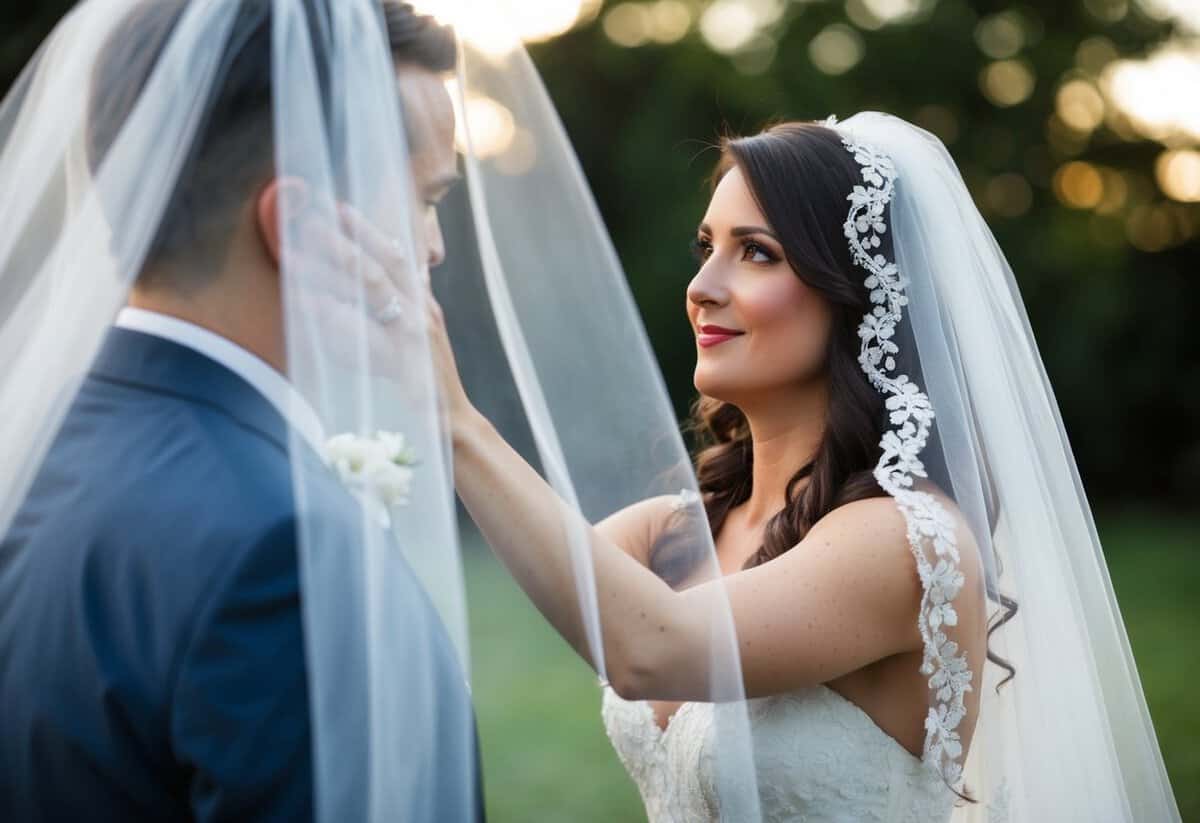
The way brides view their veils has changed significantly. Today, these accessories represent personal style and individual taste. You can choose from a variety of veil types to match your bridal look, and deciding who lifts it can now reflect your personal preference.
Variety of Veil Types
Modern brides explore many styles of wedding veils. You might consider a birdcage veil for a vintage charm or a cathedral length veil for a dramatic look. Each type serves unique aesthetics, enhancing your overall bridal style. A blusher veil adds a touch of tradition, allowing you to keep some mystery before revealing your face.
Choosing a veil is an opportunity for personal expression. You can customize the fabric, such as lace or tulle, to align with your gown and accessories. This means your veil can be reflective of your tastes and personality. Whether you prefer something minimalist or elaborate, the options are nearly endless.
Determining Who Lifts the Veil
Who lifts the veil is also a personal choice that can vary widely today. Traditionally, the father of the bride performs this act, symbolizing his support. However, many brides now opt for their partner or even lift it themselves to showcase their independence.
This decision often connects to your feelings about the ceremony. You may want to honor family traditions or choose a more contemporary approach. Discussing this with your partner can help you decide what feels right for both of you. Ultimately, the choice should reflect your unique connection and comfort level on your special day.
Veil Etiquette in the Wedding Ceremony
In a wedding ceremony, the way you handle the veil adds a touch of tradition and emotion to the event. Knowing when and how to lift or remove your veil can create memorable moments during your big day.
Walking Down the Aisle
As you walk down the aisle, your veil will likely be in place, adding elegance to your look. Traditionally, it’s customary for your father or the person walking you down the aisle to lift the veil. This act symbolizes a blessing and a transition into a new life.
If you choose a blusher veil, you may want to briefly lift it to see your fiancé before reaching the altar. This moment can help ease any nerves and enhances the connection right before exchanging vows.
Exchange of Vows
During the exchange of vows, keeping the veil in place can maintain an air of mystique and tradition. Some brides prefer to keep their veil up until the officiant announces you as a married couple.
This timing can be particularly special. The moment the groom lifts your veil after the ceremony is a perfect photo opportunity that captures your first kiss as newlyweds. It creates a memorable moment you’ll cherish in your wedding photos.
Reception Considerations
For the reception, think about how you want your veil to fit into the festivities. Many brides opt to remove their veil after the ceremony. This can make dancing and mingling more comfortable.
If you decide to keep the veil on during the reception, consider its length and style. A shorter veil might allow for easier movement.
Regardless of your choice, make sure to enjoy each moment, from the first dance to capturing fun memories with friends and family.