
Who is Traditionally Invited to a Rehearsal Dinner? Essential Guests for Your Celebration
A rehearsal dinner is a special gathering that takes place the night before your wedding. It’s a time for family and friends to come together, relax, and celebrate before the big day. Traditionally, you should invite immediate family, the bridal party, and anyone involved in the ceremony, such as your officiant and readers. This event is not only a show of gratitude but also helps everyone feel more comfortable ahead of the wedding.
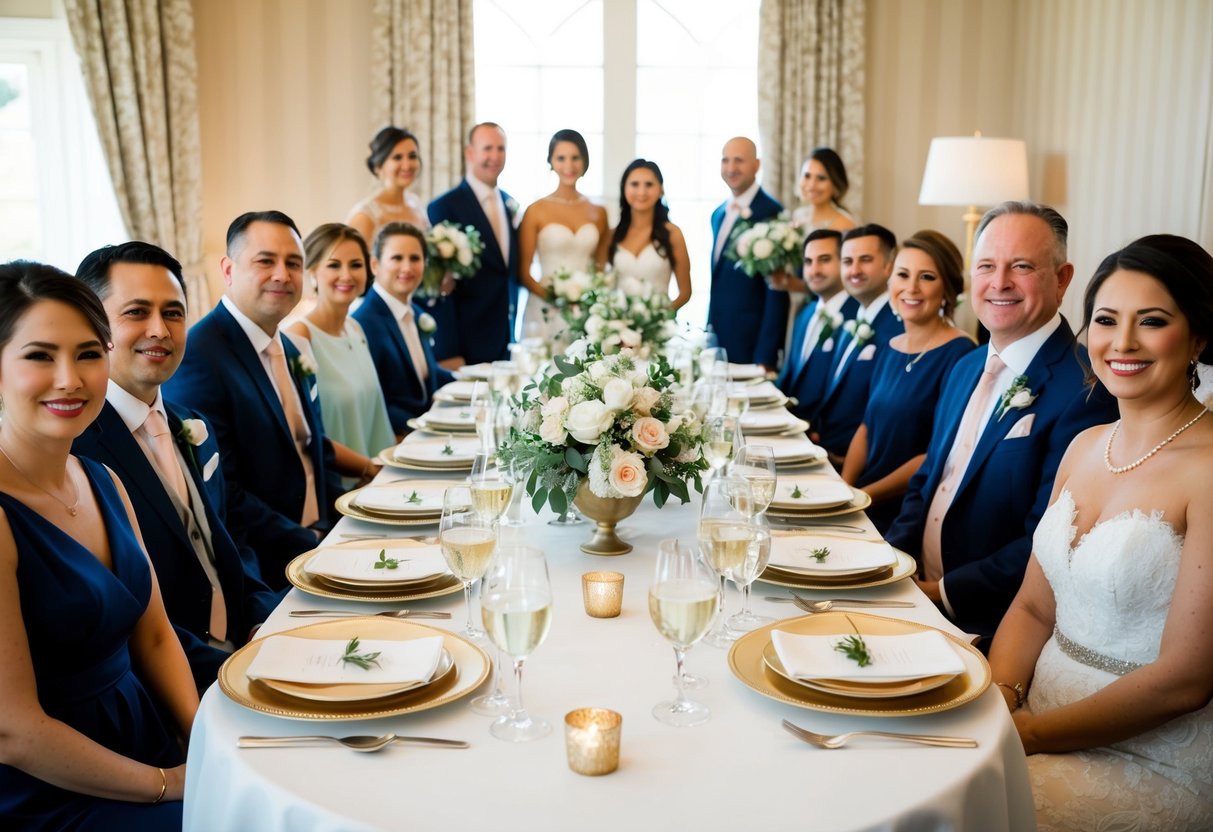
You might be wondering about plus-ones or other guests. While it can vary, it’s common to include significant others of the wedding party and close family members. This pre-wedding celebration is a great chance to strengthen bonds and set a joyful tone for your wedding day.
Planning who to invite can feel overwhelming, but it doesn’t have to be. Keep your guest list focused on those who will support you and your partner the most. With the right people there, your rehearsal dinner will be a memorable start to the festivities.
Understanding the Rehearsal Dinner
The rehearsal dinner is an important part of wedding planning. It offers a chance for your closest family and friends to gather before the big day. Understanding its purpose and how it differs from the wedding reception is essential for planning this special event.
The Purpose of the Rehearsal Dinner
The rehearsal dinner typically takes place after the wedding rehearsal. This is a run-through of the ceremony, allowing everyone to understand their roles.
The dinner provides an intimate setting where you can relax and connect with loved ones. It’s a time to enjoy a meal together, often hosted by the groom’s parents, but this can vary.
It’s also a chance for toasts and sharing of stories. These moments create lasting memories and build excitement for the wedding day.
Differences Between Rehearsal Dinners and Wedding Receptions
While the rehearsal dinner and wedding reception share similarities, they serve different purposes. The rehearsal dinner is smaller and more relaxed. It’s focused on family and the wedding party.
In contrast, the wedding reception includes all guests and celebrates your marriage with music and dancing. The atmosphere is more festive, with a larger crowd and more formalities.
The wedding reception often involves a meal, speeches, and special dances, while the rehearsal dinner is about connection and relaxation. It can help ease nerves before the ceremony. Understanding these differences helps you plan each event effectively.
Who to Invite
When planning your rehearsal dinner, it’s important to consider who should be on your guest list. Here are some key groups traditionally invited to make the event special and inclusive.
Core Attendees
The core attendees are essential to the rehearsal dinner. This group includes your immediate family, which consists of parents, siblings, and children.
Next are the members of your wedding party, such as bridesmaids and groomsmen. They play a vital role in your ceremony, so including them is a must. It’s also important to invite the officiant who will lead your ceremony.
Additionally, consider including the grandparents and other close family members. Their presence adds warmth to the gathering and helps everyone feel connected.
Beyond Immediate Family
Beyond immediate family, you have your bridal party. These friends and loved ones support you during the wedding planning process too.
You may also invite out-of-town guests who traveled to attend your wedding. It’s a nice way to thank them for their effort. If you have close friends who are not part of the bridal party, you can include them as well. Their support means a lot, and they will enjoy getting to know your family and wedding party.
Considering Plus-Ones and Extended Family
When it comes to plus-ones, it’s a good idea to include them for your bridal party members and other significant guests. This allows partners to share in the fun and connection of the evening.
For extended family, it’s up to you to decide how many should be invited. You may want to include aunts, uncles, and cousins.
Keep the guest list manageable, but remember that this is a time to strengthen your family ties. Each invitation helps create a supportive community as you prepare for your big day.
Planning the Rehearsal Dinner

Planning a rehearsal dinner involves several important steps. You need to consider the venue, set a budget, send out invitations, and create a seating chart. Each of these elements is essential to ensure the event goes smoothly and everyone feels included.
Choosing a Venue and Setting a Budget
Start by selecting a venue that fits your style and accommodates your guest list. Common options include restaurants, banquet halls, or even a backyard setting. Think about how many people you are inviting, as this will guide your choice.
Next, establish a budget. Include costs for food, drinks, decorations, and any venue fees. Don’t forget to consider who will pay for the dinner. Traditionally, the groom’s parents handle the costs, but it can be whoever is closest to you.
Sending Out Invitations
When it comes to invitations, clarity is key. Make a list of everyone you want to invite, including the wedding party and their plus-ones. You can send formal invitations or simpler digital invites depending on your preference and formality of the event.
Include important details such as the date, time, and location. Request RSVP by a certain date to help with final planning. Clear communication ensures everyone’s informed and excited about the event.
Creating a Seating Chart
Creating a seating chart can help foster good relationships during the dinner. It’s important to think about who gets seated where.
Mix and match guests to balance conversations. For example, place family members near friends.
You can use a simple table arrangement or a digital tool to visualize the setup. Ensure that everyone feels comfortable by avoiding any awkward seating situations.
Finalize your chart ahead of time. This way, you can manage adjustments easily as guests RSVP.