
Who Is Usually at the Rehearsal Dinner? Key Guests to Expect
The rehearsal dinner is an important pre-wedding event that allows you to relax and connect with your closest loved ones before the big day.
Your entire wedding party, including bridesmaids, groomsmen, and your honorary attendants, will typically gather at this special dinner. It’s a great opportunity to make memories and share a meal with everyone who will be part of your wedding ceremony.
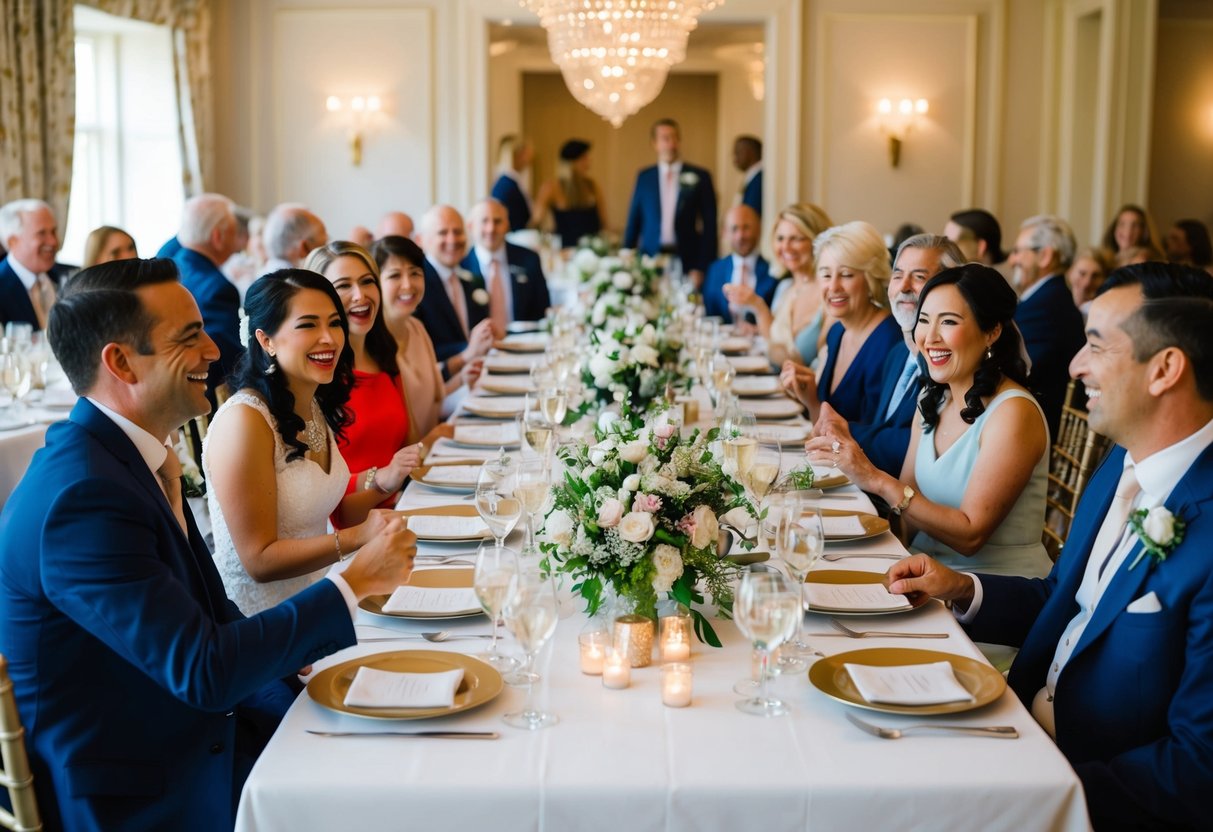
In addition to the wedding party, your parents and immediate family members often join in the festivities. Many couples choose to invite their extended families as well. This creates a warm and inviting atmosphere that fosters connection and excitement as you prepare for your wedding rehearsal and the celebration ahead.
The rehearsal dinner sets the tone for the wedding weekend, offering a chance to gather with important people in your life. By understanding who is usually present, you can ensure that this special evening reflects your style and provides unforgettable moments with those you cherish.
Understanding the Rehearsal Dinner
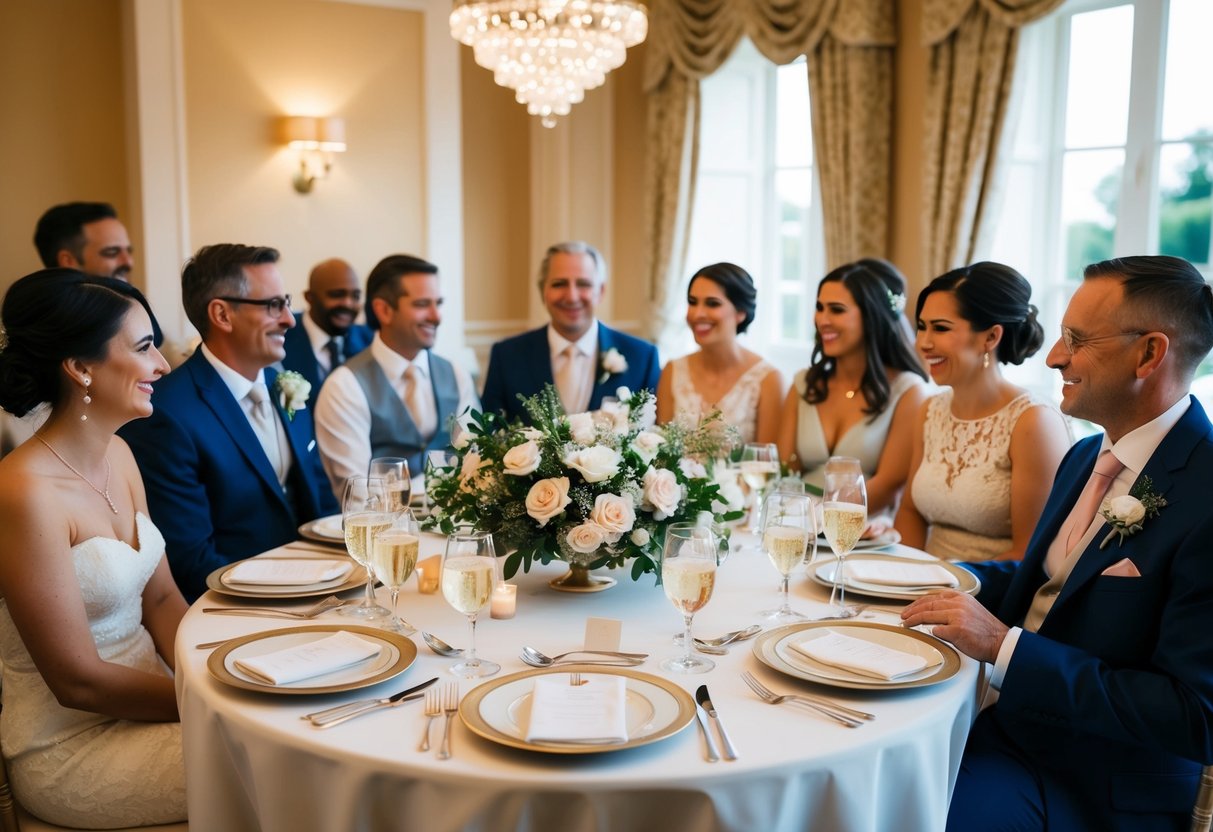
The rehearsal dinner is an important part of wedding celebrations. It provides a chance for the wedding party and family to gather before the big day. Typically, it includes a meal, speeches, and time to bond with loved ones.
Purpose and Tradition
The rehearsal dinner is a pre-wedding celebration that usually takes place the night before your wedding. This gathering allows everyone to relax and celebrate together.
Traditionally, it follows the wedding rehearsal, where the ceremony is practiced. This dinner serves a few purposes. It helps ease any wedding day nerves and strengthens bonds among the wedding party.
In addition, it provides an opportunity for toasts and speeches. Family members and friends often share funny or heartfelt stories, making the occasion memorable. It’s a moment to share love and support before your wedding day.
Who Hosts and Pays?
The groom’s parents typically host and pay for the rehearsal dinner, but this can vary. Sometimes, couples opt to share costs with both families or take on the expense themselves.
When planning your dinner, consider your wedding budget. Costs can differ based on the venue, number of guests, and type of meal served, such as a formal dinner or a casual gathering.
The guest list often includes the wedding party, close family, and sometimes plus-ones for significant others. Discuss with your family to ensure everyone important is included. Making these plans early helps reduce stress and allows everyone to enjoy the celebration together.
Crafting the Guest List
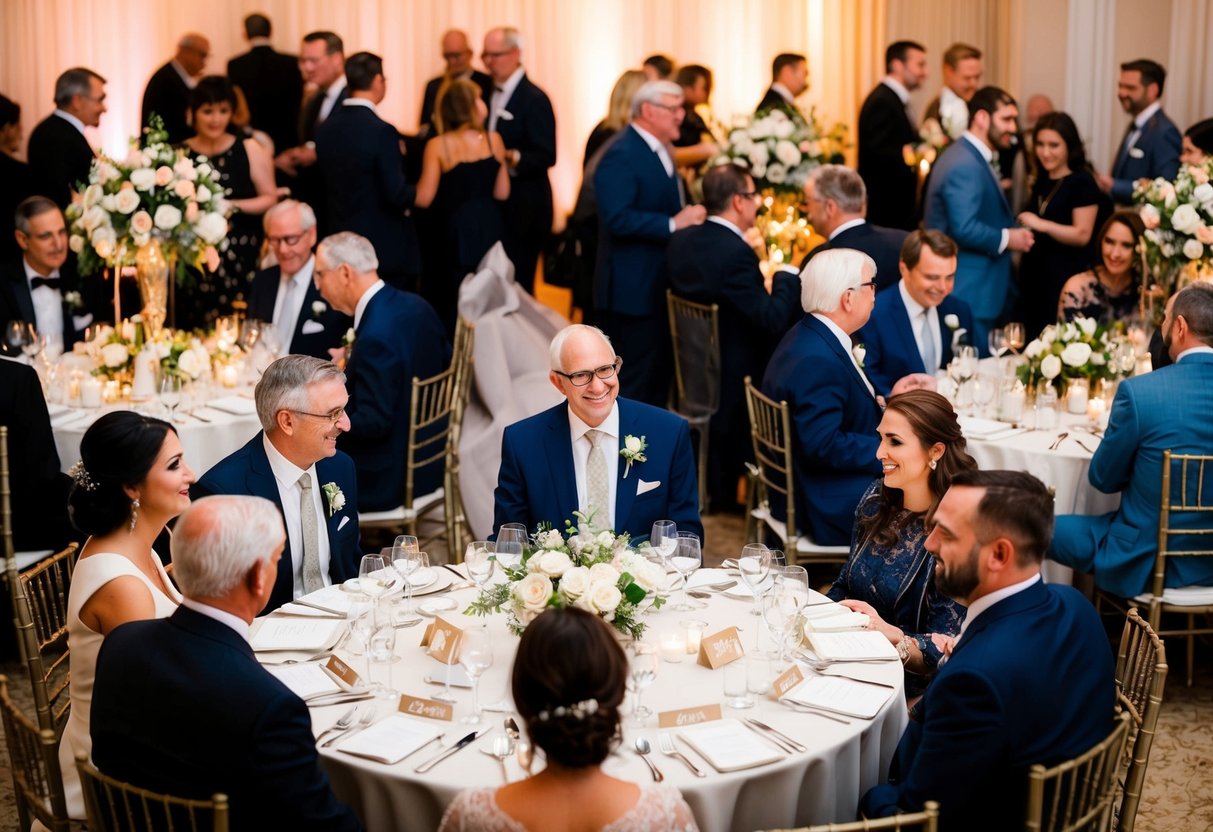
Creating the guest list for your rehearsal dinner can feel like a big task. You want to include those who mean the most to you while keeping it manageable. Start by identifying key people and consider any special situations that might apply.
Core Attendees
The core attendees at your rehearsal dinner typically include your immediate family and wedding party. This group forms the backbone of your support system on your big day.
-
Immediate Family: Parents, siblings, and any close relatives should be at the top of your list. Their presence is essential for bonding before the ceremony.
-
Wedding Party: This includes your bridesmaids, groomsmen, and any other key players like the flower girl or ring bearer. These are the individuals who will stand by you during the ceremony, making their inclusion important.
You might also want to invite your wedding officiant if you have established a good relationship with them.
Deciding on Extended Family and Friends
When it comes to extended family, think carefully about who should be invited. You don’t have to invite everyone, but consider important relatives who have played a significant role in your life.
-
Close Relatives: Aunts, uncles, and cousins who are particularly close to you should be included.
-
Close Friends: Friends who have supported you throughout your relationship can also be part of the guest list. Think about those who will celebrate with you both during the wedding and in life.
It’s essential to communicate clearly with those you invite about the dinner’s nature. Be sure to send invitations in a timely manner to help with planning.
Special Considerations for Out-of-Town Guests
If you are having a destination wedding or if some of your guests are traveling from afar, consider including them in your rehearsal dinner.
-
Plus-Ones: If you’re inviting a friend or family member, it’s fair to extend an invitation to their significant other as well.
-
Making Them Feel Welcome: This dinner can be a great chance for out-of-town guests to mingle with your family and friends before the big day.
Make sure to provide details about the event, such as time and location, so everyone feels included and informed.
Planning the Event
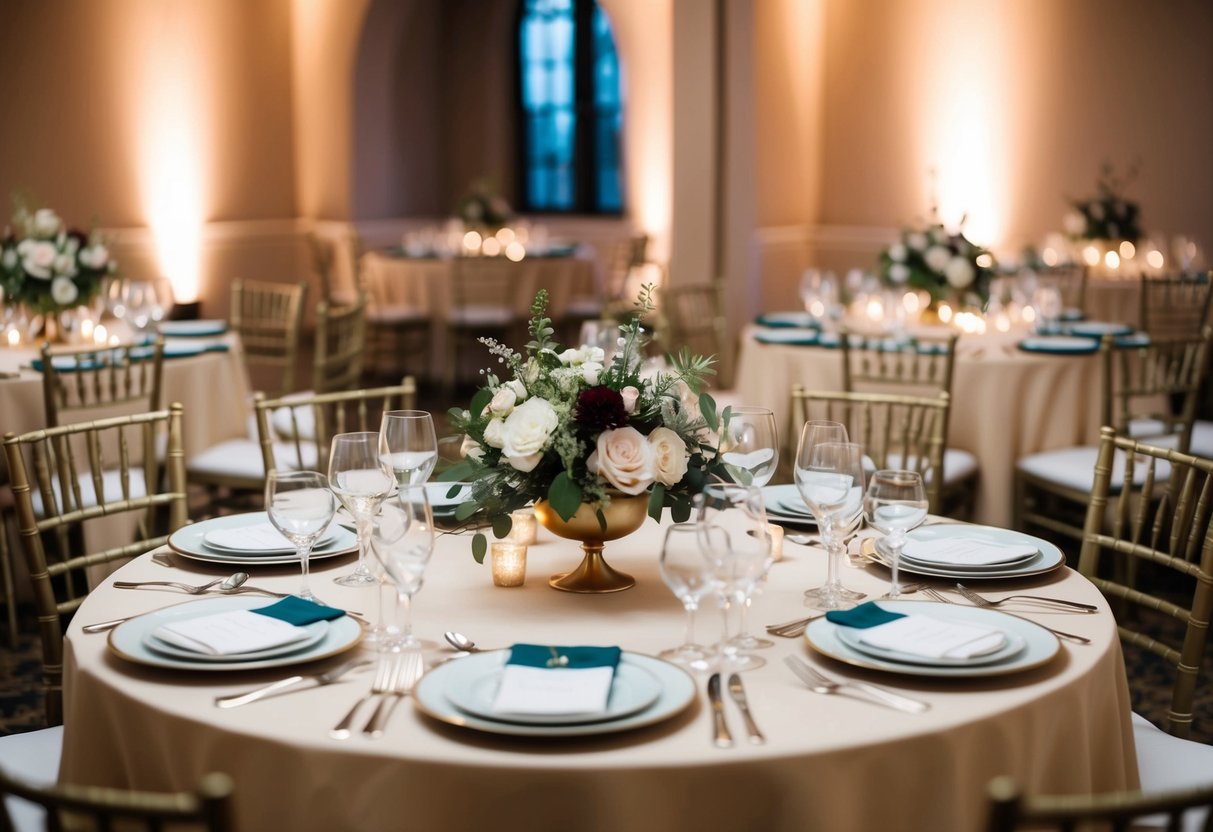
When planning your rehearsal dinner, several key aspects will help ensure a memorable event. You’ll need to consider the venue, invitations, and etiquette to create an enjoyable atmosphere for friends and family.
Choosing the Venue
The venue sets the tone for your rehearsal dinner. Think about the number of guests and the kind of atmosphere you want to create.
Options can range from a cozy intimate dinner at a local restaurant to a more formal dinner at a banquet hall. If you’re hosting a destination wedding, consider a scenic location that reflects the local culture. Outdoor settings can also enhance the experience.
Ensure the venue is easily accessible for your guests, especially those traveling from out of town.
Invitations and Stationery
Sending out rehearsal dinner invitations is an important step. These invitations should reflect the style of your wedding.
You might choose semi-formal invitations for a formal dinner or a casual design for a more relaxed gathering. When crafting your invitation list, include family members, the wedding party, and close friends.
It’s a good idea to mail the invitations about four to six weeks in advance. This gives everyone ample time to RSVP, allowing you to finalize your headcount.
Rehearsal Dinner Etiquette and Activities
Fostering a friendly atmosphere requires following rehearsal dinner etiquette. Start by making a toast to show appreciation for your guests and highlight special memories.
Consider including fun activities like games to break the ice and encourage mingling. Sharing stories or having an open mic for guests to express their thoughts can create memorable moments.
Always keep in mind the atmosphere you want to create. Whether it’s a simple meal or an elaborate affair, the goal is to make everyone feel welcome and connected, setting a joyful tone for your wedding celebration.