
Who Leaves the Wedding First? Exploring Traditions and Etiquette
At any wedding, one key moment is the ceremony exit. The married couple typically leaves first, followed by the wedding party, which includes bridesmaids and groomsmen. This order helps to create a joyous atmosphere as everyone celebrates the new union.

Knowing who walks out when can make the day run smoothly. Guests will follow the wedding party, which leads to a natural flow toward the reception or cocktail hour.
Understanding this order can help you plan your own ceremony exit or simply enjoy a friend’s wedding even more.
Whether you’re newly engaged or just curious about wedding traditions, it’s fun to explore what happens during this exciting moment. Follow along to learn more about the roles of the couple and their wedding party in making a memorable exit.
The Order of the Recessional
When planning your wedding, it’s important to understand how the recessional works. This is the moment when the bride, groom, and the wedding party exit the ceremony.
The order you choose can make this moment both special and organized.
Understanding the Recessional
The recessional is a joyful part of your wedding ceremony. It marks the end of the vows and starts the celebrations.
After the official declarations, everyone will exit the ceremony venue.
Having a clear recessional order helps avoid confusion. Guests will enjoy a smooth transition as the couple and their party leave together.
You’ll want to decide on the music and any special traditions, like a flower petal toss. This adds a personal touch to the moment.
Traditional Recessional Order
In a traditional recessional, the order of exit usually goes as follows:
-
Bride and Groom: They are the stars of the day and leave first, often greeted by cheers.
-
Wedding Party: This includes the best man, maid of honor, bridesmaids, and groomsmen, who will follow after the couple.
-
Parents: The parents of the bride and groom typically exit next. They play an important role on this day.
-
Children: Flower girls and ring bearers generally leave last, adding a sweet finish to the ceremony.
This order helps maintain the flow and celebrate the special connections among all participants.
Planning the Grand Exit
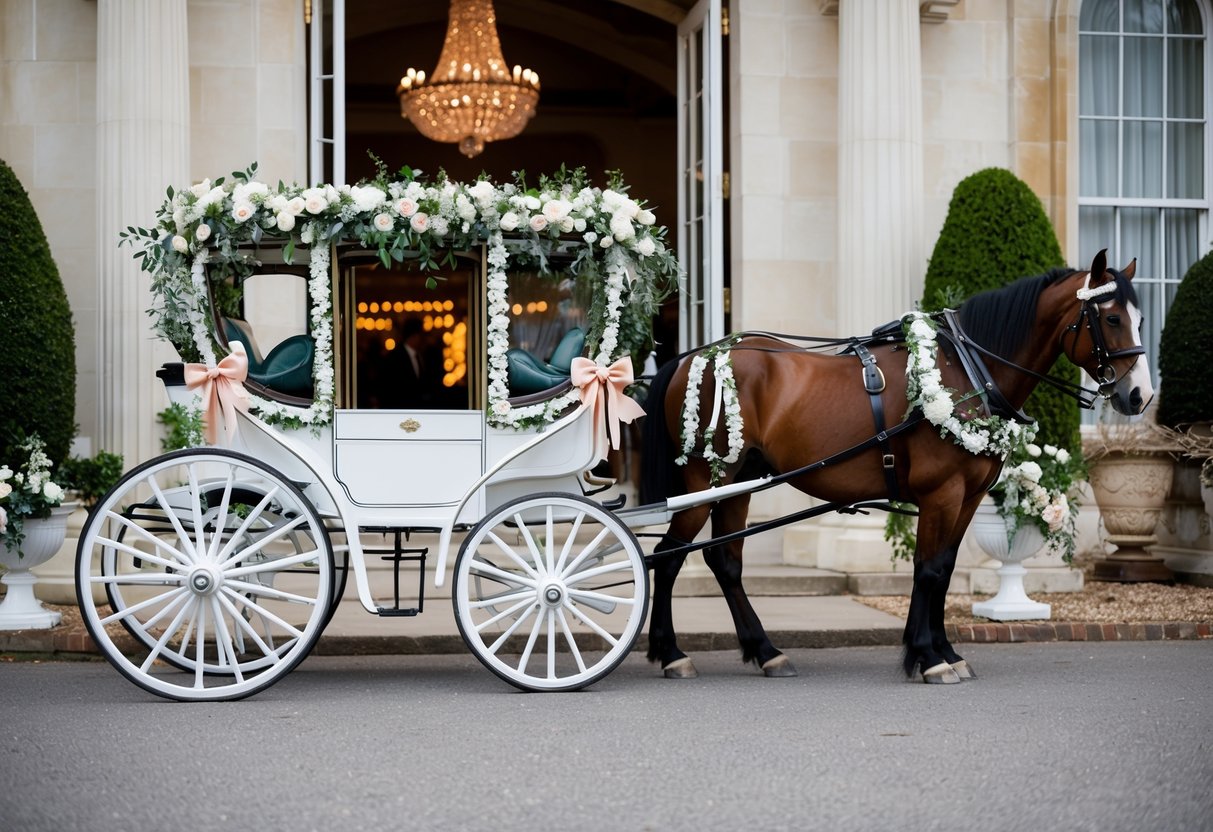
Planning your grand exit is a key part of your wedding day. It’s a moment that symbolizes the beginning of your life together.
To make it special, focus on the details that will create lasting memories for you and your guests.
Elements of a Memorable Wedding Exit
To make your wedding exit unforgettable, consider using elements like confetti, flower petals, or bubbles. These fun details add excitement and color to the moment.
You can plan a confetti toss to celebrate your new journey together. This can take place as you walk down the aisle or leave the ceremony venue.
Selecting the right recessional song is also crucial. Choose a song that reflects your personality and sets a joyful tone for the exit.
Think about capturing this moment with a skilled photographer. They can help preserve the joy and spontaneity of your grand exit with beautiful photos.
The Role of Wedding Programs
Wedding programs serve a dual purpose. They inform your guests about the ceremony while also guiding them through the important moments.
Including a section about your grand exit in the programs can build excitement.
Let your guests know about the wedding exit plan, including any special traditions you want to include. For example, note if there will be a confetti toss or if you want them to gather for a group photo.
This preparation ensures everyone is ready to celebrate your new adventure as you leave your wedding day behind.
Special Wedding Moments
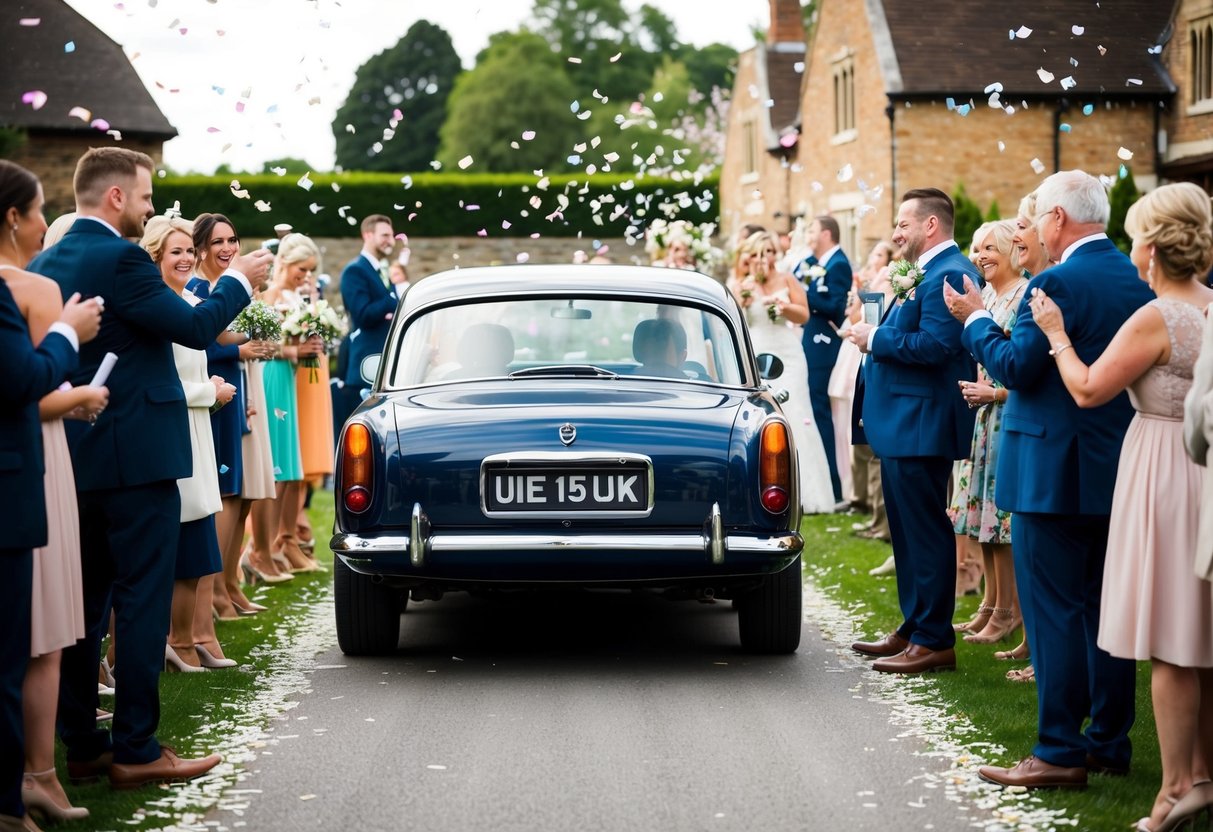
Your wedding day is filled with special moments that create lasting memories. Two key highlights are the vow exchange and the pronouncement of marriage, which symbolize your commitment.
The kiss and the following celebration bring joy and mark the beginning of your journey together.
Vows and Pronouncements
During the vow exchange, you and your partner share promises that demonstrate your love and dedication.
These personal vows can be traditional or custom-written, making them unique to you both.
The pronouncement of marriage follows the vows, marking the official moment you become newlyweds. This declaration is often met with cheers and emotional reactions from friends and family, signifying their love and support for your union.
This moment is truly magical, filled with hope and excitement for the future.
The Kiss and Celebration
Now it’s time for the kiss. This moment represents your first act as a married couple.
It’s often spontaneous and heartfelt, capturing the joy of the day. Friends and family typically react with applause, making it even more special.
Following the kiss, the celebration begins. This is where you truly let loose and enjoy the fruits of your love.
Guests gather to celebrate your union with food, dancing, and laughter. It’s a chance for everyone to experience the joy of your love story and create new memories together.
Each of these moments contributes to the celebration of love that you and your partner will cherish forever.
Invitations and Pre-Ceremony Rituals
Planning your wedding starts with important details like invitations and pre-ceremony events. These elements not only set the tone but also keep your guests informed and excited about the big day.
Save the Dates and Formal Invitations
Send out “Save the Dates” as soon as you have your wedding date. This gives guests a heads-up and helps them plan to attend.
Make sure to include essential info like the wedding date and location.
Next, formal invitations should follow about 6-8 weeks before the wedding. These invitations provide more details, including RSVP information.
You might also mention any special ceremonies, like a unity ceremony, that guests might want to learn about.
Consider choosing a theme or color that matches your wedding for a cohesive look.
Remember, your invitations and save the dates should reflect your personality and excitement for the day!
Rehearsal Dinner and Opening Remarks
The rehearsal dinner is an important pre-ceremony event. It usually happens the night before your wedding. This dinner brings close family and friends together to practice the ceremony order. It’s a great time to relax and bond before the big day.
During the wedding ceremony, your officiant will give opening remarks. Opening remarks from your officiant set the tone. They welcome guests and outline what will happen. This may include readings or the ring exchange. Clear and heartfelt opening remarks make everyone feel included and ready for your celebration.