
Who Needs to Be at the Wedding Rehearsal? A Guide for Couples and Their Parties
When planning a wedding, you can’t overlook the rehearsal. This practice run helps everyone feel comfortable and prepared for the big day. The main people who should attend the wedding rehearsal include the couple, the wedding party, parents, and the officiant. Having these key players present ensures that everyone knows their roles and what to expect during the ceremony.
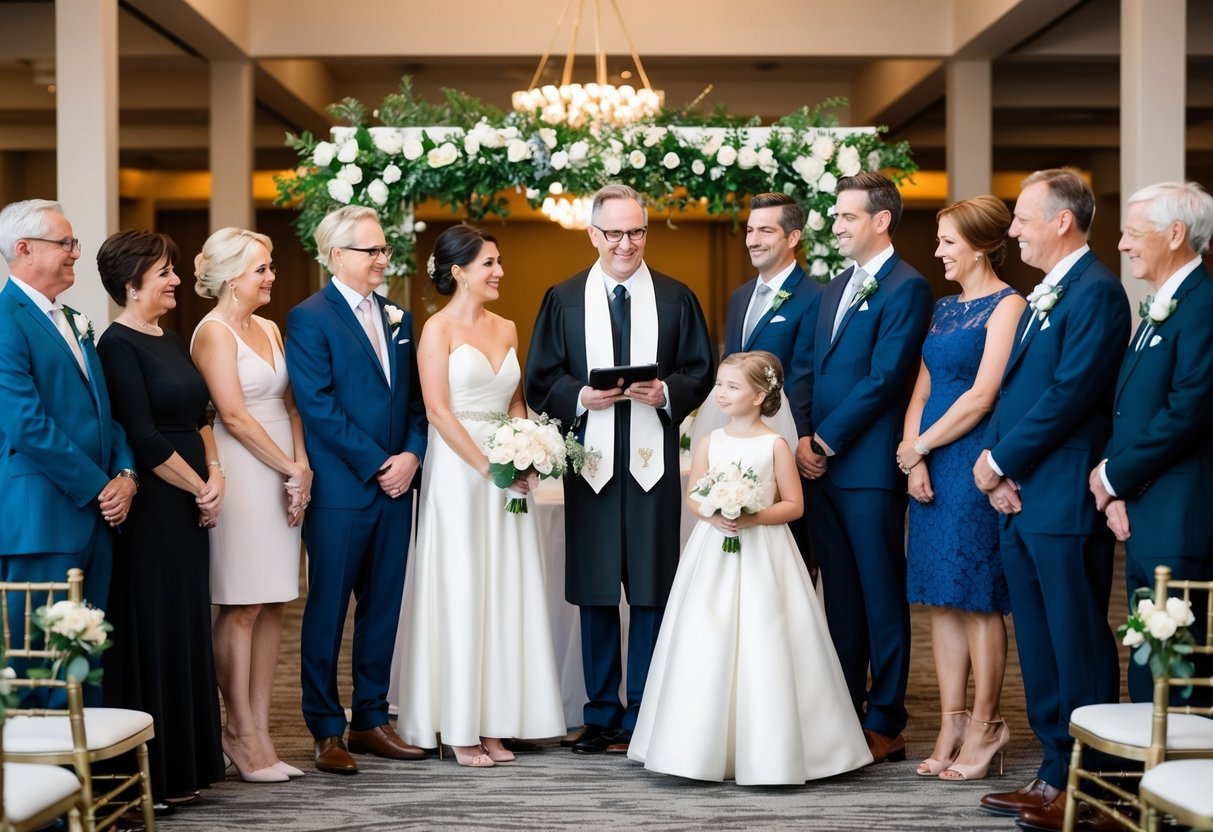
Understanding who needs to be there can help ease any uncertainties. You’ll want your closest friends and family members involved in the ceremony to be part of this important event. They can practice their movements and roles, making the actual ceremony smoother and more enjoyable for everyone.
Attending the rehearsal is also a great chance for everyone to bond. It’s often the first time the wedding party gathers together as a group. This connection can set a positive tone for the wedding weekend.
Roles and Responsibilities
At a wedding rehearsal, various key participants have specific roles and responsibilities. Understanding these will help ensure that everything runs smoothly on the big day.
The Wedding Party
Your wedding party plays a crucial role in your ceremony. This includes the bride, groom, best man, bridesmaids, flower girls, and ring bearers.
During the rehearsal, everyone gets to practice their entrances and positions. This is important for avoiding confusion on the wedding day.
The best man needs to be prepared to support the groom, while bridesmaids should get to know each other to ease any awkwardness. Flower girls and ring bearers may need extra guidance, as they often are the youngest members.
Having fun during this practice can also build a sense of community and connection among your wedding party.
Immediate Family Members
Your immediate family members should also attend the rehearsal. This includes parents, grandparents, and sometimes even close friends.
Their presence is necessary for important roles, such as walking down the aisle. Make sure they know where to stand and what to do during the ceremony.
For example, the parents of the bride usually walk her down the aisle. Knowing these details ahead of time helps ease any nerves and create a smooth experience on your wedding day.
Encouraging family members to attend can also strengthen relationships and ensure everyone feels involved in your special day.
The Officiant
The officiant is key to your wedding rehearsal. They lead the ceremony and ensure everything runs according to plan.
During the rehearsal, you’ll need to meet with the officiant to go over the order of the ceremony. This includes vows, readings, and music cues.
Be sure to ask any questions you have. The officiant can provide tips on how to stay calm and collected during the event.
Having a detailed plan and knowing your officiant can make a big difference in how smoothly the ceremony goes.
The Rehearsal Run-Through
The rehearsal run-through is a vital part of your wedding planning. It helps everyone understand their roles and ensures that the ceremony goes smoothly on your big day. Here’s what you can expect.
Ceremony Processional
During the processional, everyone walks down the aisle. This part is key, as it sets the mood for the ceremony. You’ll want to decide who walks in first and in what order.
Typically, you start with the bridal party followed by the bride. Don’t forget to choose your musical cues. The right song can enhance the moment.
Practice timing as you walk. Stepping to the beat of the music can create a beautiful, coordinated entrance. Make sure everyone knows when to begin so there are no awkward pauses.
Practice of the Ceremony
Next, it’s time for the actual ceremony practice. This includes your vows, readings, and any rituals you have planned. Walk through each segment step by step.
Assign specific roles to your wedding party, officiant, and any other participants. Make sure they understand their lines and actions during the ceremony.
Taking the time to rehearse these parts can help ease nerves for everyone involved. Familiarity leads to confidence, allowing you to be present during your special moment.
Ceremony Recessional
Finally, practice the recessional. This is when the newlyweds exit the ceremony followed by the wedding party. It’s usually a joyful and lively moment.
Choose a fun song that matches the mood you want as everyone walks back down the aisle. Again, timing is important. Make sure everyone knows when to exit and in what order.
Encourage your party to enjoy the moment. Smiles, laughter, and celebration should fill the space as you begin your new journey together.
Wedding Rehearsal Logistics
Planning your wedding rehearsal involves several important steps. You’ll need to choose a location, set a clear schedule, and coordinate who will be attending. Each of these elements ensures everyone is prepared for the big day.
Choosing the Location
Start by selecting the ceremony site for your rehearsal. This is often the same as your ceremony venue, which makes it easier for everyone to visualize the flow of the event.
Make sure the location has enough space for your guest list and any special elements, like an altar or seating.
If many of your guests are out-of-town, consider a spot that’s convenient for them. Also, check if you need to book the rehearsal space in advance to avoid any last-minute surprises.
Setting the Schedule
Setting a clear schedule is crucial for a smooth rehearsal. Pick a date and time that works best for you and the key people involved, like your wedding planner and wedding coordinator.
Most rehearsals last about an hour. For example, if your rehearsal starts at 6 PM, aim to finish by 7 PM.
Be mindful of guests arriving, especially if they need time to freshen up before dinner. Communicate the schedule clearly so everyone knows when and where to be.
Coordinating the Attendees
You need to coordinate who needs to be at the rehearsal. Key attendees usually include the couple, the wedding party, parents, and the officiant.
Create a simple invitation list focused on those who play a significant role on the wedding day.
You might also want to discuss the rehearsal details with your wedding planner to ensure everyone is informed.
Using a group chat or a shared calendar can help keep everyone on the same page.