
Who Normally Signs the Register at a Wedding? Understanding the Key Roles Involved
At a wedding, signing the register is an important step in making your marriage official. Typically, the couple and two witnesses sign the register at the end of the ceremony. This act not only confirms your union but also involves individuals who are special to you, making the moment memorable.
Choosing the right witnesses can add a personal touch to your day. You might consider family members or close friends who support your journey together. Their signatures will be part of your wedding certificate, serving as a lasting reminder of your special day.
Understanding who signs the register can help you plan better for your ceremony. It ensures that you select the people who mean the most to you and helps make the event even more meaningful.
The Role of Witnesses in Wedding Ceremonies
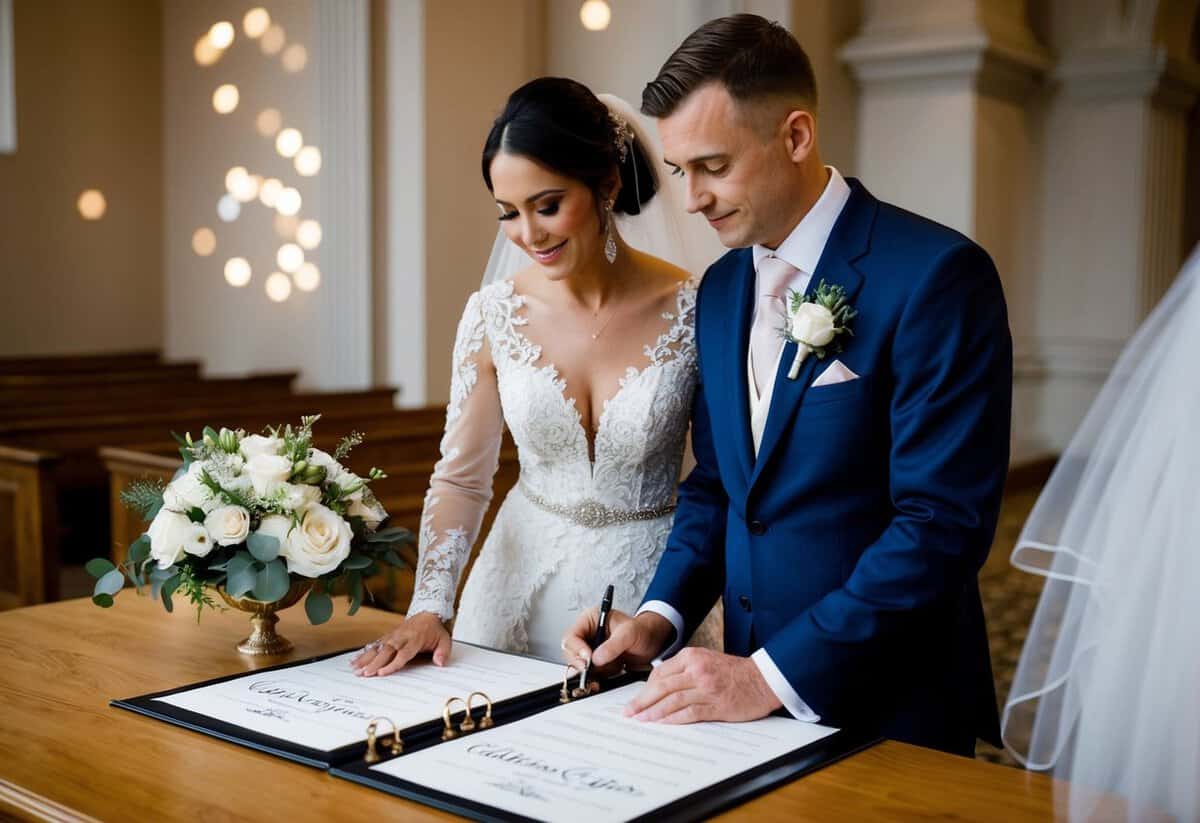
Witnesses are essential in wedding ceremonies. They help make the marriage official by signing the marriage register. Their presence is not only a tradition but also a legal requirement in many places.
Legal Significance of Wedding Witnesses
Having witnesses at your wedding is not just a formality. Most jurisdictions require at least two witnesses for a marriage to be legally binding. These witnesses confirm that both parties are entering the marriage willingly and understand the commitment they are making.
When your witnesses sign the marriage register, they validate the ceremony. This action guarantees that all legal aspects of the marriage are fulfilled. If there are ever questions about the marriage, having witnesses can provide legal proof that the event took place.
Typical Witnesses at a Wedding
Typically, you can choose anyone to be your wedding witnesses, as long as they meet the legal requirements. Many couples select close friends or family members to fulfill this role. Sometimes, you might also ask siblings or relatives.
It’s important to note that witnesses must be of legal age, which can vary by location. In some places, at least one of the witnesses should not be related to either party. This can add an extra layer of validation to your ceremony.
Key Participants in Signing the Marriage Register
The signing of the marriage register is an important part of the wedding ceremony. Several key participants play specific roles that ensure this process goes smoothly and is legally binding.
Bride and Groom’s Part in the Signing
As the couple getting married, you and your partner are the main signers of the marriage register. This usually happens after the vows are exchanged. You will need to provide your signatures along with your full names and the date of the ceremony.
Your signatures on the marriage register confirm your agreement to be legally recognized as spouses. Depending on the country or region you are in, you may also receive a marriage certificate after this signing. By taking this step, you further solidify the commitment you’ve made to each other.
Responsibilities of the Maid of Honour and Best Man
The maid of honour and best man have important roles during the signing of the marriage register. They act as witnesses to the marriage, which is a legal requirement in many places. This means that they will also need to sign the register.
As witnesses, they will verify that they saw you and your partner sign the register. It’s important for them to fill in their names, addresses, and signatures accurately. This ensures that the marriage is recognized officially, and it helps prevent any legal issues later on.
Celebrant’s Role During the Signing
The celebrant, whether a religious official or a civil registrar, guides the ceremony, including the signing of the marriage register. They will provide instructions on when and where the signing takes place.
During this time, the celebrant will ensure that all legal requirements are met. This involves checking that you have the necessary documents and that the witnesses are present. After you and your witnesses have signed, the celebrant will finalize the register and provide you with the marriage certificate. This document is crucial, as it officially proves your marriage.
The Significance of the Marriage Certificate
The marriage certificate is more than just a document. It serves as both a keepsake of your special day and an important legal proof of your marriage. Understanding its role can help you appreciate its value fully.
After the Ceremony: Issuing the Certificate
After your wedding, the marriage certificate is issued as a legal document. This certificate confirms that you are officially married. It typically includes details like your names, the date of the ceremony, and where it took place.
You usually receive this official certificate after the wedding officiant sends the signed documents to the local registry office. Depending on your location, processing times can vary. It’s wise to request multiple copies, as you might need them for legal matters—like updating your name on identification or applying for spousal benefits.
Keepsakes and Legal Proof
Your marriage certificate is not just a legal formality; it’s a meaningful keepsake. Many couples choose to display it in their homes or store it safely as a reminder of their commitment.
In addition to its sentimental value, the certificate serves as your official proof of marriage. You can use it for various purposes, like changing your name or filing taxes together. Additionally, it might be required for certain legal or financial transactions. Keeping it in a safe place ensures that you can easily access it when needed.
Special Considerations for Various Wedding Types
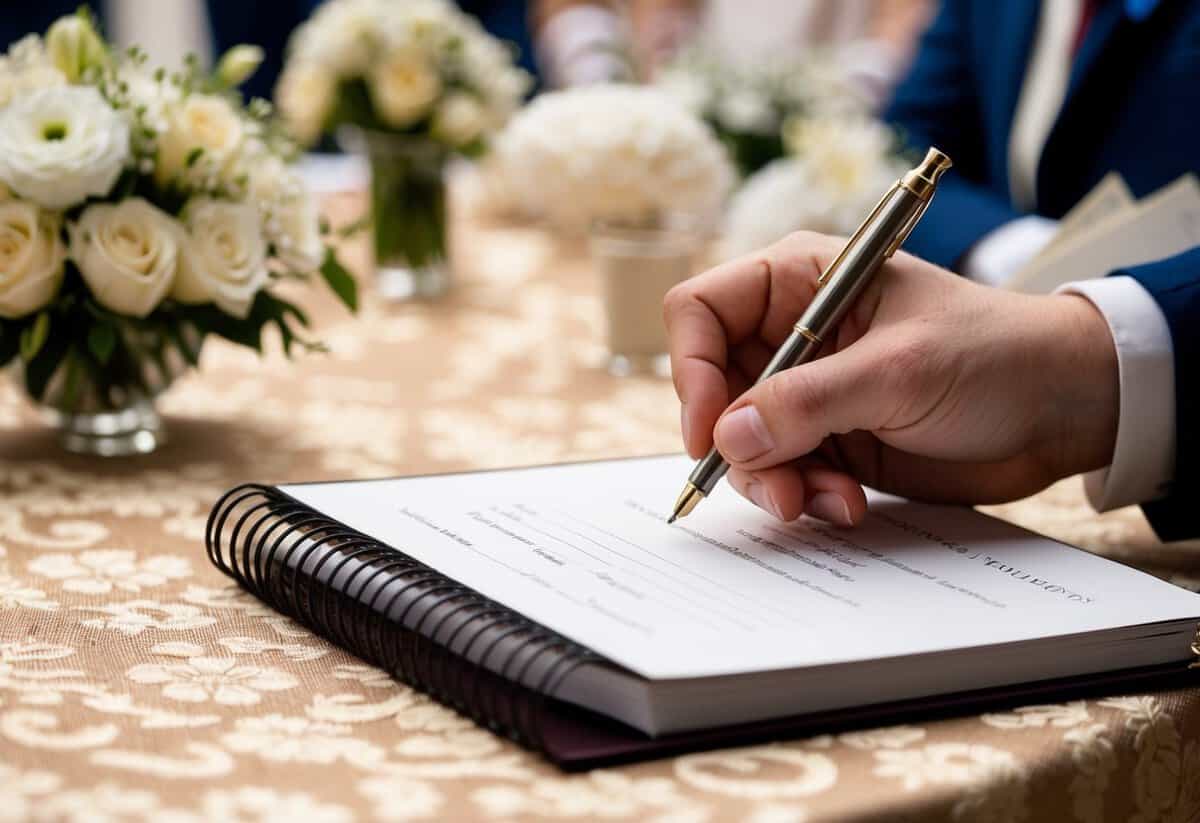
Different types of weddings have unique needs when it comes to signing the register. Understanding these differences can help you plan the best way to celebrate your love.
Eloping and Witnesses
If you decide to elope, you may wonder who can sign as witnesses. In many places, you need at least one legal witness to complete the marriage register. If you don’t have anyone with you, some places offer independent witnesses. These are usually designated individuals who can step in and help.
Make sure to check the regulations in your area regarding elopements. Some locations may require a minimum number of witnesses or have specific guidelines. Finally, remember to coordinate with your officiant to ensure a smooth signing process.
Grandparents and Other Special Guests as Witnesses
Including special guests, like grandparents, as witnesses can make your wedding more meaningful. Grandparents often bring wisdom and love, making them perfect choices.
Before choosing them, consider their comfort and ability to travel. Some older guests might have difficulty attending, especially if it’s a destination wedding.
If you do decide on a grandparent, ensure they understand their role in the ceremony.
Having other family members as witnesses can also be a great way to honor them. It’s important to discuss this with your officiant to fulfill any legal requirements in your area.