
Who Normally Signs the Register at a Wedding? Understanding the Role of Witnesses
At a wedding, the signing of the register is a key moment that marks the official union of the couple. The bride and groom, along with two witnesses, typically sign the marriage register. This small but significant act takes place right after the vows are exchanged, sealing the commitment in front of those you love.
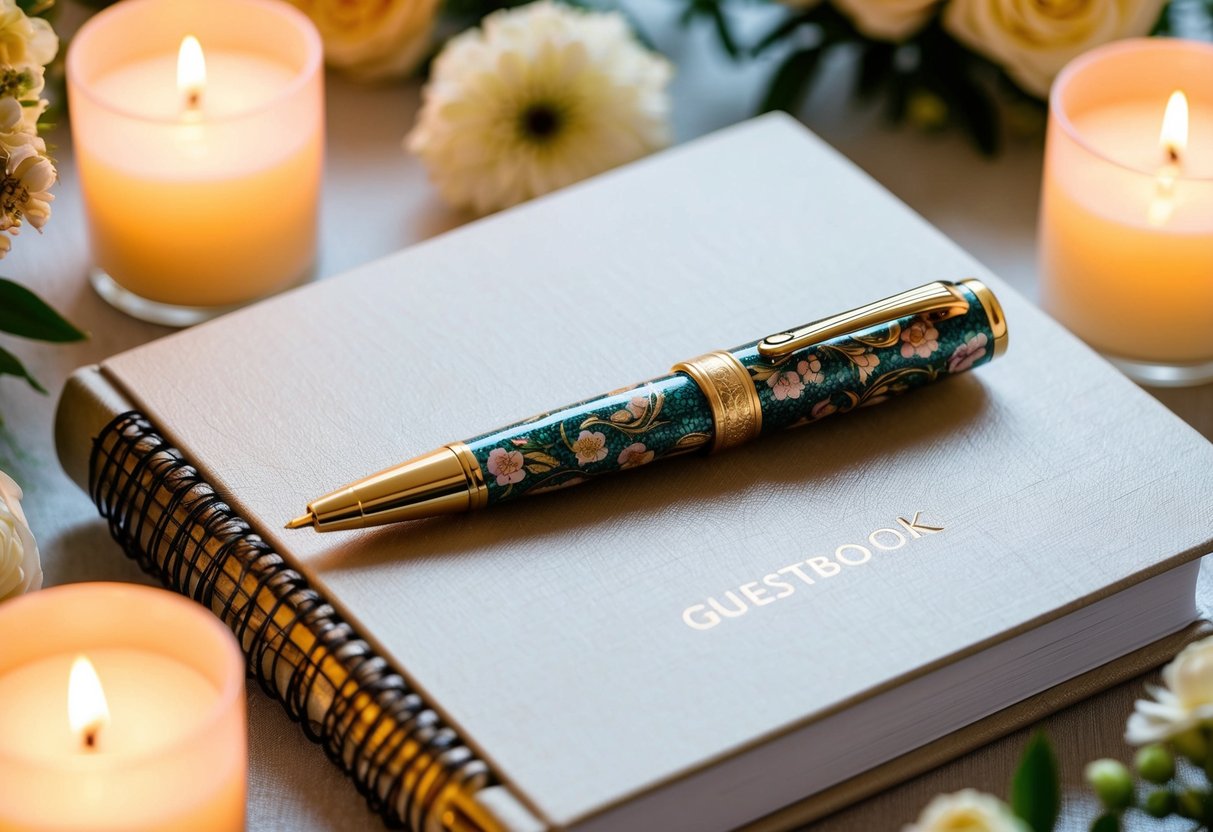
Choosing your witnesses is an important part of the planning process. They should be individuals who support your relationship and share in your joy. These could be close friends, family members, or anyone who means a lot to you both.
Understanding who signs the register can help you prepare for your big day. Knowing the ins and outs of this process ensures that you won’t overlook this essential part of your wedding ceremony.
Roles in the Wedding Ceremony
Understanding the key roles in the wedding ceremony can help you feel more prepared for your big day. Each person has unique responsibilities that contribute to the success of the event.
The Role of the Celebrant
The celebrant plays a crucial part in your wedding ceremony. This person leads the event and ensures everything runs smoothly. They introduce the ceremony, guide you through the vows, and pronounce you married.
Choosing the right celebrant is important for personalizing your ceremony. They can share stories about you as a couple or incorporate special traditions. Make sure to have discussions with your celebrant ahead of time. This allows you to align on details and create a ceremony that truly reflects your relationship.
Duties of the Best Man and Maid of Honour
The best man and maid of honour have specific duties that can ease your wedding day stress. The best man is responsible for keeping the groom calm. He also organizes the groomsmen and helps with tasks like getting the rings.
On the other hand, the maid of honour supports the bride. She assists with the dress, manages the bridal party, and helps keep you organized. Both roles are vital for a smooth day, so it’s best to communicate clearly about expectations.
Photographer’s Part in the Ceremony
The photographer captures all the special moments during your wedding ceremony. Their job isn’t just about taking pictures; it’s about telling the story of your day.
Before the ceremony, discuss your vision with the photographer. Share any must-have shots or people you want to be included. During the ceremony, they work discreetly to document the emotions and details of the day. Their images will serve as lasting memories for you and your loved ones.
Involvement of the Bridal Party
The bridal party consists of close friends and family who support you on your big day. They participate in the ceremony and often help with pre-wedding events, like planning the bridal shower.
Each member has specific roles, from walking down the aisle to standing by your side during the vows. The bridal party adds to the joy and excitement of the day. Keep them informed about their responsibilities, and make sure they feel included in the planning process. This will enhance the overall experience for everyone involved.
The Significance of the Marriage Register
The marriage register is an important part of the wedding ceremony. It serves as a legal document that proves the marriage took place. Understanding the details surrounding this register can help you appreciate its significance and prepare for the signing process.
Understanding the Marriage Register
The marriage register is a formal document that records details about your marriage. It usually includes the names of the bride and groom, the date, and the location of the wedding.
In many countries, this document has shifted online, replacing the traditional paper register. Couples now sign a document known as the marriage schedule, which is later entered into a digital system. This change helps streamline the registration process while maintaining the document’s importance in legal matters.
Legal Requirements for Signatures
Signing the register is a legal requirement in most places. It confirms that the marriage has officially taken place. You, as the couple, along with your witnesses, must sign the register to make the marriage valid.
Additionally, each signature must be written clearly. The officiant guiding the ceremony ensures that this part is completed properly. The signatures collected will be used to issue marriage certificates, which are essential for legal purposes like name changes or filing taxes.
Preparing the Signing Table
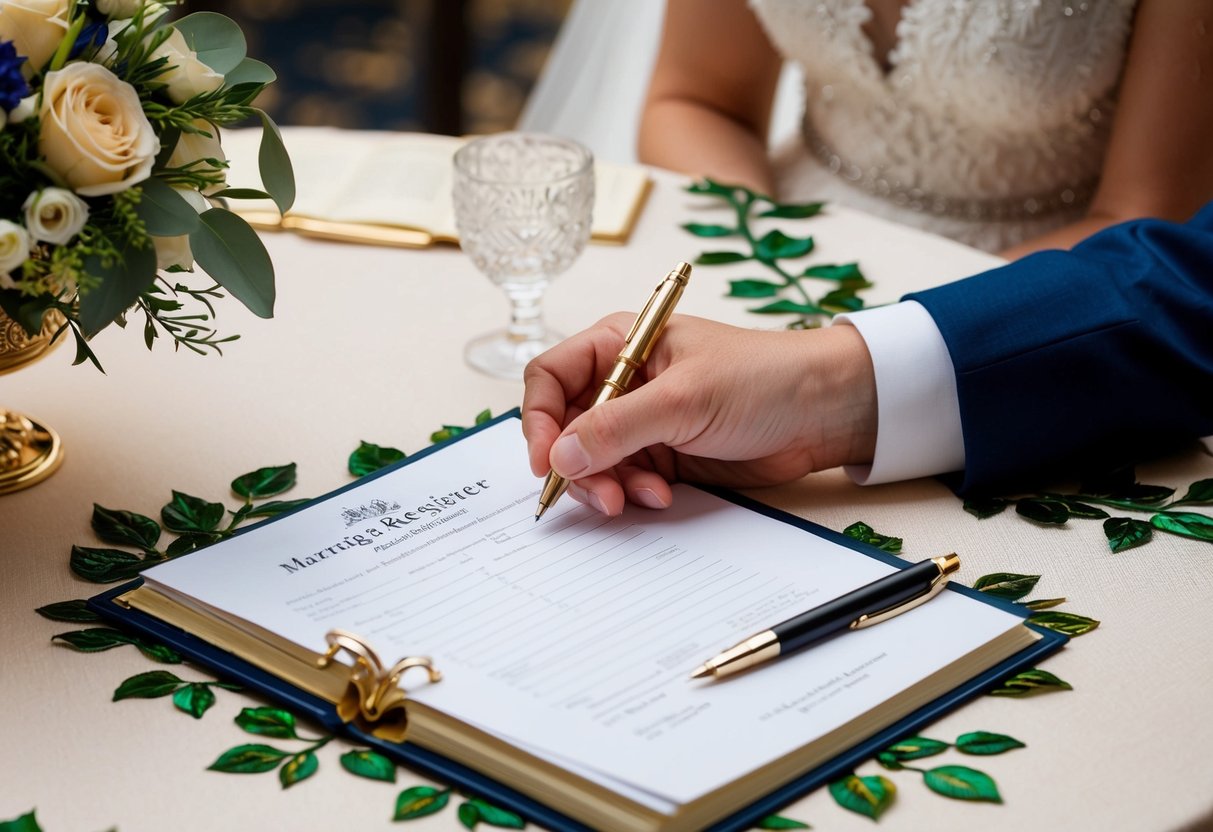
The signing table is where the important moment takes place. You should prepare this area ahead of time to make the ceremony flow smoothly. It should be set up with a clean tablecloth, pens, and any necessary forms.
It’s also a good idea to have your witnesses nearby so they can sign easily. The officiant will guide you through the signing process, making it a memorable part of your wedding day. A well-prepared signing table adds to the overall experience of your ceremony, creating a nice spot for capturing the moment in photos.
Witnesses and Their Responsibilities
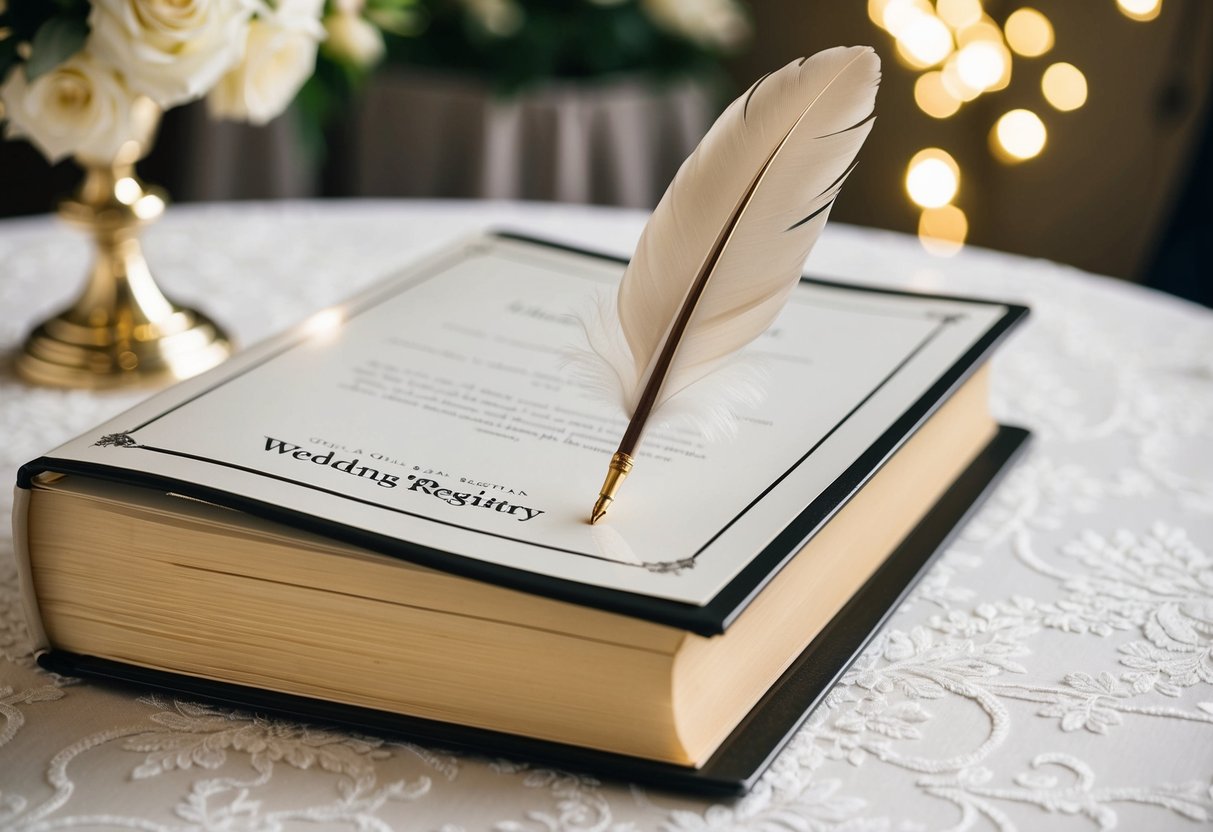
Witnesses play an essential role in your wedding ceremony. They not only sign the marriage register but also help ensure that the event is legally recognized. Understanding their responsibilities can help you choose the right individuals for this important task.
Selecting the Right Witnesses
Choosing witnesses for your wedding is a significant decision. You typically need at least two witnesses, but some places may require more.
Consider individuals who are close to you and your partner. They should be trustworthy and supportive. Common choices include friends, siblings, or parents.
In some cases, you might want to include independent witnesses, like close family friends, who can objectively witness your vows. Just ensure they are of legal age, as most jurisdictions require witnesses to be at least 18 years old.
Official Witness Requirements
Official witnesses are crucial for the legal aspect of your marriage. They are responsible for signing the marriage certificate, making your union legally binding.
Most official witnesses cannot be members of your immediate family or the officiant. Typically, a couple can ask friends or distant relatives to fill this role.
Check with your local laws. Some regions might have specific rules about who can serve as a wedding witness. Be sure to follow these requirements so your marriage is valid and recognized.
Role of Grandparents and Independent Witnesses
Grandparents often hold a special place at weddings. If they are willing, they can serve as witnesses. Their presence adds sentimental value to the ceremony and honors family traditions.
Independent witnesses are another option. These individuals are not related to either you or your partner. They are often friends or colleagues and can add a fresh perspective.
Having a mix of family and independent witnesses can be a lovely touch, highlighting the communal spirit of your wedding day. Just ensure all witnesses fully understand their role in signing the marriage certificate after the ceremony.
Elopements and Alternative Ceremonies
Elopements and alternative ceremonies offer flexible options for couples who want to marry without the traditional aspects of a wedding. They can simplify the process and focus on what truly matters: your love for each other.
Understanding Elopements
Many couples choose elopements as a way to celebrate their marriage privately. An elopement usually involves just the couple, without guests. This can make for a special and intimate experience.
You can plan an elopement almost anywhere, from a picturesque beach to a cozy cabin in the woods. The beauty of this option is that it’s entirely up to you.
Elopements often require fewer forms and less planning. Many states do not require witnesses for certain types of ceremonies, allowing for even more simplicity. You might just need your marriage license and a location to exchange your vows.
Conducting a Wedding Without Witnesses
Some couples might decide to have a wedding without witnesses. This can happen during an elopement or a simple civil ceremony. In many areas, you can still get married legally without anyone present.
Check your local laws to see if witnesses are needed for your marriage license. If not, you can make your ceremony truly personal and straightforward.
When you go this route, consider exchanging vows privately. This makes your moment even more special.
You may want to document your day with photos, creating a memory that captures your unique bond.
By focusing on each other instead of logistics, you can enjoy a heartfelt ceremony that’s just yours.