
Who Pays for a Wedding Dress? Understanding Bridal Costs and Traditions
Planning a wedding involves a lot of choices, and one of the biggest questions often asked is about the wedding dress. Traditionally, the bride’s family covers the cost of the wedding dress, but modern practices can vary widely. Understanding who pays for the wedding dress can help shape your wedding budget and avoid any misunderstandings.
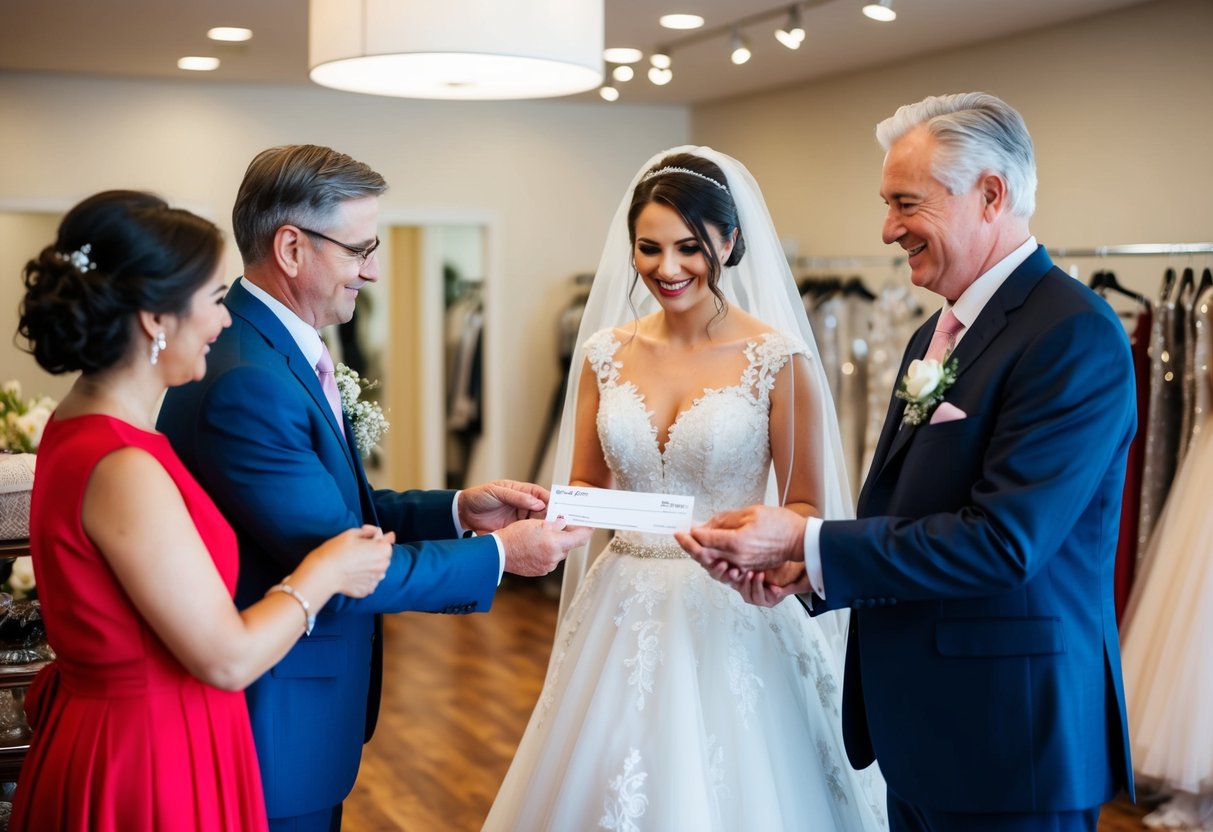
As you dive into the details of wedding planning, you’ll find that costs can quickly add up. From the dress itself to accessories and alterations, it’s essential to know what to expect financially. Different families may have their own traditions and preferences, which can impact who pays for what.
No matter your situation, keeping open communication with your partner and families about the wedding budget can make the process smoother and more enjoyable.
Cultural and Traditional Considerations
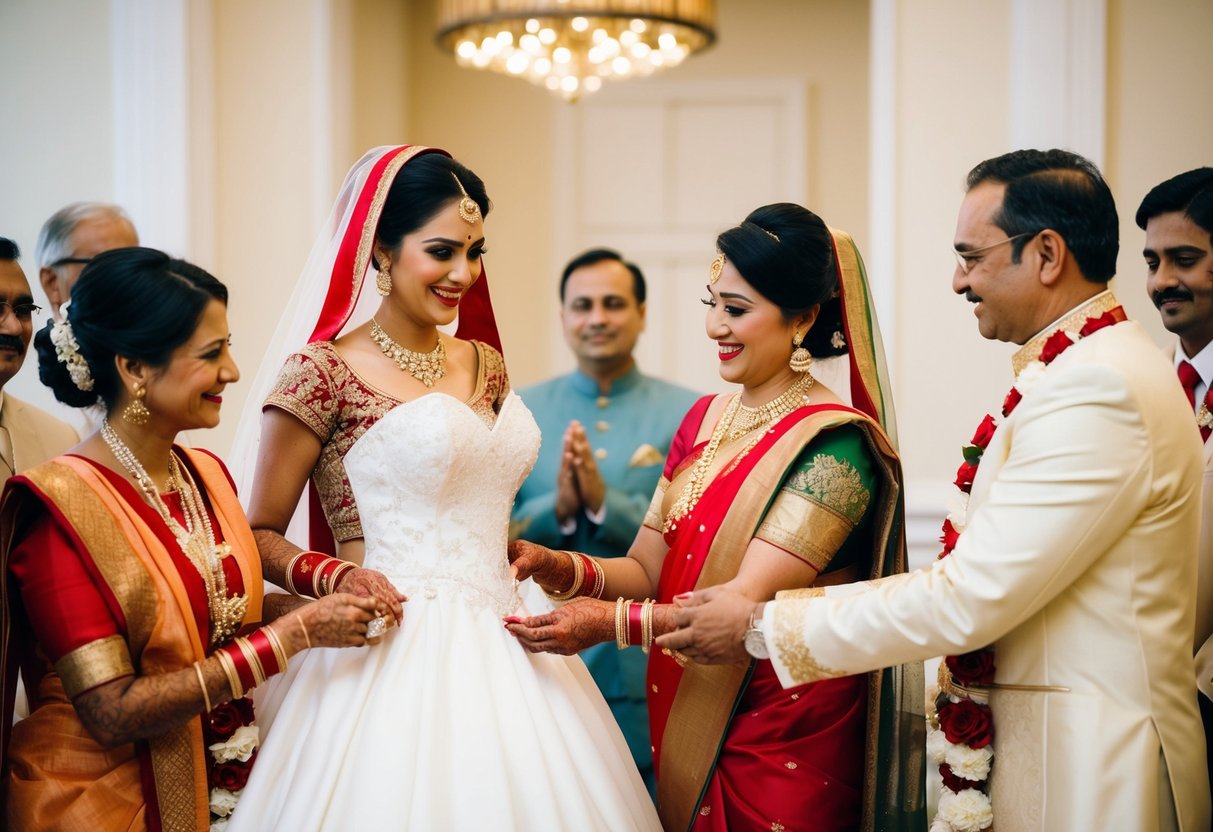
When it comes to who pays for a wedding dress, cultural traditions and family roles play important parts. Understanding these responsibilities can help you navigate the planning process smoothly and maintain harmony with both families.
Bride’s Family Responsibilities
Traditionally, the bride’s family has the main responsibility for covering the cost of the wedding dress. This includes selecting a dress that aligns with their cultural values and the couple’s preferences.
Many families feel honored to contribute to this special part of the wedding. In some cultures, the bride’s parents may also cover other expenses, like the bridal party attire, accessories, and alterations.
Discussing expectations early on can ensure everyone is on the same page. This can help reduce financial stress and make the planning experience more enjoyable for everyone involved.
Groom’s Family Contributions
In certain cultures, the groom’s family may also take on some expenses related to the wedding dress and accessories. While it’s not as common, some couples find this support meaningful.
For instance, the groom’s family might contribute to additional items like shoes, jewelry, or even engage in a joint family gift for the bride. This sense of shared responsibility can strengthen family ties.
Open communication is key here. Discussing financial roles with both families can provide clarity and reinforce family connections as you prepare for your special day.
Breaking Down the Wedding Budget
When planning your wedding, knowing how to allocate funds for different expenses is crucial. Understanding how much to spend on your wedding attire and other wedding-related costs can help you stay within your budget and avoid surprises.
Allocating Funds for Attire
Deciding what percentage of your wedding budget goes to attire is essential. A common rule is to allocate about 10-15% of your budget for the wedding dress, groom’s attire, and bridesmaid dresses.
For example, you can set aside:
- Wedding dress: 8-10%
- Groom’s attire: 2-5%
- Bridesmaid dresses and accessories: 2-3%
When shopping for your dress, remember that you have options. You can choose a designer gown, a boutique dress, or even a second-hand option to save money. Don’t forget to budget for alterations, shoes, and any necessary accessories like veils or jewelry, which can add up quickly.
Other Wedding Expenses
Besides attire, there are many other important costs to consider in your wedding budget. Here are some main categories:
- Venue fees: Often the largest expense.
- Catering: Food and drinks for your guests.
- Decorations: Flowers, centerpieces, and venue decor.
- Photography and videography: Capturing your special day.
- Entertainment: DJ or live music for the reception.
Make sure to list all your planned expenses and estimate costs accurately. This will help you ensure that you have enough funds for your wedding dress and every other detail, making your big day memorable without the financial stress.
Pre-Wedding and Post-Wedding Events
When planning your wedding, consider the special events that occur before and after the big day. These gatherings are important for celebrating with family and friends while also accommodating various costs, often shared among different groups.
Engagement Party and Bridal Shower
An engagement party is a wonderful way to kick off celebrations. It’s often hosted by the bride’s family or close friends. Costs can include venue, food, and drinks. Traditionally, the host covers most of the expenses.
The bridal shower is another key event usually organized by the bridal party. This celebration often involves games, gifts, and food. Guests typically bring gifts for the bride, contributing to the shower’s festive atmosphere. It’s common for the maid of honor and bridesmaids to handle planning and costs, making it an enjoyable experience for everyone involved.
Rehearsal Dinner and Honeymoon
The rehearsal dinner typically takes place the evening before the wedding. It involves the wedding party and close family. This meal is often funded by the groom’s family, although couples can share costs.
After the wedding, you might want to plan a honeymoon. This trip can be a joyful time for you as newlyweds. Costs may vary widely based on your destination and plans, so it’s important to budget. Some couples also receive wedding party gifts as a thank you for the support given during the wedding process, further enriching the experience.
Practical Tips for Wedding Planning

Planning a wedding can feel overwhelming, but focusing on key tasks makes it easier. You want to create a memorable day while managing your budget. Below are helpful tips for working with a wedding planner and handling invitations and gifts.
Working with a Wedding Planner
Hiring a wedding planner can relieve stress. Make sure to choose someone who understands your vision and budget. Start by discussing important details like your desired date and venue.
Ask about their experience with your type of wedding. This will help ensure they can meet your needs.
Once you hire a planner, create a communication plan. Regular updates will keep everyone on the same page. Trust their expertise in setting up meetings, finding vendors, and keeping track of expenses.
Managing Wedding Invitations and Gifts
Invitations set the tone for your wedding. Choose designs that reflect your style. Make sure they confirm essential details, like the date, location, and RSVP information.
To manage guests, create a list. Include contact details and jot down their responses.
Don’t forget about wedding party gifts! Think about meaningful items that show your appreciation. Personalized gifts or experiences can make great choices.
For wedding bands, shop early. Research styles and prices to find something that fits your taste and budget. Remember, this is a long-term investment!