
Who Pays for Bride’s Second Wedding? Understanding Costs and Traditions
Planning a second wedding can be exciting, but it comes with its own set of questions and etiquette.
When it comes to who pays for a bride’s second wedding, couples typically cover most or all of the expenses themselves. Many find that their financial situation is different in second marriages, allowing them to take charge of their wedding budget.
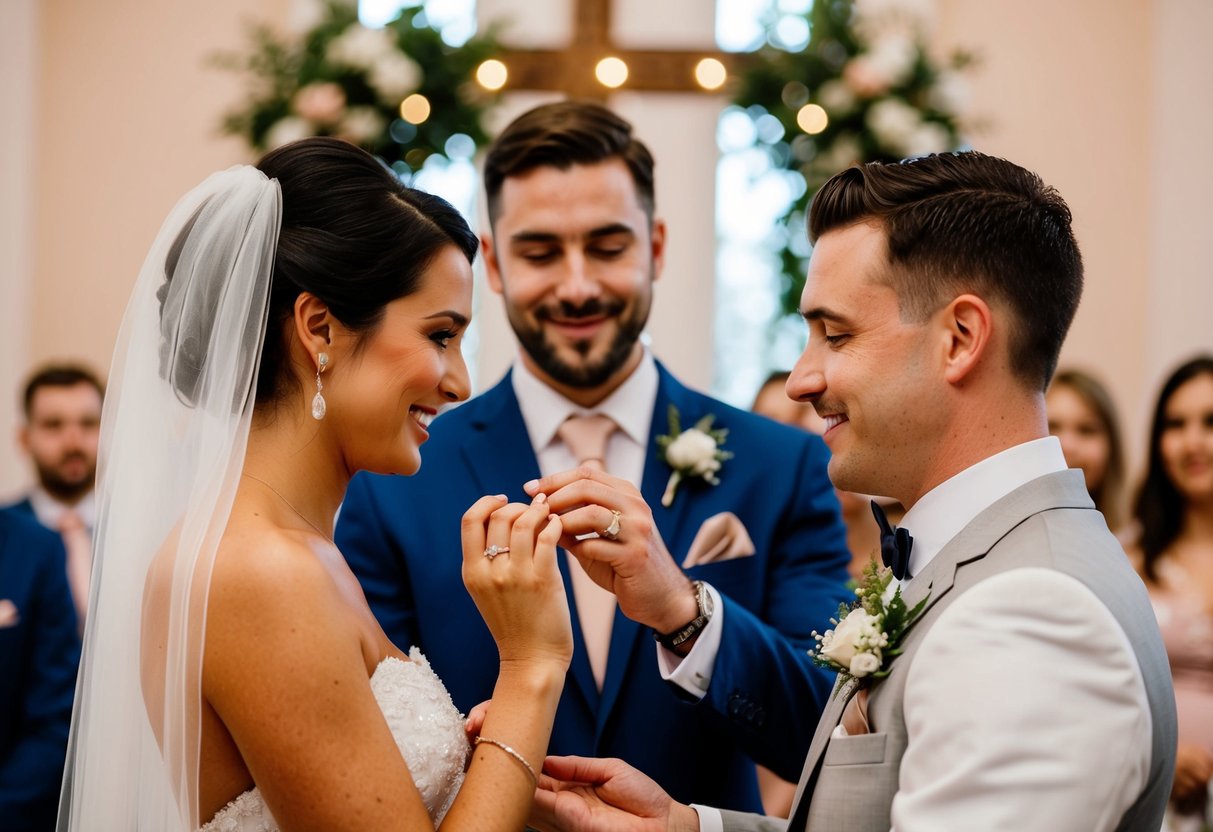
Unlike the traditional first wedding, where families often contribute significantly, the dynamic changes for a second marriage. Family members may be less expected to help out financially, leading many couples to split the costs between themselves. This shift can reduce stress and give you more control over your wedding planning choices.
Understanding the etiquette surrounding second weddings is key to navigating this exciting chapter. You can celebrate your love uniquely, honoring your past while looking forward to your future together. Knowing who pays for what can help you plan a beautiful celebration that feels just right for you and your partner.
Understanding Second Wedding Etiquette
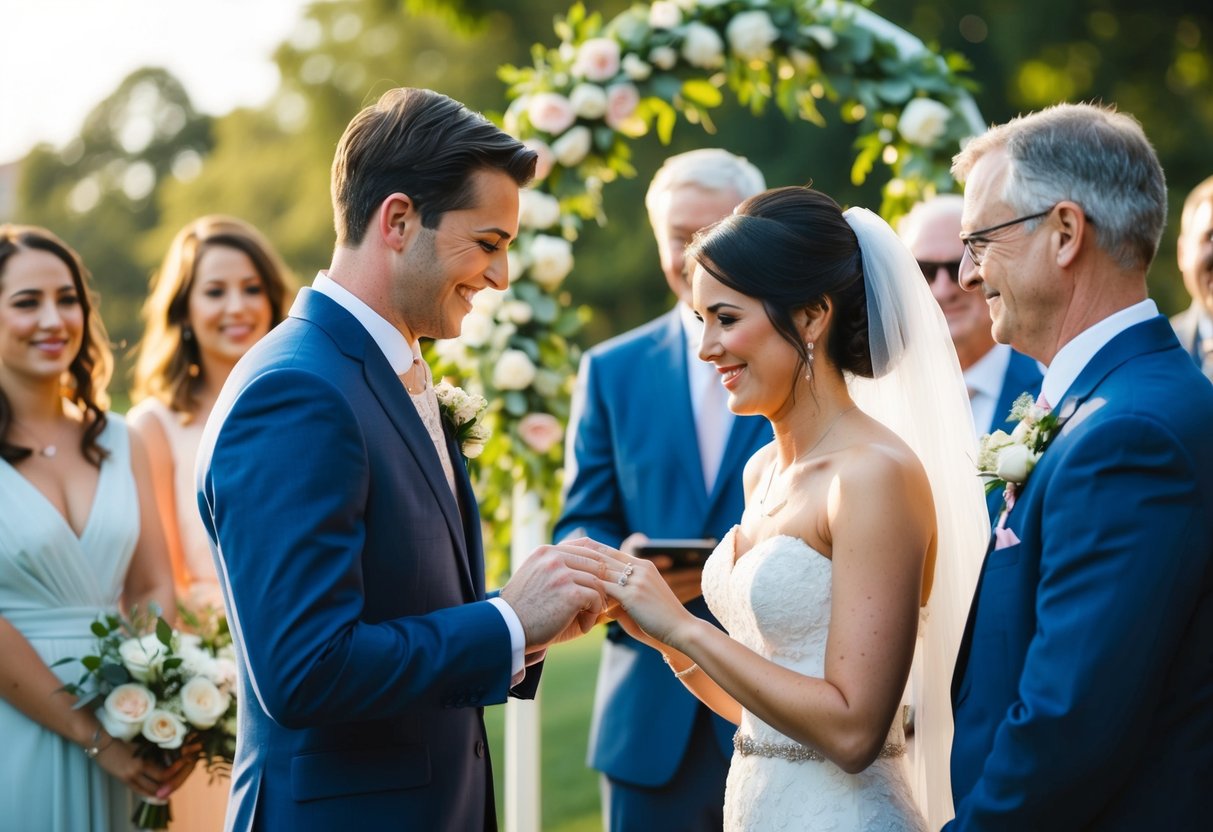
Navigating the financial responsibilities of a second wedding can feel different from the first. You may find that expectations change with a second marriage, especially regarding who pays for the event. Understanding these shifts can help you plan your special day with ease.
Who Typically Pays for the Wedding?
In a second wedding, couples typically split the cost themselves. Many second-time brides and grooms are older and often more financially stable than they were during their first marriage.
Traditionally, families played a larger role in financing weddings, especially for first-time brides. However, with second marriages, you shouldn’t expect your family, like the bride’s family, to cover all expenses. They may still want to contribute, but it’s no longer a given.
Evolving Traditions in Second Marriages
Wedding etiquette has evolved when it comes to second marriages. Unlike the past, where the bride’s family often paid for many expenses, current trends show that couples usually take on most of the financial responsibility.
While it’s nice if parents or relatives offer assistance, it’s wise to plan for a wedding budget that doesn’t rely heavily on family contributions. Being open about costs with your partner and families can help set clear expectations.
Adjusting to these new norms can make planning smoother and more enjoyable for everyone involved.
Planning Your Wedding Budget
Creating a wedding budget is essential for your second wedding. Knowing who is responsible for the costs and how to allocate expenses can make the planning process smoother and more enjoyable.
Assessing Financial Responsibility
Start by discussing financial responsibilities with your partner. Think about your personal circumstances and whether you will cover costs together or involve family members.
Traditionally, the bride’s family pays for certain expenses, but this may differ for a second marriage. If both partners have been married before, it is common for the couple to share the costs.
For example, you might decide that you will pay for the venue, while your partner covers catering. Open communication is key to understanding each person’s budget limits and expectations.
Allocating Expenses
Making a list of all potential wedding expenses can help you stay organized. Common costs include the venue, catering, attire, decorations, and entertainment.
Here’s a simple table to help you visualize it:
| Expense | Estimated Cost |
|---|---|
| Venue | $3,000 |
| Catering | $2,500 |
| Attire | $1,000 |
| Decorations | $800 |
| Entertainment | $1,500 |
| Photography | $1,200 |
Once you have a rough estimate, prioritize each item based on your values. You may want to spend more on photography than on the flowers, for instance.
Being clear about what you want will help with budgeting as you move forward in your wedding planning journey.
Wedding Celebrations and Preparations
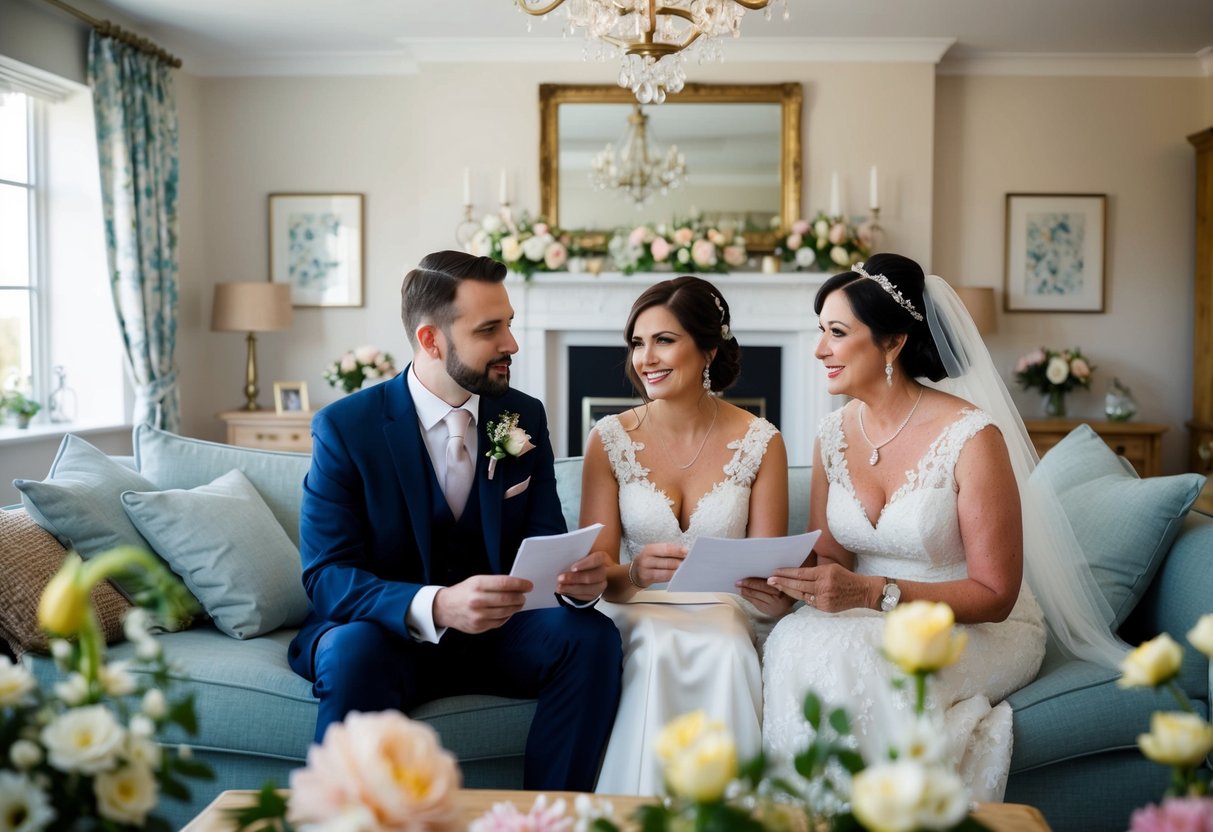
Planning your second wedding can feel exciting and different from your first. There are unique aspects to consider, especially when it comes to the ceremony and reception details and organizing your wedding party.
Ceremony and Reception Details
For your second wedding, you might want to focus on a more personal and meaningful ceremony. Choose a venue that reflects your style and is intimate enough for your closest friends and family. Consider unique themes or colors that resonate with you.
Your wedding reception can be more relaxed this time. Think about casual dining options like a buffet or food stations rather than a formal sit-down dinner. Incorporate fun elements like a photo booth or games to create a lively atmosphere.
Don’t forget about traditions. You can decide to include elements like a cake cutting, first dance, or toasts. If you’re planning a rehearsal dinner, keep it simple. This can serve as a nice way to bond with your wedding party before the big day.
Organizing the Wedding Party
Selecting your wedding party is another important step. You might want to keep it small and include only those who mean the most to you. This can be family members or close friends who provide support.
Communication is key when organizing your party. Let them know their roles, whether it’s helping with planning or being there on the day itself. You can also organize an engagement party or bridal shower to celebrate together.
If you feel overwhelmed, consider hiring a wedding planner to help manage details and logistics. They can offer valuable advice and ensure everything runs smoothly, allowing you to focus on enjoying your special day.
Tailoring the Guest Experience
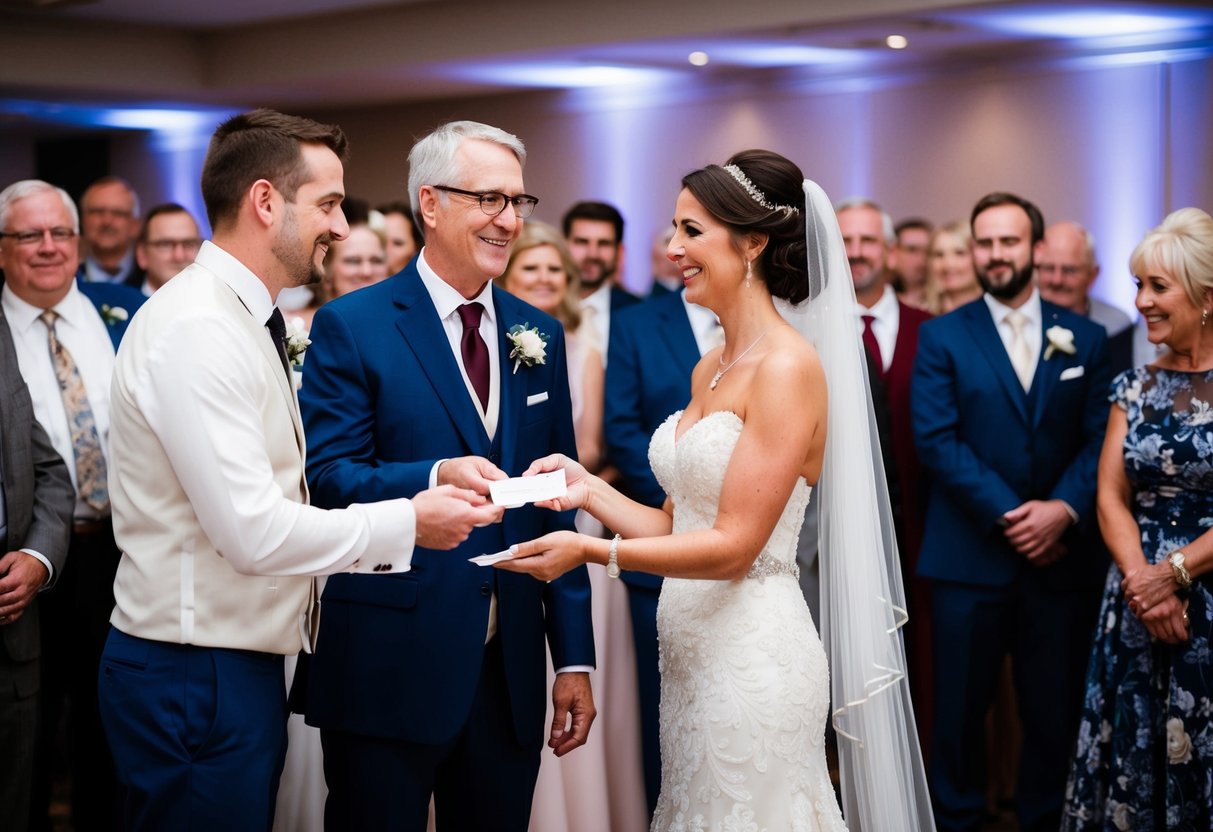
Crafting a wonderful experience for your guests is essential for a memorable second wedding. You can focus on the guest list and create meaningful touchpoints that make everyone feel special and included.
Managing the Guest List and Size
Start by creating a thoughtful wedding guest list. Consider who played an important role in your life during your first marriage and who has supported you now. This gathering can be intimate or larger, depending on your preferences.
Decide on a manageable guest count. This decision can help control costs while allowing for meaningful moments. If you’re on a budget, opt for close friends and family.
Alternatively, you can use a wedding registry to suggest gifts that reflect your new life together. Make it easier for guests by offering options that match your style.
Creating Memorable Touchpoints
Once you have your guest list, focus on creating memorable experiences. Think about personalized wedding favors that reflect your interests or journey together. Items like custom candles or photo frames are thoughtful keepsakes.
Consider the decor and floral arrangements. Simple yet elegant decorations can enhance your wedding’s ambiance. Centerpieces representing your story can engage guests and spark conversations.
Incorporate wedding traditions that are meaningful to you. Whether it’s a special toast or a particular song, these traditions can connect your past with your present. Paying attention to these details will help you create a warm atmosphere for everyone to enjoy.