
Who Pays for Daughters Wedding UK? Understanding Traditional and Modern Approaches
Planning a wedding can be both exciting and stressful, especially when it comes to finances. If you’re wondering who typically pays for a daughter’s wedding in the UK, it’s important to know that traditions can vary. Traditionally, the bride’s family has been responsible for covering the wedding costs, but many couples today are choosing to share these expenses.

With changing customs and modern perspectives, more couples are contributing financially to their own weddings. Many families now work together to create a budget that feels fair for everyone involved. This shift often leads to discussions about expectations and financial contributions, ensuring a smoother planning process.
Understanding the current trends in wedding planning can help you navigate the financial side of things. As you explore your options, you’ll discover how more people are embracing shared responsibilities, making weddings a special joint effort.
Understanding Wedding Traditions and Etiquette in the UK
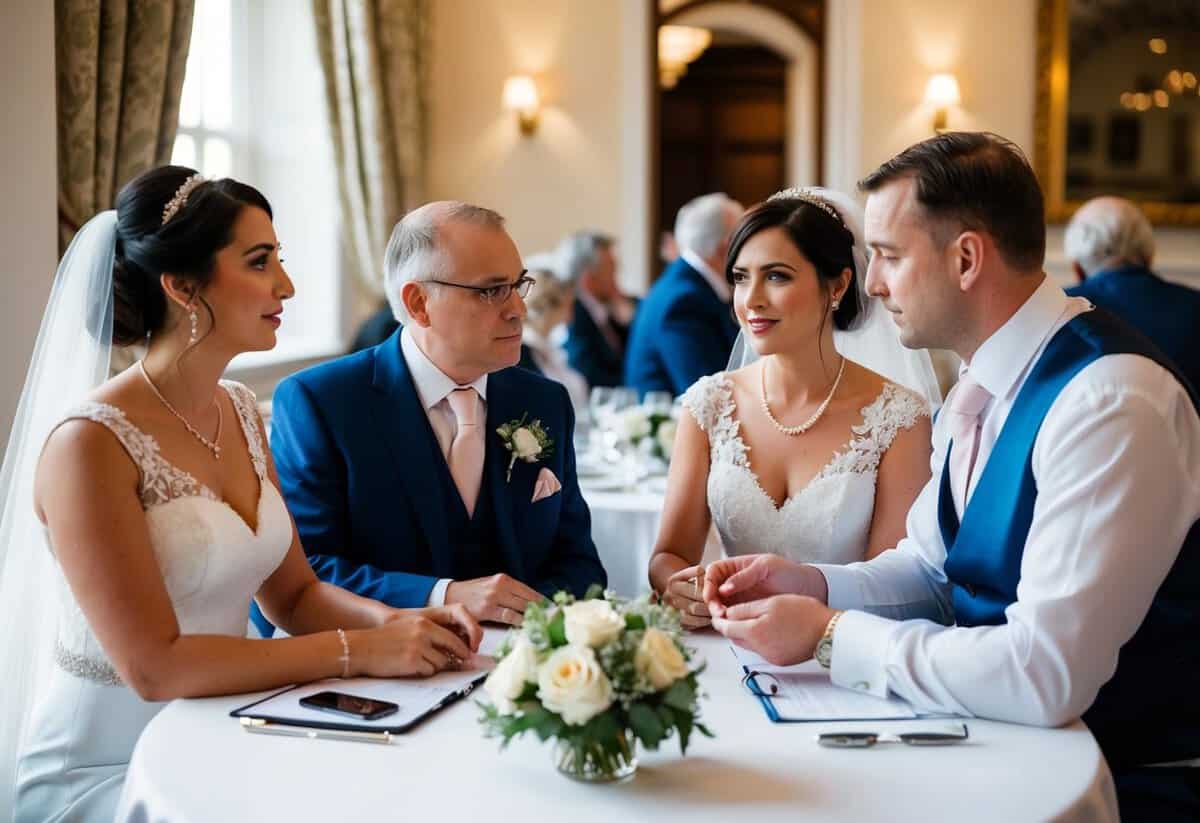
Wedding traditions in the UK have a rich history, particularly when it comes to who pays for the wedding. Knowing these customs can help you navigate the planning process with ease. This section explores the historical aspects and modern practices of wedding costs in the UK.
Historical Perspective on Wedding Costs
Traditionally, in the UK, the bride’s family often took on the majority of wedding expenses. This custom stems from historical views on marriage, where families wanted to demonstrate their ability to support a wedding. Common costs included the venue, catering, and flowers.
The groom’s family also contributed, primarily covering expenses like the rehearsal dinner and sometimes the honeymoon. This division created a balance in financial responsibility.
Over time, these norms have shifted, and families began to collaborate more on expenses. It’s important to consider your family’s customs and discuss contributions openly.
Modern Practices and Variations
Today, many couples in the UK take a different approach. Both families and the couple themselves often share financial responsibilities. Factors such as age, financial independence, and personal choices affect who pays for what.
Many couples now pay for significant portions of their wedding. This reflects a move toward more equal partnerships. You may find that friends and family also contribute, especially if they have specific roles, like being bridesmaids or groomsmen.
Ultimately, there are no strict rules. It’s all about what suits your situation best. Open discussions with all parties involved can lead to a comfortable and enjoyable planning experience.
Breaking Down the Wedding Budget
Planning a wedding involves many costs, and understanding how to split these expenses can make it easier for everyone involved. It’s important to think about who will contribute to the budget and how these costs will be allocated between both families and other parties.
Allocating Expenses Between Families
You will need to discuss which expenses each family will cover. Traditionally, the bride’s parents have taken on a larger share of the costs, but this is changing. Both families may want to contribute to specific parts, like the venue, catering, or decorations.
Create a table to clarify the budget. For example:
| Expense | Bride’s Parents | Groom’s Parents |
|---|---|---|
| Venue | £8,000 | £2,000 |
| Catering | £5,000 | £1,000 |
| Flowers | £1,000 | £500 |
| Total | £14,000 | £3,500 |
Clear conversations help avoid confusion later on. Make sure both families feel involved and appreciated.
Considering the Bridal Party’s Contributions
Bridal party members often have costs as well, such as attire, gifts, and travel. Some may want to help offset wedding costs. Discussing their willingness to contribute can lighten the financial load on parents.
You might consider a list of what each person is covering. For instance:
- Bridesmaids: Cover their own dresses, hair, and makeup.
- Groomsmen: Responsible for their suits and possibly the bachelor party.
It’s crucial to set realistic expectations. Make sure everyone knows what is expected up front so there are no surprises.
Incorporating Personal Preferences and Circumstances
Every wedding is unique. Make sure to discuss any personal preferences or circumstances that impact the budget. For example, if the bride or groom has a larger sum saved, they might want to contribute more.
Be open about any financial limitations or wants. Create a logical breakdown, and adjust as needed. For instance, if everyone decides to contribute less for the venue, you might allocate those funds towards a better catering option.
By being transparent, you foster a friendly environment where everyone feels comfortable discussing money. Adjustments can always be made along the way.
Key Components of Wedding Spending
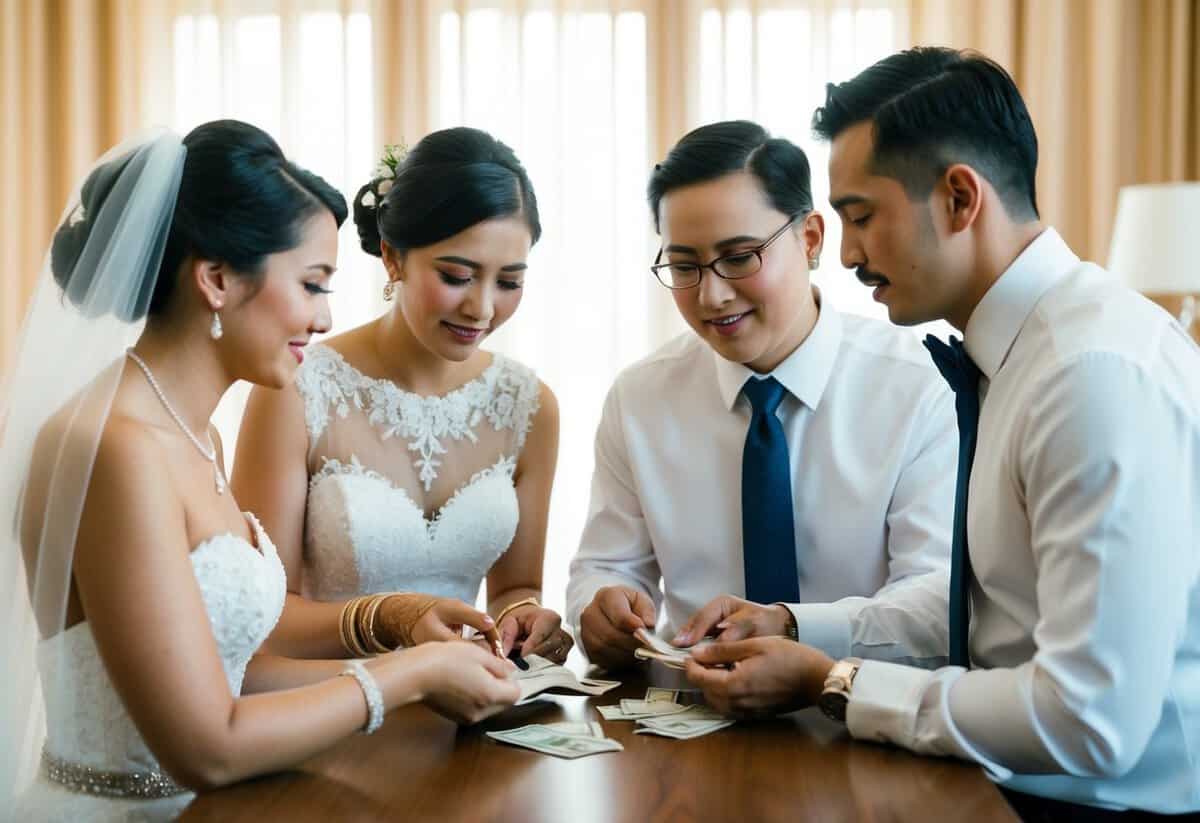
When planning a wedding, understanding where your money goes can help you budget effectively. Key areas include the venue, outfits, and various services. Here’s a closer look at what you’ll be spending on.
The Ceremony and Reception Venue
The venue often takes up a large chunk of the wedding budget. This includes the ceremony location and the reception site. Prices can vary widely depending on your choice.
You might consider renting a church, a park, or a banquet hall. Depending on the venue, costs can range from a few hundred to thousands of pounds. Look for places that offer packages, which might include catering and decorations.
If you choose a wedding planner, they can help find great venues within your budget. Remember to also budget for rental fees, seating arrangements, and decorations. Finding the right venue sets the stage for your special day.
Outfits and Rings
Your outfits will be another significant expense. The wedding dress is often the centerpiece. Prices can range from affordable to designer creations.
Don’t forget about the wedding rings and the engagement ring, as these are also crucial expenses. You might want something classic for your wedding band and a unique engagement ring that fits your style.
Bridesmaid dresses are another consideration. You often want to choose styles that your friends will be happy to wear and comfortable in. This can add more costs, so think about coordinating colors while staying within budget.
Ancillary Celebrations and Services
In addition to the main events, consider other celebrations. Engagement parties and bridal showers often come with their own set of costs. These events might involve decorations, food, and venue rental.
Hiring a wedding planner can help coordinate all these events smoothly. They can assist with budget management and finding the right vendors.
You might also want to include services like photography, catering, and music for your reception. Budgeting for these services early can help prevent last-minute financial stress.
Managing and Planning for Financial Responsibilities

When planning your daughter’s wedding, understanding who pays for what can make the process smoother. You will need to discuss costs and consider any legal matters as you plan the big day.
Strategies for Discussing and Sharing Costs
Open communication is key when discussing wedding expenses. Start by listing potential costs such as the engagement party, bridal shower, and rehearsal dinner. It’s helpful to have a detailed budget.
Encourage family input on financial contributions. You might find a shared approach works best, with the bride’s family covering certain expenses and the groom’s family handling others. Discuss specific items like wedding stationery and transportation for guests.
Consider tools like a wedding survey to see expectations from both sides. This can help pinpoint what each family is comfortable paying for. Ultimately, having a clear plan helps prevent misunderstandings later.
Legal Considerations and Tax Implications
Understanding tax implications related to wedding gifts is important. For example, if parents contribute large sums, it may count as a gift that could be subject to inheritance tax.
Another thing to be aware of is the annual exemption for gifts. This allows parents to give a certain amount each year without tax issues. Keeping track of contributions can help simplify things.
Also, consider legal contracts if you’re hiring vendors. This will ensure there’s no confusion over payment responsibilities. This clarity can help everyone stay organized and avoid potential financial disputes.