
Who Pays for First Wedding? Understanding Wedding Cost Responsibilities
Planning your wedding can be exciting, but figuring out who pays for what can be a bit tricky. In recent years, the bride’s family covers the bulk of the wedding expenses, but this has changed. Many couples today take on a significant portion, or even all, of the costs themselves, especially as they marry later in life.

As you start your wedding planning journey, it’s important to have open conversations with your families about budgets and expectations. Understanding who typically pays can help avoid misunderstandings and ensure everyone is on the same page.
This article will guide you through the modern norms and traditional expectations regarding wedding expenses. You’ll gain insights into how couples today are splitting the costs, allowing you to make informed decisions for your special day.
Historical Traditions of Wedding Finances
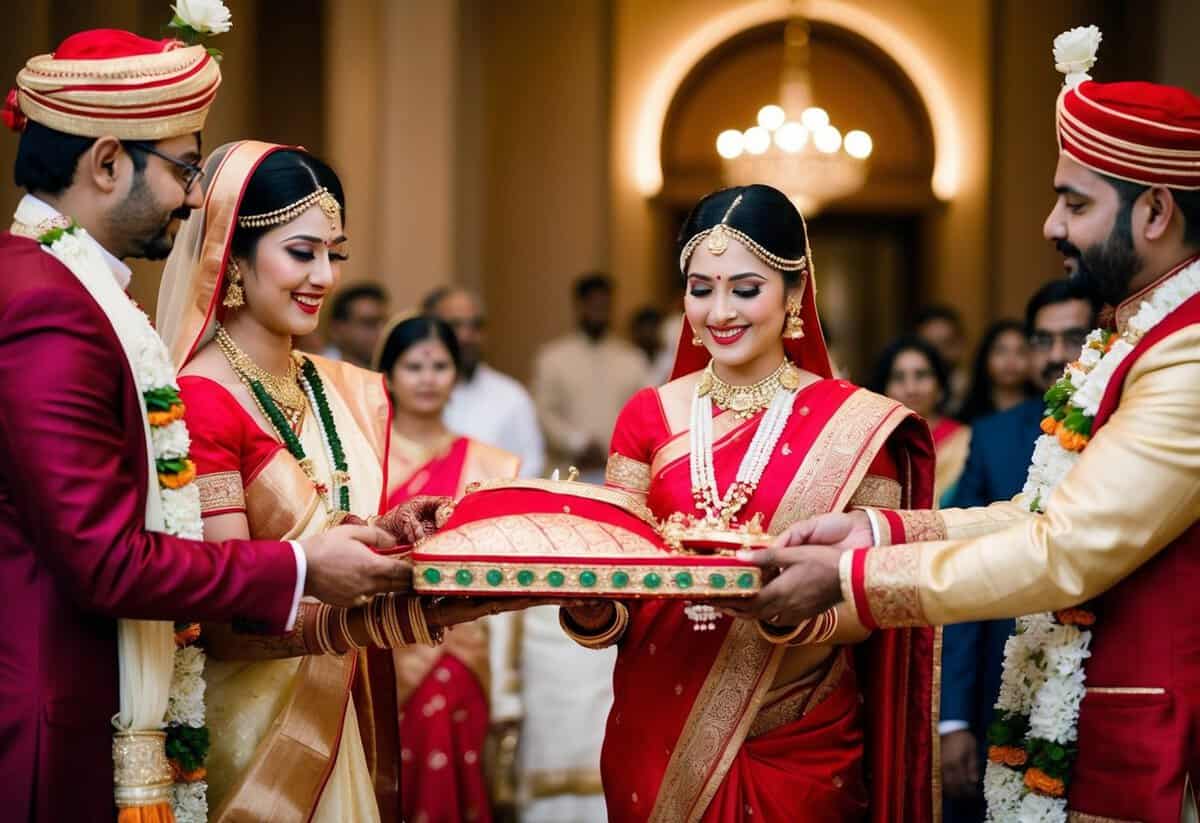
Wedding financing has deep historical roots shaped by cultural expectations and family roles. Understanding these traditions can help you navigate wedding expenses more easily and respectfully.
Cultural Expectations
Traditionally, many cultures expected the bride’s family to cover most wedding costs. This custom can often be linked to the idea of a dowry, where the bride’s family provides money or gifts to the groom’s family. In modern times, this expectation has shifted in various regions. Some couples now choose to split costs, reflecting changing social norms.
Different cultures may have unique customs. For instance, in South Asian weddings, family involvement often extends beyond finances to include elaborate celebrations. This highlights the importance of family unity and cultural identity. Recognizing these traditions can be beneficial when planning your wedding.
Roles of Bride’s and Groom’s Families
In historical contexts, the bride’s family was expected to pay for the venue, flowers, and catering. The groom’s family typically handled costs for the rehearsal dinner. This division of expenses was once a matter of course in wedding etiquette.
According to Emily Post, wedding etiquette often guides these financial roles. While the bride’s family has traditionally taken on significant costs, modern weddings can differ. Many couples now ask each family to contribute based on what they can afford. This shift allows for a more equitable approach to wedding expenses.
Understanding these roles can guide your planning process. It helps you align with traditions that matter while also modernizing the approach to suit your needs.
Deciphering Modern Wedding Costs

When planning a wedding today, understanding who pays for what can help you budget effectively and ease any potential tensions. Modern weddings often involve a mix of contributions from families, the couple’s finances, and sometimes even a wedding planner’s advice.
Division of Expenses Between Families
Traditionally, different expenses were divided between the bride’s and groom’s families. Today, expectations can vary widely.
For example, the bride’s family might cover the venue, catering, and flowers. In contrast, the groom’s family often pays for costs like the rehearsal dinner and alcohol.
Common Expense Divisions:
- Bride’s Family: Venue, catering, flowers.
- Groom’s Family: Rehearsal dinner, alcohol.
More couples are now opting for a shared approach. You might find that both families agree to pay for specific items or share the wedding budget equally. Open discussions about financial contributions can help reduce misunderstandings.
Contributions by the Bride and Groom
You may also want to consider how much you and your partner can contribute. Many couples take on a significant portion of the expenses today.
Setting a budget together can help you prioritize what’s most important. Consider factors like:
- Venue and catering costs
- Photographer fees
- Attire and accessories
As of 2023, the average cost of a wedding was around $35,000. This means thoughtful financial planning is crucial. You should discuss openly what both of you are comfortable spending.
Financial Planning for Your Wedding
Creating a detailed wedding budget is vital to ensure you stay on track. You can start by listing all potential expenses. Using a spreadsheet can help you keep everything organized.
Key expense categories might include:
- Venue and catering
- Decorations
- Photography
- Entertainment
Hiring a wedding planner can be beneficial to help manage costs and offer insights into available discounts. This support can keep you focused and organized, making it easier to enjoy the planning process. Remember, spending within your means will lead to a more enjoyable wedding experience.
Breaking Down Wedding Expenses
Understanding wedding expenses can help you manage your budget better. Several key elements contribute to the total cost, from pre-wedding events to the ceremony and reception. Here’s a closer look at these important parts.
Pre-Wedding Events
Pre-wedding events can set the stage for your big day. Common gatherings include the engagement party, bridal shower, bachelor party, and bachelorette party.
- Engagement Party: This is often thrown by the bride’s family or friends, and costs can vary widely based on location and guest count.
- Bridal Shower: Typically hosted by friends or family, expect expenses for food, decor, and gifts.
- Bachelor/Bachelorette Parties: The cost can depend on the activities you choose and whether guests contribute.
- Rehearsal Dinner: This dinner usually takes place after the rehearsal and can be a more intimate gathering.
Each of these events adds to the overall costs, so it’s essential to plan accordingly.
Ceremony Essentials
The ceremony is a pivotal part of your wedding day. Key expenses here may include:
- Wedding Venue: This can be one of your biggest costs, depending on the location and size.
- Wedding Invitations: The cost here includes printing and postage, and can vary based on design and quantity.
- Marriage License: Don’t forget to budget for this official document, which varies by state.
- Officiant Fee: You’ll need to pay this person who will conduct your ceremony, and rates can vary.
Being aware of these costs helps ensure your ceremony reflects your style without breaking the bank.
Reception Details
The reception typically involves several significant expenses. These include:
- Food and Drinks: Catering costs can rank among the most substantial for your reception.
- Wedding Cake: Be sure to choose a cake that fits your budget and design preferences.
- Floral Arrangements: These can significantly enhance your decor but can also add a lot to your costs. Plan for bouquets, centerpieces, and more.
- Entertainment: Whether it’s a DJ or live band, entertainment plays a crucial role in keeping your guests happy.
By breaking down these details, you can better manage your wedding budget and enjoy your special day with less stress.
Etiquette and Advice for Modern Couples
When planning your wedding, it’s essential to communicate openly about finances. Understanding who is responsible for various costs can help prevent misunderstandings and keep things running smoothly. Here are some key points to consider.
Navigating Financial Discussions
Start by having an honest conversation with your partner about how much each of you can contribute. Make a list of family members who might help, as this can lighten the financial load.
You can create a budget that outlines major expenses such as the venue, catering, and the officiant. Don’t forget about wedding attire, including the dress and the groom’s ring. Discuss who will cover hair and makeup if either of you wants professional help for the big day.
Consider utilizing a wedding gifts fund for guests who prefer to contribute cash instead of physical gifts. This fund can help with expenses like photography and videography.
Who Pays for Additional Wedding Features?
Traditionally, families have taken on specific responsibilities. For modern couples, it’s more flexible. Here’s a quick guide:
- Ceremony and Reception: The bride’s family often funds these, but couples may choose to split costs.
- Wedding Rings: Typically, both partners pay for their own rings.
- Wedding Attire: Couples may cover their respective attire costs. This includes the wedding dress for the bride.
- Hair and Makeup: Many opt to pay for their own services.
If you plan a honeymoon, consider creating a honeymoon fund. This way, guests can contribute to your post-wedding getaway instead of traditional gifts.