
Who Pays for Flowers: Wedding Etiquette Explained
Planning a wedding involves many choices, and figuring out who pays for the flowers is often a big question. Traditionally, the bride and her family cover the costs for floral arrangements, including bouquets and decorations. However, modern couples are increasingly sharing expenses, which can change the dynamics of who pays for what.
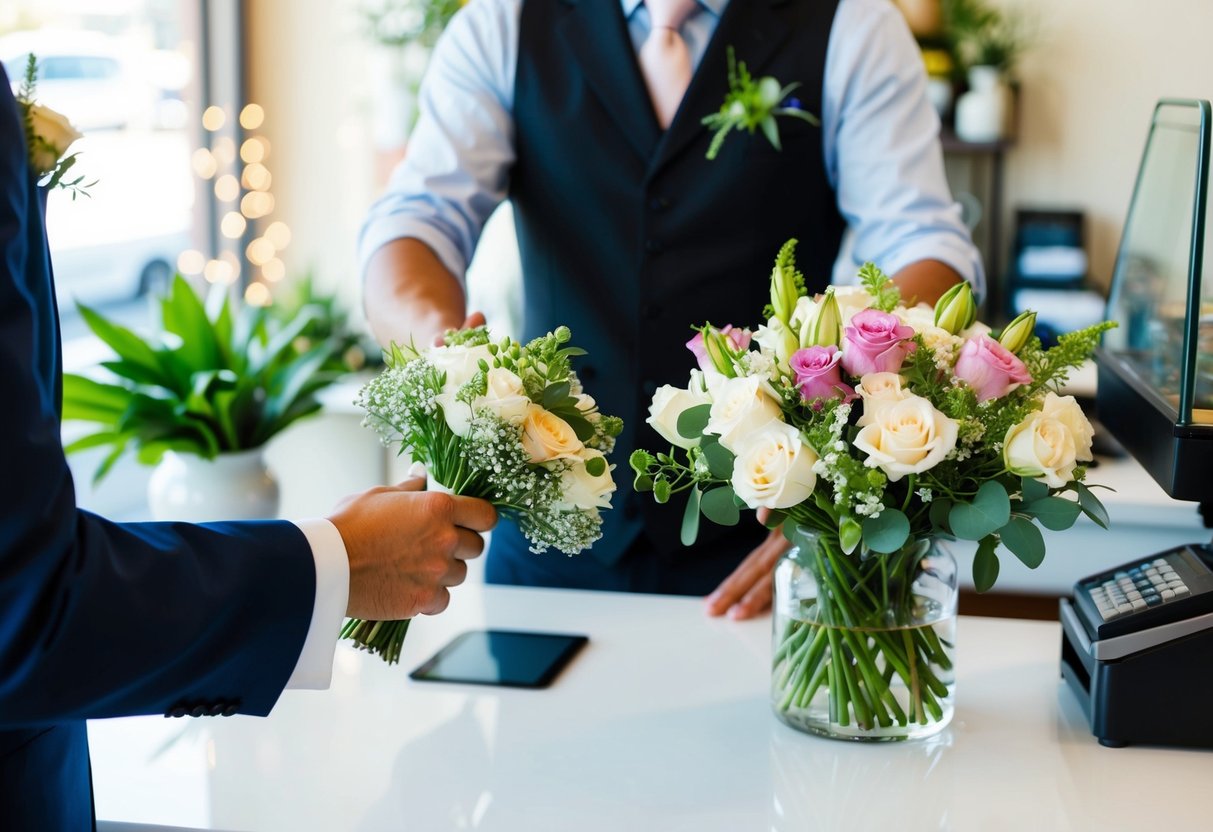
As you embark on your wedding planning journey, it’s helpful to know the common etiquette around wedding expenses. Navigating these traditions can ease discussions with family and help you set a budget.
Whether you choose to follow the old customs or create your own path, understanding who typically handles the flower costs can streamline your planning process and reduce stress.
Remember, in the end, what matters most is that your wedding reflects your unique style and vision. Understanding the ins and outs of who pays for wedding flowers can be one less thing you have to worry about as you enjoy this exciting time.
Understanding Wedding Flower Etiquette
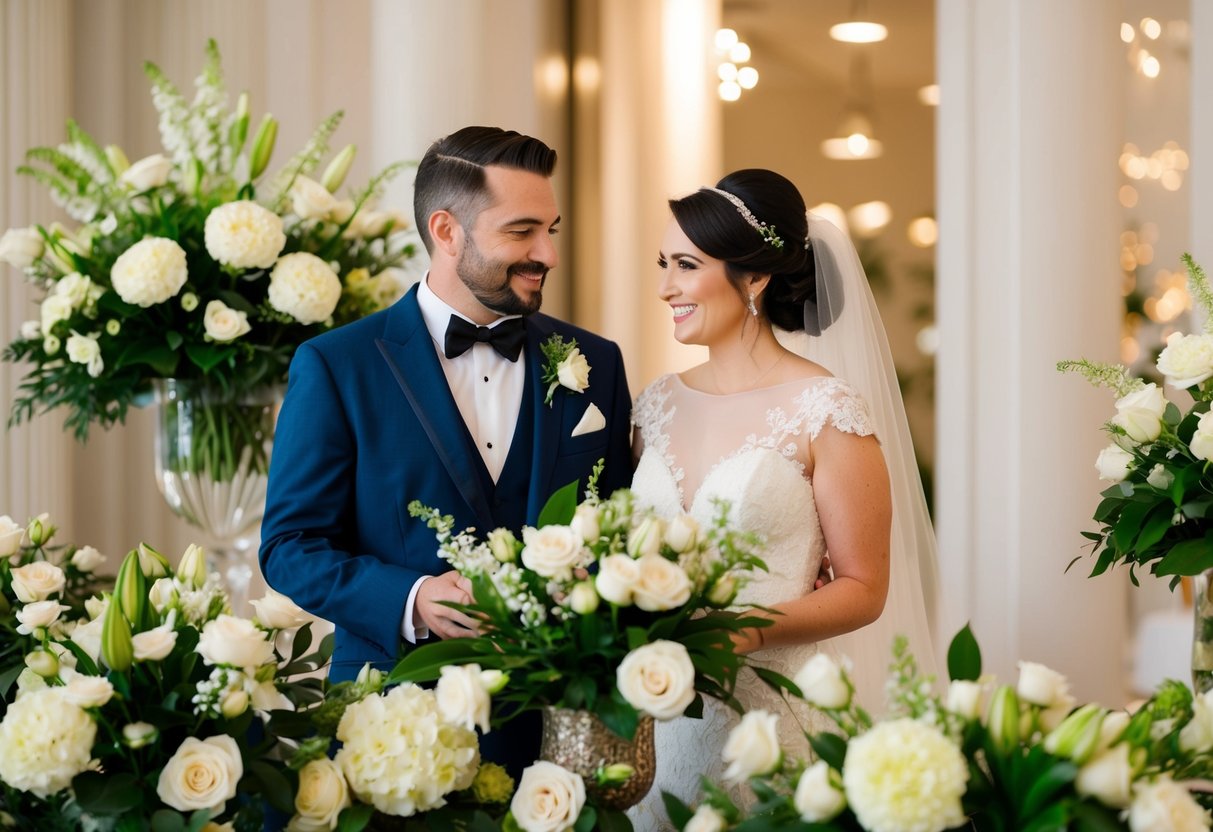
Wedding flower etiquette involves knowing the traditional roles and responsibilities of each party when it comes to paying for flowers. This can help you navigate the planning process smoothly and keep relationships positive.
Traditions and Modern Approaches
Traditionally, the bride’s family covers the costs of the floral arrangements. This includes the bridal bouquet, bouquets for bridesmaids, and flowers for the ceremony and reception. It’s a custom that symbolizes the bride’s family’s involvement in the wedding.
In modern times, many couples share costs or even pay for their own flowers. This can ease financial pressure and reflect your combined priorities. Research shows that about 49% of couples use their own funds for wedding expenses.
Communicating openly about flower responsibilities can help you find a balance that works for everyone involved.
Roles of the Bride’s and Groom’s Families
The bride’s family typically takes on significant flower expenses, including the bridal bouquet and the flowers for the ceremony. The groom’s family usually pays for his boutonnière and flowers for the reception.
It’s important for each family to discuss their preferences and expectations early on. For example, if the groom has specific ideas about florals, make sure they are included in the planning. Be flexible and considerate of different family traditions.
Understanding these roles can guide you in making choices that honor both families while shaping a memorable day. Clear communication fosters teamwork during this exciting time.
Decoding the Floral Budget
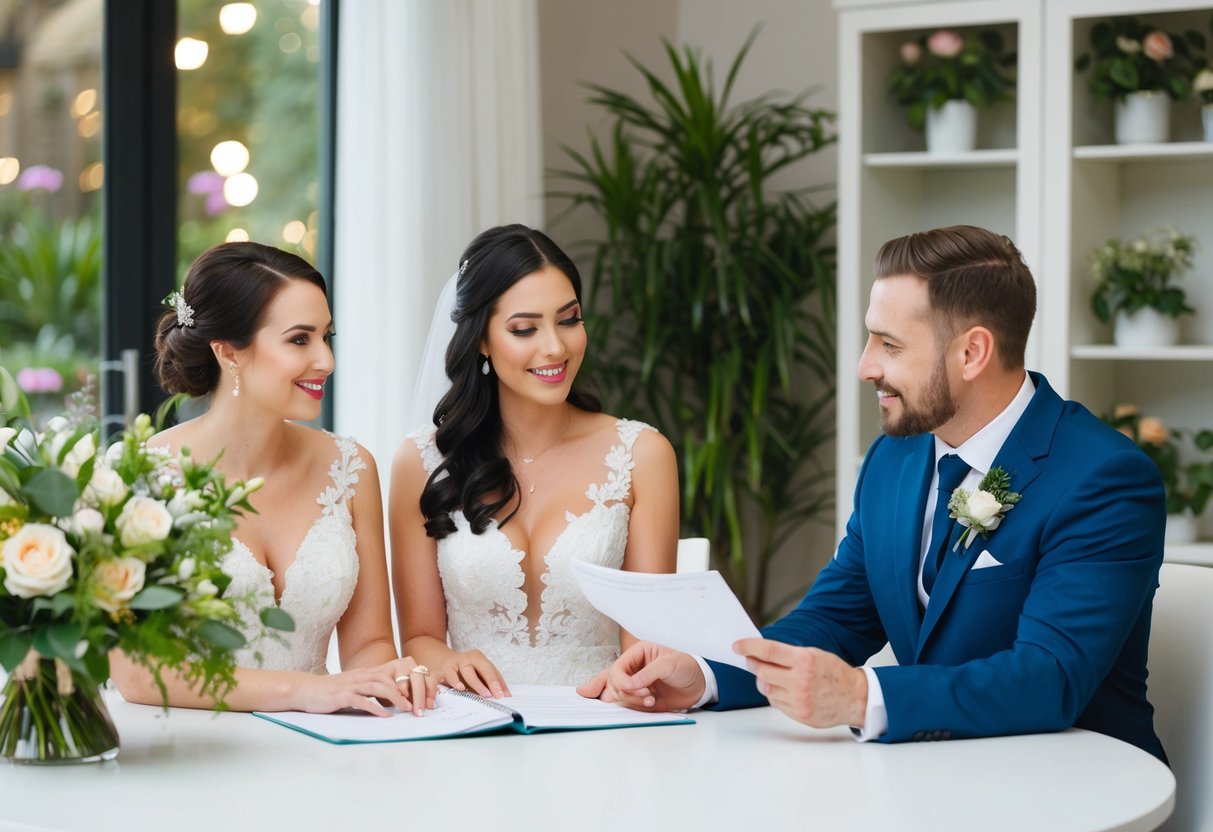
Creating a floral budget is a key part of wedding planning. Knowing who pays for different arrangements and managing your costs can help make this process smoother.
Who Covers What?
Traditionally, the bride’s family covers the costs for flowers. This includes bouquets, boutonnieres, and decorative arrangements. Meanwhile, the groom’s family often pays for the rehearsal dinner and honeymoon.
Yet, modern couples frequently share these expenses. You might decide to fund the flowers together or split costs with family members. Either way, it’s crucial to have transparent communication about financial expectations to avoid any misunderstandings.
For personal flowers, here’s a general breakdown:
- Bridal Bouquet: Bride’s family or couple
- Bridesmaids’ Bouquets: Couple or bride’s family
- Boutonnieres: Couple or groom’s family
Managing Expectations and Costs
Knowing your floral budget is essential. Flowers can account for a significant portion of your wedding expenses, often ranging from $1,000 to $3,000.
Before deciding on flower types, take some time to research prices. Seasonal flowers tend to be more affordable. Consider these tips:
- Prioritize what’s most important to you.
- Compare quotes from different florists.
- Be open to alternative flowers.
By managing your floral budget carefully, you can achieve a beautiful look without overspending.
The Ceremony and Reception Flowers
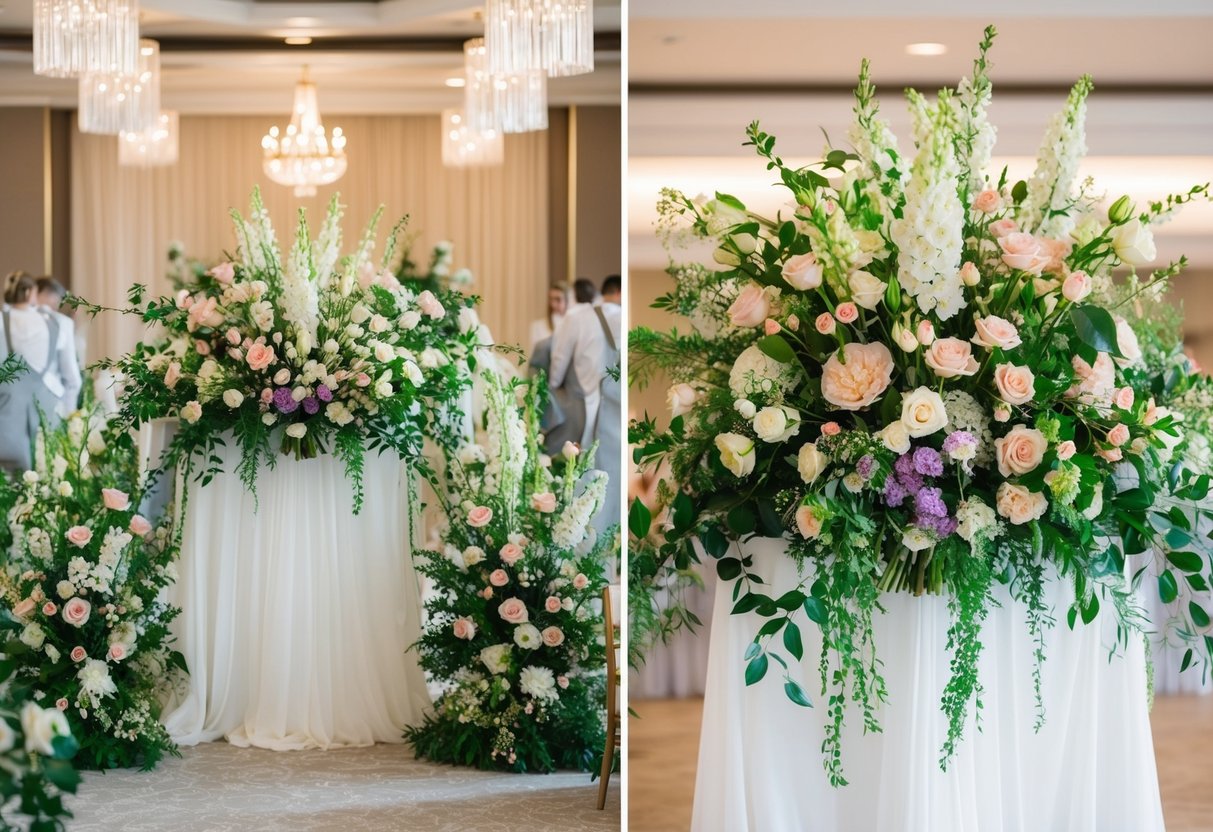
Choosing flowers for your wedding ceremony and reception is not just about beauty; it’s also about setting the right mood and making lasting memories. Your floral choices will play a big role in your wedding decor and overall theme.
Selection and Allocation
When selecting flowers for your ceremony and reception, consider seasonal flowers. They are often more affordable and available.
Think about what blooms complement your color scheme and the overall vibe you want to create.
For the ceremony, you may want arrangements that enhance the altar or backdrop.
For the reception, think about centerpieces that will draw attention but not overwhelm the tables. Flowers can also include corsages for your closest family members.
It’s helpful to create a budget for wedding flowers. This will guide your decisions and ensure you stay on track. Word of mouth can be beneficial, so ask friends for recommendations on florists.
Professional Florist Consultation
Consulting a professional florist is key to bringing your vision to life. They have experience in creating beautiful floral arrangements and can help you choose the right flowers for your occasion.
When meeting with your florist, be ready to discuss your wedding theme, colors, and budget. Don’t hesitate to ask about alternative flowers if your first choices are out of budget.
A great florist will provide detailed options for both ceremony and reception flowers. They can suggest creative ideas for decorative arrangements that fit into your overall decor. Make sure to communicate your preferences as clearly as possible to achieve the best results.
Personal Flowers and Wedding Party Responsibilities
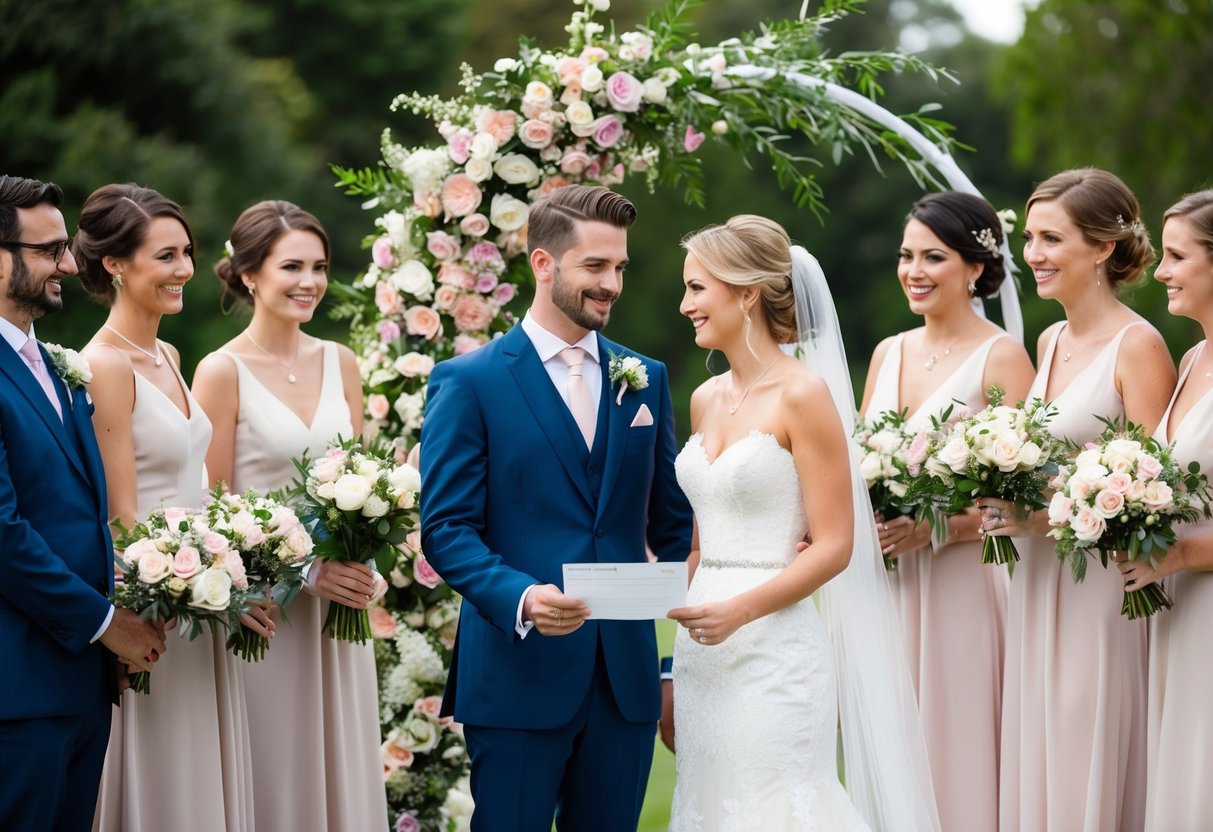
When planning your wedding flowers, it’s important to understand who takes care of personal flowers and the responsibilities within the wedding party. This includes the bridal bouquet, boutonnieres, and special arrangements for VIP guests.
Delineating Duties for Bouquets and Boutonnieres
You typically decide on specific roles for the bridal party when it comes to flowers.
The bride usually chooses her own bridal bouquet, reflecting her personal style and wedding theme. This bouquet is often a centerpiece of wedding decor, so it should be carefully selected.
The groom’s family traditionally pays for the boutonnieres worn by the groom, groomsmen, and any male family members. Each boutonniere is a symbol of honor, matching the wedding’s color scheme and complementing the bridal bouquet.
Bridesmaids often have their own bouquets, which the bride typically pays for. You should coordinate these flowers so they fit well with the overall look.
Special Floral Elements for VIPs
In addition to personal flowers, special floral arrangements are often made for family members, especially mothers and grandmothers. These floral pieces, such as corsages, show appreciation for their support and importance in your life.
The groom’s family usually covers the costs of these corsages. It’s a thoughtful way to honor the key women in your lives.
Make sure these flowers match the wedding’s aesthetic, just like the bridal flowers. You can choose simple or elaborate designs based on personal preference and budget.