
Who Pays for Lunch at a Wedding? A Guide for Couples and Guests
When planning a wedding, many people have questions about financial responsibilities. One common query is about who pays for lunch at the wedding. Traditionally, the couple covers the cost of meals for their guests, but there are some exceptions based on family traditions and budgets. Understanding these expectations can help avoid any misunderstandings and ensure a smooth celebration.

Wedding etiquette has evolved, and many couples today choose to include their families in the planning and budgeting process. This means that families may help out with costs, including lunch. As you navigate these conversations, it’s important to communicate openly about what feels right for you and your loved ones.
By knowing the general guidelines, you can feel more confident in managing wedding expenses. This includes figuring out who pays for lunch, which is just one piece of the larger wedding budget puzzle.
Determining Who Pays for Wedding Expenses

When planning your wedding, figuring out who pays for what can be confusing. It’s important to have clear conversations about the budget and responsibilities, ensuring all parties understand their contributions.
Budget Conversations and Contributions
Start by gathering family members and anyone else who will contribute to the wedding budget. Having open discussions helps set clear expectations.
List all major expenses, such as the venue, catering, and attire. Create a budget that outlines these costs.
Discuss who will cover each expense. Some families may have traditions about who pays for specific items, like the bride’s dress or the groom’s ring. Make sure everyone feels comfortable with the agreed amounts to foster a cooperative atmosphere.
The Bride’s Family’s Responsibilities
Traditionally, the bride’s family paid for a large portion of the wedding costs. This often includes the venue, catering, and decorations.
Their expenses may also cover the wedding dress, wedding rings, and floral arrangements. Families can also provide contributions for the marriage license and other legal necessities.
Keep in mind that every family is different, and traditions may vary. It’s okay to adjust the expectations to fit your situation. Discussing these points honestly can help avoid misunderstandings later.
The Groom’s Family Contributions
The groom’s family also has specific responsibilities, traditionally covering the rehearsal dinner and sometimes the flowers for the wedding.
They may contribute to the groom’s attire and other small costs, like gifts for the bridal party.
In modern weddings, many couples prefer a more even split of costs. Consider discussing more progressive approaches, allowing both families to participate actively. Collaboration can strengthen relationships and lessen financial stress.
Allocating Costs for Shared Expenses
Shared expenses in a wedding budgeting can include entertainment, photography, and venue costs. Each partner can contribute based on their financial situation and family traditions.
A good approach is to create a detailed list of all expenses and decide together who pays what.
Building a budget spreadsheet can be helpful. This transparent process keeps everyone informed and accountable. It also allows you to adjust amounts as necessary.
Be open to discussing changes as wedding plans develop. Communicating regularly is essential to make sure everyone is on the same page and happy with the arrangements.
Pre-Wedding Events and Arrangements
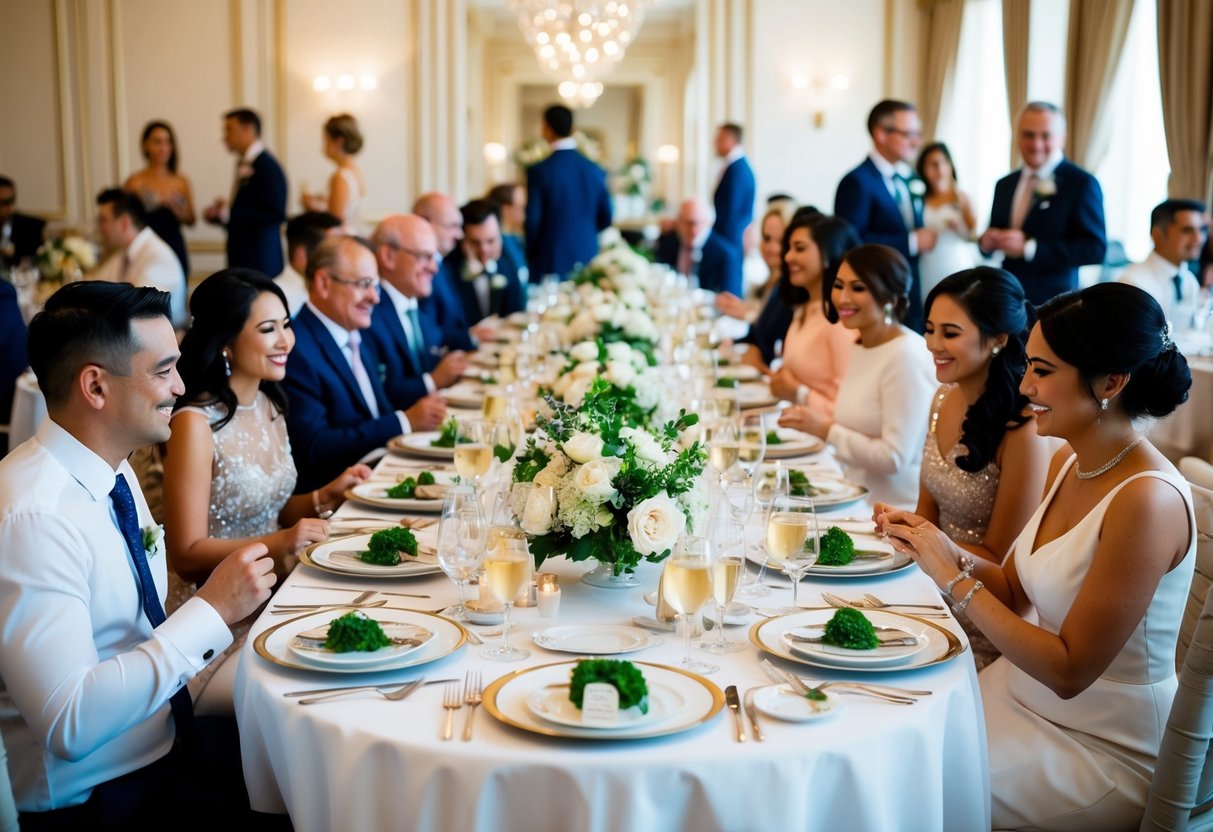
Planning your pre-wedding events can be just as important as the wedding day itself. You want to ensure that each event leads to fun celebrations while clarifying who is responsible for the costs. Here’s a closer look at some of the key pre-wedding gatherings.
Engagement Party Considerations
An engagement party is often the first celebration you’ll have as an engaged couple. Traditionally, it’s hosted by one set of parents, but you can choose whoever you like.
When it comes to costs, the host typically pays for the venue, food, and drinks. If the event is held at home, the expenses may be lower, but the host should still plan for catering or snacks. Keep the guest list smaller and more intimate to manage costs.
Planning the Bridal Shower and Bachelor(ette) Parties
A bridal shower is often organized by the bridesmaids and close friends. Costs usually include food, drinks, decorations, and games. It’s common for attendees to chip in together, helping to keep expenses down. Guests should feel comfortable contributing to the budget.
For bachelor and bachelorette parties, the bridal party usually plans these events. Costs are shared among attendees, which can include travel, accommodation, food, and activities. Make sure to discuss the budget early, so everyone is on the same page.
Rehearsal Dinner Costs and Expectations
The rehearsal dinner is held before the wedding and typically involves the wedding party and close family. Traditionally, the groom’s family covers the costs, including food and drinks at the dinner.
You can choose the location based on your budget, whether it’s a restaurant or a more casual setting. This is a great opportunity to connect with family and friends before the big day. Be open about expectations and costs with all parties involved to ensure a smooth planning process.
Wedding Day Details and Responsibilities

On your wedding day, many responsibilities fall on different parties involved. From attire to catering, each detail plays a significant role in making your celebration memorable. Here’s a look at key responsibilities to keep in mind.
Attire and Rings
Your attire is one of the most important aspects to consider. As the bride, you typically wear a wedding gown that reflects your style. You’ll want to make arrangements well in advance to ensure everything fits perfectly.
For the groom, choosing a suit or tuxedo often involves selecting accessories like ties and cufflinks. Don’t forget about the rings! Traditionally, the bride’s family pays for the wedding bands, while the groom’s family may cover the engagement ring. You should also plan for special attire for the bridal party, including bridesmaids’ dresses and groomsmen’s suits.
Flowers and Decorations
Flowers add beauty and elegance to your wedding day. The bride’s family usually takes care of the costs associated with the wedding flowers. This includes bouquets, boutonnieres, and floral arrangements for the venue.
Decoration is equally important. Hiring a wedding planner can help you coordinate elements like centerpieces and table settings to match your theme. Make sure to discuss your vision clearly, including any specific flowers you want to feature, like roses or lilies. Remember, these details help create the atmosphere you desire for your special day.
Capturing the Moments: Photography and Videography
Choosing a photographer and videographer is vital for capturing your big day. Typically, the couple is responsible for these expenses. Make sure to look for professionals whose style aligns with your vision.
You may want to schedule a pre-wedding shoot to get comfortable in front of the camera. Discuss important shots you want captured, like candid moments and group photos. Consider hiring a second shooter to ensure all angles and moments are covered. High-quality images and videos become cherished keepsakes of your special day.
Culinary Delights: The Wedding Cake and Catering
The wedding cake is a highlight of the reception. The couple usually selects a cake vendor and is responsible for this expense. Choose a flavor that resonates with you, and consider a design that fits your theme.
Catering costs often fall to the couple as well. Whether you choose a sit-down dinner or a buffet, work with your caterer to create a delicious menu. Remember to consider dietary restrictions of your guests when planning. This attention to detail ensures everyone feels welcome and satisfied during your celebration.
Post-Wedding Considerations and Costs

After your wedding, there are several financial aspects to keep in mind. Planning your honeymoon and managing post-wedding costs can seem overwhelming, but with some organization, you can handle them smoothly.
Honeymoon Planning and Funding
Planning your honeymoon is an exciting part of married life. Start by setting a budget that works for you. Consider costs like flights, accommodations, and activities.
You might have received a honeymoon fund as a wedding gift. This can be a helpful way to cover those expenses. Don’t hesitate to communicate with your guests about your travel plans if they want to contribute.
Also, make sure to check if any discounts or deals apply to newlyweds. Some resorts and airlines offer special packages that could save you money.
Navigating Post-Wedding Financials
After the wedding, financial responsibilities continue. You should review any expenses related to your celebration. Determine who paid for what and settle any outstanding balances.
If your family contributed, especially the mother of the bride, it’s kind to discuss how those costs will be handled. Be clear about each person’s financial role.
Also, make a plan for thank-you notes for any wedding gifts received. These gestures help maintain good relationships and make your gratitude known.
Clear communication about finances and gifts can lead to a smooth transition into married life.