
Who Pays for the Wedding Night? A Guide to Wedding Night Expenses
Sometimes, wedding planning can feel overwhelming, especially when it comes to figuring out the costs. Traditionally, the couple, especially the groom, is expected to cover the expenses for the wedding night. This often includes accommodations and any special arrangements to make the evening memorable.

As you navigate these traditions, it’s important to remember that modern couples often approach wedding finances differently. Many choose to share costs or even cover everything together, making it a team effort.
Understanding who pays for what can help you avoid misunderstandings as you plan for this special night.
Exploring the customs surrounding the wedding night can be both enlightening and supportive in your journey. You’ll find that discussing finances openly can pave the way for a joyful celebration and a stronger partnership.
Understanding Wedding Expenses
When planning a wedding, knowing who pays for various expenses is crucial. Traditions can guide you, but modern approaches also play a significant role in how costs are handled.
Tradition Versus Modern Approaches
Traditionally, the bride’s family covered most of the wedding costs. This often included the ceremony, reception, and flowers. The groom’s family typically paid for the rehearsal dinner.
However, modern couples often take a different route. Many today prefer to split costs or handle expenses together. This shifts the focus from family responsibilities to what works best for you as a couple.
You might find that the average cost of a wedding is around $30,000 to $35,000. Factors like venue choice and guest count can significantly impact this budget.
Allocating the Wedding Budget
Creating a solid wedding budget is key to successful planning. Start by listing all potential expenses, such as venue, catering, attire, and photography.
Then, decide how much you and your partner can contribute. You might also consider help from family members.
This open conversation can lead to a clear understanding of who pays what.
Using a spreadsheet or budgeting app can make tracking these expenses easier. Be sure to allocate extra funds for unexpected costs, often called “wedding surprises.”
Managing your wedding budget carefully helps avoid stress as the big day approaches. Feel free to discuss and adjust your budget as needed to stay on track.
Who Pays for What: Breakdown of Responsibilities

In planning your wedding, understanding who is responsible for various expenses can help avoid misunderstandings. Below are the key contributions from different groups involved in your big day.
Bridal Party and Groomsmen Contributions
Typically, members of the bridal party and groomsmen have specific financial responsibilities. Bridesmaids usually pay for their own dresses and accessories, while groomsmen often cover the cost of their suits or tuxedos. Both groups might also chip in for a group gift for the couple.
You may choose to host a gathering to celebrate your wedding party. This can include a dinner or drinks, which is another expense that can come from your wedding budget.
Travel and accommodation for destination weddings may also fall on the party members, including airport transportation and hotel rooms. Open communication about costs helps manage expectations.
Family Financial Roles
Traditionally, the bride’s family covers many wedding costs. This often includes the ceremony venue, catering, and flowers. The groom’s family usually pays for the rehearsal dinner and sometimes the honeymoon.
However, modern weddings may see costs shared differently. Parents may contribute in various ways, such as helping with planning or by providing wedding gifts.
It’s important to discuss financial roles with both families to clarify expectations beforehand and share the burden fairly.
Guests and Their Expenses
Invited guests are generally responsible for their own travel and lodging costs. If your wedding is in another city, they should plan for these expenses.
Some couples set up a wedding website with information on nearby accommodations to help their guests.
It’s also common for guests to give gifts, which can vary in price. You could provide a registry to guide them.
Couples might find it helpful to communicate any specific needs related to lodging or transportation options, ensuring everyone feels comfortable attending your celebration.
Detailed Costs of Wedding Essentials

Planning a wedding involves various essentials that contribute to the overall experience. Understanding the costs associated with venues, catering, attire, and entertainment is key to staying within your budget.
Venue and Catering Essentials
The venue is often the largest expense, typically ranging from $3,000 to $10,000, depending on the location and size. This cost usually includes rental fees, setup, and basic amenities.
Catering, which covers food and beverages, can vary widely too. Expect to pay between $50 to $150 per guest, with options for plated meals, buffet style, or food stations.
Don’t forget about the wedding cake, which can cost between $300 to $1,000, depending on size and design.
For the ceremony, you might also consider costs for chairs and decor, which can add an extra $500 to $2,000. Always factor in additional items like a marriage license fee and officiant’s charge, which can total around $200 to $500.
Attire, Rings, and Decorations
When it comes to attire, the wedding gown can range from $500 to $3,000 or more, depending on designer and customizations. Don’t forget the groom’s attire, which typically costs between $200 and $800.
Accessories, shoes, and alterations may add another $200 to $500 to your total.
Wedding rings can also vary significantly, with most couples spending between $1,000 and $5,000.
Decorations are essential for setting the mood. Flowers, centerpieces, and other decor can cost anywhere from $1,500 to $5,000, based on your choices and the number of arrangements needed.
To save money, consider DIY options for centerpieces or using in-season flowers.
Entertainment and Special Services
Entertainment is crucial for a lively celebration. Hiring a DJ generally costs between $800 and $2,500, while live bands can be more expensive, ranging from $2,000 to $10,000, depending on their popularity and the number of musicians.
Consider additional services like photography and videography, which can cost anywhere from $1,500 to $5,000. If you want a photo booth, expect to spend an additional $500 to $1,200.
Other entertainment options, such as dancers or performers, may add to your budget.
Always ensure to read reviews and compare prices for the best value.
Post-Wedding Costs and Courtesies
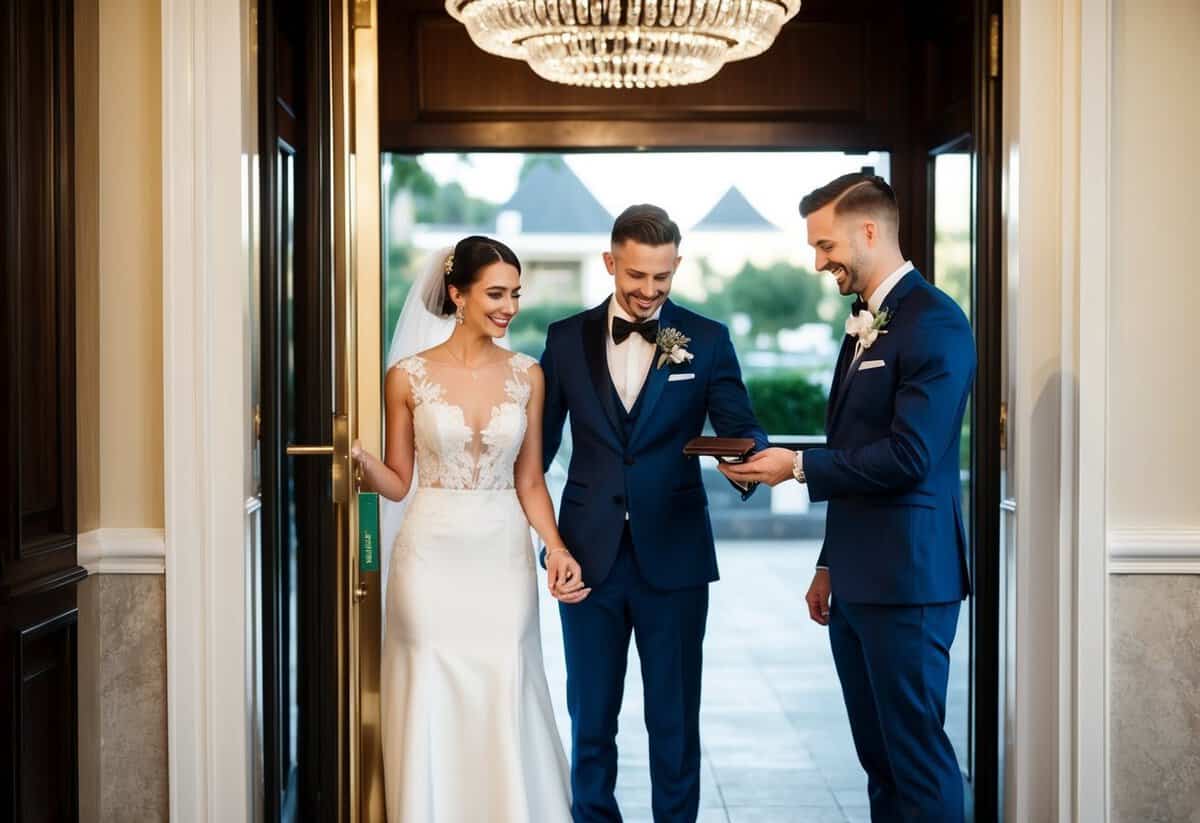
After the wedding day, there are several important costs and gestures to consider. These include activities such as your post-wedding brunch and ways to show your appreciation for those who helped make your day special.
Handling Post-Wedding Activities
You might want to host a post-wedding brunch for close family and friends. This casual gathering can take place the day after the wedding. It’s a great way for everyone to share stories and enjoy one last meal together.
Consider including transportation arrangements for your guests to make their arrival easier.
If you had a destination wedding, think about coordinating travel and accommodations in advance. You might also consider renting a room block at a nearby hotel.
Don’t forget about expenses for things like videography, capturing moments from the day, or floral arrangements that were used during the ceremony.
You’ll also want to settle any deposits for the wedding venue and vendors. Keeping track of all these costs will help you stay organized and avoid surprises.
Showing Appreciation and Gratitude
Expressing gratitude to your wedding party is essential. A simple thank-you note or small gift can go a long way.
Consider acknowledging the efforts of your maid of honor and best man for their support during the festivities.
Sending thank-you notes for gifts you received is also courteous. Make sure to mention what the gift was and how you plan to use it.
This personal touch shows your guests that you value their thoughtfulness.
Showing appreciation extends to your family and friends as well. A heartfelt message can help strengthen those bonds.
Remember, it’s the little gestures that may leave a lasting impression.