
Who Pays for Wedding Reception UK? A Guide to Wedding Costs and Traditions
When planning your wedding, one big question to consider is who pays for the wedding reception in the UK. Traditionally, the bride’s family often covers the costs associated with the reception, but this has changed in recent years. Many modern couples choose to share the expenses, making finances a collaborative effort between both families.
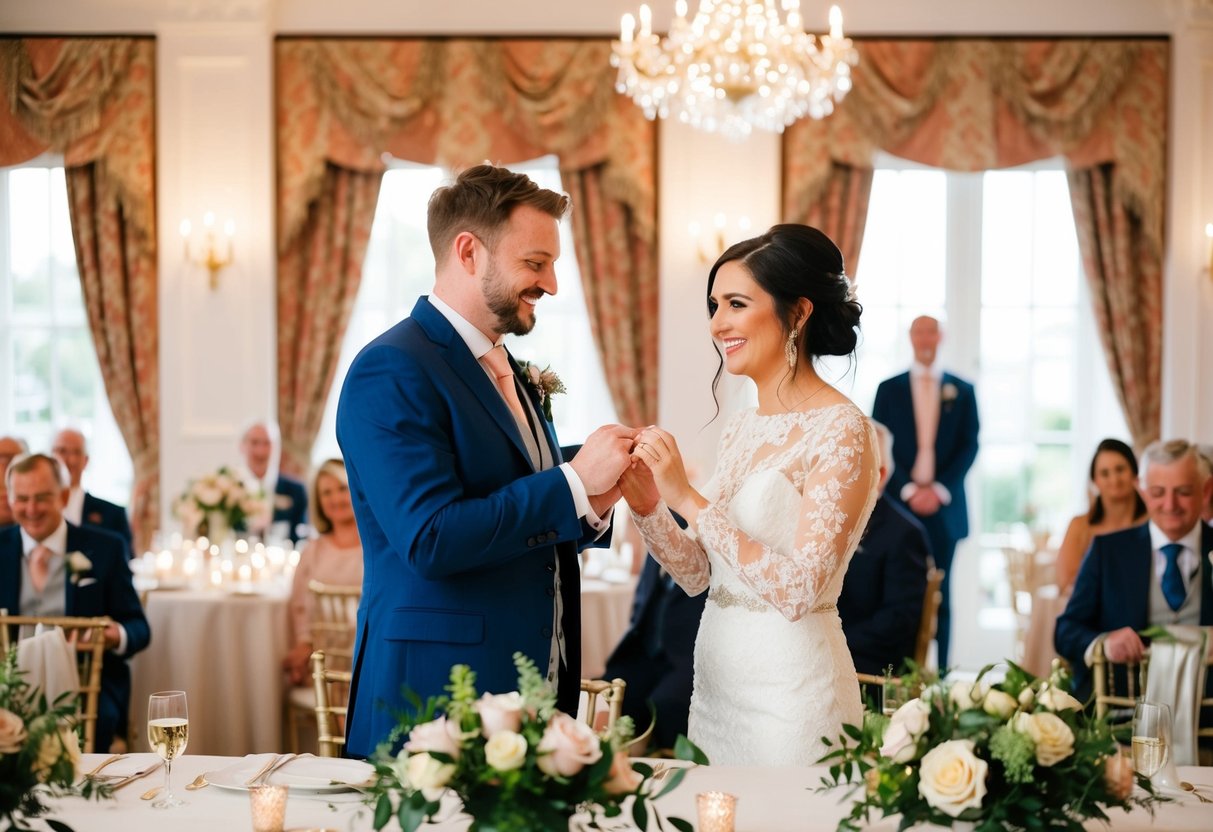
Open communication about financial responsibilities is key. By discussing who will contribute, you can set a clear budget and avoid misunderstandings.
Understanding common wedding traditions can help you decide what works best for you and your partner.
Whether you follow tradition or create your own path, knowing who pays can ease the planning process. This allows you to enjoy the journey to your big day without financial stress.
Understanding Wedding Costs

When planning your wedding reception, it’s essential to grasp how costs are allocated. This knowledge helps you budget effectively while navigating various financial responsibilities influenced by traditions and modern practices.
Allocation of Wedding Budget
Deciding how to allocate your wedding budget is crucial. Traditionally, the bride’s family covers the reception costs. Yet, many couples now share expenses with both families or handle costs together.
You might want to create a list of all necessary expenses, such as venue, catering, and entertainment. You can use a simple format like this:
- Venue Rental
- Catering
- Decorations
- Photography
- Entertainment
By identifying these key costs, you can prioritize and plan accordingly. This method ensures no significant bills catch you by surprise.
Wedding Planning and Expenses
Effective wedding planning involves keen attention to detail and an understanding of your expenses. Start by setting a clear budget that considers all possible costs.
Gather quotes from vendors and compare prices. This will help you pinpoint where you can cut costs or splurge.
It’s wise to include a buffer in your budget for unexpected expenses.
Also, think about potential financial contributions from family members. They may have preferences or ideas on which expenses they wish to cover, creating more room in your budget for other areas.
The Impact of Wedding Traditions on Financial Responsibilities
Wedding traditions significantly shape financial responsibilities. Traditionally, the bride’s family might pay for specific elements, like the reception. However, modern customs allow for a mix of contributions.
You may find that splitting costs is becoming the norm. Couples often discuss expectations early, clarifying who pays for what. This open communication helps prevent misunderstandings later.
Be sure to consider the expectations set by your families and how you want to blend those with your vision. In doing so, you create a more enjoyable planning experience without the stress of financial surprises.
Who Covers the Wedding Reception?
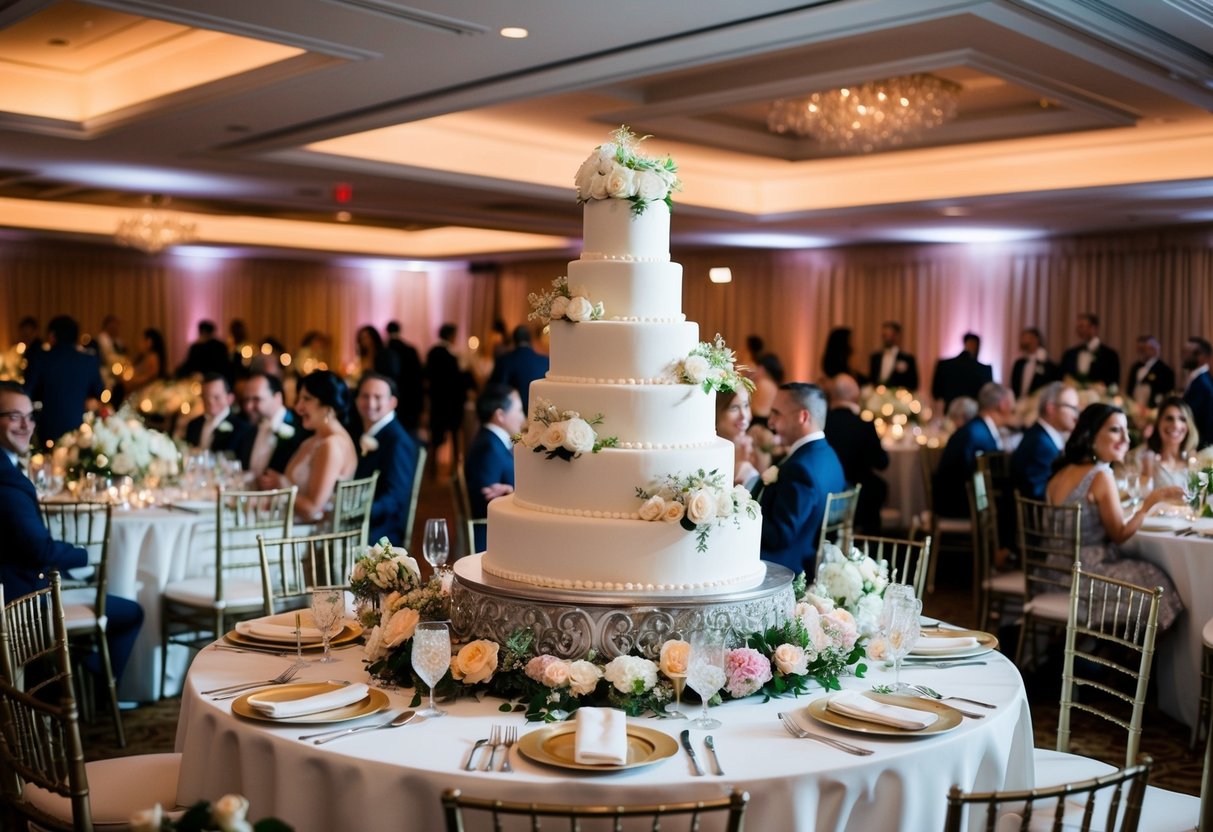
Determining who pays for the wedding reception can be complex, influenced by traditions, modern practices, and family situations. Here’s a closer look at how costs are typically divided.
Traditional Payment Distribution
Traditionally, the bride’s family covers the wedding reception costs. This typically includes expenses for catering, venue, decor, and entertainment. In many cases, this ties back to old wedding etiquette where the bride’s family took on the majority of the wedding expenses.
On the other hand, the groom’s family might fund specific items, like the rehearsal dinner or the bar. Families often discuss these details during the planning process to ensure everyone is comfortable with their contributions.
Modern Approaches to Wedding Reception Costs
Today, many couples prefer a more collaborative approach. It is common for costs to be split between both families and the couple themselves. By sharing the financial burden, everyone can contribute to creating a memorable event.
This can include arrangements for covering catering costs, decorations, and entertainment. Couples may set up a wedding budget that reflects everyone’s input, making it feel more inclusive and balanced.
The modern trend encourages open communication about finances early in the planning stage.
Considering Wedding Surveys and Etiquette
Wedding surveys show a shift in how couples and families approach financial responsibilities for receptions. Many couples prefer to blend traditional and modern practices. This might mean asking both families for support or even saving up together for specific items.
Understanding wedding etiquette can also guide decisions. Many couples find that clear conversations about who pays for what help avoid misunderstandings.
Knowing family traditions and expectations can lead to a smoother planning process, allowing you to focus on enjoying the celebration.
Additional Wedding-Related Expenses

Weddings come with various costs beyond the reception. Understanding these expenses can help you plan better and avoid surprises. Here are some key areas to consider when budgeting for your big day.
Attire, Rings, and Stationery
Your wedding attire is one of the most personal and memorable aspects of your day. The wedding dress can be a significant expense, often ranging from £500 to over £2,000. Grooms’ suits also add up, typically costing between £200 and £800. Don’t forget about accessories like veils, shoes, and jewelry.
Wedding rings are another important purchase. Depending on the style and material, prices can vary widely, with many couples spending between £1,000 and £3,000 for both rings combined.
Wedding stationery, including invitations, save-the-date cards, and thank-you notes, also requires attention. Budget around £200 to £500 for quality stationery that matches your wedding theme.
Pre- and Post-Wedding Events
Pre-wedding events, such as an engagement party or rehearsal dinner, can add to your budget. An engagement party often costs between £200 and £1,000, depending on the venue and guest list.
The rehearsal dinner usually takes place the night before the wedding. Costs can range from £300 to £1,500, based on the location and number of guests. If you want to treat your bridal party, consider buying gifts for them, which can run anywhere from £30 to £100 each.
After the wedding, the honeymoon might be a top priority. Depending on your destination and length of stay, you could spend anywhere from £1,500 to £5,000 or more. Don’t forget to factor in honeymoon expenses like meals, activities, and travel insurance.
Guests and Accommodation
If you’re inviting guests from out of town, you’ll want to consider their accommodation. This can be a hefty expense, especially if you choose a popular venue. Average hotel costs can range from £100 to £300 per night.
You might also want to arrange a group booking or find a nearby rental property, which can lower costs. Providing a list of guest accommodations can help your friends and family find suitable places to stay.
Lastly, setting aside money for additional wedding gifts for your guests, such as favors or thank-you tokens, is a nice touch. This could be anywhere from £1 to £5 per guest, depending on how elaborate you want to be.
Planning for Financial Success

To have a successful wedding reception, it’s important to manage both finances and expectations from the start. Open communication will help ensure everyone is on the same page.
Clearly outlining contributions can lead to a smoother planning process.
Effective Communication Strategies
Start by discussing financial responsibilities with your family and partners. Set a time to sit down and talk about who will contribute what amount. Use a list or a simple chart to keep things organized.
Encourage everyone to share their thoughts and concerns. This way, you can address any misunderstandings right away.
If you are hiring a wedding planner, provide them with all the details to help manage the budget. They can also suggest cost-saving ideas.
Consider creating a shared document where everyone can track contributions. This will help you see how much each person is giving and what areas still need funding.
Transparency builds trust and ensures that all parties feel valued.
Managing Expectations and Contributions
Discussing financial support early can prevent surprises later. Make sure everyone understands the costs involved.
The average wedding reception can be expensive, so consider prioritizing essential items.
Determine which aspects of the reception are most important to you. Create a budget that reflects your priorities, allocating funds for each element.
Involve all contributors in this planning process. This ensures that everyone has a say in how the money is spent.
Don’t forget to consider wedding insurance. This can provide a safety net in case plans change unexpectedly.
Clear financial planning reduces stress and allows you to focus on enjoying your special day.