
Who Pays for Wedding Reception UK? Understanding the Costs and Traditions
Planning a wedding brings a lot of joy, but it also raises important questions about costs. Traditionally, the bride’s family pays for the wedding reception in the UK. However, modern couples often share these expenses or even cover them entirely themselves. Understanding who is responsible for what can help you avoid misunderstandings and keep your planning process smooth.

Open communication is key when discussing financial contributions. Whether you’re leaning toward traditional guidelines or creating your own approach, having clear conversations can ease any stress around budgeting. Remember that what matters most is celebrating your love and making your big day special.
As you dive into your wedding plans, knowing the expectations surrounding wedding etiquette can guide your decisions. From reception venues to catering, discussing who pays for what will allow you to start your journey with confidence and clarity.
Traditions and Etiquette
Understanding wedding traditions and etiquette can help clarify who typically pays for the wedding reception in the UK. This section explores both historical perspectives and modern expectations regarding financial support.
Historical Perspectives
In the past, the bride’s family typically covered the costs of the wedding reception. This practice often included expenses for the venue, food, and entertainment. Families believed it was part of their duty to ensure a grand celebration for their daughter.
In some cases, the groom’s family also contributed, but the bride’s family generally held the main financial responsibility. This tradition stemmed from historical views about marriage and family roles. As time passed, these views evolved, leading to different expectations for financial support in modern weddings.
Modern Expectations
Today, many couples opt for a more balanced approach to covering wedding costs. You may find that families are splitting expenses more evenly. Both the bride’s and groom’s families often chip in for the wedding reception. This shift reflects changing social norms and the desire for a more inclusive celebration.
Moreover, it’s common for couples to contribute financially, especially if they are paying for the event themselves. A clear discussion with all parties involved can help manage the wedding budget effectively. This way, everyone feels valued and included in the planning process.
Planning and Budgeting

When organizing a wedding reception, careful planning and budgeting are essential. It is important to set clear financial boundaries, allocate expenses effectively, and apply sound financial planning tips to keep everything on track.
Setting a Wedding Budget
Start by determining a realistic wedding budget. Consider how much you and your partner can afford to spend. This should include contributions from families if applicable.
Make a list of all potential wedding expenses such as the venue, catering, decorations, and entertainment. Here’s a simple allocation:
- Venue Rental: 30%
- Catering: 25%
- Decorations: 15%
- Photography/Videography: 10%
- Entertainment: 10%
- Miscellaneous Costs: 10%
Adjust these percentages based on your priorities. Remember, flexibility is key as wedding costs can change unexpectedly.
Allocating Expenses
After setting a budget, outline who pays for what. Traditionally, the bride’s family covers the reception costs, but many couples today choose to split expenses between both families or cover them themselves.
Create an expense sheet to track all costs. List each item and its estimated cost. Having a clear picture of expenses can help avoid misunderstandings.
To simplify, consider using tools like budgeting apps or spreadsheets. This helps keep everything organized and clear. Regularly check in with everyone involved to ensure everyone is on the same page.
Financial Planning Tips
To manage your wedding costs effectively, start saving early. Setting aside a little each month can add up to a substantial amount by the wedding date.
Look for discounts and deals, especially during off-peak seasons. Consider a smaller guest list to reduce costs. This can also help create an intimate and memorable atmosphere.
Don’t forget to factor in unexpected costs. Setting aside a contingency fund of around 10% of your total budget can help manage surprises. With good planning and open communication, you can enjoy your special day without financial stress.
Key Wedding Expenses
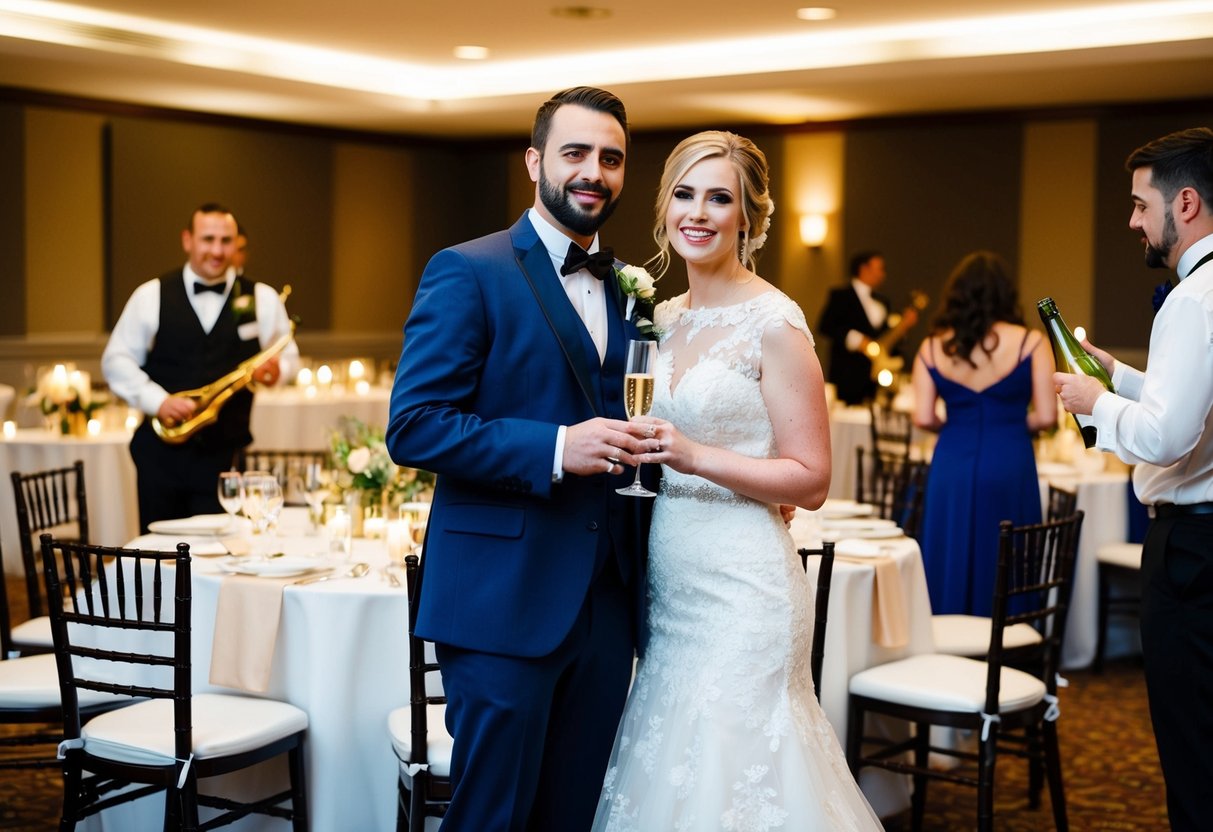
When planning your wedding reception, it’s essential to know the key expenses you’ll encounter. These costs can vary greatly based on your choices and the scale of the event. Here are the main areas to focus on.
Attire and Rings
Your wedding attire is likely one of the most memorable parts of the day. The wedding dress can range from hundreds to thousands of pounds. Don’t forget about the groom’s suit, which also adds to the total.
Wedding rings are another significant expense. Couples usually spend a considerable amount choosing the right rings. Consider styles and materials that fit your budget while ensuring they reflect your taste.
Venue and Catering
The venue is often the largest expense in your wedding budget. Renting a hall or a unique location can cost anywhere from a few hundred to several thousand pounds.
Catering is equally important as it directly impacts the guest experience. You’ll need to choose between plated meals, buffets, or food stations. Expect to pay around £50 to £100 per person, depending on the menu. Don’t forget about the wedding cake! This sweet addition can range from simple designs to elaborate creations, and can be another £200 or more.
Photography and Flowers
Capturing your special day is crucial, making wedding photography a worthwhile investment. A good photographer may cost anywhere from £1,000 to £3,000 or more, depending on their experience and packages.
Wedding flowers also play an essential role in setting the atmosphere. From bouquets to centerpieces, costs can vary widely based on the types and arrangements of flowers you choose. On average, expect to budget around £200 to £800 for floral arrangements.
Additional Considerations
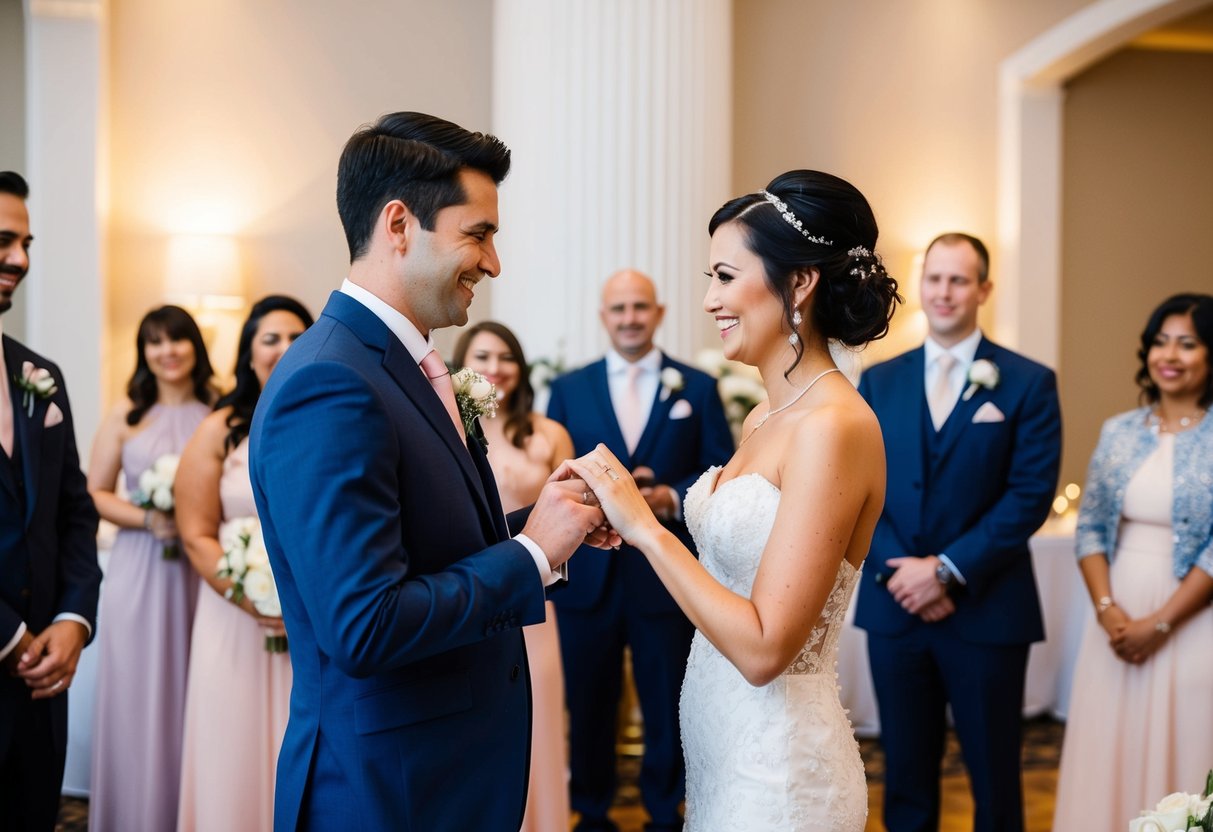
When planning your wedding reception, there are important factors to keep in mind regarding your guests and any pre-wedding events. These elements can affect both the budget and the overall experience for everyone involved.
Guest Considerations
Think about where your guests will stay during the wedding. Guest accommodation is important, especially for those traveling from afar. You might want to reserve a block of rooms at a nearby hotel to ensure they have a comfy place to stay.
Also, consider providing welcome bags with small touches like snacks and drinks. Wedding favours can make guests feel appreciated, so choose items that represent you as a couple. Don’t forget to include clear information about the reception venue in your wedding invitations. This helps everyone plan and arrive on time.
Pre-Wedding Events
Pre-wedding events like engagement parties and rehearsal dinners often have their own costs. You may want to budget for these gatherings, as they can be a wonderful way for families to meet and celebrate ahead of the big day.
An engagement party is a chance for friends and family to toast your upcoming wedding. It can be casual or more formal, depending on your style.
Similarly, a rehearsal dinner allows you to gather with loved ones and practice for the ceremony. Both events provide an opportunity to create special memories before your wedding day.