
Who Pays for Your Wedding Ring? Understanding the Traditions and Modern Practices
When it comes to your wedding ring, you might wonder about the traditions and expectations around who foots the bill. Traditionally, the bride and her family pay for the groom’s wedding ring, while the groom and his family are responsible for the bride’s engagement ring and wedding rings. However, many couples today choose to share costs, making decisions that suit their unique relationship and financial situation.
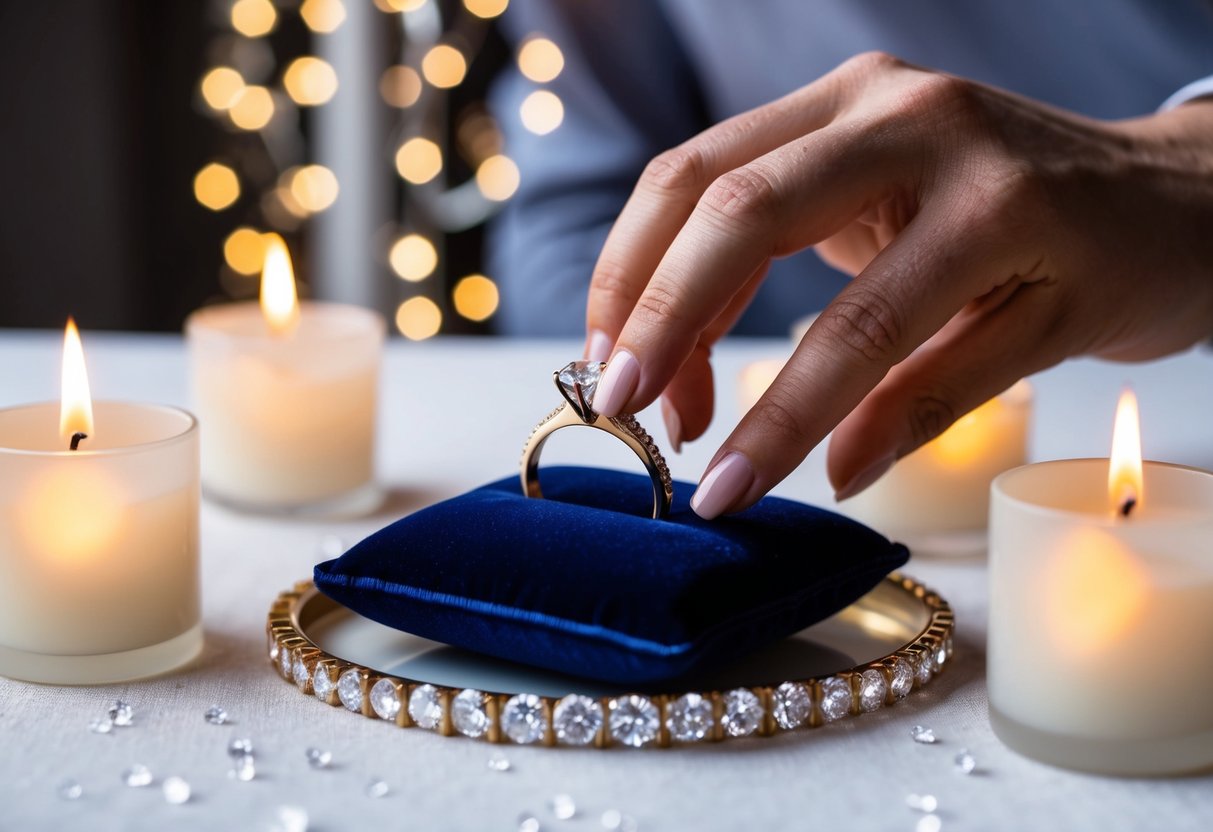
It’s important to discuss these decisions openly with your partner. Talking about budgets, preferences, and styles can help ensure that both of you feel comfortable with the financial aspects.
Whether you stick to tradition or create your own plan, knowing how to navigate these conversations can make the experience even more enjoyable.
As wedding planning gets underway, understanding who pays for the rings can help you avoid misunderstandings. So, let’s explore the various customs, modern options, and tips to make this part of planning your special day a breeze!
The Tradition of Ring Exchange
The exchange of wedding rings is a meaningful act that symbolizes love and commitment. Understanding the background of this tradition helps you appreciate its significance in your own life.
Historical Perspective of Wedding Rings
Historically, wedding rings date back thousands of years. Ancient Egyptians were among the first to use rings as a symbol of love. They believed that the circle represented eternity.
In ancient Rome, wedding rings were linked to the dowry. The groom’s family would provide a ring for the bride, signifying ownership and marital commitment. Over time, the meanings evolved into a symbol of love and unity.
These traditions laid the groundwork for modern wedding ring etiquette. Rings moved from a family obligation to a personal choice, reflecting your love story and values as a couple.
Modern Views on Wedding Ring Etiquette
Today, the etiquette surrounding wedding rings has shifted. Many couples consider who pays for the rings as an important aspect. Traditionally, the groom would provide both rings, but this is changing.
Now, couples often share costs or buy rings together. This approach reflects equality and partnership. It’s not uncommon for brides and grooms to choose rings that represent their styles and preferences.
Furthermore, personalized engravings or unique designs are popular. This makes the rings more meaningful. Conversations about costs and styles help ensure that both partners feel involved and valued in the planning process.
Financing the Rings
Finding the right way to pay for your wedding rings can help ease financial stress. There are several key aspects to consider: understanding costs, budgeting, and possibly involving family contributions.
Assessing Wedding Ring Expenses
First, take a close look at what wedding rings typically cost. The average wedding ring can range widely, with simple bands starting at a few hundred dollars and more intricate designs costing several thousand.
Make a list of your preferred styles and materials, such as gold, platinum, or diamonds. This will help you gauge how much you need to spend. Consider extra costs like taxes, insurance, and potential maintenance.
A good idea is to set a wedding ring budget based on your overall wedding expenses. This way, you can prioritize spending without overshooting your budget.
Budgeting for Wedding Rings
Creating a budget is essential for managing wedding ring costs. Start by determining how much you can comfortably allocate for these rings each month.
It’s also wise to establish a wedding budget that includes all your wedding-related expenses.
Divide your ring budget into categories such as design, stone quality, and metal type. This will help you see where you can compromise if needed. For instance, you might choose a simpler band to afford a higher-quality diamond.
Consider long-term financing options. Many jewelers offer payment plans, allowing you to spread costs over time. Just be sure to read the terms carefully, especially regarding interest rates and monthly payments.
Family Contributions and Joint Investment
Involving family in your wedding ring expenses can ease your financial burden. Many couples receive help from parents or other relatives. Having family contributions can make a significant difference in what you can afford.
Discuss openly with your family about their willingness to contribute. You might find that they are eager to help and share in this exciting time.
Also, think about making the rings a joint investment. Both partners can contribute to the ring budget, reflecting shared financial responsibility. This can also symbolize your future together, as you take on financial commitments as a couple.
By combining resources, you can achieve a better balance and choose rings that meet your desires and budget without going back to square one.
Deciding Who Pays for the Rings
Deciding who pays for the wedding rings can be a sensitive topic. Open communication and understanding each other’s financial situations are key. When both partners feel valued in this decision, it can lead to a happier start in your marriage.
Communication and Decision Making
Start by having an open discussion about finances. Talk about your budgets and how much each of you is willing to spend on rings. Be honest about your expectations.
You might choose to split the costs. Alternatively, one partner may take on the full expense or pay for their own ring. Talk about traditional norms versus modern preferences. This way, both of you can feel included in the decision.
Understanding Each Other’s Perspective
Understanding each other’s financial situation is crucial. Discuss any challenges or concerns related to buying the rings.
One partner may have more financial flexibility than the other. This can affect how you approach the expense.
Listen to each other’s views. Discuss any cultural or family traditions that might influence your decision.
Showing empathy during this stage helps build trust. This can turn a potentially tough discussion into a supportive conversation.
Finalizing the Decision
Once you’ve communicated openly, it’s time to make a decision. Review the options you’ve discussed. If you’ve decided to share the cost, clarify how much each person will contribute.
A budget table can help illustrate how much each ring might cost. For example:
| Ring Type | Estimated Cost | Who Pays |
|---|---|---|
| Engagement Ring | $2,500 | Partner A |
| Wedding Bands | $1,000 | Split |
By clearly laying out costs, you can avoid misunderstandings later. After reaching a decision, confirm that both of you are comfortable. Finalizing this process together helps set a positive tone for your wedding planning.
Ring Selection and Considerations
Choosing your wedding ring is an exciting journey. You’ll want to consider both the materials and how your lifestyle affects your choice. Let’s explore these important factors in detail.
Materials and Gemstone Choices
When selecting your wedding ring, the material plays a crucial role. Popular options include yellow gold, white gold, and platinum. Each metal has its own characteristics.
- Yellow Gold: This classic choice is warm and traditional, often recognized for its timeless appeal.
- White Gold: An elegant alternative that has a modern feel, it is alloyed with metals like nickel for strength.
- Platinum: Known for its durability and natural white sheen, platinum is ideal for those seeking a finer metal.
Gemstones are another key consideration. Diamonds are the most popular choice for engagement rings due to their brilliance and hardness. However, colored gemstones like sapphires or emeralds offer unique options that can reflect your personality.
Consider the cost of wedding rings when choosing, as diamonds are generally more expensive than other stones.
Lifestyle and Personal Preferences
Your lifestyle should significantly influence your ring choice. Consider how often you use your hands for work or hobbies. If you lead an active life, a more durable ring may be best.
You might prefer a wedding band that sits flush against your engagement ring. This sleek style can be less prone to damage. Engraving can add a personal touch, making the ring truly yours.
Think about designs that resonate with your taste.
Ultimately, your choice should reflect who you are and what matters to you. Take the time to explore options that align with your personal style. They should offer comfort and beauty as you wear it every day.