
Who Reads the Vows at a Wedding? Understanding the Roles in Your Ceremony
On your wedding day, the moment when you declare your love and commitment through your vows is truly special. Typically, the officiant reads the vows, helping you express your promises to each other during the ceremony. This person can be a pastor, rabbi, minister, or even a friend who has been certified to officiate weddings.
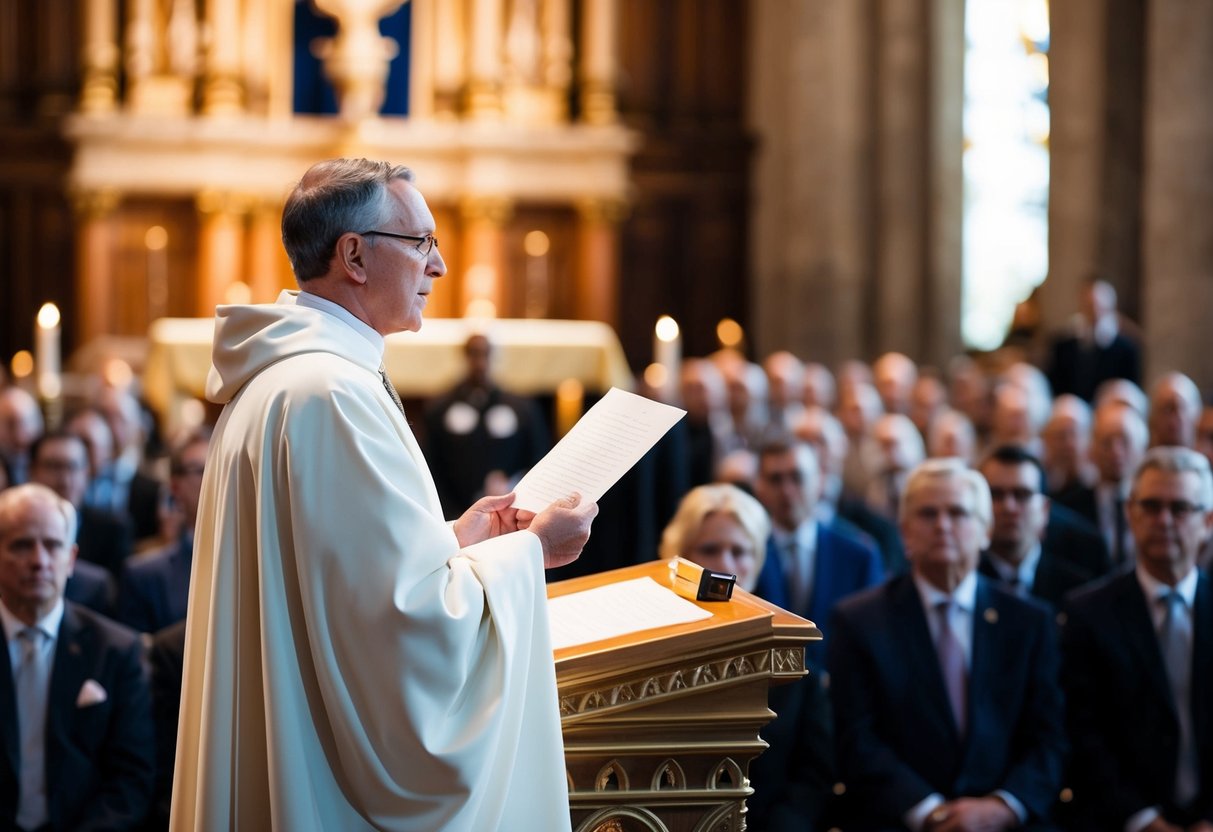
Understanding who reads the vows can help you feel more prepared as you plan your big day. Knowing that the officiant guides this essential part of the ceremony allows you to focus on the love you are celebrating. Whether it’s traditional vows or personal ones, this moment marks the beginning of your journey together.
As you imagine saying your vows in front of family and friends, think about how meaningful it feels to share your commitment. Embracing this experience with your officiant will create a powerful memory that lasts a lifetime.
Roles in a Wedding Ceremony
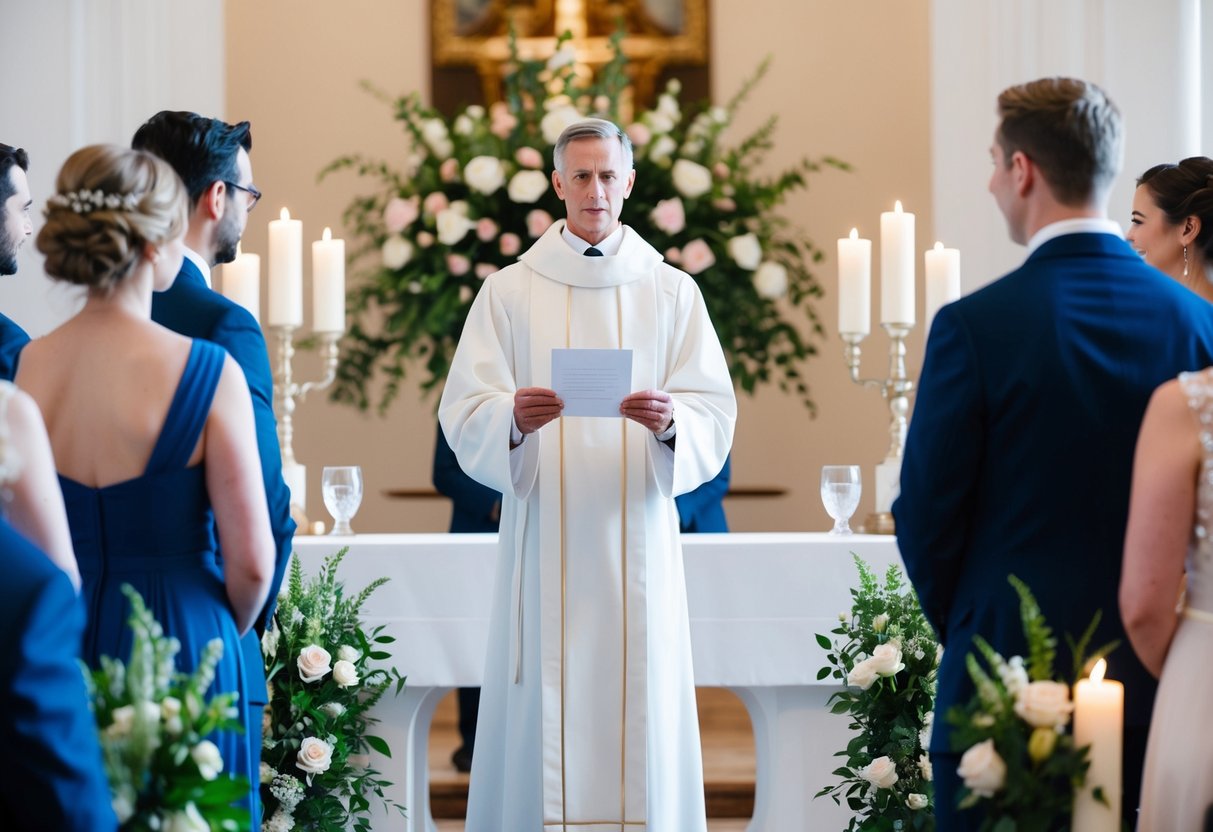
In a wedding ceremony, various roles are important for a smooth and meaningful experience. Key players include the officiant and the bridal party. Understanding their responsibilities helps ensure that everything runs nicely on your special day.
The Officiant’s Responsibilities
The marriage officiant plays a crucial role in your wedding. This person is responsible for leading the ceremony, guiding you and your partner through the vows, and ensuring that everything is legally binding.
You can choose between a religious officiant or a civil officiant based on your personal preferences. A religious officiant usually conducts the ceremony in a religious setting, while a civil officiant can perform weddings in various venues.
During the ceremony, the officiant introduces the event, assists with the exchange of vows, and makes sure that all parts of the ceremony are followed. Their supportive presence helps set the tone, making the day more special for you and your guests.
Bridal Party and Groomsmen Involvement
The bridal party and groomsmen are not just there to look great; they have meaningful roles as well. The bridesmaids and groomsmen support you and your partner throughout the day, providing help and encouragement.
Bridesmaids often assist in planning events like the bridal shower and bachelorette party. During the ceremony, they stand beside you, ensuring you feel comfortable. Groomsmen also offer support, often helping the groom stay calm.
It’s common for members of the bridal party to take part in readings or special presentations during the ceremony. This involvement makes the event feel personal and creates shared memories. Having your friends and family close by adds to the joy and significance of the day.
Structure of The Vow Exchange
The vow exchange is a key moment in your wedding ceremony. It can follow traditional customs or take a more modern approach. Personal elements are often included, making it a unique reflection of your relationship.
Traditional Order of Vows
In many ceremonies, the traditional order of vows starts with the officiant asking the couple to declare their commitment. Typically, one partner goes first, repeating their vows after the officiant. Then, the second partner does the same.
Key steps often include:
- Introduction by the officiant: Setting the stage for this important moment.
- First partner’s vows: A declaration of love and promises.
- Second partner’s vows: A chance to express feelings and commitments.
Following this structure helps create a feeling of unity and shared purpose.
Modern Takes on Vow Exchange
More couples are choosing to personalize their vows. This can mean writing your own vows or adapting traditional ones to reflect your relationship.
You might decide who says their vows first based on personal preference. For example, some opt for the partner who is more comfortable speaking in front of others.
Modern elements may include:
- Personal stories: Sharing anecdotes that showcase your journey together.
- Humor: Light-hearted moments can make your vows memorable.
- Inclusivity: For same-sex couples, vows can focus on equality and love without traditional constraints.
These modern adaptations allow for a more meaningful connection during the exchange.
Inclusivity and Personalization
Your vows can embrace inclusivity and reflect your values. This can be important for same-sex couples or those with differing religious beliefs.
Adding personal elements can make your exchange unique. You might choose to write personalized vows that highlight special moments or shared experiences.
Consider these aspects:
- Equality in language: Use terms that reinforce the partnership.
- Representation of beliefs: Acknowledge diverse backgrounds and traditions.
- Creative expressions: Incorporate symbols, gifts, or shared promises.
By focusing on what feels right for you, the vow exchange becomes a true celebration of your love.
Key Moments Surrounding Vows
During a wedding ceremony, several key moments lead up to and follow the exchange of vows. These moments not only highlight the significance of the ceremony but also offer a structured flow that everyone can enjoy.
Processional and Recessional
The processional marks the beginning of the ceremony. This is when the wedding party, including bridesmaids, groomsmen, and the couple, walks down the aisle. Traditionally, the bride is the last to enter, creating a moment of anticipation.
After the vows are exchanged, the recessional occurs as everyone exits the ceremony space. This is typically a lively moment, often accompanied by music, celebrating the newlyweds’ first steps as a married couple.
Ring Exchange and Unity Rituals
The ring exchange is a traditional part of the ceremony. It symbolizes the commitment and love shared between the couple. Each person places a ring on the other’s finger, usually accompanied by heartfelt words.
Many couples also choose to include unity rituals during this time. These can vary widely, from lighting a unity candle to pouring sand into a single container. Such rituals personalize the ceremony and showcase your unique bond.
Declaration of Intent
The declaration of intent is an essential part of the ceremony. The couple affirms their willingness to marry each other, often with phrases like, “I do.” This establishes the legal and emotional commitment you are making.
Closing Remarks
Following the vows, the officiant often delivers closing remarks. This wraps up the ceremony and may include blessings or well wishes for your life together. It sets the stage for the festivities to follow and can be tailored to reflect your personalities and values.