
Who Should Be at the Top Table at a Wedding? A Guide for Couples
When planning your wedding, one important aspect to consider is who sits at the top table. The top table typically includes you, your partner, and your immediate family, such as parents and siblings, creating a special moment during your big day. This seating arrangement allows everyone to celebrate together, and it’s a chance for your loved ones to be close while enjoying the festivities.
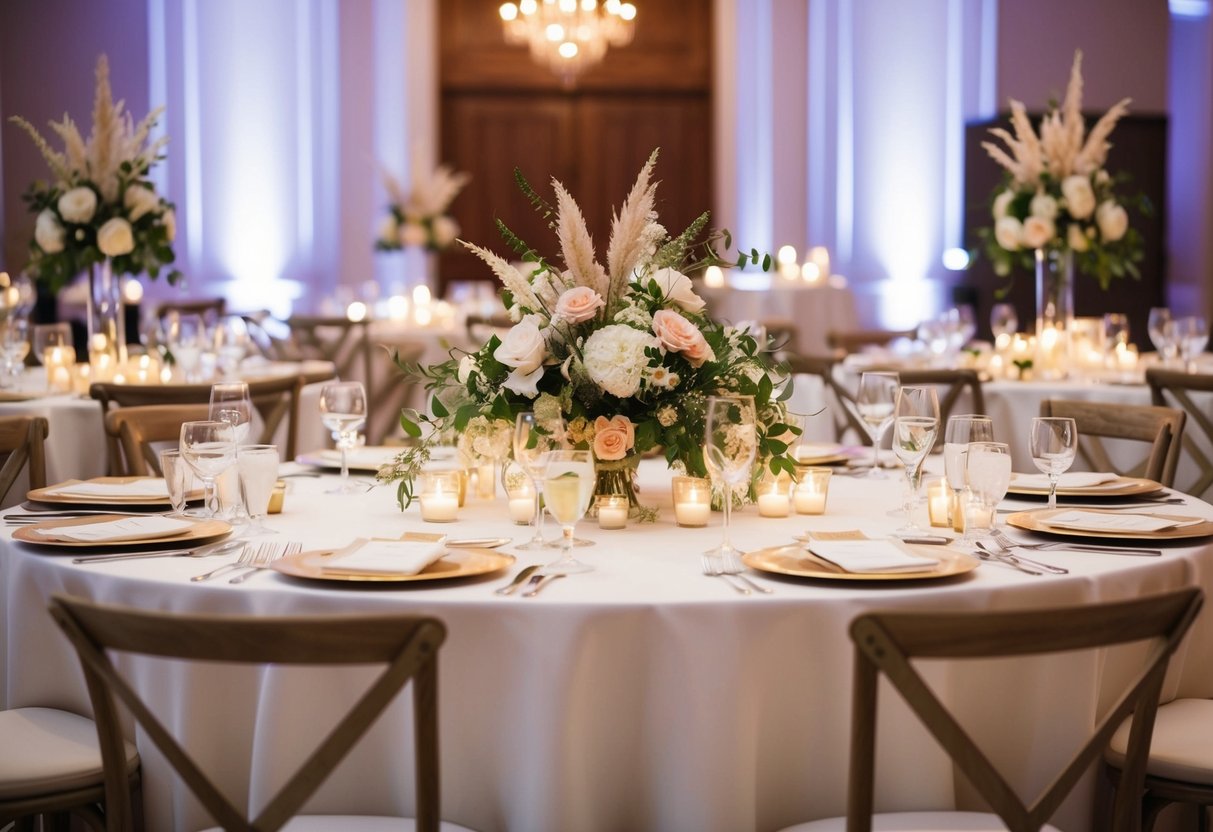
Choosing the right people for the top table can affect the atmosphere of the reception. You want to surround yourselves with those who mean the most to you, making it a memorable experience. Having a thoughtful seating plan can also keep any potential family dynamics in check, ensuring your special day goes smoothly.
As you embark on your wedding planning journey, keep in mind that the top table is not just a place for you and your family; it’s a symbol of unity and celebration. Making the right choices here helps set the tone for the entire reception, allowing everyone to share in the joy of your union.
Understanding Top Table Variations

The top table at a wedding can take on different forms based on the couple’s preferences and the size of the guest list. Whether you lean towards tradition or a more casual atmosphere, there are several layouts you can consider to celebrate the union of two families.
Traditional Top Table
In a traditional top table layout, you typically find the bride and groom seated in the center. This arrangement symbolizes the joining of two families. To the left and right, the couple’s parents are usually placed.
For example:
- Left Side: Bride’s parents (often the mother next to the groom’s father).
- Right Side: Groom’s parents (with the bride’s mother next to the groom).
Additionally, the best man and maid of honor often join the couple at the table. This layout emphasizes family and support during the wedding celebration, aligning with classical wedding customs.
Intimate Sweetheart Table
If you prefer a more private setting, consider a sweetheart table. This option allows just the two of you to sit together, focusing on your moment without the distractions from larger groups.
A sweetheart table looks like this:
- Positioned for an intimate view of your guests.
- Decorated uniquely to spotlight you as the main attraction.
This setup is great for creating a quiet space amidst the wedding festivities. You can choose a cozy design that reflects your style while still being part of the overall wedding atmosphere.
Party Table
For a lively event, a party table is an excellent choice. This option allows your whole wedding party to sit with you, making the celebration feel upbeat and fun.
In this setup:
- The couple sits in the center with friends and attendants on either side.
- It brings everyone together, emphasizing friendship and shared joy.
You could even consider arranging a larger table that includes close friends or family members who are special to you. This choice creates a lively and inclusive environment, making the top table an essential part of your wedding’s spirit.
The Key Players at the Top Table
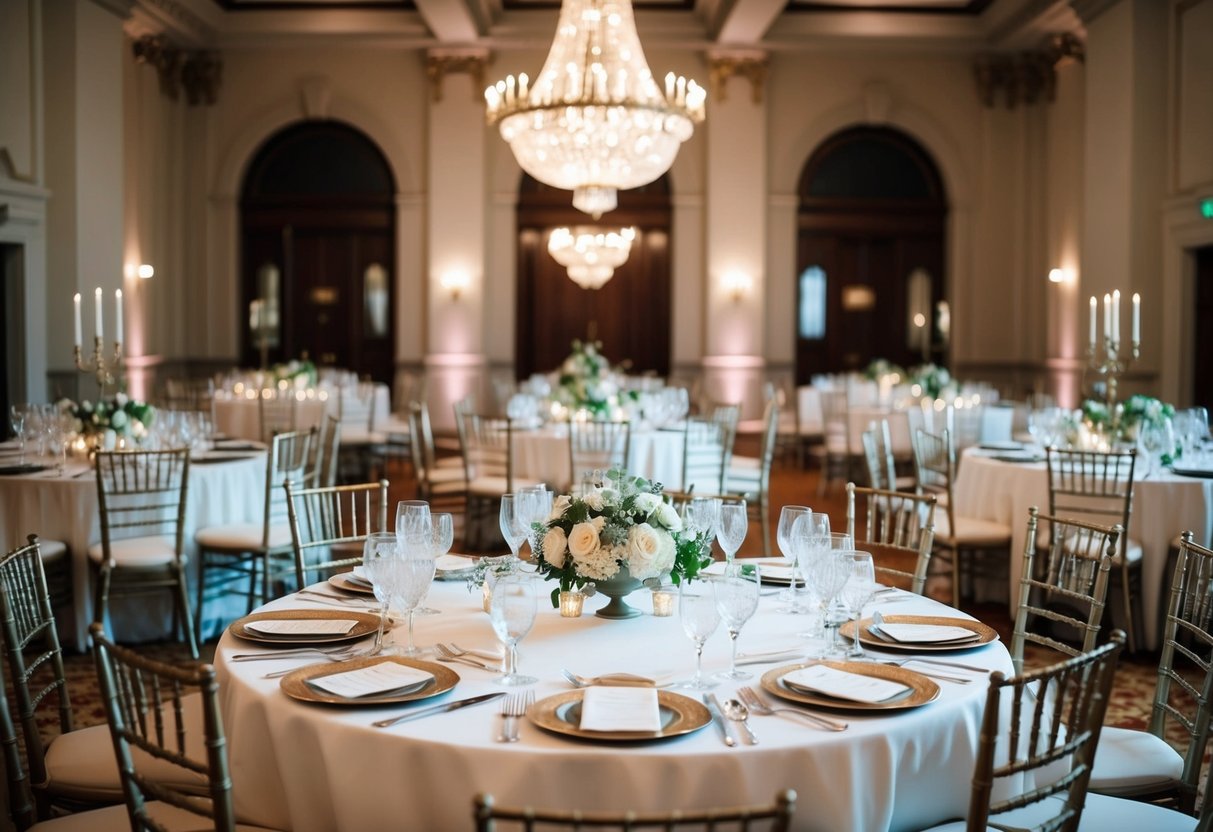
At the top table during your wedding reception, there are several important roles filled by special people in your life. Each of these key players has a unique place and significance that adds to the celebration.
Bride and Groom
You sit at the center of the top table as the bride and groom. This is your special moment, and it’s where you share your joy with your loved ones. Your seats are often flanked by your closest family and friends, highlighting the importance of your relationships.
Your position emphasizes your partnership and love. It’s a chance for everyone to see you as a couple. Make sure the table is adorned with meaningful decorations, such as flowers or photographs, to represent your journey together.
Maid of Honour and Best Man
The maid of honour and best man stand by your side at the top table. These are typically your closest friends who support you throughout the wedding planning and on the big day. The maid of honour is usually seated to your left, while the best man sits to your right.
Their presence signifies loyalty and friendship. Plus, they often give speeches that add laughter and sentiment to the event. Their roles are crucial in making sure everything runs smoothly during the reception, providing you with peace of mind.
Bridesmaids and Groomsmen
Bridesmaids and groomsmen also play vital roles at the top table. They are your chosen companions who have supported you throughout your relationship. Usually, bridesmaids sit on one side and groomsmen on the other to create a balanced look.
Including them at the top table celebrates your friendships and shared experiences. They can enjoy the special meal with you and participate in toasts, making wonderful memories together. This arrangement helps to create a festive atmosphere that reflects your bond.
Family Members and Step Parents
Family members, including your parents and step-parents, are essential at the top table. Traditionally, the bride’s parents sit together, along with the groom’s parents. This might vary based on your family dynamics, so make sure to communicate with everyone involved.
Including step-parents recognizes the changing family structures. Their presence signifies support and encouragement as you embark on your new journey. This seating arrangement is a lovely way to honor both sides of your family, creating a sense of unity on your special day.
Navigating Complex Family Dynamics
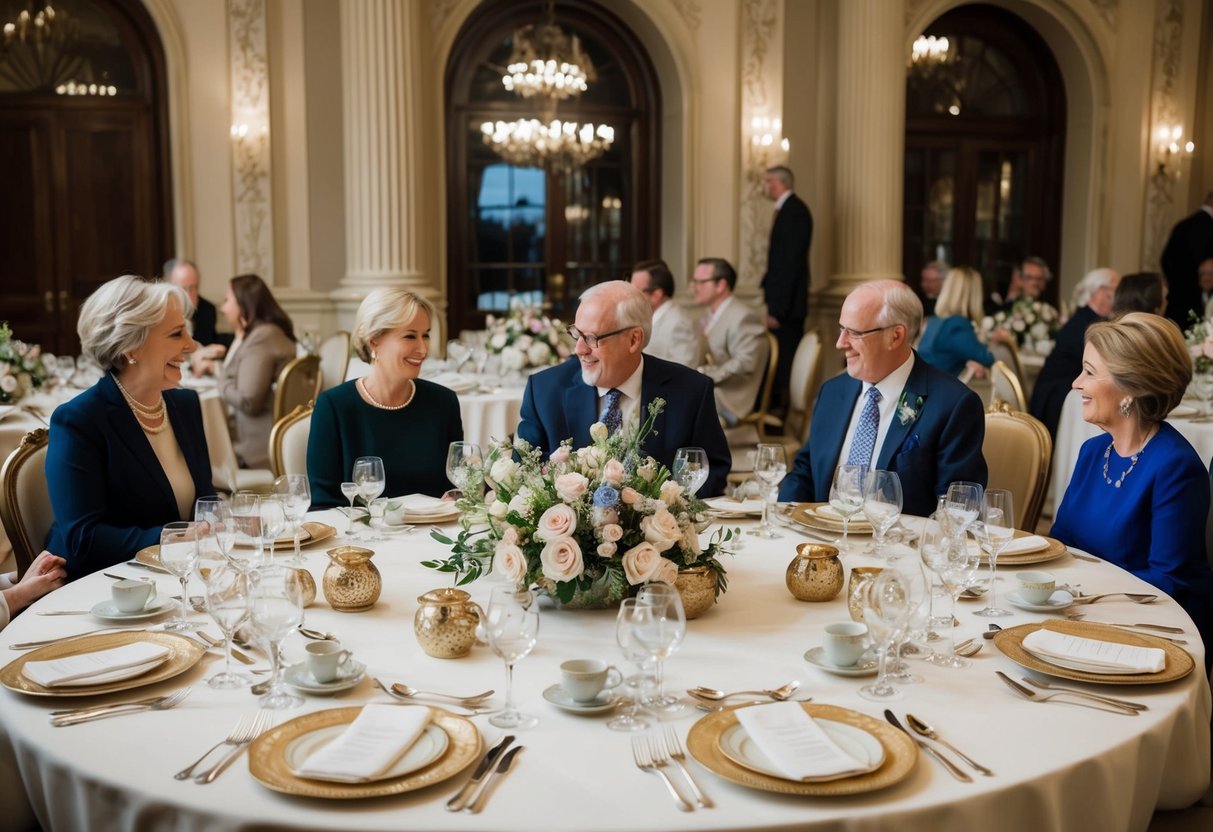
Weddings often bring together family members with different histories and relationships. It’s important to acknowledge these dynamics when planning your top table. By carefully considering each guest’s feelings, you can create a harmonious atmosphere that honors everyone involved.
Seating Divorced Parents
Seating divorced parents at your wedding can be tricky. It’s essential to discuss their preferences ahead of time. Ask them how they feel about being seated next to or across from each other.
One option is to place them at separate tables while still giving them prominent spots. This way, they can celebrate without discomfort. Make sure their seating allows for easy interaction with others, keeping your guest list in mind.
Consider using name cards that respect each parent’s space while also recognizing their roles in your life. Open communication can help ease tensions and ensure that both parents feel included in your special day.
Honoring Special Relationships
Your wedding is a perfect time to honor unique family relationships that matter to you. Think about people who have played significant roles in your life, like grandparents, stepparents, or close family friends.
You might choose to have them at the top table to acknowledge their support. When creating your seating arrangements, be mindful of personal preferences. Speak with those involved to understand how they wish to be included.
Keeping special relationships in mind will help create a warm atmosphere. It also shows appreciation for those who mean the most to you. Your choices can promote joy and togetherness among all your guests.
Finalizing Your Top Table Seating Plan
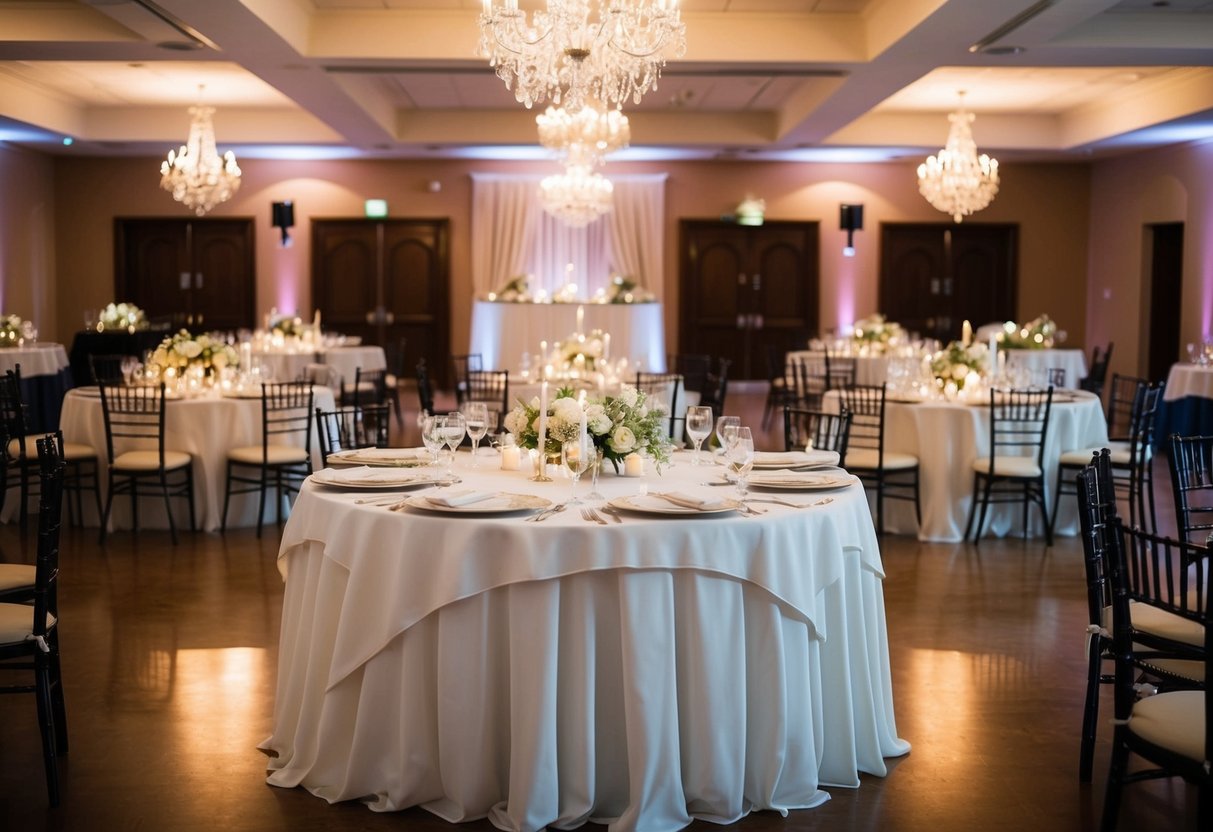
Creating your top table seating plan is an important part of wedding preparations. It’s crucial to think about who you want around you and how the arrangements can impact your special day. Here’s how to tackle this task effectively.
Wedding Reception Seating Etiquette
Seating etiquette at your wedding reception helps create a pleasant atmosphere. Start by prioritizing your closest family and friends. Place your parents and siblings at the head table, as they play significant roles in your life.
Consider the dynamics between guests. Avoid seating individuals who may not get along near each other. This helps ensure everyone enjoys the celebration. Think about including bridal party members at the head table or having a separate table for them if you prefer.
Lastly, remember to check if any guests have special needs, such as mobility issues. Make their comfort a priority in your seating arrangement.
Creating a Seating Chart
Once you’ve decided who sits where, it’s time to create a seating chart. Start with a layout of the venue, marking the head table and other tables. Use paper or digital tools to visualize arrangements.
Make a list of guest names and their assigned tables. This helps you stay organized. Consider using a digital tool or app to make changes easier.
If you have a large guest list, consider grouping guests by relationship. For example, families, friends, and coworkers can each sit together. This encourages mingling, making everyone feel included.
Managing RSVPs and Last-Minute Changes
RSVPs play a vital role in finalizing your seating plan. So, send out invitations early and ask for responses by a specific date. This gives you ample time to adjust the seating if needed.
Be prepared for last-minute changes. Guests might cancel or bring a plus one. So, stay flexible in your seating chart to accommodate these changes.
Creating small signs or charts at the venue can help guests find their seats quickly. It’s a helpful way to manage the flow during your reception without unnecessary stress.