
Who Should Pay for the Wedding UK? Navigating Tradition and Modern Expectations
Planning a wedding can be exciting, but figuring out who pays for the wedding can be tricky. Traditionally, the bride’s family covers most of the costs, especially the reception, while the groom’s family often takes care of the honeymoon expenses. However, many couples now share costs or use their own savings.

Understanding wedding etiquette can help ease this process. Friends and family may also contribute, often depending on cultural customs and individual arrangements. Knowing who typically pays for what can guide your discussions, ensuring everyone feels comfortable with their roles and responsibilities.
As you navigate these financial waters, remember that open communication is key. Collaborating with your partner and both families can lead to a fair arrangement that reflects everyone’s wishes. Embracing modern approaches can make planning smoother and more enjoyable for you.
Understanding Wedding Expenses
Planning a wedding involves knowing what costs you will face. It’s helpful to break down these expenses, understand traditional roles in covering them, and recognize the average wedding costs in the UK. This can make budgeting easier and less stressful for you.
Breaking Down the Costs
Weddings can be expensive, so it helps to know what you’re paying for. Here’s a basic breakdown of common wedding expenses:
- Venue: This is often one of the largest costs. Prices will vary based on location and capacity.
- Catering: Food and drinks can quickly add up, especially if you have a large guest list.
- Attire: This includes the bride’s dress, groom’s suit, and outfits for the wedding party.
- Flowers and Decor: Don’t forget about bouquets, centerpieces, and other decor elements.
- Photography/Videography: Capturing your special day is important, but these services can be pricey.
Knowing these categories helps you create a solid wedding budget.
The Role of Wedding Etiquette
Tradition plays a big part in who pays for various wedding expenses. In the UK, it’s common for the bride’s family to cover most costs. This includes:
- Venue and catering
- Photography and flowers
- Wedding attire
The groom’s family often takes on specific costs, like the honeymoon and the rehearsal dinner. While these traditions guide many couples, you can always adapt them to fit your situation and preferences.
Average Wedding Cost in the UK
The average cost of a wedding in the UK is around £20,700, though it can be higher depending on your choices. Here are some typical price ranges for major expenses:
- Venue: £3,000 to £12,000
- Catering: £2,000 to £7,000
- Photography: £1,000 to £2,500
- Flowers: £400 to £1,500
Being aware of these average costs can help you set a reasonable wedding budget. It’s crucial to prioritize what’s most important to you and your partner when planning.
Financial Responsibilities of the Bride and Groom
When planning a wedding, it is important to understand who typically covers what expenses. This can help avoid misunderstandings and ensure a smoother planning process for everyone involved.
Bride’s Family Contributions
Traditionally, the bride’s family plays a major role in financing the wedding. They often handle costs like the ceremony venue, decorations, and catering. In many cases, the bride’s parents also cover the wedding dress and accessories.
They may take on other expenses, such as flowers, invitations, and photography. These contributions can vary depending on family preferences and financial situations. It’s a good idea for your families to communicate openly about their abilities and willingness to participate.
Groom’s Family Contributions
The groom’s family also has financial responsibilities. Typically, they cover the cost of the rehearsal dinner, which is a chance for both families to get to know each other better. Also, the groom’s parents might assist with the cost of transportation for the wedding party.
The groom himself is usually responsible for the engagement and wedding rings. These costs can vary widely, so it’s important to set a budget beforehand. Keeping communication open with your partner’s family can help clarify expected contributions.
Allocating Expenses
It’s helpful to make a list of all wedding expenses and divide them accordingly. You might start with major costs, such as venue and catering, then move on to smaller items like favors and gifts.
Consider using a spreadsheet to track costs and who will pay for what. Discussing and agreeing on these details early can prevent confusion later on. Feel free to adjust financial responsibilities based on what works best for both families. The key is to ensure everyone feels comfortable with their roles, allowing for a joyous celebration.
Key Elements of the Wedding
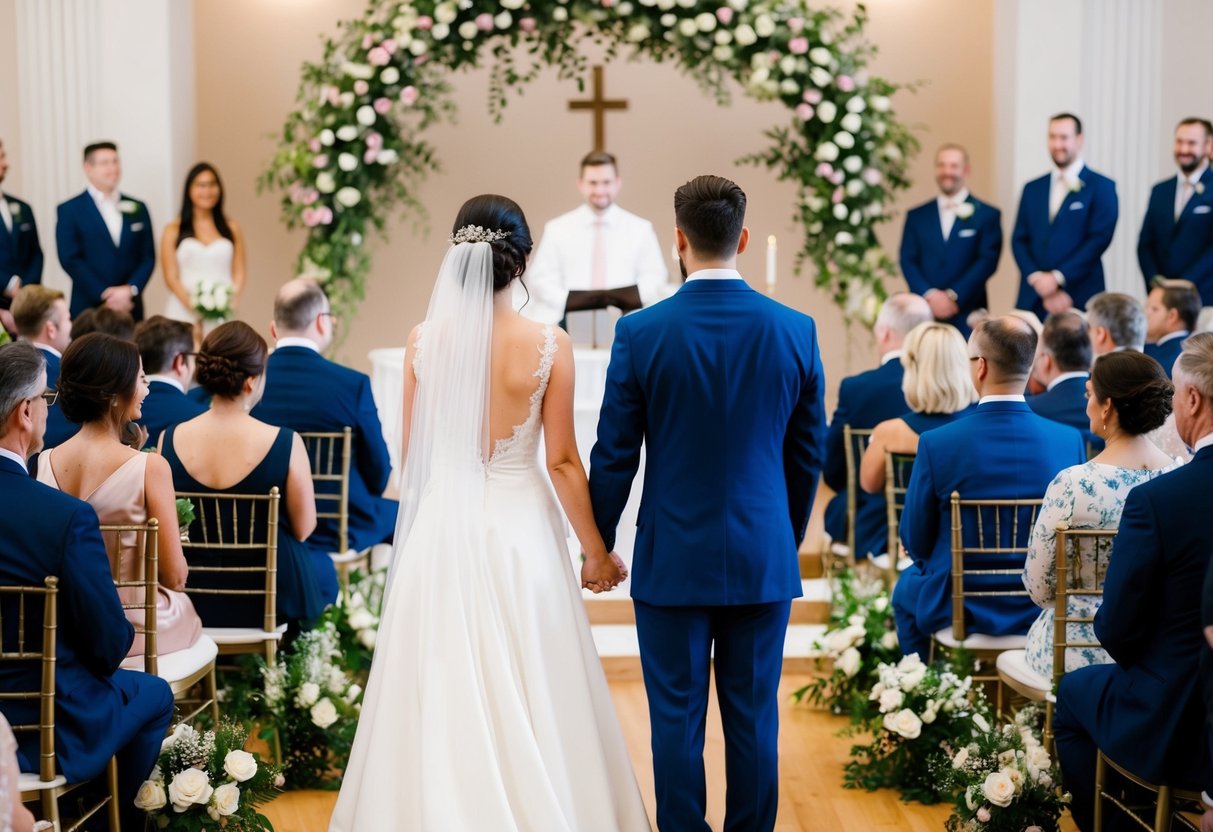
Planning your wedding involves various key elements that can significantly affect your budget. Understanding these details can help you make informed decisions about who pays for what.
Venue and Catering Costs
Choosing the right wedding venue is one of the most important steps. Venues can vary greatly in price, depending on location and size. You might find options ranging from charming barns to luxurious hotels.
Once you have a venue, consider the catering costs. This typically includes food and drinks for your guests. Most caterers offer packages per person, which can help you estimate your total cost. Don’t forget to include the wedding cake, which can also add to your catering bill.
Attire and Accessories
Your wedding outfit is crucial to your big day. The wedding dress often comes as the biggest expense. The cost can vary based on style and designer. It’s also essential to think about accessories like shoes, veils, and jewelry.
Don’t overlook the groom’s attire and any wedding rings. These can also add up quickly. Planning early will help you keep track of these costs and allow for adjustments if needed.
Ceremony and Reception Details
Ceremony and reception details make your day special. This includes things like wedding stationery, which can be an ongoing cost for invitations, programs, and thank-you cards.
You should also plan for decorative items like buttonholes and bouquets for you and your bridal party. These small touches make a big impact during the ceremony and reception.
Additional Wedding Considerations

In planning your wedding, consider the events leading up to the big day, the importance of documenting moments, and preparing for final touches or unexpected costs. Each aspect plays a key role in ensuring everything goes smoothly.
Pre-Wedding Events
Pre-wedding events, like the engagement party, are a great way to celebrate with family and friends. You might decide to host this event yourself or ask your family for help. The costs can vary, so it’s wise to set a budget early on.
A wedding planner can assist you with organizing these events. They can help ensure your engagement party reflects your style and vision. Plus, they can handle many details, allowing you to enjoy the moment without added stress.
Documenting the Day
Capturing your wedding day through photography and videography is essential. A professional photographer will help you remember the special moments forever. When choosing a photographer, review their portfolio and discuss your desired style.
Make sure to budget for both photography and videography. Packages vary, so you may find options that include a pre-wedding shoot, which is a wonderful addition. Remember to communicate with your chosen vendor about important moments you want captured.
Final Touches and Unexpected Costs
Final touches often include floral arrangements, décor, and the wedding cake. These details help create the perfect atmosphere for your celebration.
Consider booking these services well in advance to avoid last-minute stress.
It’s also crucial to plan for unexpected costs. Wedding insurance can provide peace of mind for both you and your family.
Additionally, consider the cost of your wedding night hotel, as it can vary based on location and amenities.