
Who Sits at Front of Wedding Ceremony? A Guide to Seating Arrangements
When planning your wedding ceremony, figuring out who sits at the front is important. Typically, the parents of the bride and groom occupy the first row. The bride’s family sits on the left and the groom’s on the right. This arrangement helps to honor both families and sets the stage for a beautiful celebration.
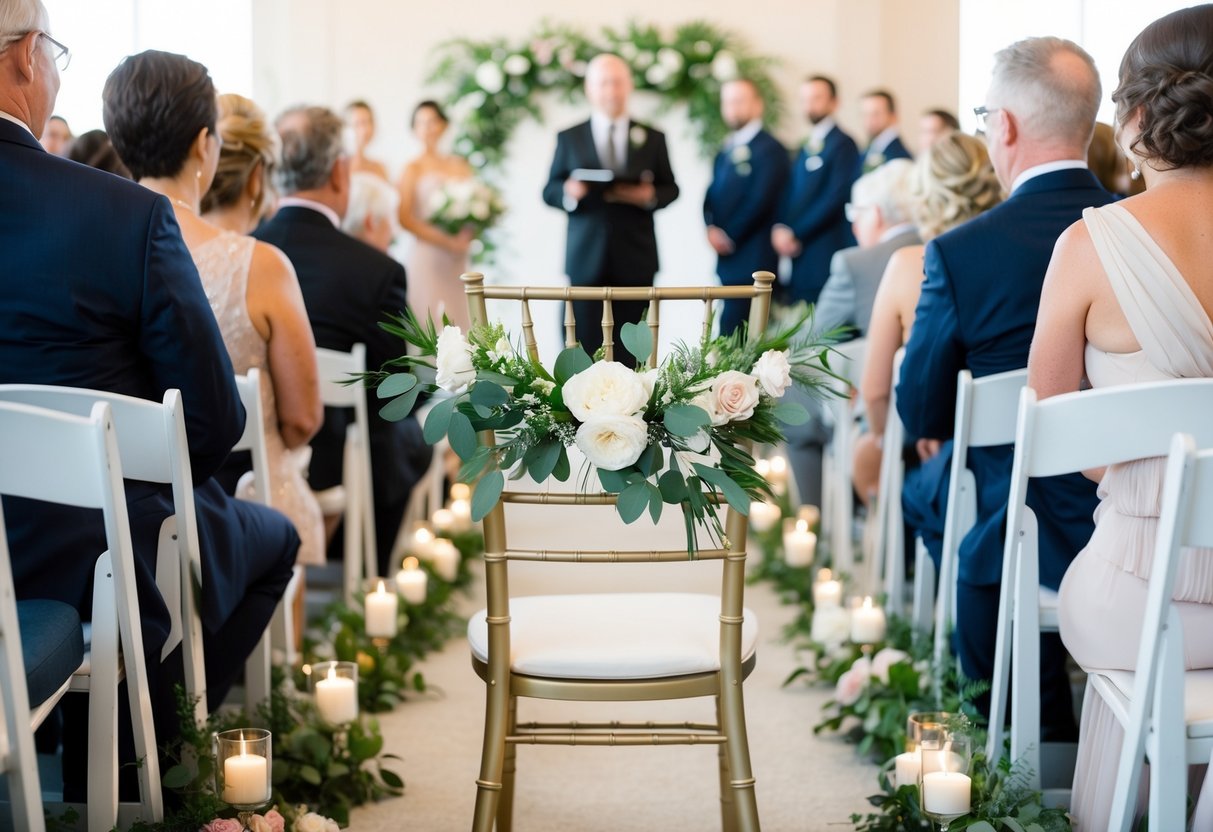
In addition to parents, special guests like grandparents or close relatives might also be seated in the front. Strategic seating can make your ceremony feel more intimate and meaningful. It’s also a great way to ensure that everyone you cherish is part of the moment right at the front.
As you think about your ceremony seating, keep in mind the preferences and traditions that are important to you and your partner. This attention to detail will help create an event that truly reflects your love story.
Understanding Ceremony Seating Basics
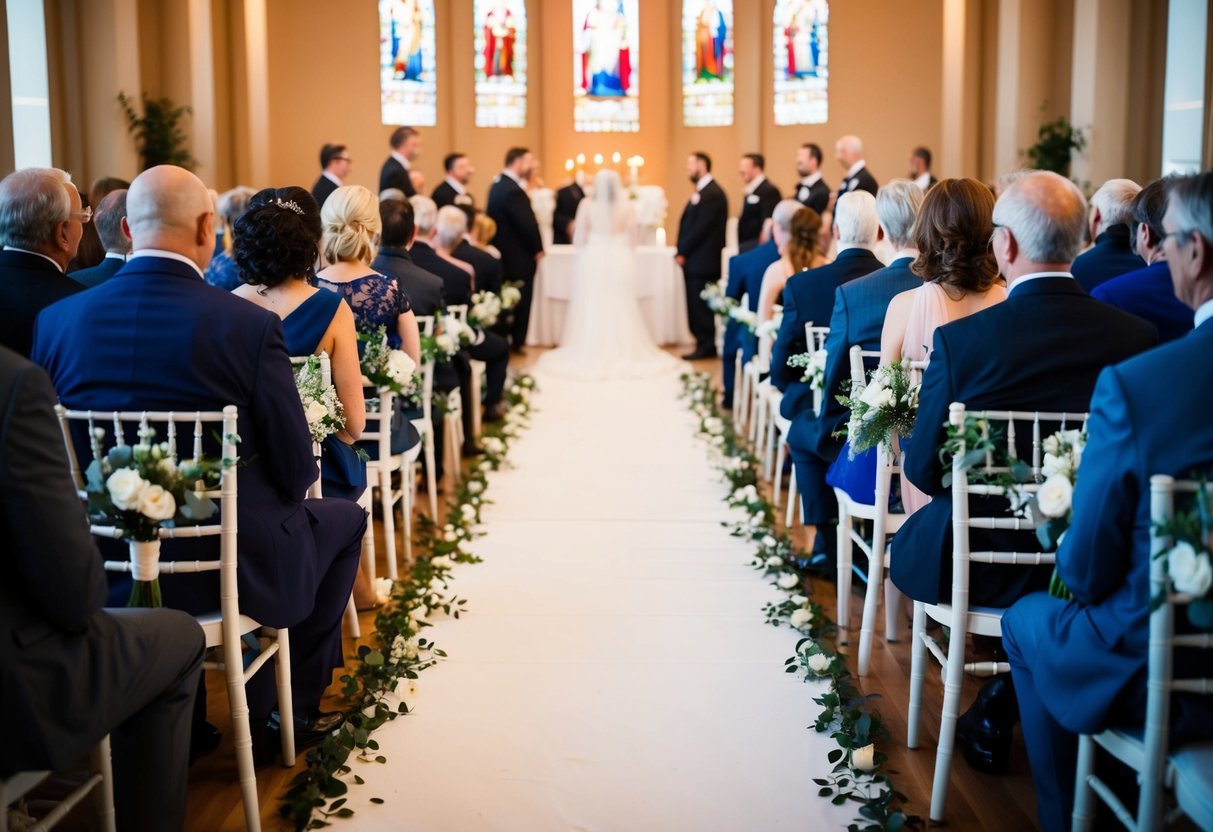
Seating at a wedding ceremony is important for setting the tone of the event. Knowing who sits where can help you create a warm and organized atmosphere. It often involves ushers guiding guests and ensuring that VIPs have special places reserved for them.
The Role of Ushers
Ushers are key figures in wedding ceremonies. They help direct guests to their seats and ensure everything runs smoothly. Typically, ushers are close friends or family members of the couple.
You should assign ushers to specific sections, such as the groom’s side and the bride’s side. They greet guests, hand out programs, and can assist those who may need help finding their seats. Having a clear plan for ushers can ease the stress for you and your guests.
Reserved Seating for VIP Guests
Reserved seating is a thoughtful way to honor important guests at your wedding. VIP guests generally include the parents of the bride and the groom, grandparents, and anyone else who holds special significance.
You might want to place these guests in the front row or prominently within view. Make sure to mark their seats clearly, using signs or personalized name cards. This gesture confirms their importance and makes them feel valued on your big day.
Seating Arrangement for Different Types of Ceremonies
Seating arrangements can vary widely based on the type of wedding ceremony. Understanding these options helps you plan a meaningful and organized event. Here’s a look at common practices in traditional weddings and Jewish weddings.
Traditional and Same-Sex Marriage Ceremonies
In a typical traditional wedding, the bride’s family usually sits on the left side. The groom’s family occupies the right side. This layout reflects historical customs that distinguish between the families.
For same-sex marriage ceremonies, seating can be more flexible. Couples often choose to have their families sit together, regardless of who the bride or groom is. It’s important to communicate seating decisions clearly to avoid any confusion on the day of the ceremony.
Consider using ushers to guide guests to their seats. This helps maintain order during the wedding processional and makes the atmosphere relaxing for you and your guests.
Jewish Wedding Seating
Jewish weddings have unique customs regarding seating arrangements. Traditionally, the bride’s guests sit on one side, while the groom’s guests sit on the opposite side.
For many Jewish ceremonies, the chuppah (wedding canopy) is central, and seating should allow all guests to witness the ceremony.
You may also want to include family members close to the chuppah, especially parents and siblings. This can enhance the emotional connection during the ceremony. Communicating these preferences with your guests ahead of time makes for a smoother experience on the big day.
Planning Your Wedding Seating
Creating the perfect seating arrangement is key to a smooth wedding ceremony. You’ll want to think about your guest list and seating plan carefully to ensure everyone is comfortable and feels included. Here are some essential tips to help you plan.
Creating a Seating Plan
Start with your guest list in hand. It’s important to know who is coming to your wedding. Think about family dynamics and friendships when drafting a seating plan.
Consider these tips:
- Front Row: Reserve the front row for close family members. This often includes parents and siblings.
- Side Seating: Decide which side guests will sit on. Traditionally, the bride’s guests sit on the left and the groom’s on the right.
- Reserved Signs: Use signs or cards to mark reserved seats clearly. This helps avoid confusion.
A well-thought-out seating chart will make it easy for guests to find their places. Don’t forget to communicate your plan to your event planner.
Consulting with an Event Planner
Getting help from an event planner can ease your stress. Event planners have experience in wedding planning and can offer valuable insight into seating arrangements.
Points to consider:
- Expert Advice: An event planner can advise you on wedding seating etiquette and help with the logistics.
- Visual Layout: They can create a visual seating chart that shows where everyone will sit. This can be particularly helpful in larger venues.
- Crisis Management: If any issues arise, an event planner is there to handle them, ensuring a smooth experience for you and your guests.
Working together with an event planner leads to a thoughtful seating arrangement that enhances your wedding day.