
Who Sits at Parents’ Table at Wedding Reception? Understanding the Seating Arrangements
Choosing who sits at the parent’s table at a wedding reception can feel overwhelming. Traditionally, you should seat all parents at the same table. This includes siblings not in the wedding party, the officiant and their spouse, and any grandparents. This arrangement promotes a sense of family unity and ensures that everyone feels included in your special day.
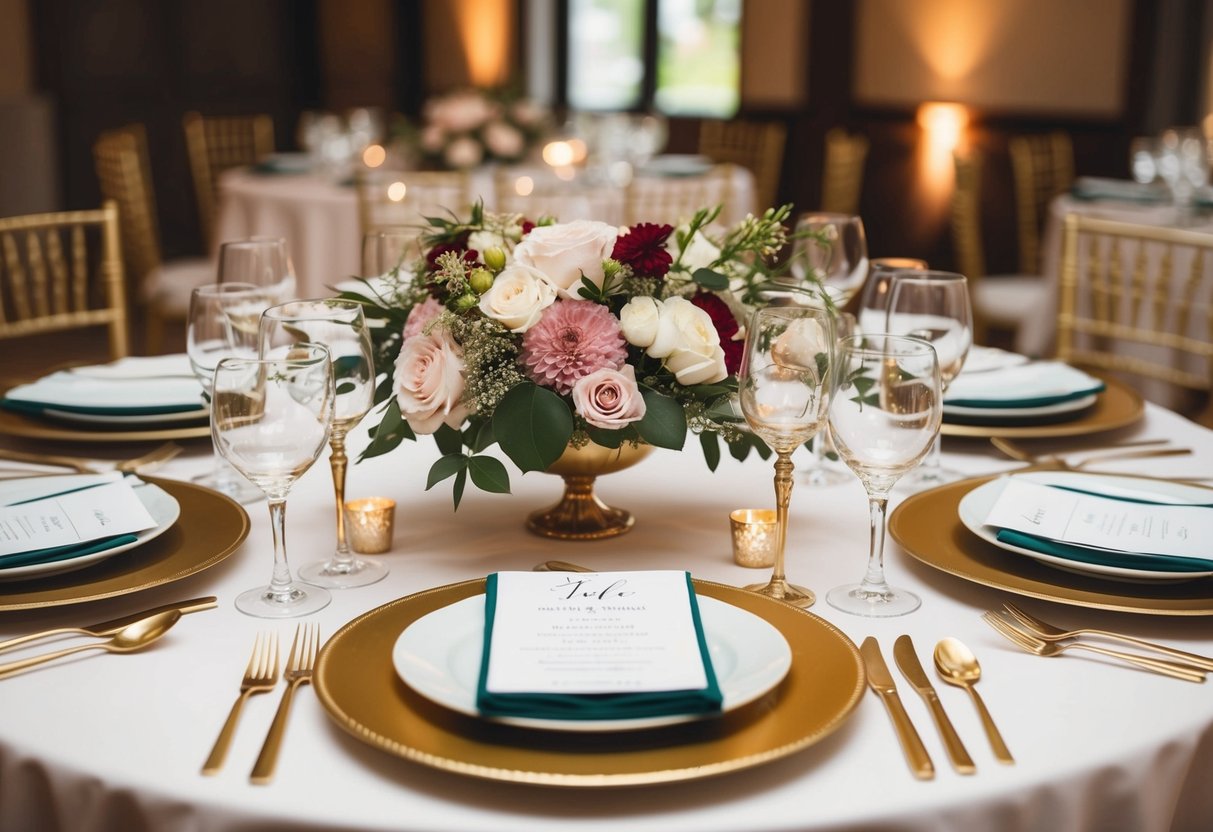
When planning your seating chart, consider how to mix family relationships and friendships. Some couples opt for a family table that highlights parental bonds, while others may prefer to create a more relaxed atmosphere with a mix of friends at the table.
Whether you choose a head table or a more intimate sweetheart table, think about what will make you and your loved ones feel the most comfortable.
Your table arrangements can set the mood for the entire reception. By carefully considering who sits where, you can create a welcoming and enjoyable environment for everyone. This attention to detail will help make your wedding a memorable experience for both you and your guests.
Designing Your Seating Chart
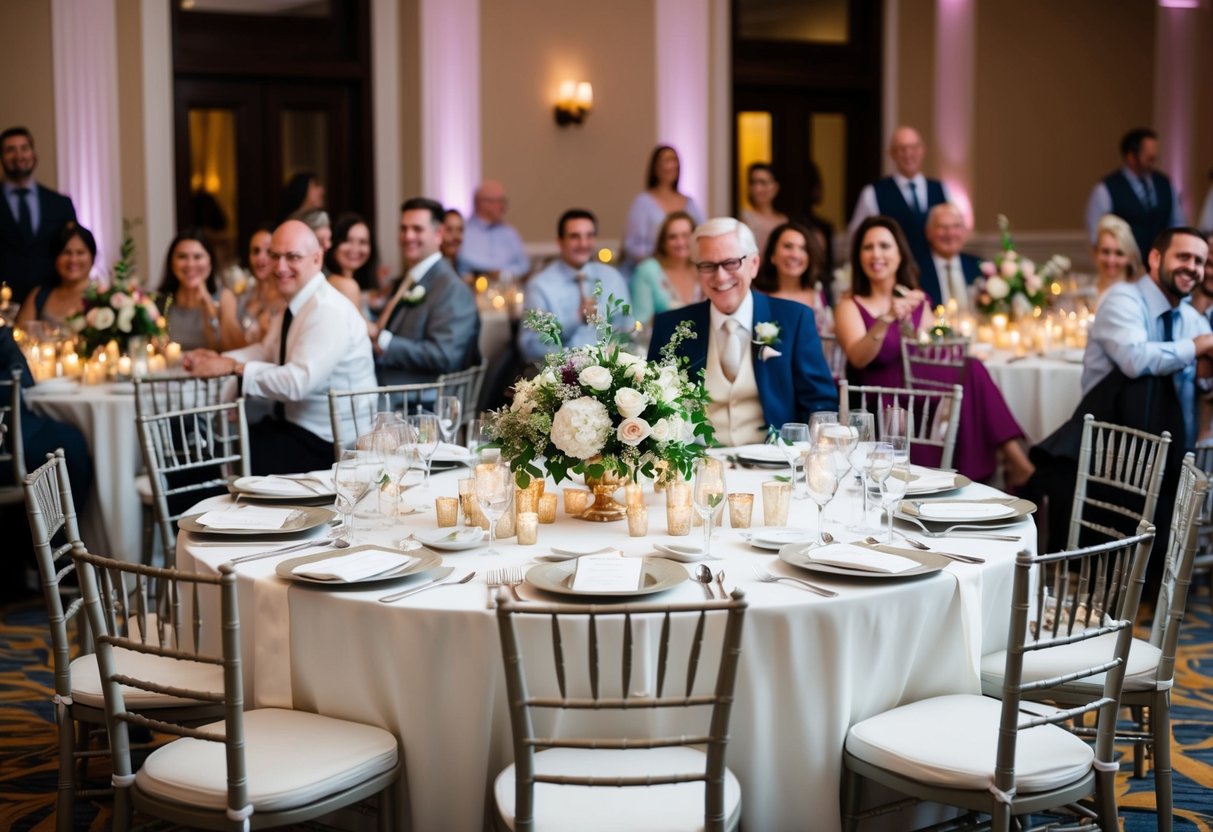
Creating a seating chart is a crucial part of planning your wedding reception. It helps set the right mood and ensures that everyone is comfortable. Here are some important points to keep in mind while designing your seating chart.
Key Considerations for Table Arrangements
When designing your seating chart, start by considering the size and shape of your venue. Knowing your space will help you create a practical table layout.
Think about the number of guests and how many can fit at each table. Round tables are great for conversation, while long tables offer a more communal feel.
Be mindful of your guests’ relationships. You can group friends together while placing family members close to each other. Avoid putting people who may not get along at the same table. This will make the atmosphere more enjoyable for everyone.
Placement of the Head Table
The head table is a focal point at your reception. Traditionally, it is placed at the front of the room, allowing everyone to see the newlyweds.
Position this table so that you have a clear view of your guests. Your wedding party can sit with you or at a nearby table, depending on your preference.
If you have parents or special guests, consider including them at the head table as well. This draws attention to important family members and creates a sense of unity.
A good seating chart will help everyone know where they belong. Make clear labels or a sign at the entrance to guide your guests to their assigned seats.
Incorporating a Sweetheart Table
A sweetheart table is a lovely way for you and your partner to enjoy some time alone during the reception. Typically, it’s a small, intimate table just for the two of you.
Place the sweetheart table near the head table or in a spot with a nice view of the whole reception. This allows you to interact with your guests while still enjoying your privacy.
Consider decorating the sweetheart table with flowers or personal touches to make it stand out. This will add a special element to your wedding decor.
Keep in mind that while this table is meant for intimacy, make sure your loved ones feel included by planning a time to mingle and share moments with them throughout the evening.
The Parents’ Table Explained
When planning your wedding reception, seating your parents correctly is crucial. This arrangement honors family dynamics and ensures everyone feels comfortable. Here’s what you need to consider regarding the parents’ table.
Traditional Seating for Parents
Traditionally, the parents of the couple sit at the same table, often called the family table. This area frequently includes the bride’s parents, the groom’s parents, and any siblings not in the wedding party.
These guests typically sit near the head table, where you and your partner are seated. It is best to arrange the seating so that the bride’s mother is next to the bride and the groom’s mother is next to the groom. This layout helps create a welcoming atmosphere during the reception.
Keep in mind that some parents may prefer to sit with their friends instead. If that’s the case, allow them to create a separate arrangement while still having a place near the main action.
Seating Divorced Parents
When dealing with divorced parents, you might feel unsure about the seating arrangements. It is essential to be sensitive to their feelings while also considering their comfort levels.
One approach is to seat each parent at separate tables, particularly if they don’t get along. You can still keep them close to the head table, so they feel included in the celebration.
If both parents are amicable, you can seat them at the same table. Positioning your parents appropriately can ease tensions and ensure a pleasant experience for everyone involved.
Honoring VIP Guests and Grandparents
Honoring special family members can make your wedding more meaningful. Alongside your parents, consider including grandparents and other VIP guests at the family table.
You might set aside specific seats for grandparents to highlight their importance in your life. Their presence often brings warmth and wisdom to the event.
When arranging seating, think about any family dynamics that could influence comfort. Ensuring that everyone feels valued can create a memorable experience for you and your guests.
Additional Tables and Seating Strategies
Creating a comfortable seating arrangement for your wedding guests can enhance their overall experience. It’s important to think about where to seat key people and how to accommodate different groups.
Seating the Wedding Party
When planning the seating for your wedding party, consider the roles of each member. The best man and maid of honor should have prominent seats, near you and your partner. You might also include their partners at the same table for convenience and support.
Make sure to have place cards indicating where each person should sit. This helps avoid confusion and ensures that everyone knows where they belong. Grouping your wedding party together can promote a fun atmosphere, almost like a mini-reunion.
Accommodating Singles and Children
A singles table can engage guests who may not know many people at the wedding. It can spark new friendships or even romance! Make it inviting by adding fun party favors or games.
For a kid-friendly reception, consider setting up a separate area for children. You can include activities like coloring books, games, or even a small activity to keep them entertained. This will allow parents to relax without worrying about their kids.
Be sure to talk to your venue about the best way to create this space.
By thinking ahead and planning these details, you can make the day enjoyable for everyone.