
Who Sits at Table 1 at a Wedding? Understanding the VIP Guest List
At a wedding, the seating arrangement plays a big role in how guests experience the celebration. The couple, often with their closest friends and family, typically sits at table 1, known as the head table. This special spot allows everyone to easily see the newlyweds during the reception, making it a focal point of the event.
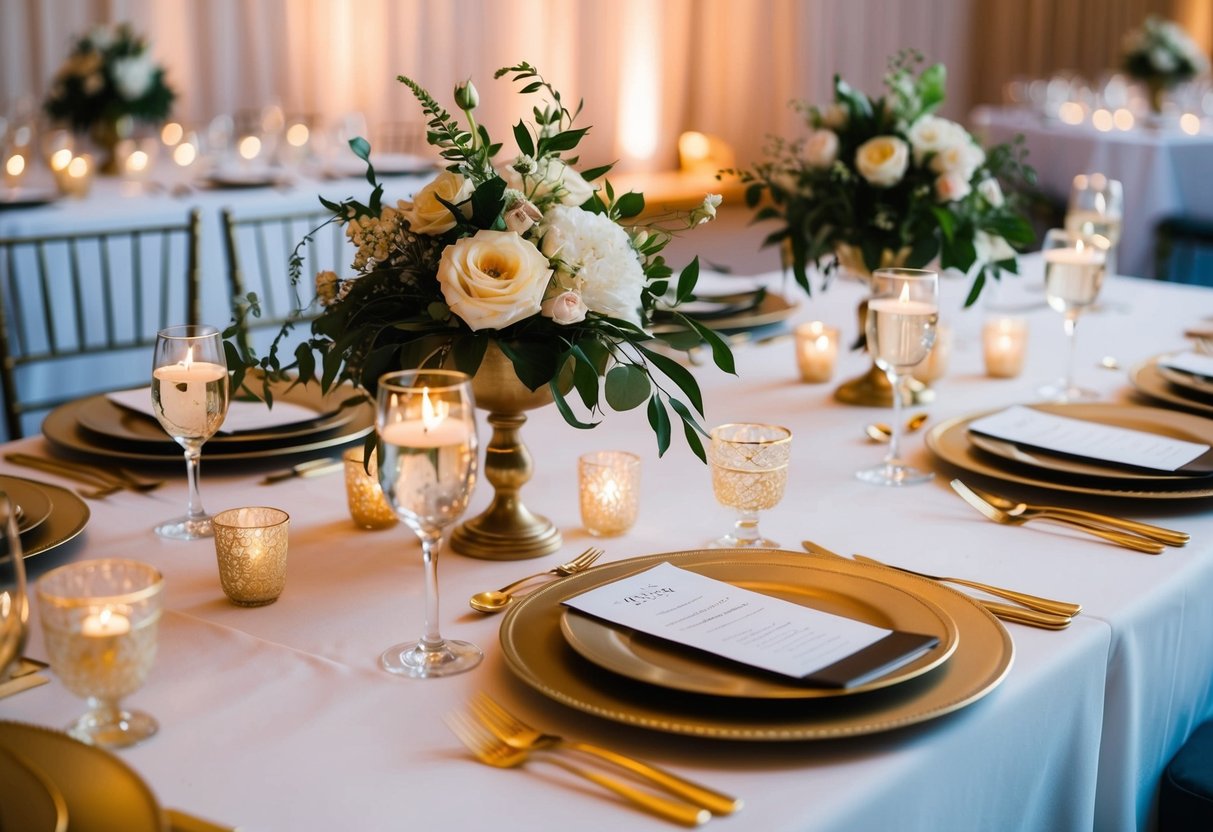
When thinking about who should sit at the head table, consider including your wedding party, parents, and any significant people in your lives. This table is not just about importance; it symbolizes love and unity during your special day. As you plan, keep in mind how these choices can enhance the joyful atmosphere of your wedding reception.
Understanding Wedding Table Seating Fundamentals
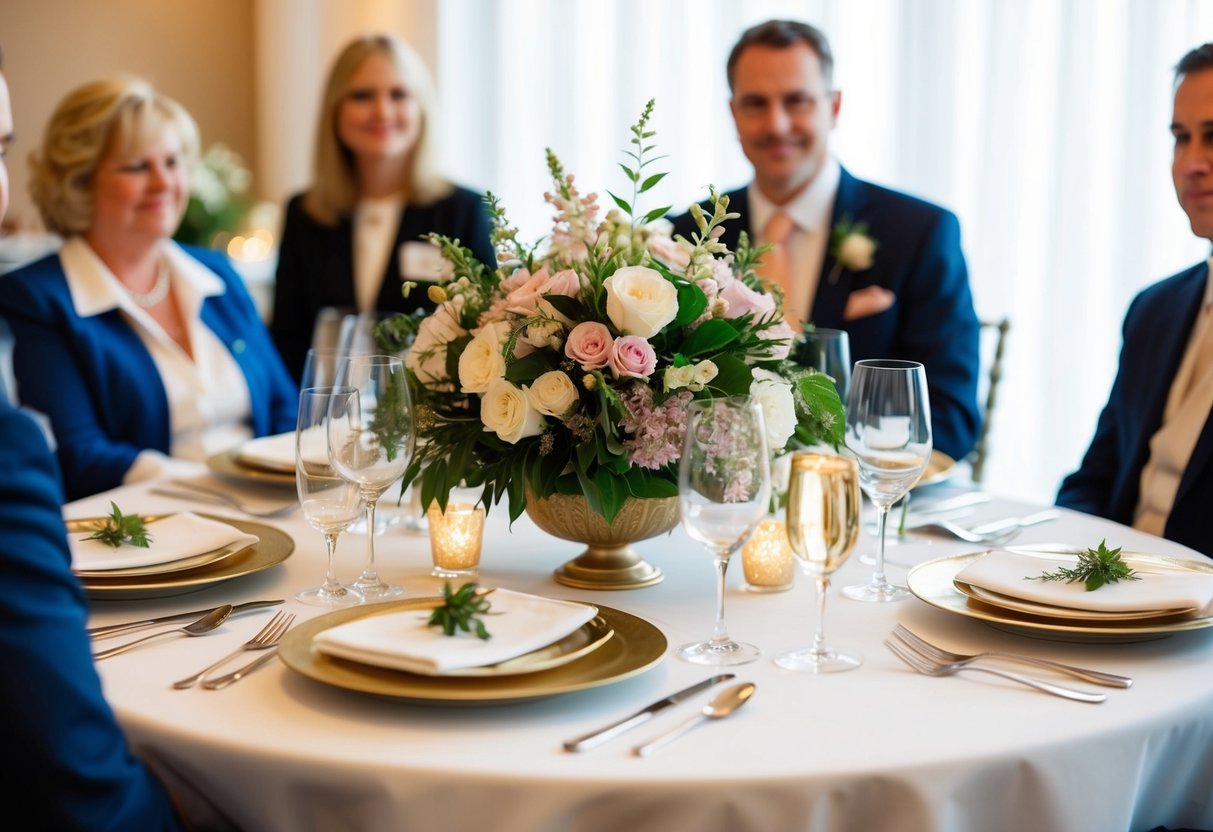
When planning a wedding, proper seating arrangements play a big role in creating a warm and enjoyable atmosphere. Knowing who sits where helps manage family dynamics and ensures everyone feels included.
The Purpose of the Head Table
The head table is typically the focal point of your reception. Here, the newlyweds sit at the center, often flanked by their closest friends and family. This arrangement highlights the couple during toasts and special moments.
Traditionally, you might include the maid of honor, best man, and wedding party members. Some couples choose to let parents sit here too to honor their role in your journey. Think about comfort and social dynamics when deciding who joins you at this table.
Seating Chart Essentials
Creating a seating chart can seem daunting, but it sets the tone for your celebration. First, list all your guests and determine the guest count.
Next, consider your family dynamics and friendships when forming table arrangements. For instance, mix guests who know each other with those who may not. This can spark new friendships.
Keep in mind your seating chart etiquette, like not placing exes at the same table. Use a seating plan that flows well and allows easy movement during the reception.
Special Considerations for Divorced Parents
Navigating seating arrangements for divorced parents can be tricky, but it’s essential for a smooth day. Discuss with both parties to understand their comfort levels.
You might consider seating them at different tables, but near the front to avoid discomfort. Another option is to have them included but not side-by-side at the head table.
Always keep lines of communication open. This ensures that everyone feels respected and valued during your special day.
Detailing the Top Table Arrangement
When planning your wedding, the top table arrangement is key to creating a warm and inviting atmosphere. This table usually hosts the couple, their parents, and other important family members or guests.
Roles and Positions at the Head Table
At the head table, you typically find the bride and groom seated at the center. Next to them may be their parents, which traditionally includes the bride’s parents on one side and the groom’s parents on the other.
Your best man and maid of honor often sit close by, supporting you throughout the celebration. Siblings or other key family members may also have seats here, depending on your family’s size and dynamics.
You can choose to rearrange the seating to reflect your relationships and comfort. The goal is to make it a space that feels intimate and connected.
Including VIP Guests and Close Family Members
Alongside your immediate family, consider including VIP guests who are significant to you. These might be grandparents, mentors, or close family friends who have played a meaningful role in your life.
When you have a larger wedding, you may need to find a balance. You can create a family table where extended family can sit, ensuring that no one feels left out while keeping your top table special.
Make sure your seating plan allows for easy conversation. Having people who know each other nearby can make for a more enjoyable experience.
Alternatives to Traditional Head Table Seating
If you want something different, there are various alternatives to the traditional head table. You could opt for a sweetheart table with just you and your partner; this allows for a more private experience while still feeling connected.
Another option is to have a table of honor where the wedding party sits together. This way, you can include bridesmaids and groomsmen alongside their partners, creating an inclusive atmosphere.
Feel free to get creative with your seating. The goal is to design a space that feels comfortable and reflects your unique style and relationships.
Organizing Guests Beyond the Main Table
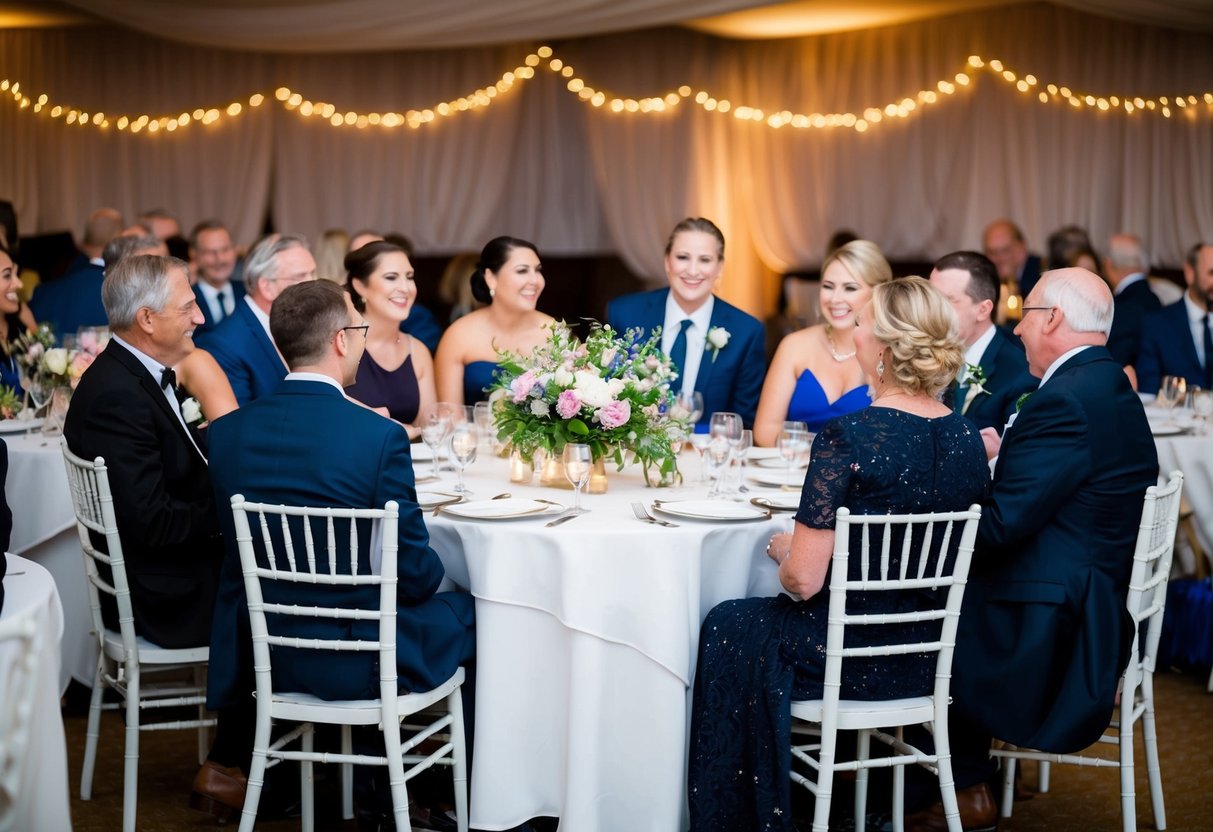
When planning your wedding seating, it’s essential to think about how to arrange guests beyond just the main table. Paying attention to who sits where can help create a fun and comfortable atmosphere for everyone.
Assigning Seats for Bridesmaids, Groomsmen, and Honor Attendants
Bridesmaids and groomsmen play a special role in your wedding. You should seat them close to you but not necessarily at the main table.
Consider placing them at adjacent tables. This allows them to support you while also mingling with other guests.
Create a small seating chart to identify where each attendant sits. This method helps balance the guest count, making sure tables are not overcrowded.
Make sure to ask their personal preferences if they have specific friends they want to sit near. This can boost their enjoyment of the event.
Addressing Plus-Ones and Guest List Dynamics
Plus-ones can be tricky. If you’re allowing guests to bring someone, make sure you have a solid handle on your guest list dynamics.
You should manage your guest count to avoid exceeding your venue’s capacity.
If a plus-one is attending, seat them in a way that helps them feel included, perhaps near friends or other singles.
Use place cards to indicate where plus-ones should sit. This helps avoid confusion and ensures that every seat is filled thoughtfully.
Children at the Wedding: Kids’ Table Considerations
If children are invited, consider setting up a kids’ table. This encourages kids to interact and have fun together.
Make it appealing by adding games or coloring books to keep them entertained. You can even ask your venue about special meals for kids.
Seating children near their parents can be beneficial. You want to balance having them close enough for supervision without disrupting adult conversations.
This thoughtful planning makes the day enjoyable for everyone, young and old.
Final Touches to the Seating Arrangement
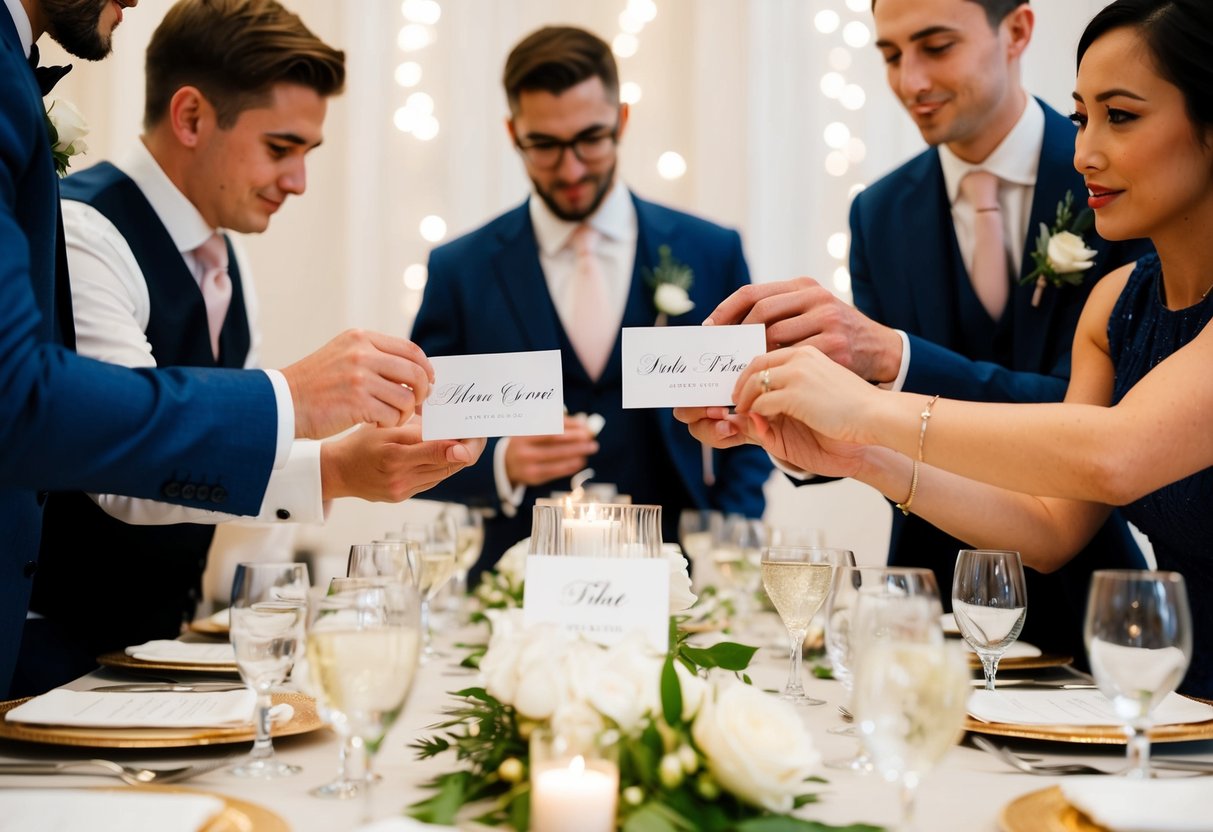
When finalizing your wedding seating arrangement, it’s important to ensure clarity and a smooth flow for your guests. Using tools like place cards can enhance the experience, while leveraging the arrangement can streamline your wedding planning.
Using Place Cards for Clarity
Place cards are a simple yet effective way to guide your guests to their assigned seats. These small cards can be personalized with each guest’s name.
Placing them at each seat helps avoid confusion and ensures everyone knows where to go.
Consider grouping your place cards by tables. This way, guests can quickly find their designated areas without feeling overwhelmed.
For larger weddings, a seating chart display at the entrance can help guests locate their tables easily.
Also, think about including any special notes on the place cards. For example, you could mention whether the guest is part of the wedding party, like a flower girl or ring bearer. This extra detail can enhance their experience and make them feel special.
Leveraging the Seating Arrangement for Wedding Planning Advantages
Your seating arrangement can also play a role in the overall flow of the reception. Strategically placing family members, close friends, or important guests near the dance floor or buffet can encourage mingling and ensure a lively atmosphere. It’s all about creating connections.
Another useful tip is to create separate seating areas for different groups. For example, having a table for kids, such as flower girls and ring bearers, allows them to enjoy each other’s company.
If you’re working with a wedding planner, they can help you optimize the seating chart to balance the dynamics among guests. Think about the relationships and personalities in your guest list, which can make for a harmonious gathering.