
Who Sits at the Head Table at a Wedding UK? A Guide to Wedding Seating Arrangements
At a wedding reception, the head table is often the focal point where the couple celebrates their special day surrounded by loved ones. Traditionally, the head table in the UK features the bride and groom sitting in the center, flanked by their parents, alongside the Best Man and Chief Bridesmaid. This seating arrangement helps create a warm atmosphere as you share these precious moments with your closest family and friends.
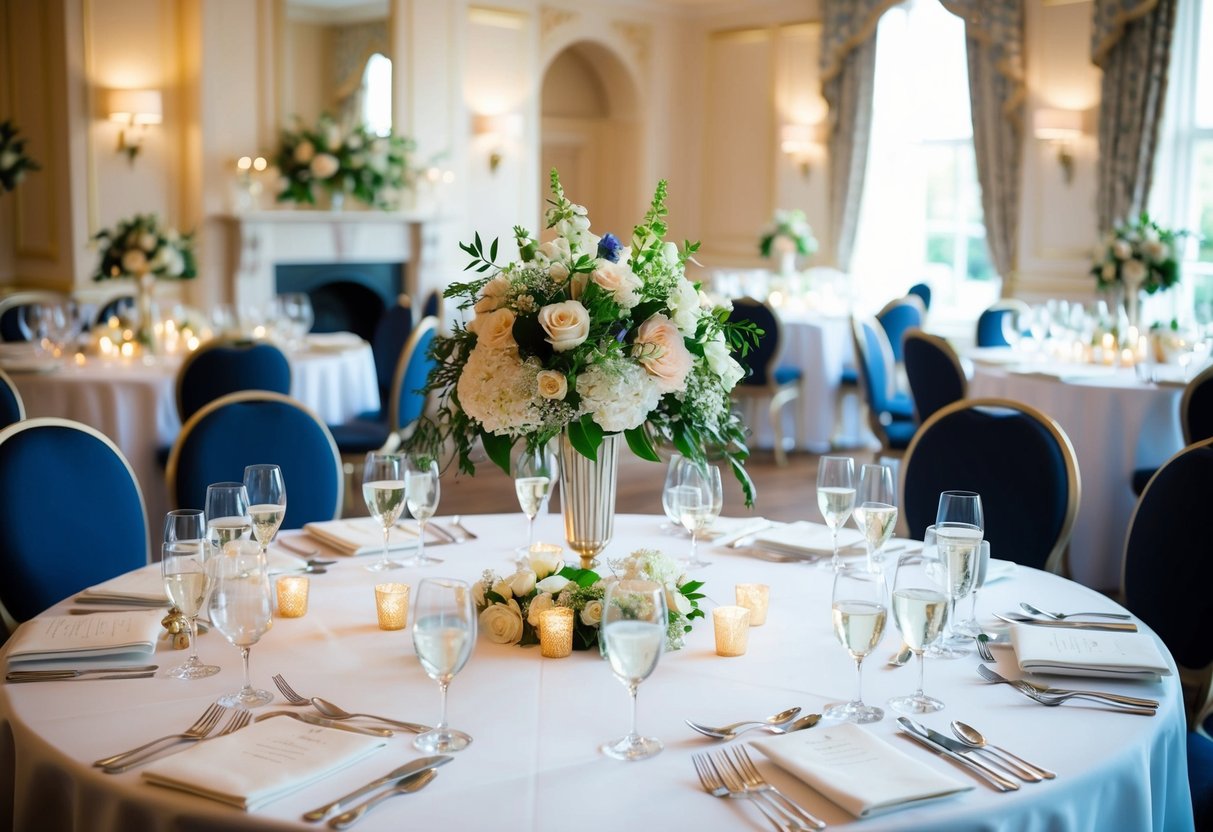
As you plan your wedding day, it’s important to consider who will sit at the head table. Your choices can shape the dynamic of the event and highlight important relationships.
Whether you prefer a formal or more relaxed vibe, the seating arrangement at the head table can reflect your style and values as a couple.
By thinking about your head table setup early on, you can ensure your wedding reception flows smoothly and that everyone feels included. Personalizing this part of your wedding can make it even more memorable for you and your guests.
Understanding the Tradition of the Head Table

The head table at a wedding is important for both tradition and social dynamics. This special table often brings together the bride, groom, and their closest family and friends, celebrating their support and love. Let’s explore the history behind this arrangement and how you can choose the right seating options for your big day.
History and Significance
The tradition of the head table dates back many centuries. Historically, it was seen as the place where the bride and groom could be easily seen and honored. This table often featured the couple, their parents, and the wedding party, reinforcing family bonds and connections.
Many couples choose to keep these traditions alive, as they emphasize the importance of relationships. It’s also a chance for your wedding party to share in your special moment.
Choosing the Right Table Arrangement
When deciding on your seating options, you have a few popular choices. The top table typically includes the bride and groom, their parents, and the maid of honor and best man.
Alternatively, some couples opt for a sweetheart table, which is just for the bride and groom. A family table is another option, bringing all immediate family together, fostering a sense of unity and celebration.
Think about the etiquette rule of mixing family and friends to balance social dynamics. Choose what feels right for you, ensuring everyone feels included and valued.
Who Sits at the Head Table?

Deciding who sits at the head table can be a delicate task for any wedding. You want to honor important family members and friends while also keeping everyone comfortable. This section will cover the order and placement of the wedding party, their roles, and tips for managing family dynamics.
Order and Placement of the Wedding Party
At the head table, the traditional arrangement typically starts with the bride and groom seated at the center. This is the most important spot, as it highlights the couple to all guests.
On either side, the maid of honor and best man usually take their places. If you choose to include the bridal party, you can place them next. This may consist of bridesmaids and groomsmen, ensuring they sit close to you.
Some couples invite their immediate families to join them, which can lead to a more intimate atmosphere. For divorced parents, consider placing them on opposite sides to maintain peace while making them feel included.
Roles and Responsibilities
Each person at the head table plays a special role. The newlyweds are the stars of the evening, welcoming guests and leading toasts.
The maid of honor often helps with any last-minute needs, while the best man typically gives an entertaining speech to engage guests. The bridal party is there to support you and mingle with guests.
They can encourage fun interactions and keep the energy alive. By pairing each attendant with their counterpart at the table, you can help foster connections among them.
Family members, especially parents of the couple, may also have specific tasks like greeting guests. Make sure everyone knows their roles which will enhance the wedding’s flow.
Navigating Family Dynamics
Family dynamics can be tricky, especially with divorced parents or complicated relationships. To make everyone feel comfortable, it’s essential to consider the arrangement carefully.
You could rotate seating during the reception. This method involves having family members switch places after a certain time. It helps to keep conversations fresh and allows everyone to connect.
If tensions may arise, establishing clear guidelines ahead of time can ease anxiety. Talk with family members about their preferences to avoid potential conflicts. Your goal is to create an atmosphere that celebrates love and unity, no matter the family structure.
Seating Arrangements and Chart Creation
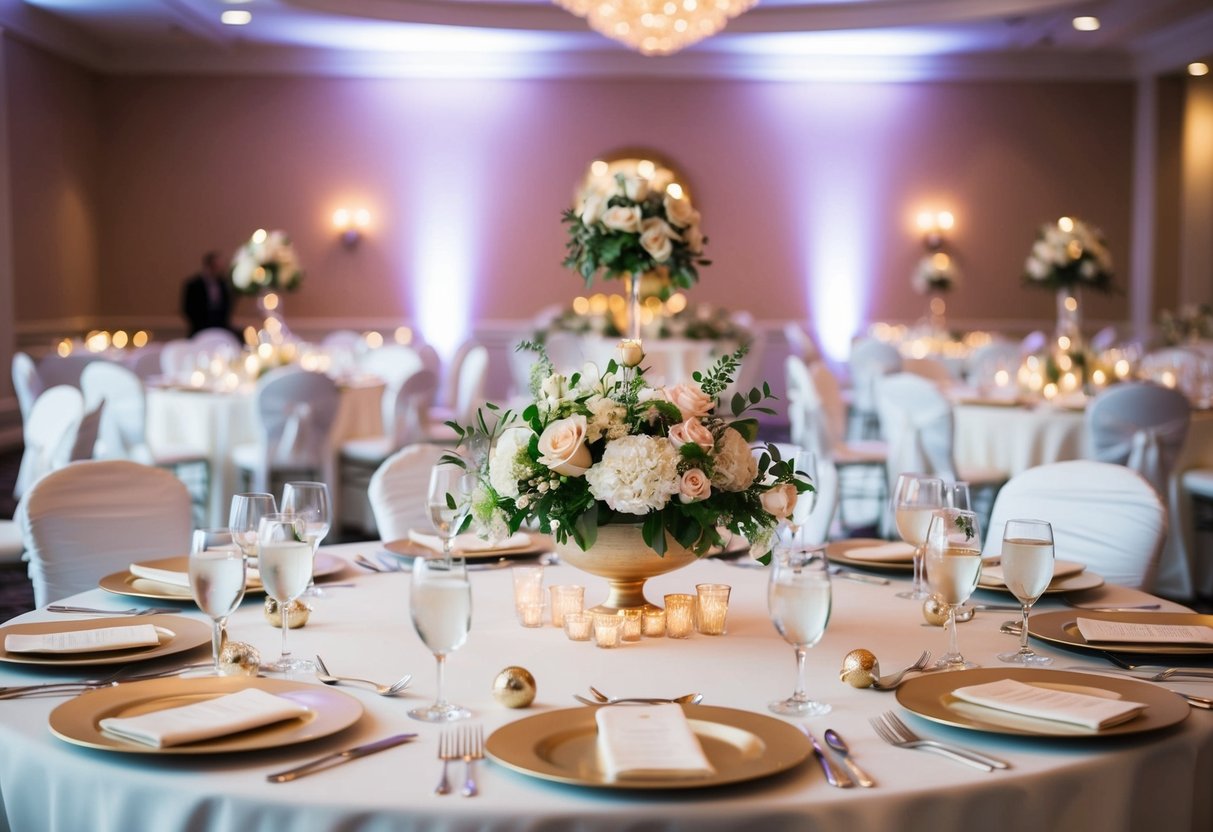
Creating a thoughtful seating arrangement for your wedding is essential for a smooth reception. It helps everyone feel comfortable and included. Here are some key aspects to consider while planning your seating chart.
Designing a Welcoming Reception Layout
Start by selecting the right table arrangement for your reception venue. Round tables foster conversation, allowing guests to engage with each other easily.
Consider how many guests each table can seat to accommodate your guest list effectively. When mapping out your seating chart, keep in mind anyone who may need special accommodations, such as elderly guests or those with limited mobility.
Use a simple layout plan to visualize where everyone will sit. It’s helpful to have a physical or digital seating chart that groups family, friends, and other loved ones together.
Make sure to designate reserved seating for your wedding party at the head table. This shows appreciation for their support and involvement. Think about including child attendants like flower girls and ring bearers at a nearby table to help them feel special.
Special Considerations for Guests
Remember that your guests’ comfort is essential during the celebration. Offer options for plus-ones, especially for singles who might appreciate having a companion.
Clearly mark seating assignments so everyone knows where to sit. Pay attention to relationships as well. For example, seat family members together to encourage camaraderie.
On the other hand, consider keeping any family dynamics in mind when placing certain guests. Using some humor in your seating assignments can also ease any tension.
Include a list of guests in your seating plan to avoid confusion. It’s a good idea to make this list available to your wedding coordinators. They can assist in ensuring that your seating chart runs smoothly on the day of the event.
Coordinating with the Venue and Planners
Before finalizing your seating chart, work closely with your wedding venue and planners. They can provide guidelines on the number of tables and seating capacities.
Make sure to confirm the layout of the tables to utilize the space efficiently.
Share your seating chart with your wedding coordinators so they can help set up the tables as planned. This collaboration can save time and prevent last-minute changes.
Discuss any specific elements you want incorporated, like reserved seating for key guests. Your venue may also have ideas for creating an inviting atmosphere.
By coordinating early, you ensure the seating arrangement aligns with your vision for the day.