
Who Sits at the Top Table at a Wedding in the UK? A Guide to Seating Arrangements
When planning your wedding, one important detail to think about is who will sit at the top table. The top table typically includes the bride and groom, their parents, and members of the wedding party.
This table is meant to highlight the couple and their closest family members during the wedding reception.
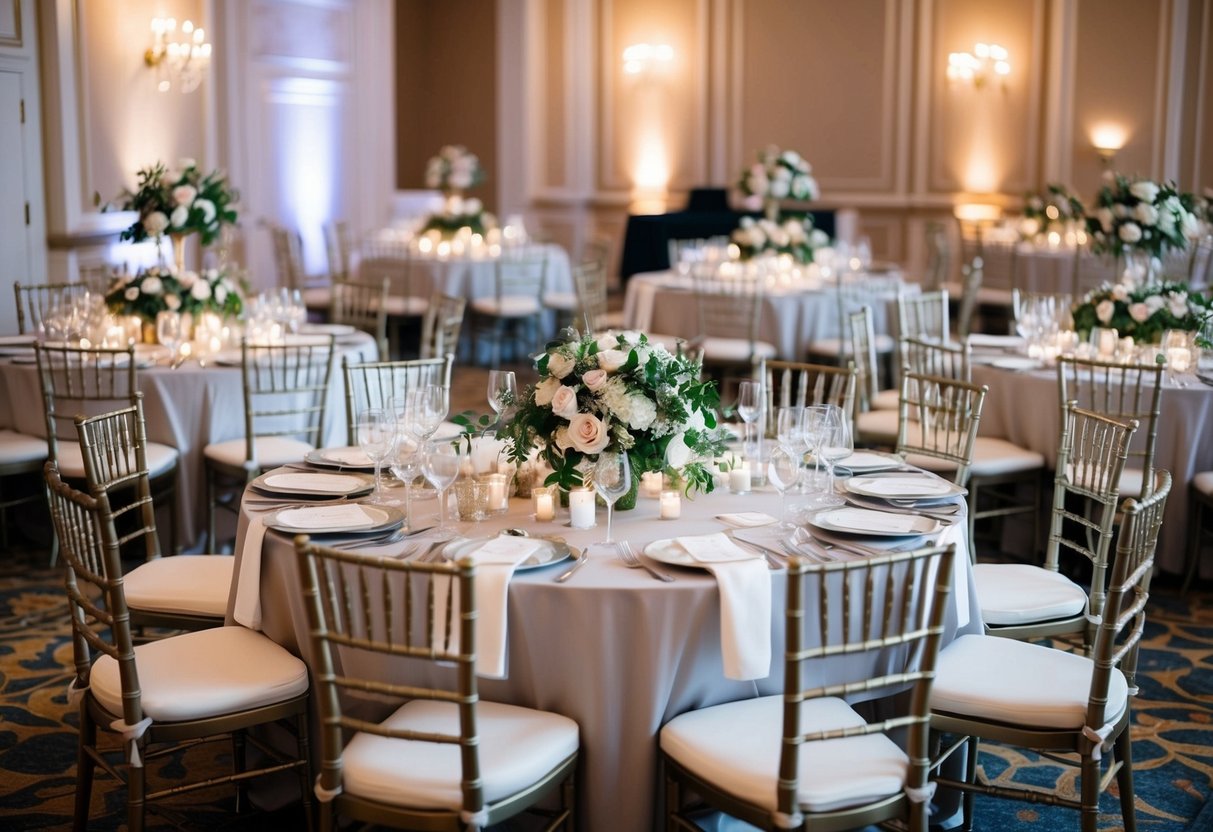
Choosing the right people for this special table can enhance the atmosphere of your celebration. The seating arrangement at the top table often follows traditional customs, but many couples add their personal touch to make it unique.
It’s a chance to celebrate with those who mean the most to you on your big day.
Understanding who sits at the top table helps ensure that everyone feels included and recognized. You want your guests to enjoy the event, so knowing the standard layout can aid in creating a comfortable and memorable experience for all.
Understanding the Top Table
The top table is a key feature at weddings in the UK. It serves as a focal point for the couple and their closest family members. Knowing its significance and layout can help you create a memorable seating arrangement.
Significance of the Top Table
The top table holds special meaning during your wedding reception. It is where you, as the couple, celebrate with your nearest and dearest. This arrangement highlights your important relationships with family and friends.
Traditionally, the top table includes you, your partner, and your parents. The best man and maid of honour often sit close by. This setup allows everyone to share in the joy and experience of your big day.
A well-planned seating arrangement can make interactions smoother. It encourages conversation and connection among your guests. Ensuring that the right people sit together helps create lasting memories.
Top Table Layout Variations
Many options exist for the top table layout, allowing it to reflect your personal style. While the traditional top table layout has you in the center with the parents on either side, variations are common.
Some couples choose a long head table where the entire bridal party sits together. Others may opt for a U-shaped setup to include more guests in the experience.
When creating your seating plan, consider the dynamics of your relationships. Think about your guests’ preferences and make adjustments as needed. Customizing the top table layout can enhance the atmosphere of your celebration.
Who Joins the Bride and Groom?
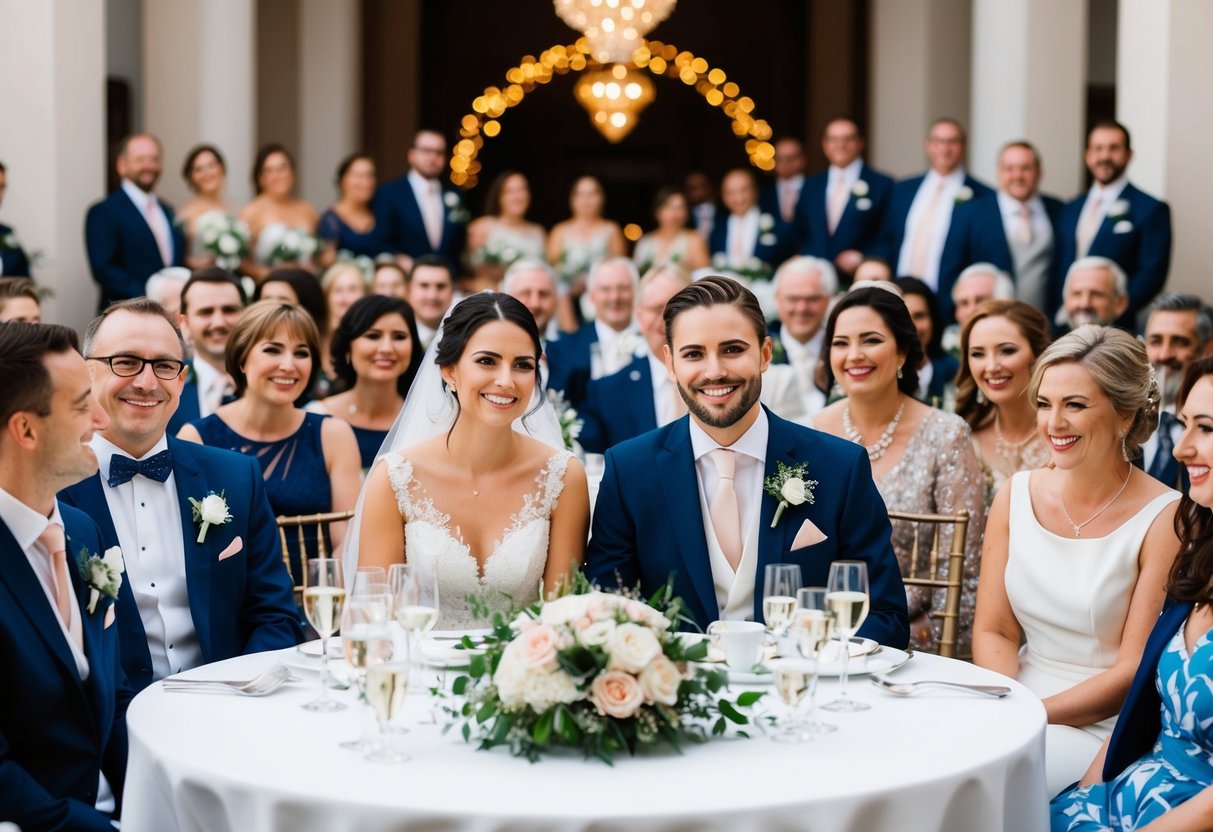
At a wedding in the UK, the top table is a special place where the bride and groom are joined by key members of their wedding party and family. This section explores the seating order, roles of important individuals, and the inclusion of family and relatives.
Order of Seating at the Top Table
Seating at the top table is often arranged to create balance and showcase relationships. Typically, the order from left to right is:
- Chief Bridesmaid (Maid of Honour)
- Groom’s Father
- Bride’s Mother
- Bride
- Groom
- Bride’s Father
- Groom’s Mother
- Best Man
This layout helps in honoring both families. The bride and groom sit in the center, emphasizing their significance on this day. In some cases, you might choose to adjust the order based on family dynamics, like including stepparents or other important figures.
Role of the Best Man and Maids of Honour
The best man and maids of honour hold crucial roles beyond just being part of the wedding party.
The best man is responsible for supporting the groom throughout the day, including managing the rings and giving a heartfelt speech during the reception.
Meanwhile, the maids of honour support the bride. They assist with planning, dress shopping, and help keep the bride calm.
Their presence at the top table symbolizes their close bond with the couple. It’s important to choose individuals who resonate well with both of you.
Inclusion of Family and Extended Relatives
When planning your top table seating, think about including immediate family and possibly extended relatives. Including grandparents, if they are present, is a lovely gesture. They add a sense of tradition and warmth.
You may also decide to seat other family members like aunts, uncles, or even older cousins who played significant roles in your lives.
Each family is unique, so customize the seating to reflect your relationships. You’ll want everyone to feel valued and appreciated as you celebrate your special day.
Navigating Wedding Seating Etiquette
When planning wedding seating, it’s important to balance tradition with modern preferences while considering your unique guest list. Understanding how to navigate these dynamics will help you create a comfortable environment for everyone.
Tradition Versus Modern Approaches
Traditionally, the top table includes the bride, groom, and their parents. This classic arrangement is familiar and comfortable for many guests. However, modern weddings often embrace flexibility.
You might choose to include siblings or close friends at the top table. This can reflect the diverse relationships in today’s world.
To make the experience enjoyable, think about seating arrangements that promote conversation and comfort. Mixing family with friends can create a warm atmosphere.
Seating for LGBTQ+ Couples
When planning for LGBTQ+ couples, it’s essential to create an inclusive space. You can use neutral language in your invites and seating arrangements. Terms like “Partner A” and “Partner B” can replace traditional titles to avoid assumptions.
Make sure to discuss preferences with the couple to ensure they feel comfortable. They might have specific ideas about who they’d like near them. Including friends or allies is also a wonderful way to reinforce support.
Managing Guest List Dynamics
Every wedding has its dynamics, and your guest list is no exception. Families might have different expectations, so it’s helpful to communicate openly.
Consider using RSVPs to gauge who’s attending and adjust the seating plan accordingly. Be mindful of family tensions; sometimes, separating certain relatives can foster a more relaxed environment.
Creating a well-thought-out seating plan can enhance the overall experience. Keep in mind the relationships among your guests. Balancing diverse needs will lead to a joyful celebration for everyone involved.
Creative Top Table Alternatives
Thinking outside the box for your wedding seating can make your day even more special. Here are some creative alternatives to the traditional top table that can enhance your experience and your guests’ enjoyment.
Sweetheart Table for Intimacy
A sweetheart table offers a charming option for couples who want a private dining experience. This setup allows you and your partner to sit alone together, enjoying each other’s company while the rest of your guests are seated at their tables.
Usually placed in a prominent location, the sweetheart table can be beautifully decorated to showcase your style. Think of floral arrangements or special tableware that reflects your theme.
This intimate setting can make meal times feel special, adding to the romantic vibe of your wedding day.
Opting for No Top Table
Choosing to have no top table is becoming a popular trend. Instead of a designated area for you and your wedding party, you can mingle with guests throughout the reception.
You can create a seating chart that encourages guests to rotate tables during the meal. This allows you to connect with everyone without being tied to one spot.
Leaving out the traditional top table can create a more laid-back atmosphere, making it easier for everyone to feel included.
Unique Top Table Ideas
If you’re looking for unique top table ideas, consider different arrangements that suit your style.
You could arrange a long table that includes all your family and closest friends. This keeps everyone together and fosters a fun environment.
Another option is a U-shaped or circular table. This layout promotes conversation and engagement among guests.
You might also think about including special guests, like grandparents or mentoring figures, to make your top table feel more personal.
Whatever approach you choose, these alternatives can add a special touch to your wedding reception.