
Who Sits Closest to the Bride and Groom? A Guide to Wedding Seating Arrangements
At a wedding, seating arrangements play a key role in creating a warm and inviting atmosphere for you and your guests. The people who sit closest to the bride and groom typically include immediate family members and the wedding party. This arrangement emphasizes the importance of these special people and helps to create a memorable experience for everyone involved.
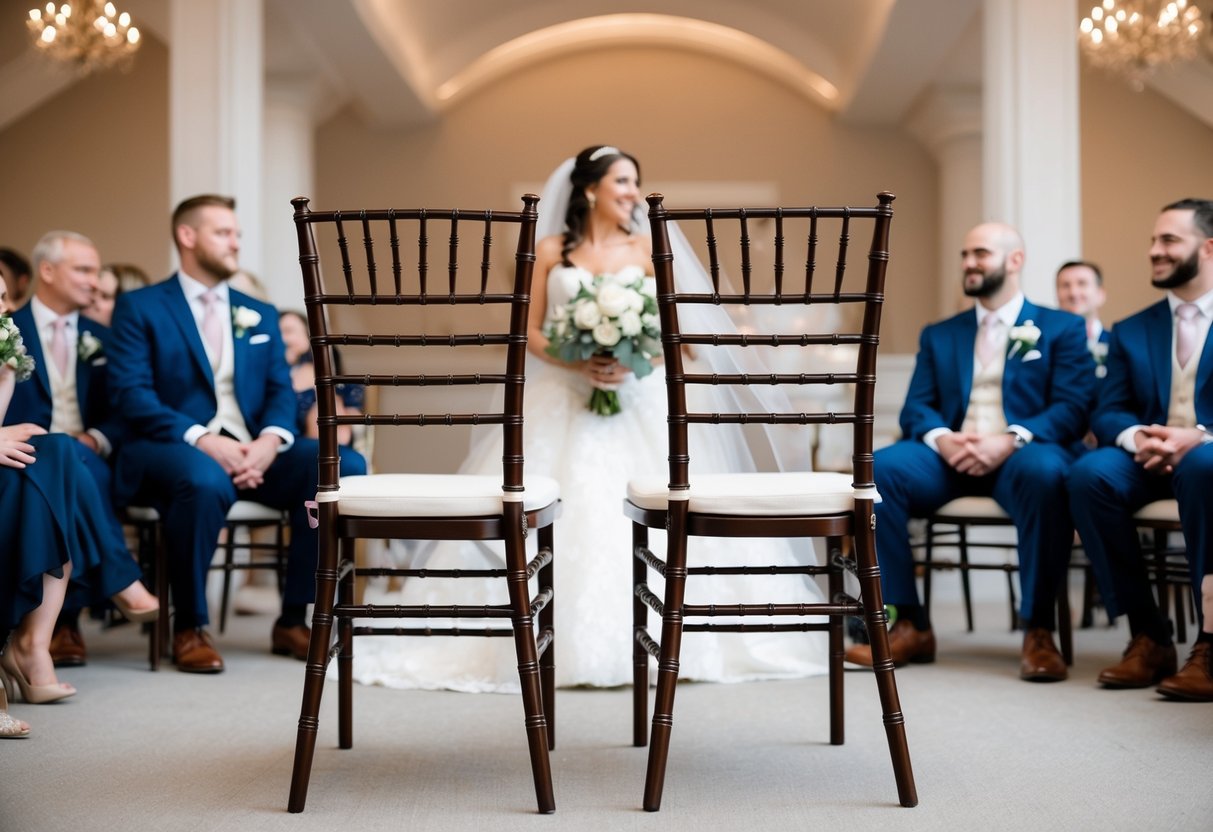
As you plan your wedding reception, consider who you want to share those intimate moments with. It’s not just about the couple; it’s also about making your loved ones feel valued.
Seating your parents, siblings, and closest friends near you adds to the joy and support on your big day.
Your seating choices can also reflect your relationships and personal dynamics. Make sure to think about who can bring fun and comfort to your wedding celebration. Doing this will ensure everyone enjoys the celebration just as much as you do!
Seating Arrangements Essentials
When planning seating for your wedding, understanding key elements can make a big difference. Focusing on the head table, how to arrange the seating chart, and honoring family members will help you create a meaningful and organized atmosphere.
Understanding the Head Table
The head table is a focal point during the reception. Traditionally, this is where you and your partner sit, often in the center.
The groom usually sits to the bride’s right, while the best man sits to her left. The maid of honor is positioned next to the groom. This arrangement emphasizes your new partnership and highlights the importance of close friends.
If you prefer a more intimate setting, consider a sweetheart table just for the two of you. This option allows you to share private moments while still being part of the celebration.
Determine the Seating Chart Layout
Creating a seating chart is essential for a smooth dinner experience. A clear layout helps guests know where to sit, avoiding confusion that can disrupt the flow of the event.
Start by listing all your guests and categorizing them into groups, such as family and friends.
Next, consider using a layout for tables, like rounds or long feasting tables. Each choice can affect the overall feel of your reception.
When crafting the seating chart, remember to mix guests to encourage conversation, while also keeping family members together.
Incorporating Families and VIPs
Your families play a significant role in your wedding celebration. Make sure to include parents, grandparents, and immediate family members at prominent tables.
Tradition often dictates that parents sit close to you, showing their support and connection.
You can also designate VIP seating for special guests, ensuring they feel honored.
Consider creating a special table for grandparents, as they often cherish being included in family celebrations. Their presence adds warmth and tradition to your event.
Navigating Special Seating Concerns
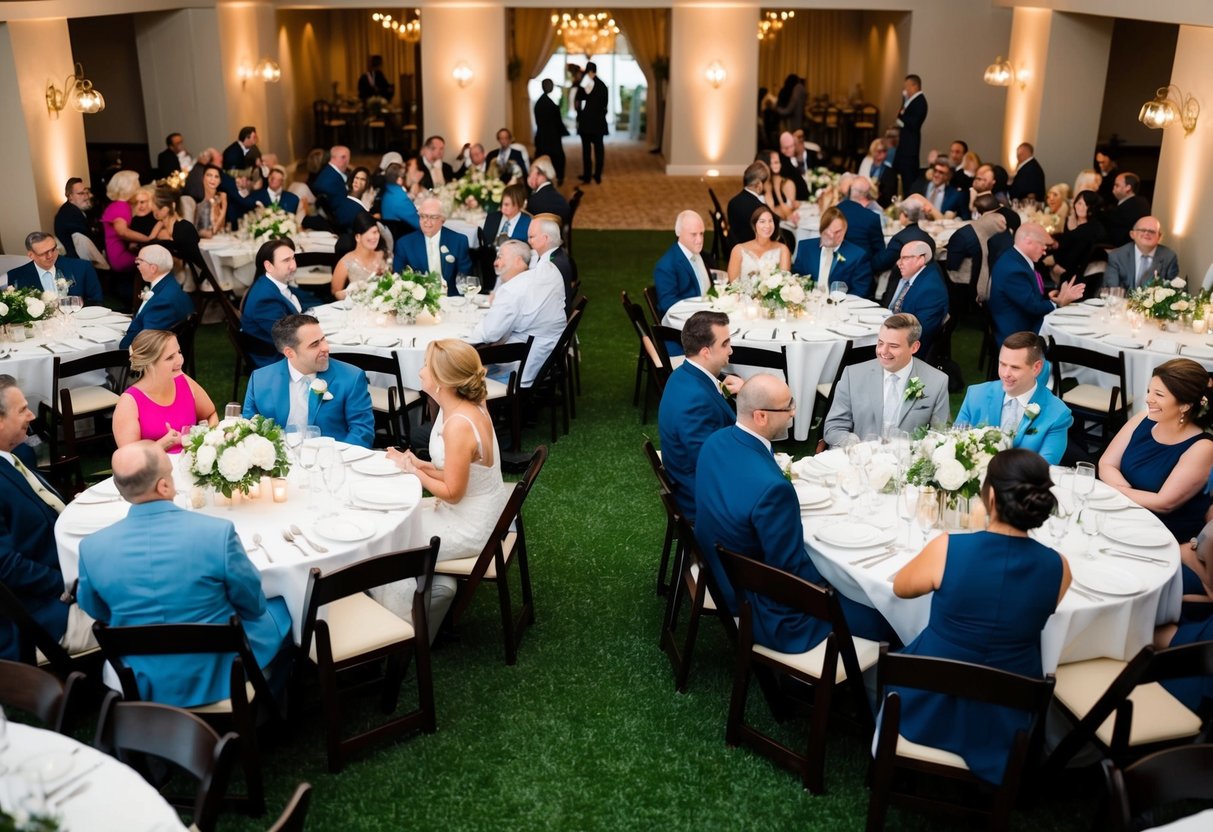
When planning wedding seating, it’s important to consider unique situations that may arise. Addressing these concerns thoughtfully can ensure a comfortable and enjoyable experience for everyone, including family dynamics and the needs of guests.
Addressing Divorced Parents
If your parents are divorced, seating them can be tricky. Start by talking to both parents ahead of time to find out their preferences.
You may want to reserve seats at separate tables or encourage them to sit on opposite sides of the venue. A common approach is to place them at tables of close family members. This can create a buffer while allowing them to feel included. Providing them with friends or supportive relatives nearby can help ease any tension.
Guests with Special Needs
Think about guests who may have special needs, such as those in wheelchairs. Check in with these guests to understand their specific requirements.
You can reserve a seat for them in an accessible area of the venue. Consider seating these guests near the front or middle of the venue. This makes it easier for them to see and hear the ceremony while accommodating their mobility needs. Having a clear path for anyone with a mobility device will enhance their experience.
Children at the Wedding
Deciding where to place young children is important too. Consider setting up a kids’ table for the younger guests. This lets children socialize and feel part of the celebration while also giving parents some space to enjoy the event.
If kids will be present at the ceremony, you may want to arrange for activities or entertainment. This keeps them engaged and less likely to disrupt the event. If you prefer not to include children, communicate your wishes clearly on the invitations. This will manage expectations and ensure a smooth day for all involved.
Etiquette and Other Considerations
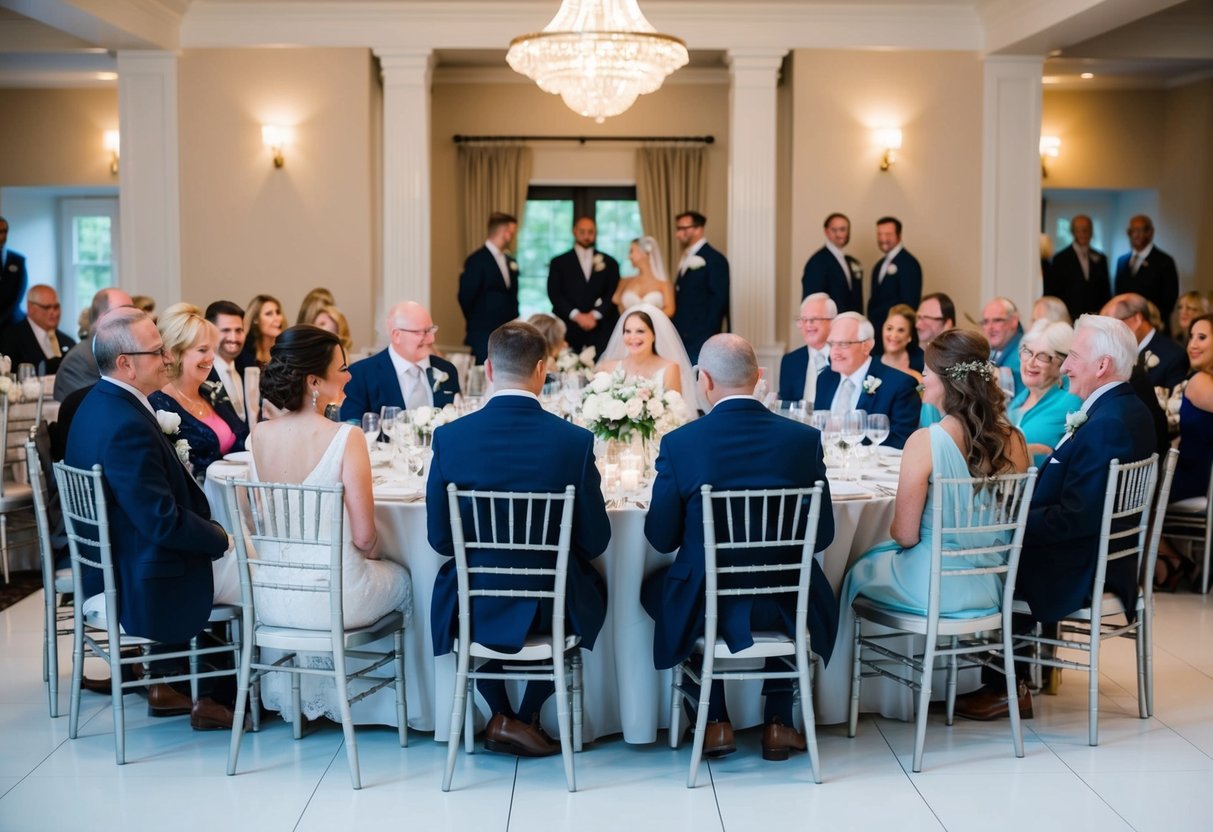
When planning your wedding seating, it’s important to think about how to create a welcoming environment for your guests. Proper etiquette helps keep the event smooth and enjoyable. You should also consider managing your guest list effectively to avoid issues.
Decoding Wedding Reception Seating Etiquette
Seating chart etiquette is essential for creating harmony during the reception. Assigned seating helps guests know where to sit, which reduces confusion.
Using either escort cards or place cards can guide guests to their tables. Usually, the bride and groom sit at the head table, with key members of the wedding party near them.
The traditional arrangement places the groom on the bride’s right and the best man to her left. The maid of honor typically sits next to the groom. You might want to also arrange guests in alphabetical order to simplify the process.
Managing the Guest List and RSVPs
Your guest list is the foundation of your seating arrangement. Start by sending out RSVPs well in advance. This way, you can get a clear idea of who will be attending.
Once you have your confirmations, create a wedding seating chart that reflects any relationships or friendships. Group people who know each other at the same table. This will help your guests feel comfortable and allow for enjoyable conversations.
Adjusting your table arrangement based on your guests can make a big difference in the atmosphere.