
Who Speaks in What Order at a Wedding? A Guide to the Ceremony’s Key Moments
Planning a wedding involves many details, and one important aspect is the order of speeches. The traditional wedding speech order typically begins with the father of the bride, followed by the groom, the best man, and then the maid of honor. Knowing who speaks when can help make your wedding reception flow smoothly and ensure everyone has a chance to enjoy the celebration.
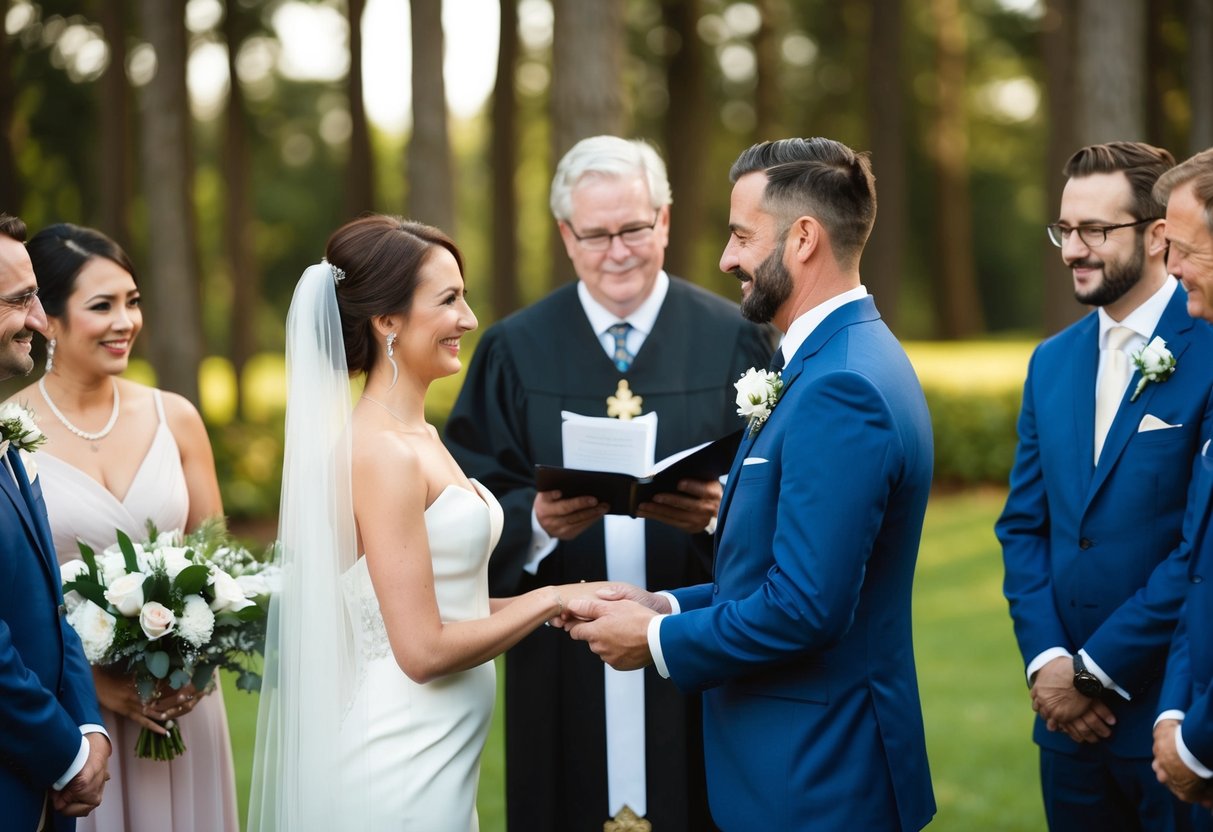
As you prepare for your big day, consider how modern wedding speech orders have evolved. Now, you might see both parents of the couple speaking or include several members from the wedding party. Understanding these traditions and expectations can help set the tone for heartfelt toasts and memorable moments during your wedding planning.
With the right speech order, you can create a warm and inviting atmosphere that reflects your love story. Get ready to dive into the details of who speaks and when, making your wedding a celebration that everyone will cherish.
Understanding Wedding Speech Traditions

Wedding speeches are special moments that add emotion and joy to the celebration. They often include heartfelt stories and blessings for the couple. Learning about their origins and how they vary can help you appreciate these traditions even more.
The Origin of Wedding Speeches
Wedding speeches have a rich history that dates back to ancient times. They were originally meant to honor the newlyweds and their families. Traditionally, speeches would express gratitude and convey good wishes.
The most common speakers include the father of the bride, the groom, and the best man. Each has a specific role in the order of speeches. The father’s speech often reflects on his daughter’s upbringing. Meanwhile, the groom usually shares his feelings for his bride. Lastly, the best man adds humor and stories, lightening the mood.
Variations in Different Cultures
Different cultures have unique wedding speech traditions. For example, in some cultures, the bride’s parents are expected to make speeches as a sign of their support. In others, friends and family members may be invited to share stories and anecdotes.
In Jewish weddings, the custom of making toasts also holds special significance. It often involves breaking a glass as a reminder of fragile moments. Similarly, in many Asian cultures, speeches may include blessings from elders, emphasizing family values.
Understanding these variations can help you enrich your own wedding experience. Knowing who speaks and when can prepare you for this emotional part of the day.
Organizing the Order of Speeches
Planning the order of speeches at your wedding is essential for a smooth flow. It helps create memorable moments and keeps guests engaged. Different approaches, whether traditional or modern, can set the tone for your celebration.
Traditional Order of Speeches
In a traditional wedding setting, the order of speeches usually follows a specific sequence. Typically, the format starts with the father of the bride, who shares heartfelt stories and welcomes guests. Next, the groom speaks, often thanking everyone and expressing love for his bride.
After the groom, the best man gives his toast, which can include humor and personal anecdotes. Lastly, the bride may also take a turn, sharing her thoughts and acknowledgments. This structure honors family dynamics and keeps the speeches balanced.
Modern Approach to Speeches
Modern weddings often embrace a more flexible order of speeches. Couples today may choose to include a wider range of speakers, such as siblings, close friends, or even other members of the wedding party.
In this setup, speeches can occur at various times throughout the reception. Some couples may opt for toasts before the meal, while others prefer them to be after dessert. This approach allows for a more personalized experience, reflecting your unique relationships and connections.
Role of the Master of Ceremonies
The Master of Ceremonies (MC) plays a crucial role in organizing the order of speeches. This person ensures that everything runs smoothly and keeps the timeline on track.
As the MC, you should introduce each speaker and set the right tone for their moment. They might also remind guests to keep speeches within a certain time frame to maintain guest engagement. In essence, the MC is the link connecting all the speeches while keeping everyone entertained and informed.
Who Gives Speeches and When
At weddings, speeches are an important tradition. They often follow a specific order and involve key people in the couple’s lives. Here’s a breakdown of who typically speaks and when.
Father of the Bride Speech
The father of the bride usually gives his speech first. This moment is often emotional and heartfelt. He typically welcomes guests and thanks everyone for attending.
You might share a few stories about your daughter, expressing your pride and love for her. It’s also common to offer some advice to the newlyweds.
A nice touch is to toast to the couple’s future happiness.
Groom Speech
Next is the groom’s speech. This is a great opportunity to express your gratitude. You should thank both families and acknowledge the guests for being there.
Sharing a personal story about your journey with the bride can make it memorable. You might also take time to speak about the love you share.
Don’t forget to raise a toast to the bridesmaids and your in-laws!
Bride Speech
The bride speaks after the groom. This is her chance to express her feelings. She might start by thanking her parents and the groom’s parents for their support.
Sharing a light-hearted story about the couple can engage the guests. It’s a great opportunity to thank her bridal party for their help.
Many brides conclude with a heartfelt message to the groom, celebrating their love.
Best Man Speech
The best man follows, and this speech is often filled with humor. Your job is to entertain while still conveying your respect and care for the couple.
You might share anecdotes about the groom, and it’s best to keep them light-hearted. Be sure to avoid anything that could embarrass him or the bride.
Conclude with an uplifting toast to the couple, wishing them a happy marriage.
Maid of Honor Speech
The maid of honor speaks next, echoing some themes from the best man’s speech. Your role is to celebrate the bride and share your friendship over the years.
You can recount stories that highlight her personality and love for the groom. Keep the tone sweet and supportive.
Finish with a toast, just like the others, wishing joy and love for the couple.
Couple Speech
Finally, the couple can speak together. This speech allows both of you to express gratitude to everyone.
Together, you might share a story about your journey as a couple, making it personal. This moment highlights your commitment and partnership.
You can end the speech by thanking your guests once more and inviting everyone to enjoy the celebration.
Tips for Memorable Wedding Speeches

When it comes to delivering a wedding speech, you want it to stand out for all the right reasons. A memorable toast combines emotion, humor, and personal touches. Here are some tips to help you create a speech that resonates with everyone, while also keeping the audience engaged.
Crafting a Touching Toast
Start by sharing a heartfelt story about the couple. Think of moments that highlight their love or friendship. Maybe recall the first time they met or a special trip they took together. Personal anecdotes make your speech relatable.
Use a clear structure: Introduction, Body, and Conclusion. In your introduction, introduce yourself and your relationship to the couple. Keep your body focused on the couple’s qualities and the love they share.
Wrap up with a warm wish for their future. A simple toast like “To love and laughter” can be very effective. Remember to practice out loud to ensure your delivery feels natural.
Avoiding Speech Fatigue
Long speeches can lead to boredom or fatigue among guests. Aim for around 3-5 minutes for your wedding toast. This is plenty of time to share your message without losing the audience’s attention.
Use humor, but be mindful of the audience. Light jokes or funny stories related to the couple can engage listeners. Avoid inside jokes that others may not understand.
Incorporate pauses to let your words sink in. A well-timed pause can emphasize important points and create a more impactful delivery.
Rehearsal Dinner Speeches
Many couples include speeches during the rehearsal dinner. This is a great time for more relaxed toasts. It allows speakers to warm up before the big day.
Consider what to say. You might share a funny story about the couple or express gratitude to family and friends. This can set a positive tone for the wedding.
When preparing, keep it shorter than the wedding speeches. Aim for 2-3 minutes. The goal is to connect with those closest to the couple and create a heartfelt moment before the wedding festivities begin.