
Who Traditionally Pays for a Destination Wedding? Unveiling the Cost Contributors
Planning a destination wedding can be both exciting and a bit tricky when it comes to finances. Traditionally, the couple pays for the main expenses, but there are other factors to consider as well. Understanding who pays for what can help you navigate the costs better and make the best decisions for your dream day.
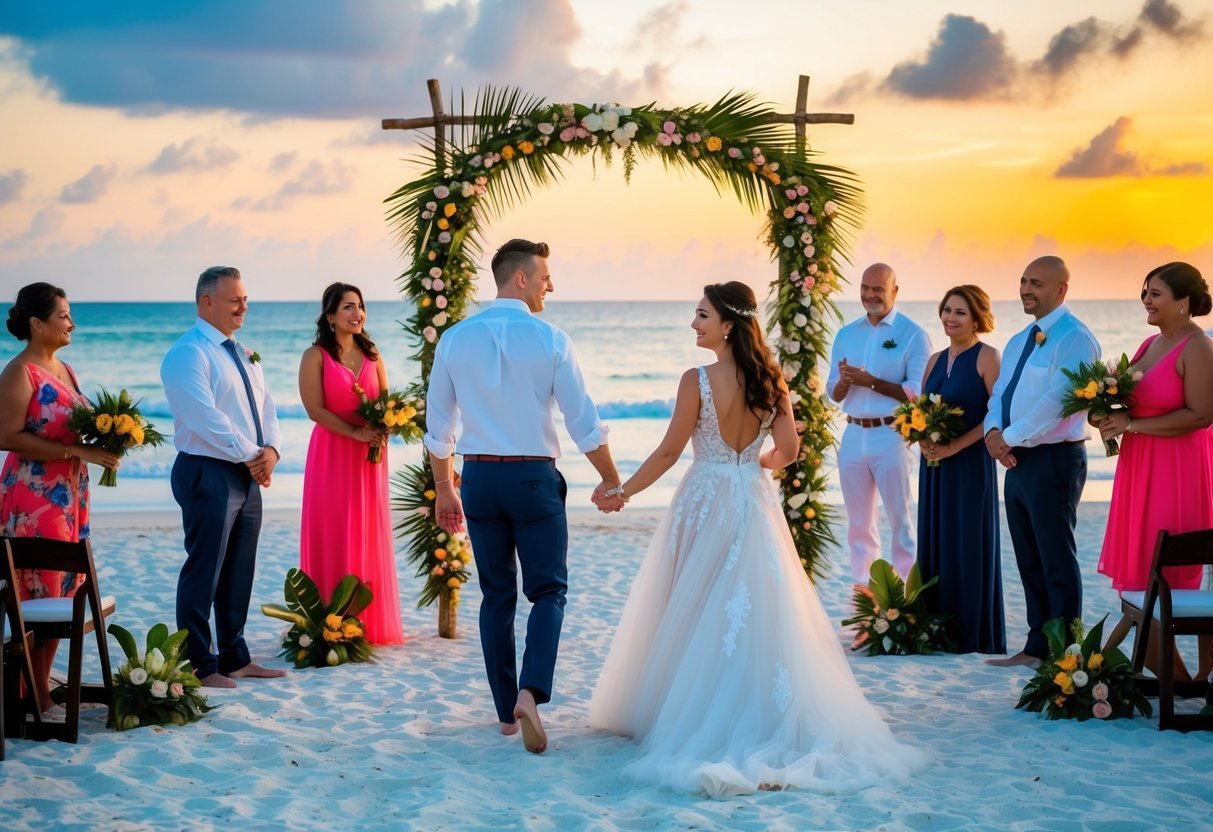
Destination wedding etiquette suggests that while the couple typically covers the venue and the reception, family contributions can also play a significant role. This means that parents or close family members might chip in to help ease the financial burden. Knowing these traditions can help you set realistic expectations for your budget.
As you think about your wedding location and guest list, keep in mind that costs can add up quickly. Understanding how to share expenses among families and guests will not only lessen your stress but also help to create an enjoyable experience for everyone involved.
Understanding Destination Wedding Etiquette

Destination weddings can be exciting but also come with specific financial and communication challenges. It’s important to clarify who is responsible for costs and how to communicate expectations with your guests.
Defining Financial Responsibilities
When it comes to financial responsibilities, traditional roles can blend in a destination wedding. Typically, the bride’s family covers the wedding expenses. This may include the venue, decorations, and officiant fees.
However, in a destination setting, travel and accommodation costs also arise. The bride’s family often pays for travel expenses for the couple and may help with guests’ accommodations. In some cases, both families might share the financial load.
Prior to planning, you should discuss costs with both families. You all need to establish a budget. This honesty helps everyone manage their expectations and contributions clearly.
Communicating With Guests
Clear communication with your guests is vital. Since attending a destination wedding often involves travel, some may hesitate to commit.
Start by sending out invitations early, ideally six to eight months in advance. Include details about travel arrangements, accommodations, and nearby attractions. This can help guests plan their trip and budget accordingly.
You should be upfront about who covers what. If you expect guests to pay for their travel and meals, make this clear. This transparency helps avoid misunderstandings. Always encourage questions. Being available to address concerns can make your guests feel more comfortable and included.
Planning and Budgeting for Your Destination Wedding

Planning a destination wedding involves careful budgeting and decision-making. By understanding how to allocate your wedding budget and choosing the right type of package, you can ensure a smooth planning process and an enjoyable celebration.
Allocating the Wedding Budget
Start by listing all potential wedding-related expenses. Common costs include the venue, food, decorations, and the officiant. Don’t forget about travel-related expenses for you and your guests, like flights and transport.
It can be helpful to set a clear budget for each category. Consider working with a wedding planner who specializes in destination weddings. Their experience can help you manage these costs efficiently.
You may also want to create a spreadsheet to track expenditures and keep everything organized. Make sure to include a buffer for unexpected costs, as these can arise easily in a destination setting.
Choosing All-Inclusive or A La Carte
When planning your destination wedding, you will have to decide between all-inclusive packages and a la carte options. All-inclusive packages often cover everything from accommodation to catering and decor. This option can save time and reduce stress.
On the other hand, a la carte options let you pick and choose services according to your preferences. This allows for more customization but may require more planning.
Think about your priorities. If you want convenience and simplicity, all-inclusive might be best. If you have specific ideas for your wedding, consider a la carte choices. Whatever you choose, ensure it fits within your budget and meets your needs.
Navigating Guest Accommodations and Travel

Planning the logistics for your guests can be a big task when it comes to a destination wedding. It’s important to consider how to help your guests with accommodations and travel costs. Here are some key points to think about.
Securing Group Rates and Discounts
One effective way to ease guest expenses is to secure group rates at nearby hotels. Many hotels offer discounts for large groups, especially when they know it’s for a wedding.
To get started, you should research hotels that are close to your venue. Contact them about group pricing and ask for a list of amenities included.
Once you’ve selected a hotel, be sure to reserve a block of rooms. This way, your guests will have convenient options and often save money. Provide this information on your save-the-dates or wedding website, making it easy for guests to book early.
Setting Guest Expectations
It’s essential to set clear expectations about travel arrangements and costs. Clearly communicate what guests are expected to cover. This includes transportation from the airport to accommodations.
In your wedding invites or website, provide helpful information. Include details about the nearest airports, car rental options, and shuttle services.
Also, it’s a good idea to share tips on how to navigate local transportation. Letting guests know about any additional costs will help them plan their budgets. By being upfront, you make the travel process smoother and less stressful for everyone involved.
Organizing the Wedding Events
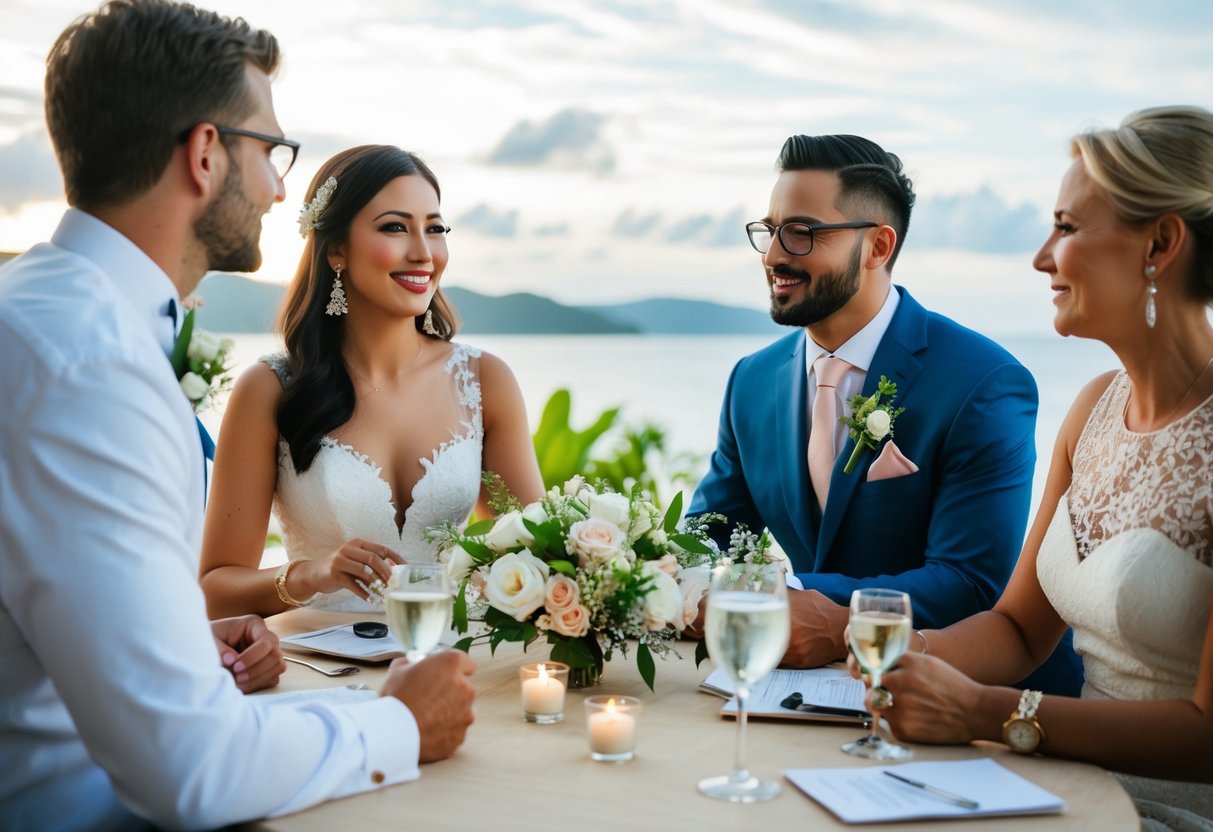
Planning your destination wedding involves coordinating several key events to ensure everything runs smoothly. Focusing on pre-wedding activities and the wedding day itinerary helps enhance the guest experience and makes your special day memorable.
Scheduling Pre-Wedding Activities
Before the wedding, it’s essential to offer guests a taste of the local culture and relaxation. Consider organizing a welcome dinner where everyone can mingle and get to know each other. This sets a friendly tone for the festivities.
The rehearsal dinner is another important event, usually hosted the night before the wedding. This intimate gathering helps everyone understand the flow of the ceremony. Make sure to choose a welcoming venue that reflects the destination’s charm.
Creating a wedding website can also be very helpful. It can include event details, local recommendations, and travel tips. This keeps everyone informed and excited about the upcoming celebrations.
The Wedding Day Itinerary
On the wedding day, a clear itinerary is crucial for a smooth experience. Start with the wedding ceremony. Ensure that you communicate the timeline to your guests ahead of time. Include details about the venue and any special traditions you’ll incorporate.
After the ceremony, plan for a cocktail hour to keep guests entertained while you take photos. This creates an enjoyable atmosphere and encourages mingling.
The wedding reception is the grand finale. So, focus on details like seating arrangements and entertainment. Make sure to coordinate with your venue on the wedding package to ensure everything is set up for a memorable night of dancing and celebration.