
Who Walks First: Groom or Best Man? Clarifying Wedding Traditions
When planning a wedding, details like the processional order can feel overwhelming. If you’re wondering who walks first, the answer is usually the groom. The groom, often accompanied by his best man, typically walks down the aisle before the rest of the wedding party.
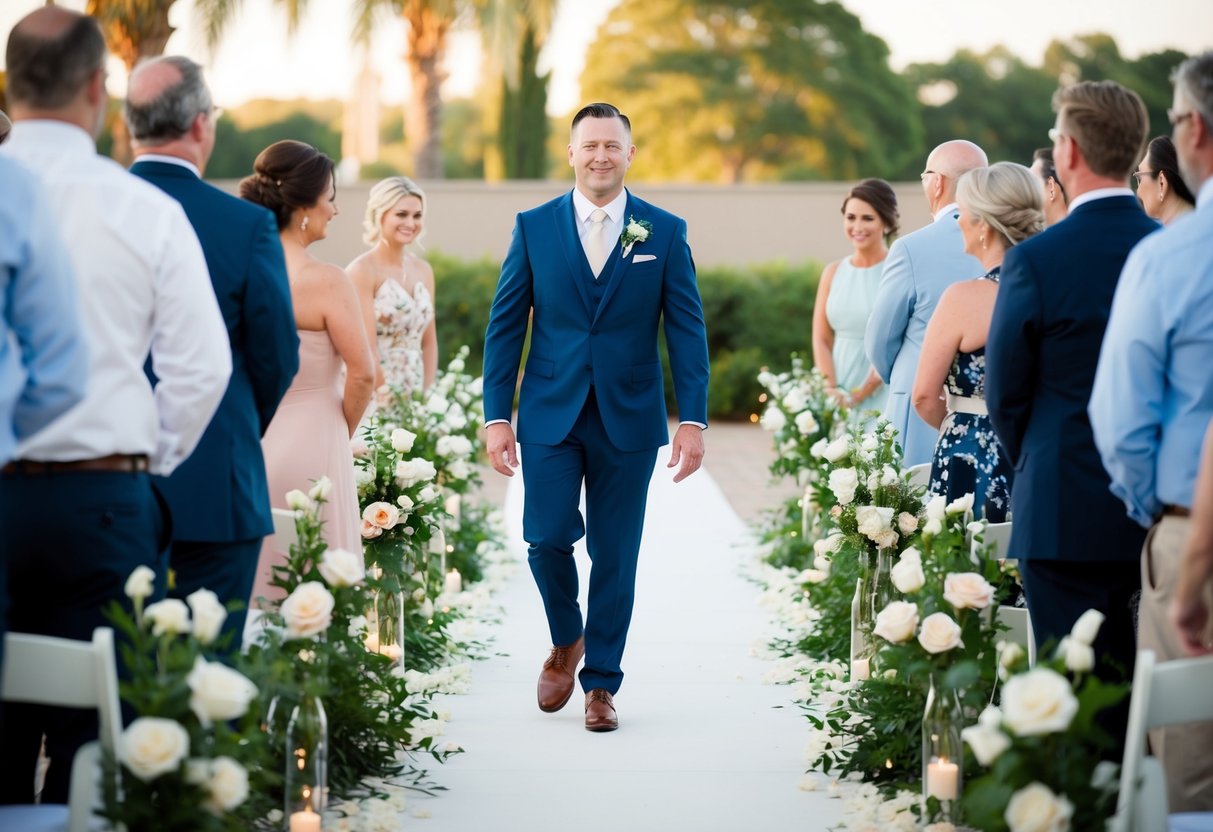
Every couple has their own unique style, and you might choose to mix things up a bit. Some may opt for the best man to walk alongside the groom or even directly after him, depending on the tradition or personal preference.
Understanding the flow can help you create a memorable and organized ceremony. Knowing who takes those important steps can make your wedding day feel more special and connected.
Wedding Processional Basics
Understanding the wedding processional is important for a smooth ceremony. It sets the stage for the couple’s special moment. You’ll want to know who walks in when and the specific roles involved.
Understanding the Processional Order
The wedding processional is the part where everyone walks down the aisle to mark the start of the ceremony. This order is crucial in creating a memorable atmosphere.
-
Groom and Best Man: Generally, the groom and best man enter first, often standing to the right of the altar.
-
Groomsmen and Bridesmaids: Next, groomsmen and bridesmaids walk down the aisle, usually in pairs. They symbolize support for the couple.
-
Flower Girl and Ring Bearer: After that, the flower girl and ring bearer enter. They are often the youngest members of the wedding party.
-
Bride: The bride typically walks last, escorted by her father.
This structured flow helps everyone know their role, making the event run smoothly.
Roles of the Groom and Best Man
The groom plays a key role in the wedding processional. He walks in ahead of the wedding party and waits for his bride at the altar. This moment can be emotional as he prepares to see his partner walk down the aisle.
The best man supports the groom throughout the process. He can walk in with the groom or enter shortly after. Sometimes, he holds the wedding rings or steps in to assist the groom during the ceremony.
These roles are not just ceremonial; they emphasize support and commitment. Knowing these duties can help ensure that the wedding ceremony is heartfelt and organized.
Order of Ceremony Participants
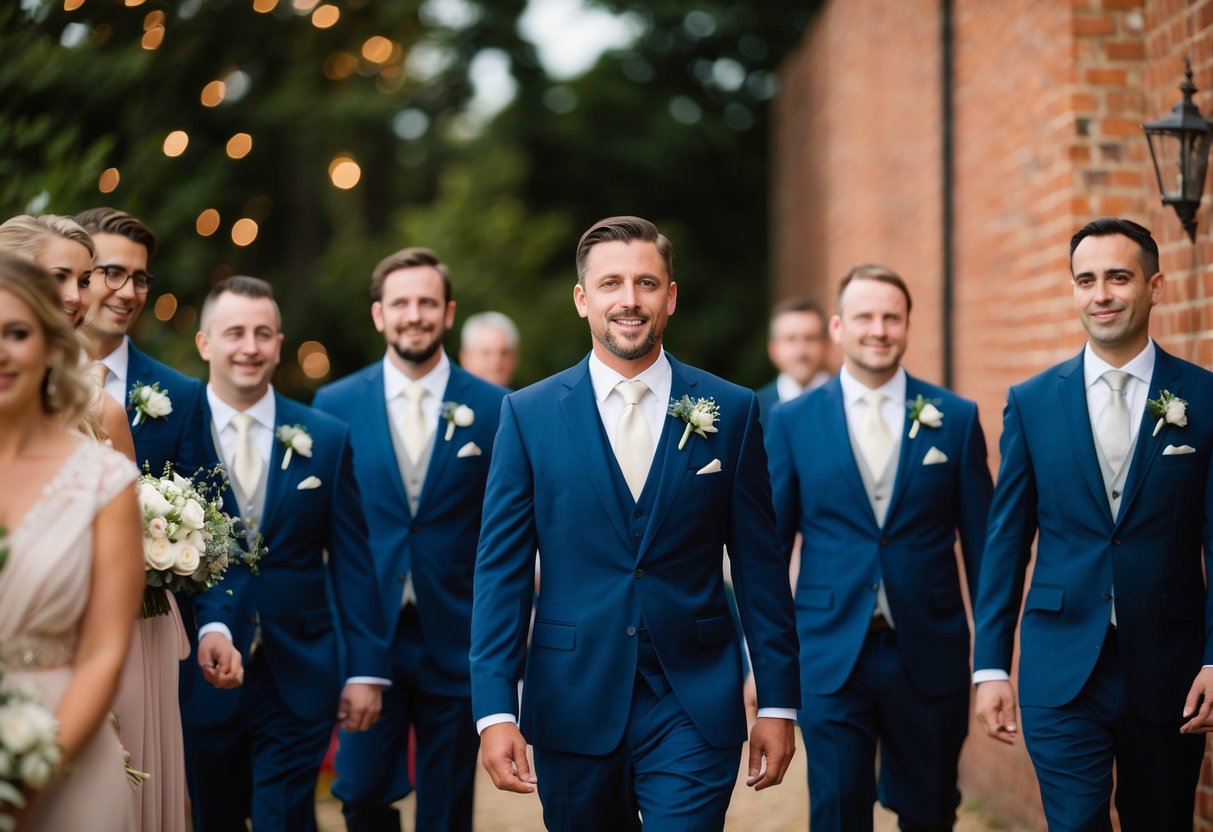
In a wedding ceremony, the order of participants is essential for a smooth and meaningful experience. Knowing who walks in when can help set the tone and honor family traditions.
The Role of Family Members
Family members play significant roles during the wedding processional. The mother of the bride often walks down the aisle first, followed closely by the groom’s parents. These entrances allow them to take their seats and witness the ceremony’s start.
Next, the father of the bride has a special role. Traditionally, he escorts the bride down the aisle, creating an emotional moment. You may also have grandparents walk in to signify their importance, often paired with an usher for support.
Special Attendees and Their Roles
Some attendees hold special positions that add to the ceremony’s charm. The flower girl typically follows family members. She walks down the aisle scattering petals, symbolizing beauty and new beginnings.
The ring bearer often walks just before the bride. This little one is responsible for carrying the wedding rings, sometimes in a special box or pillow. These roles highlight the importance of all participants and create memorable moments.
Wedding Party Entrances
After family members and special guests, it’s time for the wedding party to shine. The groom usually walks down the aisle first, often with his groomsmen. He might be escorted by one or both parents, depending on personal preference.
The best man can follow the groom or walk in with the maid or matron of honor. Next are the bridesmaids, who typically enter in pairs, creating balance and beauty. Finally, you’ll see the bride, often escorted by her father, marking the climax of the processional before saying “I do.”
Cultural and Religious Variations
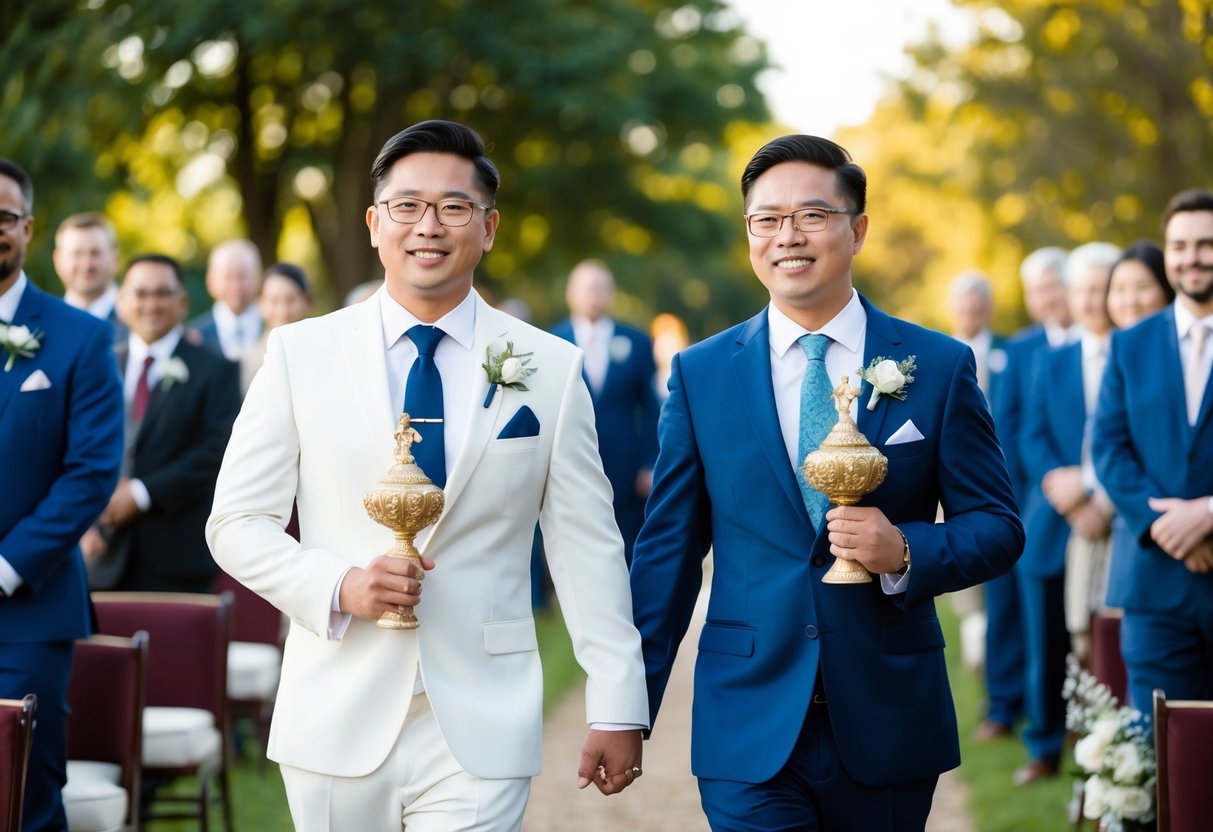
Weddings can vary widely across different cultures and religions, affecting who walks first. Each tradition has its unique customs that guide the order of who takes part in the wedding procession.
Christian Wedding Traditions
In a traditional Christian wedding, the procession typically starts with family members. You will often see the bride’s mother walk down the aisle first. The groom then follows, either walking solo or escorted by his parents. Next comes the best man, standing at the altar alongside the groom. The bride walks last, which creates a standout moment for all present.
Key Points:
- Bride’s mother usually walks first.
- Groom may walk down with parents or solo.
- Best man stands with the groom.
Jewish Wedding Customs
Jewish weddings have distinct traditions that influence the processional order. This often starts with the rabbi and other clergy who take their place near the chuppah. Next, both sets of grandparents are welcomed, followed by the parents of the bride and groom. After the family members, the best man comes next, and finally, the bride walks down the aisle.
Key Points:
- Ceremony begins with the rabbi and clergy near the chuppah.
- Grandparents typically follow the clergy.
- Bride walks last in the procession.
Hindu Wedding Practices
Hindu weddings include vivid customs, especially during the baraat, where the groom is celebrated as he arrives at the wedding venue. The groom, often accompanied by his family, typically walks in first, showcasing his attire and presence. After the groom, the bride enters under a beautifully decorated mandap, often escorted by both parents. This creates a meaningful entry, rich with cultural significance.
Key Points:
- The baraat highlights the groom’s arrival.
- Bride walks in under the mandap, often with both parents.
- The focus is on cultural symbolism in the procession.
The Ceremony’s Progression
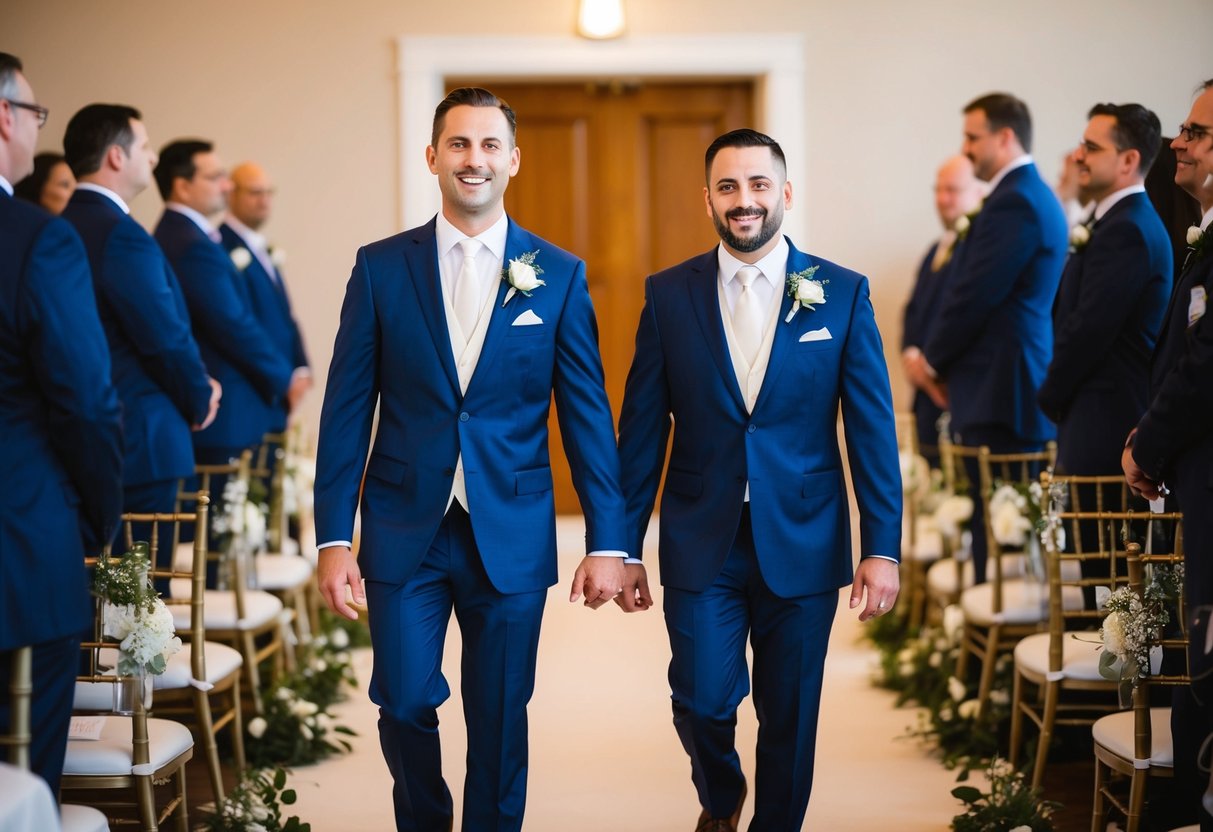
The ceremony’s progression is all about the order and flow of the events. It highlights the significance of the processional and recessional moments during the wedding ceremony.
The Bridal March and Recessional
The bridal march is a key part of the ceremony. This is when the bride makes her grand entrance. Traditionally, the groom walks in first, often escorted by his parents. This is followed by the best man and groomsmen. The bride usually walks in last, creating a moment of excitement as everyone turns to see her.
After the vows, the recessional occurs. This marks the exit of the newlyweds and the wedding party. The bride and groom usually leave together, followed by the bridal party. The recessional brings a joyful conclusion to the ceremony. The order here is important too, showcasing the couple as they start their new life together.
Significance of the Processional Music
Music plays an important role in setting the mood. The processional song helps create a special atmosphere as everyone waits for the bride to arrive. Choosing the right wedding processional song can evoke emotions and enhance the moment.
Popular choices often include classical pieces or modern romantic songs. The music not only guides the pace of the procession but also reflects the couple’s personality. It’s your chance to personalize the ceremony and make it memorable for everyone.
Transitions During the Ceremony
Transitions are essential for a smooth ceremony. Each part, from the processional to the vows and recessional, needs to flow seamlessly. You can use pauses and changes in music to mark these transitions.
When the officiant invites the couple to exchange vows, it’s a significant moment. This is also when families and friends may react with smiles or tears of joy.
Make sure your wedding ceremony order includes these key transitions, as they enhance the overall experience for everyone involved.