
Why Are Brides Traditionally Late? Exploring the Reasons Behind Wedding Delays
When it comes to weddings, many tales suggest that brides often arrive late. Stories often suggest it’s a tradition rooted in superstition or that it’s part of being fashionable. In reality, there is no established tradition that says brides must be late. Often, delays happen due to the many moving parts involved in wedding preparations, from hairstyling to transportation issues.
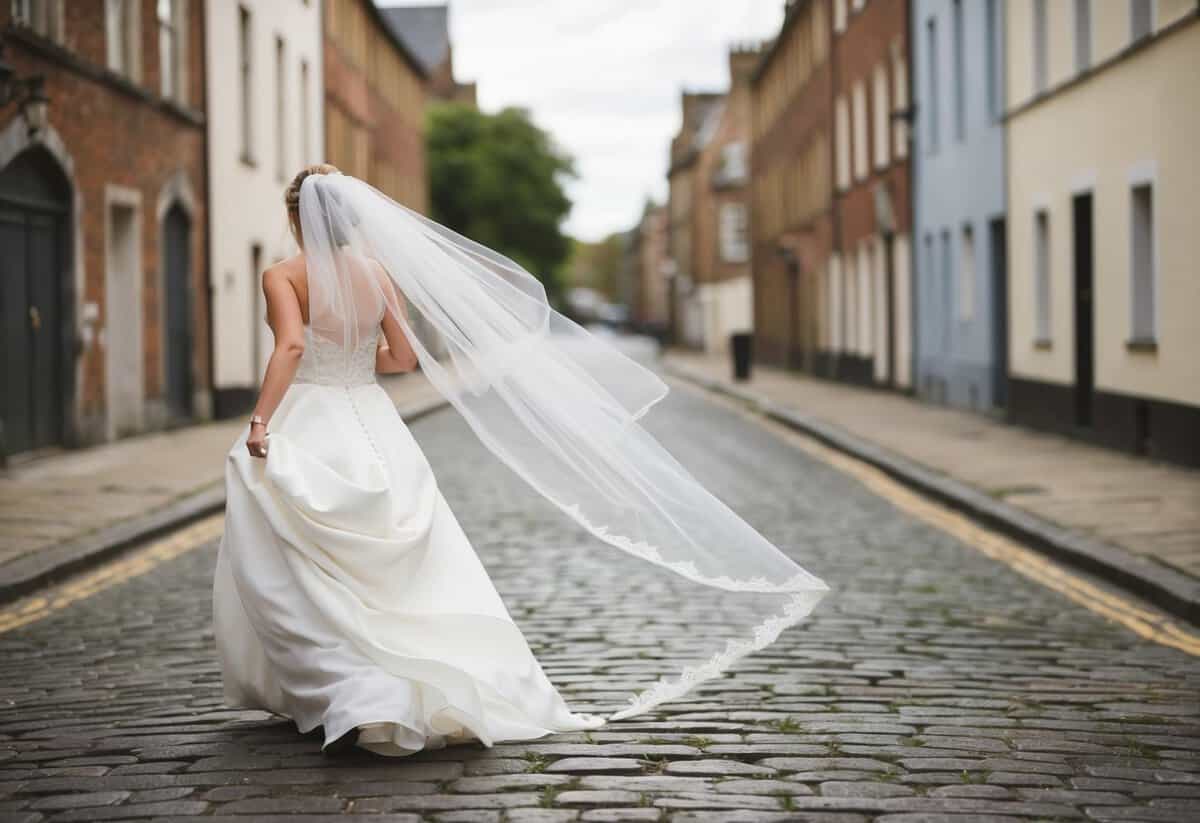
Some believe that arriving late adds a sense of drama or excitement to the day, but most brides just want everything to go smoothly. The pressure of getting ready can lead to unexpected hold-ups. You might be surprised to find that many cultures actually view timely arrivals as a sign of respect for guests and the groom.
As you dive deeper into wedding customs, you’ll discover that the idea of the bride being late is more of a common misconception than a tradition. Understanding the facts behind this belief can give you a fresh perspective on wedding planning and the fleeting moments of the big day.
Historical Roots of Bridal Tardiness
Bridal tardiness has roots in various wedding traditions and superstitions. These elements reflect cultural beliefs that have shaped how brides approach their nuptials. Understanding these influences can provide insights into why many brides are late on their wedding day.
Superstitions and Their Influence
Many cultures hold superstitions that surround weddings. Some believe that if a bride is late, it can ward off bad luck. Being fashionably late might hint at a struggle with the transition to married life. Additionally, arriving late can symbolize the bride’s importance, making the event feel more special.
In various traditions, it is also thought that if a bride keeps her groom waiting, it ensures his love and commitment. Such beliefs have lingered through generations, affecting modern wedding customs. For instance, in some regions, the bride’s tardiness is almost celebrated, adding to the day’s excitement.
Arranged Marriages and Waiting Games
In the past, many marriages were arranged, often removing the bride’s choice in timing. Once the wedding was set, waiting for the bride became a part of the ceremony. This practice allowed families to gather and celebrate the union.
The anticipation created by the bride’s delayed arrival gave guests time to socialize before the ceremony. Brides would often take longer to get ready, emphasizing their role in the event. This waiting game allowed families to present themselves in the best light, creating a more festive atmosphere during the nuptials.
Over time, these cultural practices have influenced modern weddings, leading to the notion that brides should take their time, whether for tradition or personal preference.
Modern Interpretations and Etiquette
Today, the tradition of brides being late is often viewed through a modern lens. Many couples consider the cultural significance behind this practice. Additionally, wedding etiquette has evolved, shaping the expectations for timing during ceremonies and receptions.
Symbolism in Contemporary Weddings
In modern weddings, the bride’s late arrival can symbolize the dramatic moment of her entrance. This adds excitement to the ceremony. You might notice that couples opt for the bride to make a grand reveal when she walks down the aisle.
Some see this delay as a way to build anticipation. Guests often enjoy the suspense of waiting for the bride to arrive. It’s a moment that highlights her importance and showcases her fashion choices.
However, this does not mean that guests should feel inconvenienced. You’ll want to ensure that the ceremony start time is clear on the invitations. This helps maintain a balance between tradition and respect for your guests’ time.
The Role of Wedding Etiquette
Wedding etiquette has changed, reflecting new societal norms. It’s important to be mindful of timing to avoid confusion during your ceremony. The expectation is that everyone arrives on time, especially the groom, who may be nervous or excited.
While being fashionably late might add drama to your entrance, it is courteous to plan your arrival reasonably. Communicating with your wedding planner can assist in setting a timeline that honors both traditions and etiquette.
Consider including a buffer for unexpected delays. This allows the ceremony to run smoothly without a lengthy wait for guests.
Rituals and Symbolism in Wedding Ceremonies
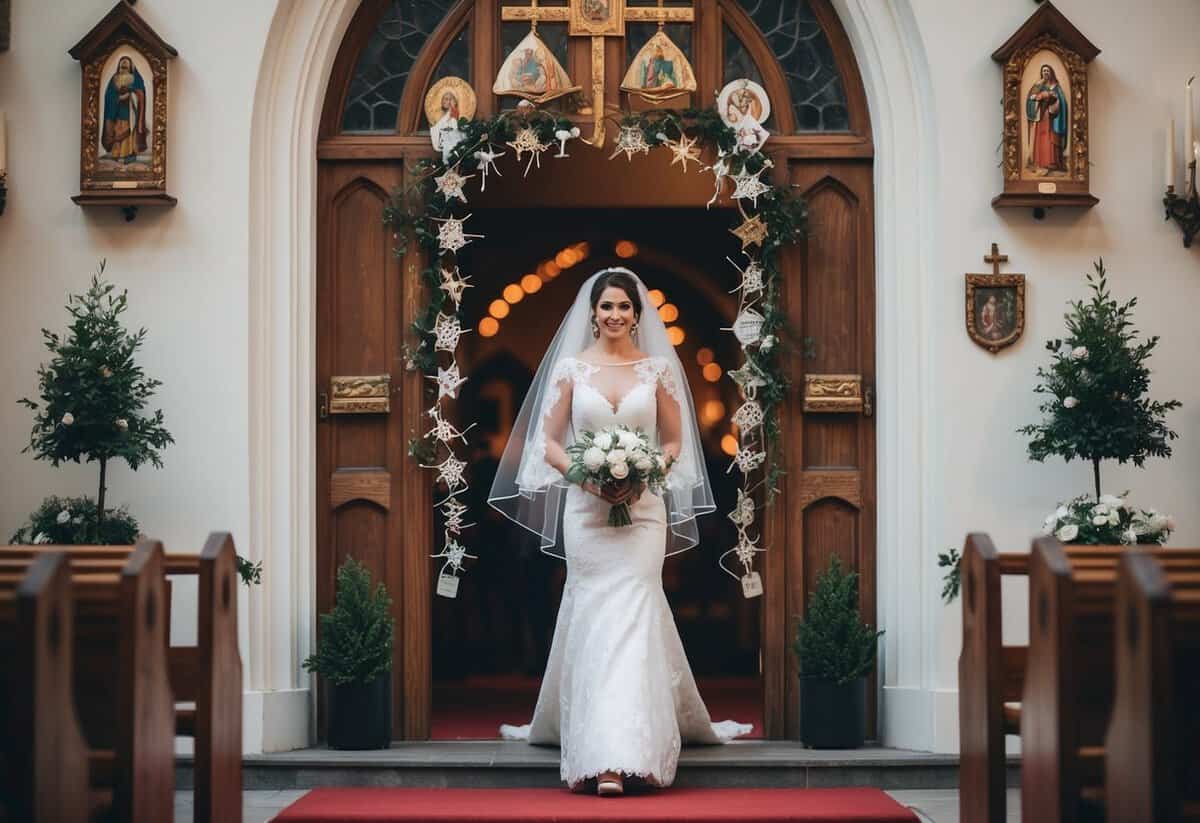
Weddings are rich with traditions and symbols that add meaning to the ceremony. These elements not only enhance the experience but also reflect the couple’s love and commitment.
Significance of Wedding Attire
Wedding attire carries deep significance for both the bride and groom. The bride often wears a white dress to symbolize purity and new beginnings, and the groom typically opts for a formal suit.
Many brides follow the tradition of wearing “something old, something new, something borrowed, and something blue.” Each item has a special meaning. For example, “something old” honors family and heritage, while “something blue” represents fidelity.
The attire you choose makes a statement about your personal style and values. It’s a way to start your journey together, representing who you are as a couple.
Vows and Rings: Momentous Exchanges
The exchange of vows is one of the most heartfelt moments in a wedding. It is the time when you express your love and commitment in front of family and friends.
Wedding rings play a crucial role in this exchange. They are often considered symbols of eternity, representing the unbreakable bond between you and your partner. The circular shape signifies that love has no end.
Some couples incorporate rituals like tying the knot, physically representing their union. Each vow and every ring exchanged deepens your connection, making the ceremony uniquely yours.
The Wedding Day Itinerary
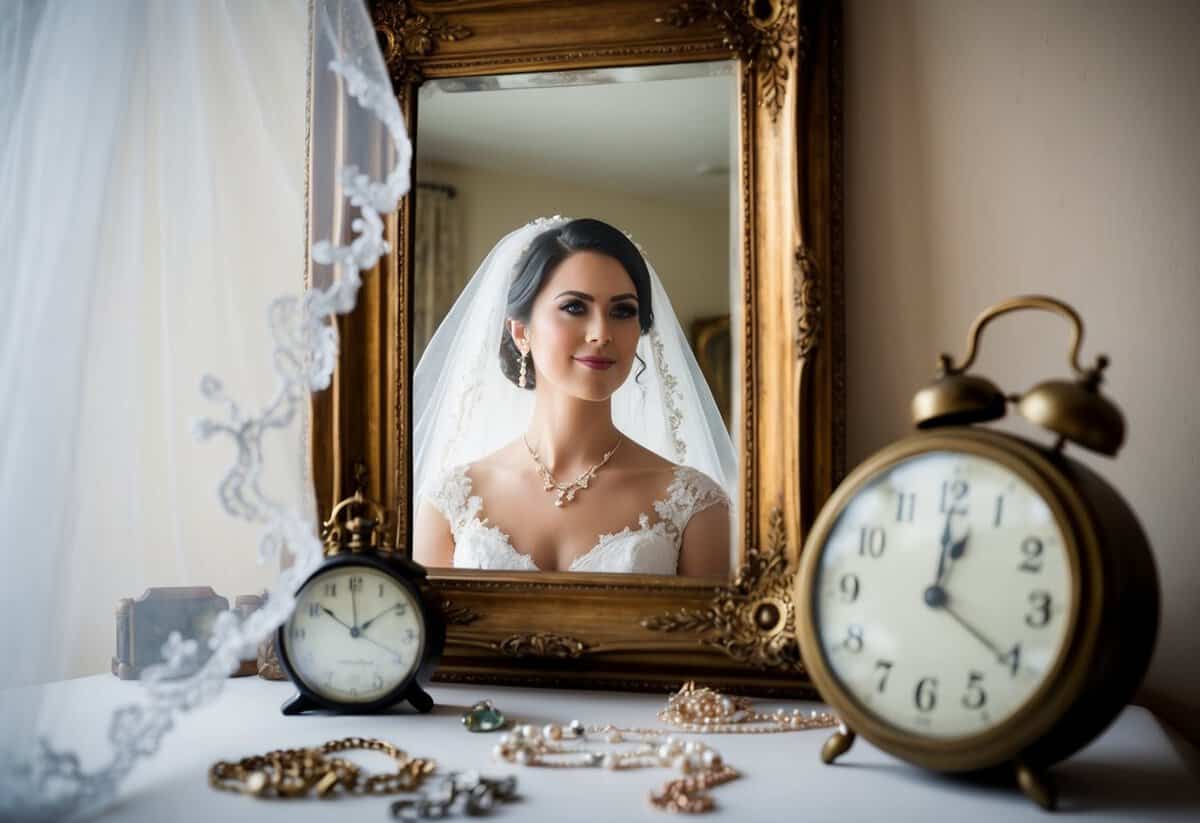
Creating a detailed wedding day itinerary can help you manage your time and expectations. It ensures that everything flows smoothly, from the start of your preparations to your grand entrance at the ceremony.
Managing Timeliness and Expectations
To keep your wedding on track, start with a clear timeline. Schedule hair and makeup early in the day, allowing extra time for unexpected delays. It’s not uncommon for hair and makeup to take longer than planned, which can make you late for your own ceremony.
Assign duties to your bridal party to help you stay on schedule. Distributing tasks like ensuring the groomsmen are dressed and ready can help keep everything moving. Also, plan to arrive at the venue well before the ceremony starts. This way, you’ll have time for a few calming moments.
Communicate the timeline to your guests on the wedding invitations. They will appreciate knowing when each key moment, like the cake cutting and the bridal entrance, will occur. You might even include elements like a traditional sixpence in your shoe for good luck as part of the day’s fun.
Key Moments Leading to the Aisle
Key moments leading up to your aisle entrance can set the mood for your wedding. These include pre-ceremony preparations and the arrival of guests. As you prepare, keep a list of important tasks to ensure nothing is missed.
The excitement builds as guests arrive for the ceremony. You want everything to be just right, from the flowers to the seating. The groomsmen should be ready to welcome guests and help guide them to their seats.
Once the ceremony begins, the bridal entrance is a highlight. Spend time rehearsing with your wedding party to ensure everyone knows their role. This will help ease any nerves and ensure that the moment feels magical.
After the ceremony, you can transition into the wedding reception without rushing. This period allows you to enjoy the celebrations with your loved ones, marking the start of your new journey together.