
Why Can’t You Get Married After 6pm? Understanding Evening Wedding Restrictions
Many people wonder why getting married after 6 PM is often not allowed. The Marriage Act of 1836 established that marriages could only take place between 8 AM and 6 PM. These hours were set to ensure that the necessary officials were available and to maintain the tradition of holding ceremonies during daylight.
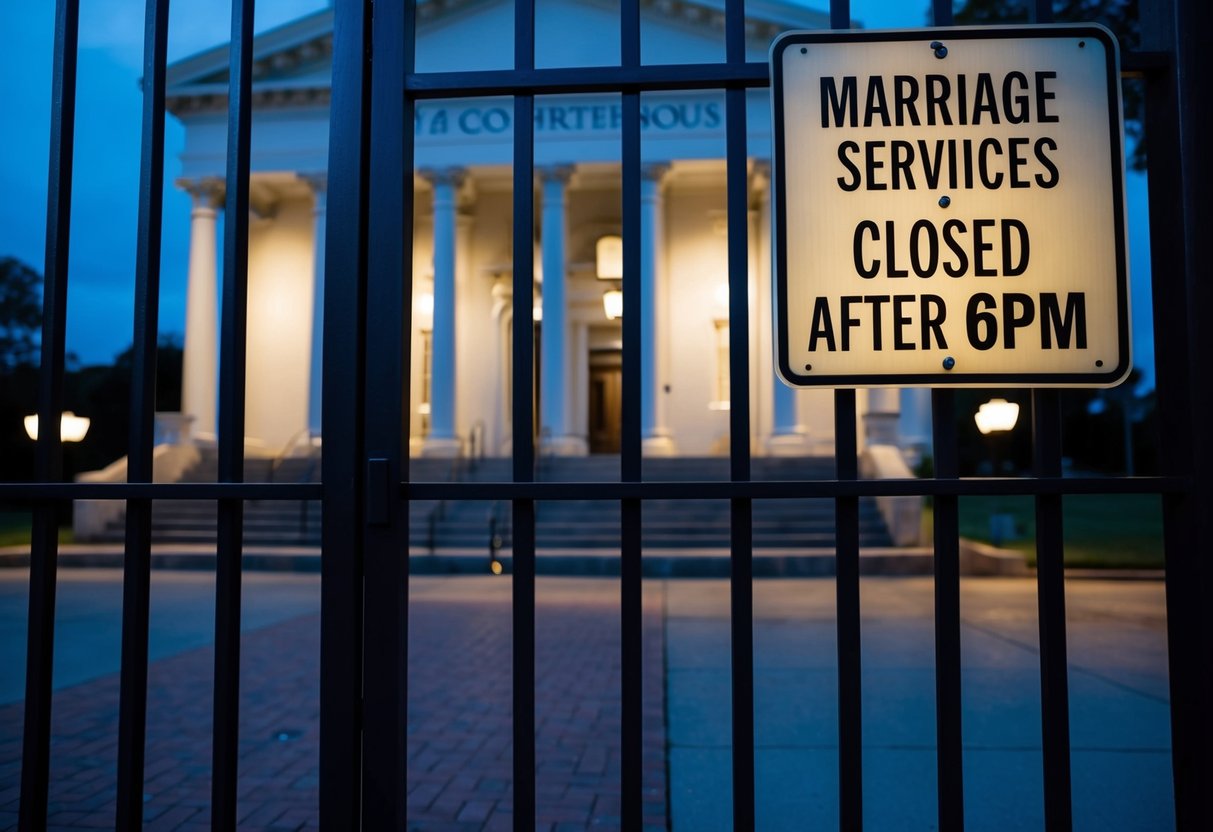
As you explore your own wedding plans, you might feel curious about how this time rule impacts your options. Understanding the history behind it can enrich your appreciation of the ceremony itself. The rules have even seen some changes, with discussions about allowing later weddings to give couples more flexibility.
So, as you think about your big day, consider how these time limits fit into your personal vision. Knowing the reasons behind such rules can help you plan a celebration that honors tradition while still reflecting your unique style.
Historical Context of Marriage Laws in England and Wales
Marriage laws in England and Wales have a long history that influences practices today. Specific rules and customs surrounding the timing of marriages have evolved, affecting when you can legally marry.
Evolution of Marriage Hours
In the 18th century, marriages in England required a specific time and place. The Marriage Act of 1753 mandated that ceremonies occur in the Church of England. This law intended to reduce clandestine marriages, which often took place at night.
After 1836, couples could choose to marry in other approved venues. This change meant more flexibility in marriage hours, but many chose daytime ceremonies for practical reasons. Nighttime marriages remained uncommon due to the lack of official guidance.
Today, while there are some allowances for evening weddings, legal guidelines still favor daytime events. This history shapes the current restrictions on marrying after 6 PM, balancing tradition with modern needs.
Legal Regulations for Wedding Ceremonies
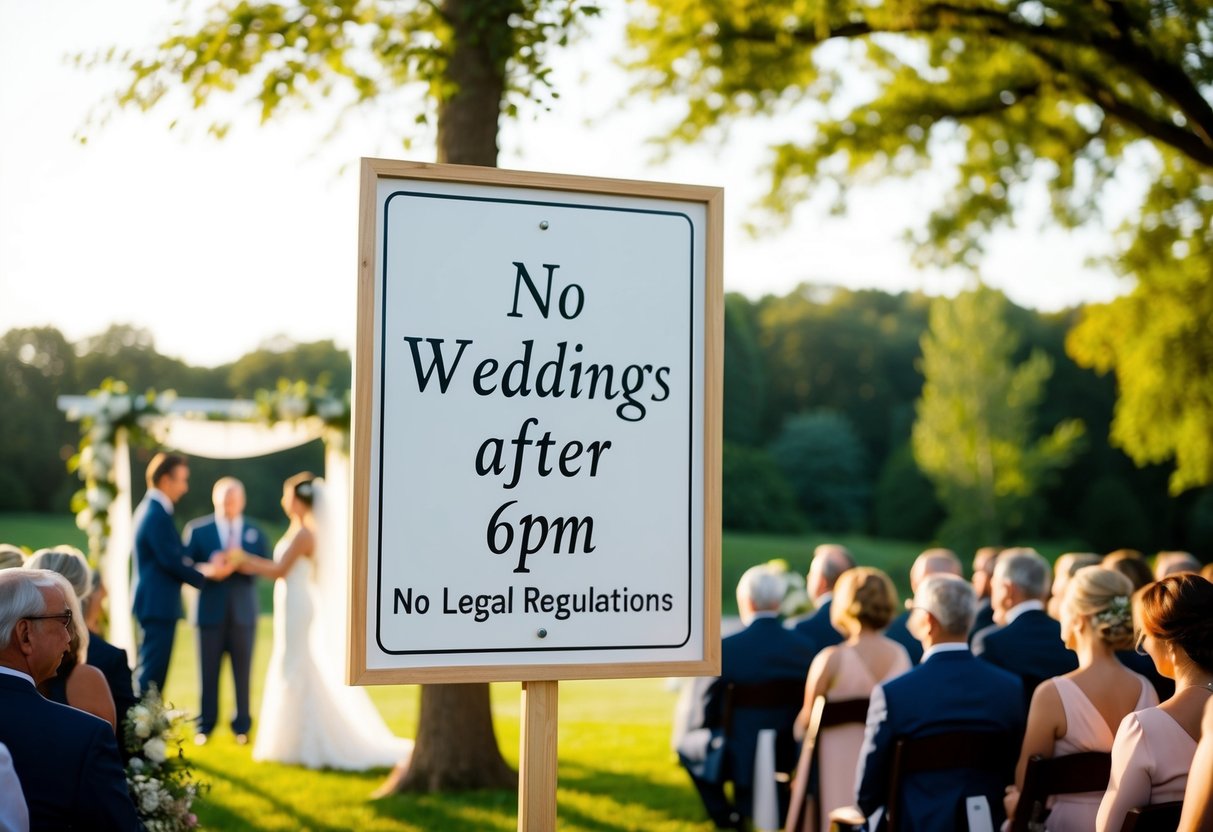
When planning your wedding, it’s important to be aware of legal time restrictions that can affect your ceremony. Understanding these regulations can help you avoid any last-minute surprises and ensure your big day goes smoothly.
Current Legal Time Restrictions
In England and Wales, wedding ceremonies must typically occur during specific hours. Most venues are required to offer wedding services only between the hours of 8 AM and 6 PM. This means that you’ll need to plan your ceremony accordingly, especially if you want to avoid any complications.
There are some exceptions at licensed venues that may allow later ceremonies, but these can vary. Make sure to check with your specific venue to confirm their operating hours. Being aware of these restrictions early can save you time and stress in the long run.
Rationale Behind the Time Limits
The law surrounding wedding timings has historical roots. Traditionally, ceremonies were held during daylight hours to ensure that everyone could see and participate fully.
This also allowed for religious observances that were typically scheduled during the day. By having a set time frame, it ensures that clergy and officiants can perform ceremonies without conflicting with other church or legal duties.
While some may find these limits frustrating, they are mostly there to help maintain order and clarity in the marriage process. If you’re curious about specific times for your wedding, discussing options with your venue can offer some insights.
Social and Cultural Implications of Evening Weddings
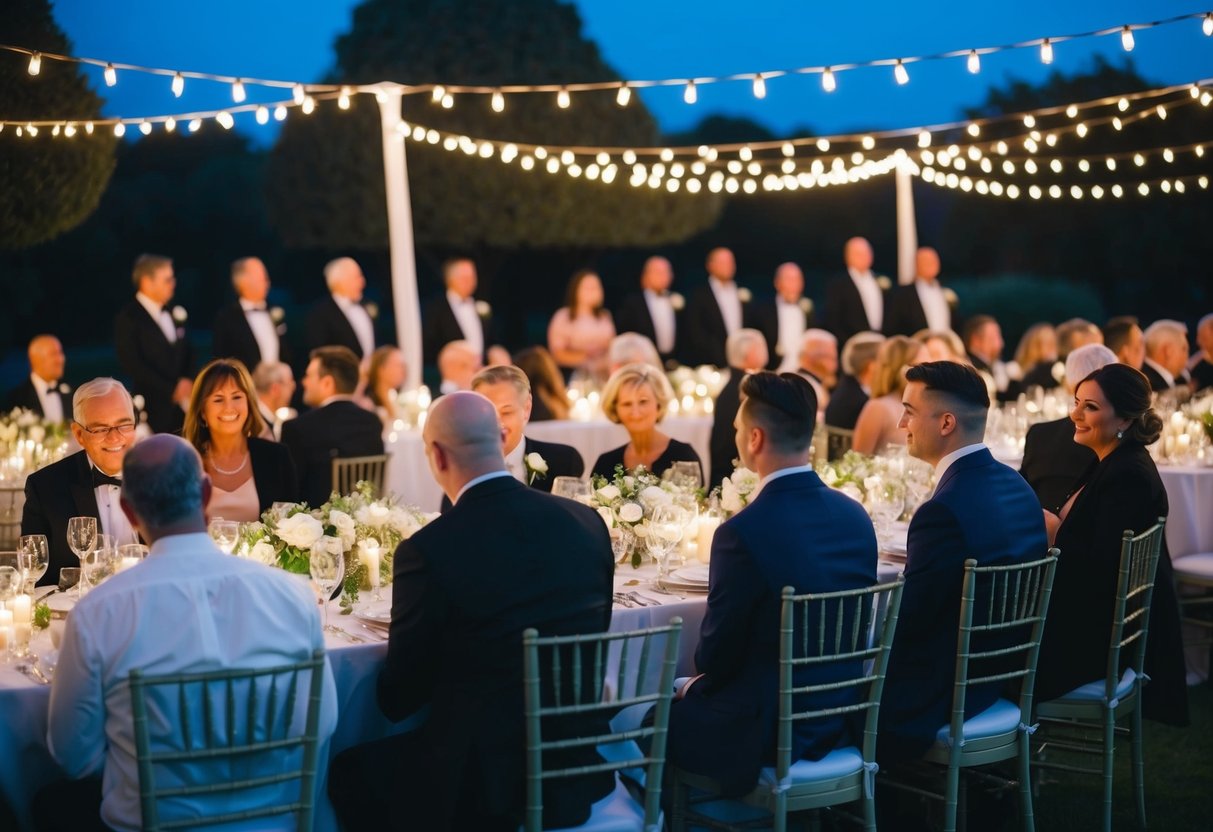
Evening weddings come with their own set of social and cultural meanings. Understanding these can help you see why many couples choose this timing for their special day. Key elements include the significance of the cocktail hour and the rising popularity of these ceremonies.
Cocktail Hour Significance
The cocktail hour is often a key part of an evening wedding. This time allows guests to mingle, relax, and enjoy light refreshments. It serves as a transition from the ceremony to the reception.
During this hour, you can offer a variety of drinks and appetizers. This can help set a festive mood. Guests appreciate this extra time to socialize, which can deepen connections among family and friends.
Additionally, the cocktail hour can enhance the overall experience. It gives you a chance to capture beautiful photos with your partner while guests enjoy the atmosphere. Think of fun themes or signature drinks to really make it memorable.
Popularity of Evening Weddings
Evening weddings are becoming increasingly popular for several reasons.
First, many couples enjoy the elegance that nightfall brings. The glow of candlelight and fairy lights creates a romantic atmosphere.
Another aspect is that guests often have more flexibility to attend after work. This can lead to larger guest lists, as people are more likely to join evening events. You might find that friends and family can celebrate without the constraints of a daytime schedule.
Moreover, evening weddings allow for unique entertainment options. You can think about having a live band or DJ to keep the dance floor alive. This aspect can make your wedding feel like a fun night out for your loved ones.