
Why Do Brides Wear Virgin White? Exploring the Tradition and Its Significance
As you plan your wedding, you might wonder about the tradition of wearing a white wedding dress. Many brides have embraced this custom, but you may not know where it all began. The choice of a white wedding dress symbolizes purity and innocence, a tradition that started with Queen Victoria’s marriage in the 19th century.
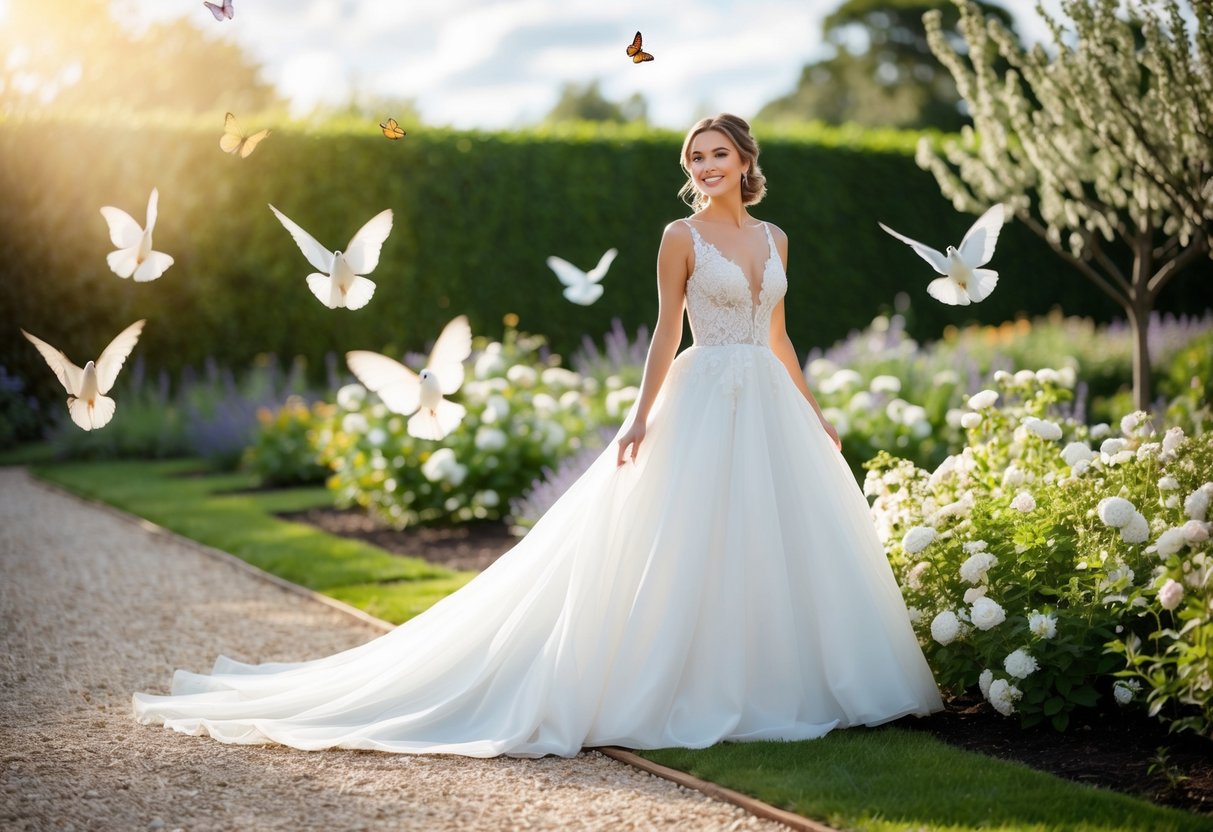
Before this, brides typically wore their best dress, regardless of its color. The shift to white became a popular standard, representing not just the bride’s virtues but also a sense of celebration.
Today, the white wedding dress remains a classic choice, even as many couples opt for different colors to express their individuality.
Understanding this history can enrich your own wedding experience. It’s fascinating to look at how traditions evolve and how you might choose to honor or redefine them on your special day.
Historical Origins of the White Wedding Dress
The white wedding dress has a rich history, shaped by royal influences and earlier traditions. Understanding its origins can help you appreciate the choices brides make today.
Influence of Queen Victoria
Queen Victoria played a pivotal role in the popularization of the white wedding dress. When she married Prince Albert in 1840, she wore a simple white gown made of silk satin. This decision was surprising, as most brides of her time chose colorful or ornate dresses.
Victoria’s choice made white the symbol of purity and innocence. Soon after her wedding, many brides wanted to emulate her style. The demand for white bridal wear skyrocketed, creating a lasting trend. Wealthy families also turned to white because they could afford the upkeep required to keep these dresses clean.
Early Traditions Preceding White Gowns
Before the widespread use of white, brides wore dresses in various colors, including red and black. For example, Mary, Queen of Scots wore a white gown for her wedding in 1559, but most brides opted for darker shades, reflecting the customs of their time.
These earlier traditions emphasized the practicality of wearing dresses that could be worn again for different occasions. Color choices varied by culture and personal preference. Over time, lighter hues like ivory and cream shifted bridal fashion towards the lighter palettes we see today, culminating in the dominance of the white wedding dress.
Cultural Symbolism and Meanings
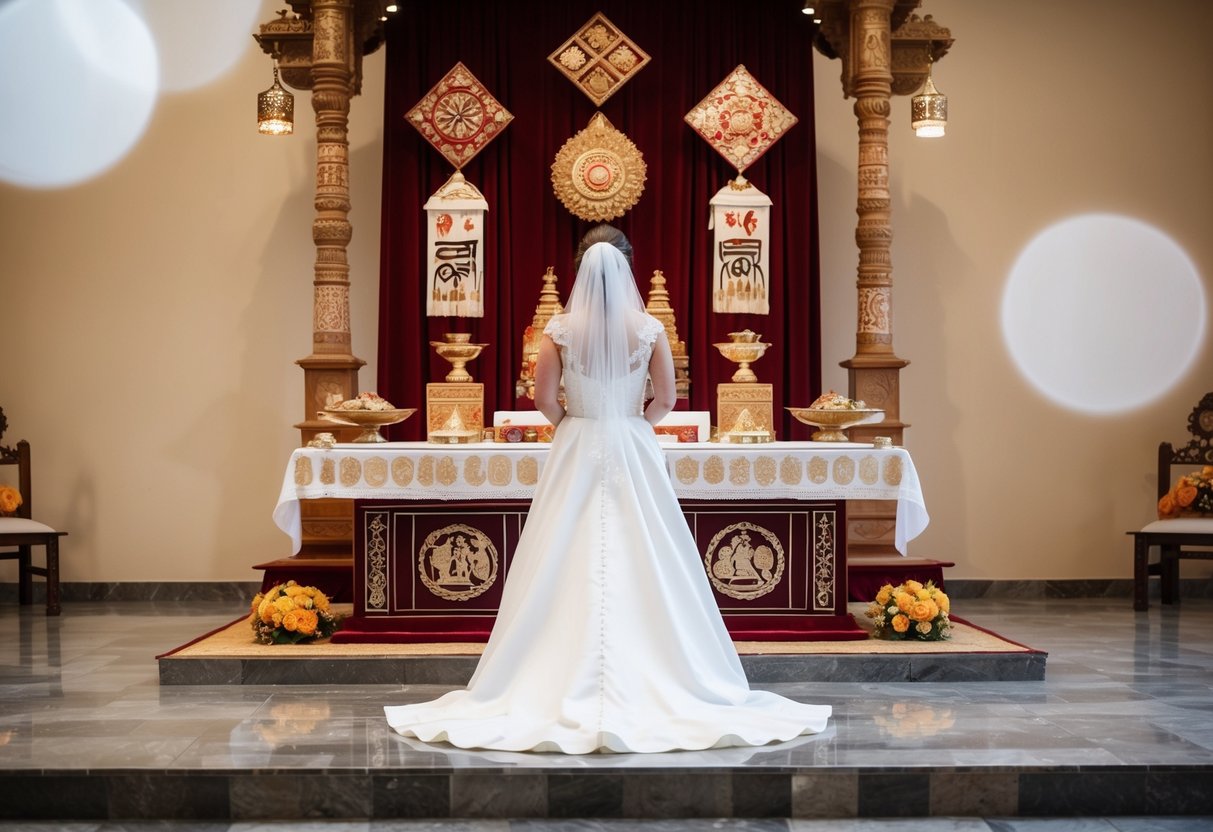
The choice of a white wedding dress often reflects deep cultural meanings. Two significant aspects are the ideas of purity and innocence, as well as the variety of wedding attire seen in different cultures around the world.
Purity and Innocence
Wearing a white wedding dress is commonly associated with the concepts of purity and innocence. This tradition gained popularity after Queen Victoria wore white for her wedding in 1840.
The color white symbolizes a fresh start and new beginnings in a couple’s journey together. Many brides choose white as a way to honor this significance in their lives.
While white is a dominant choice in Western cultures, the meaning remains central to the identity of the bride. The ideal of purity plays an important role in many societies, influencing how wedding attire is chosen.
Worldwide Wedding Attire Variations
Bridal attire varies widely across cultures. While white is prevalent in Western weddings, other cultures embrace different colors. For example, in many Asian countries, brides often wear red wedding dresses.
Red symbolizes luck, joy, and celebration, standing in stark contrast to the Western notion of purity.
In African cultures, brides might wear vibrant colors and intricate patterns, highlighting their cultural heritage. Each choice reflects personal and cultural stories, showing that love and commitment are celebrated in unique ways worldwide.
Understanding these variations enriches your view of wedding traditions and the diverse meanings behind bridal attire.
Modern Interpretations and Choices
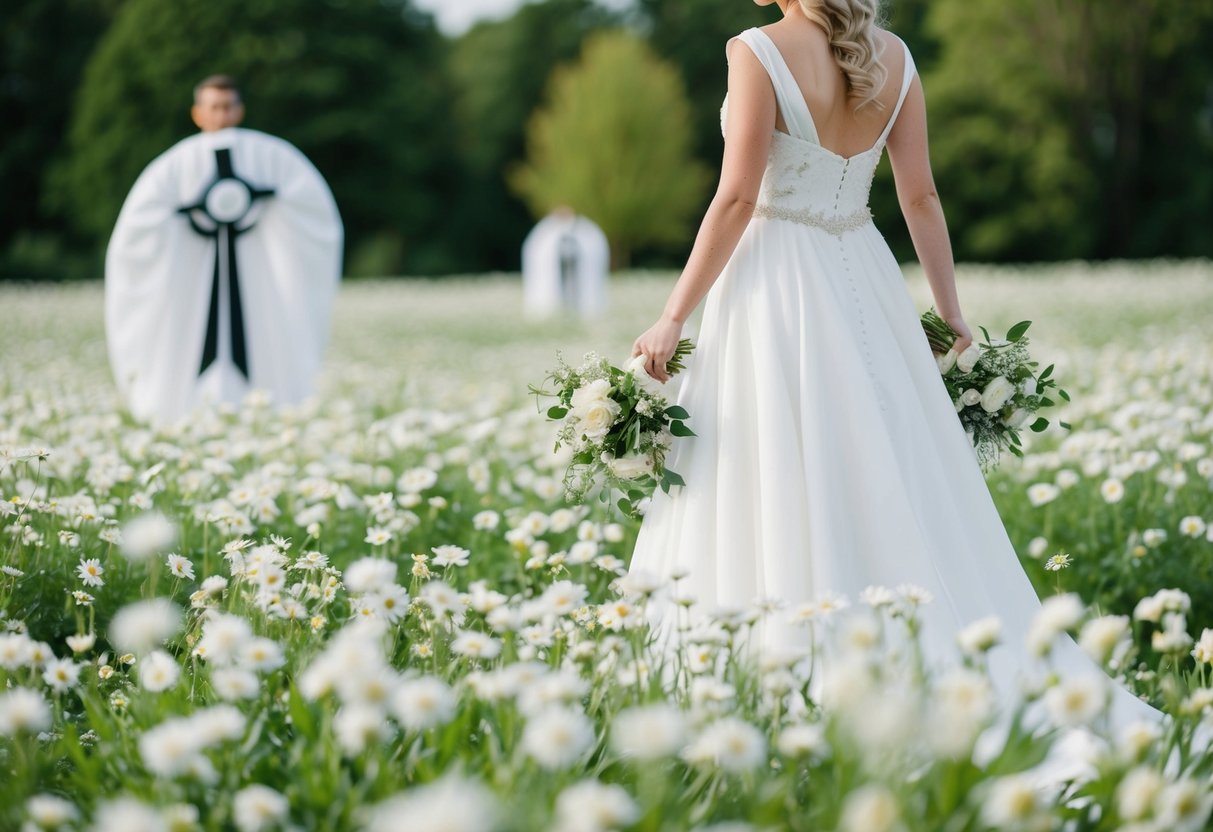
Today’s brides have diverse views on wearing white. The reasons for choosing a white wedding gown can be deeply personal and flexible, often reflecting modern values and styles. Here are some key aspects that influence current choices.
Personal and Contemporary Significance
When you choose a wedding gown, it often represents your personal story and journey. Many brides select white as a symbol of purity, but the meaning has evolved.
For you, wearing white might not strictly mean adhering to tradition. It could signify a fresh start or a new chapter in life.
Brides of different backgrounds may also interpret the color differently. Some see it reflecting love or commitment rather than purity.
Your choice of a white gown may connect with family traditions or even personal aesthetics. It allows you to honor the past while embracing your unique identity on this special day.
Fashion and Aesthetic Appeal
The white wedding gown offers timeless elegance, which many brides find appealing. When you opt for white, you tap into the influence of Queen Victoria, who famously popularized this style in the 1800s.
Today, designers create stunning gowns in various styles while keeping white in focus. Whether you choose a classic ball gown or a sleek, modern design, a white dress can elevate your look.
You might also see white as a blank canvas, allowing you to personalize your gown with accessories. From vibrant flowers to intricate veils, each addition lets your personality shine through.
Wearing white today is just as much about showcasing your style as it is about honoring tradition in a modern way.
Wedding Dress Selection Advice
Selecting the perfect wedding dress is a blend of tradition and personal expression. Your gown should honor time-honored customs while also reflecting your unique style.
Tips for Incorporating Tradition
To honor wedding traditions, consider incorporating the “something borrowed” concept. This idea suggests you should wear something that belongs to a happily married friend or family member. It can create a meaningful connection during your special day.
You might also explore classic elements like a veil or traditional white lace. These details can deepen your dress’s connection to history. Choosing a dress with heritage design can offer a beautiful nod to your family’s past.
Think about colors too. While white is common, off-white or cream can be just as lovely and still hold traditional significance. It allows you to blend tradition with a bit of modern flair.
Choosing a Gown that Reflects Personal Style
Your wedding dress should showcase who you are. Look for styles that resonate with your personality. Whether it’s a modern sheath dress or a classic ball gown, the choices are endless.
Pay attention to details that speak to you—fabric type, embellishments, and silhouette. Maybe you’re drawn to intricate lace or prefer simple lines. These choices will make your dress feel more personal.
Don’t forget comfort! You want to enjoy the day as you tie the knot. Choose a gown that allows you to move freely. This is your moment, so let your bridal attire shine in a way that feels right for you.