
Why Do Italian Brides Wear Green? Exploring the Symbolism and Tradition Behind the Color
As you dive into the world of Italian wedding customs, you might find yourself asking, “Why do Italian brides wear green?” This vibrant color is believed to bring good luck and fortune to the happy couple, especially when worn during the rehearsal dinner.
Wearing green the night before the wedding adds a unique flair to the festivities while symbolizing hope for a joyful future together.
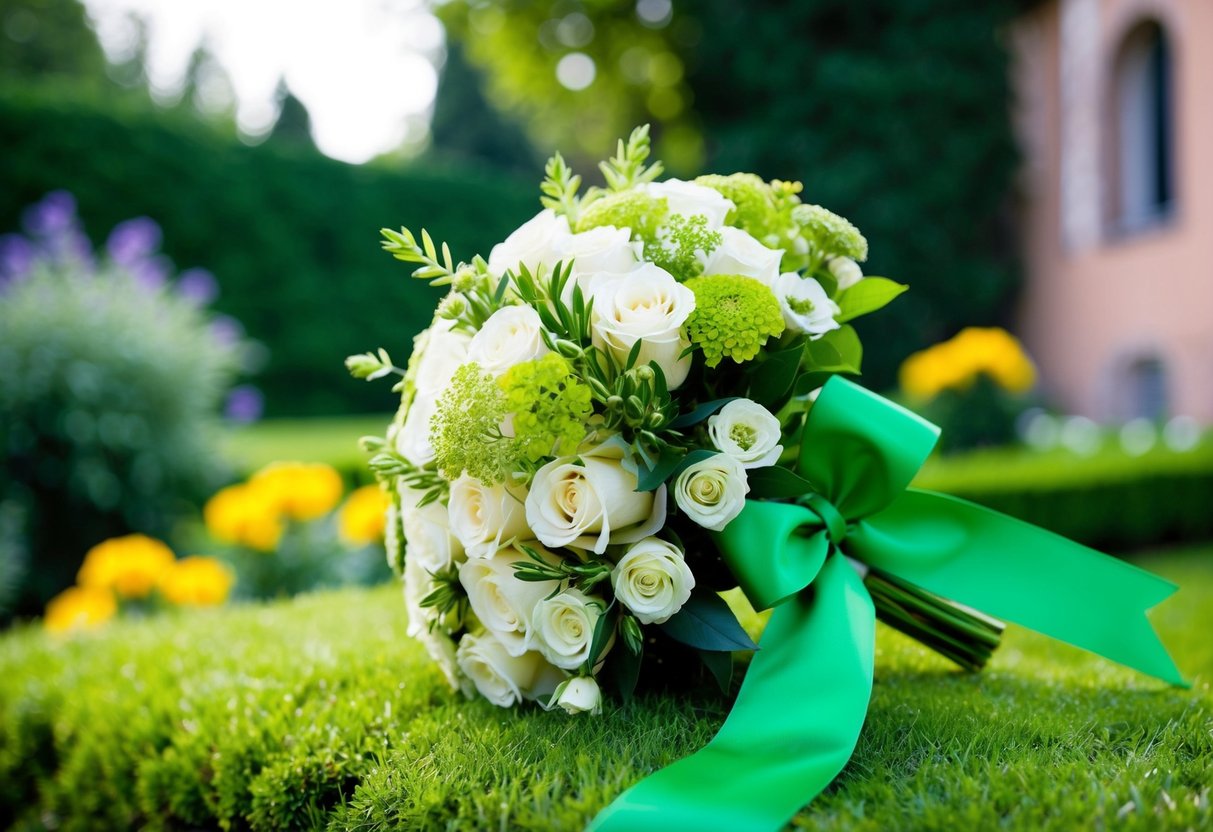
Many Italian brides embrace this tradition, creating a memorable and meaningful moment before saying “I do.” The custom stems from old superstitions that associate the color green with prosperity and happiness.
You’ll discover how these traditions continue to shape modern Italian weddings, making them special for couples and their families.
Join me as we explore the enchanting reasons behind this beautiful tradition and learn more about other fascinating Italian wedding customs that celebrate love and new beginnings.
Historical Roots of Italian Bridal Traditions
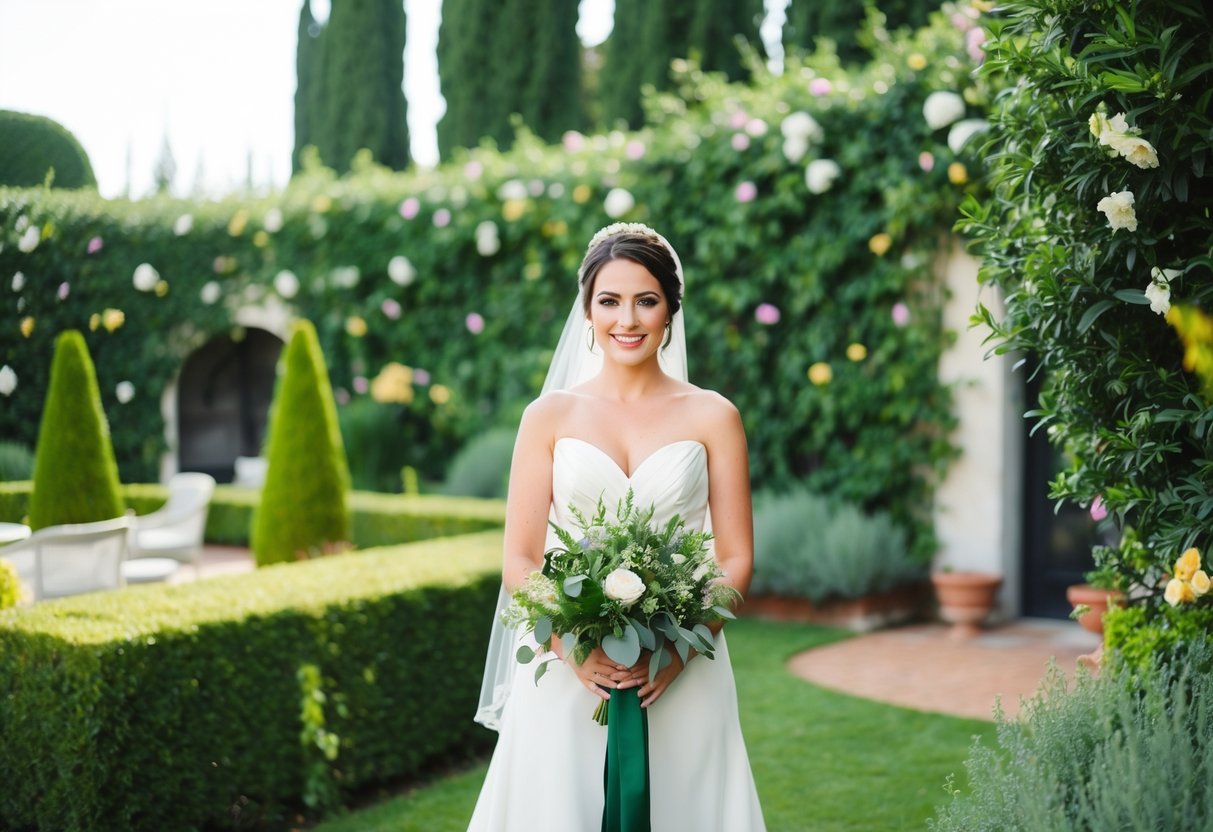
Italian wedding traditions are rich with history and symbolism. The customs surrounding bridal attire, particularly the choice of colors, reflect deep cultural values and superstitions. Understanding these historical roots can give you insight into why certain practices endure today.
The Symbolism of Green in Italian Weddings
In Italy, the color green holds special significance for brides. Traditionally, it symbolizes fertility and good fortune.
On the night before the wedding, many brides wear green garments. This practice stems from old beliefs that green would bring happiness and prosperity to the couple.
Brides often incorporate green into their attire, sometimes through accessories or floral arrangements. Historically, the green dress also signifies new beginnings, making it a perfect choice for a couple starting their life together. These practices highlight how colors can convey powerful meanings in your wedding.
Influence of Italian Culture and Superstitions
Italian culture is steeped in superstitions that influence wedding traditions. Many customs arise from the desire to ward off bad luck.
For instance, the tradition of wearing something old, something new, something borrowed, and something blue stems from the hope of ensuring a harmonious future.
Customs vary across regions, affecting how you might celebrate. In some areas, couples avoid seeing each other before the ceremony to promote good fortune. This mix of practices demonstrates the strong ties between Italian culture and wedding traditions, making each celebration unique and meaningful. Understanding these influences can enrich your own wedding experience.
Significance of Wearing Green
Wearing green holds special meaning for Italian brides. It symbolizes luck and fertility, connecting deeply to wedding day traditions and superstitions. This vibrant color is linked to positive energy, making it a popular choice among brides.
Green for Luck and Fertility
In Italian culture, green is often seen as a color that brings good luck. Brides usually wear green during their rehearsal dinner, a time filled with joy and anticipation. This tradition stems from the belief that the color wards off evil spirits and bad luck.
Green also symbolizes fertility. By wearing this color, brides hope to bless their marriages with the chance of starting a family. Some brides even choose to wear a green accessory, such as a sash or broach, if they prefer not to wear green as their main outfit.
Wedding Day Superstitions
Many wedding traditions in Italy involve specific superstitions. It is said that if a bride wears green on her wedding day, she will enjoy good fortune throughout her marriage. Skipping this tradition could invite bad luck and negative spirits.
Moreover, Italian brides often adhere to the saying that they should wear something old, something new, something borrowed, and something blue. Including green in their attire adds an extra layer of luck, fitting seamlessly into this cultural practice. Embracing this color supports a hopeful start to their new life together.
Celebrating Italian Wedding Traditions Today
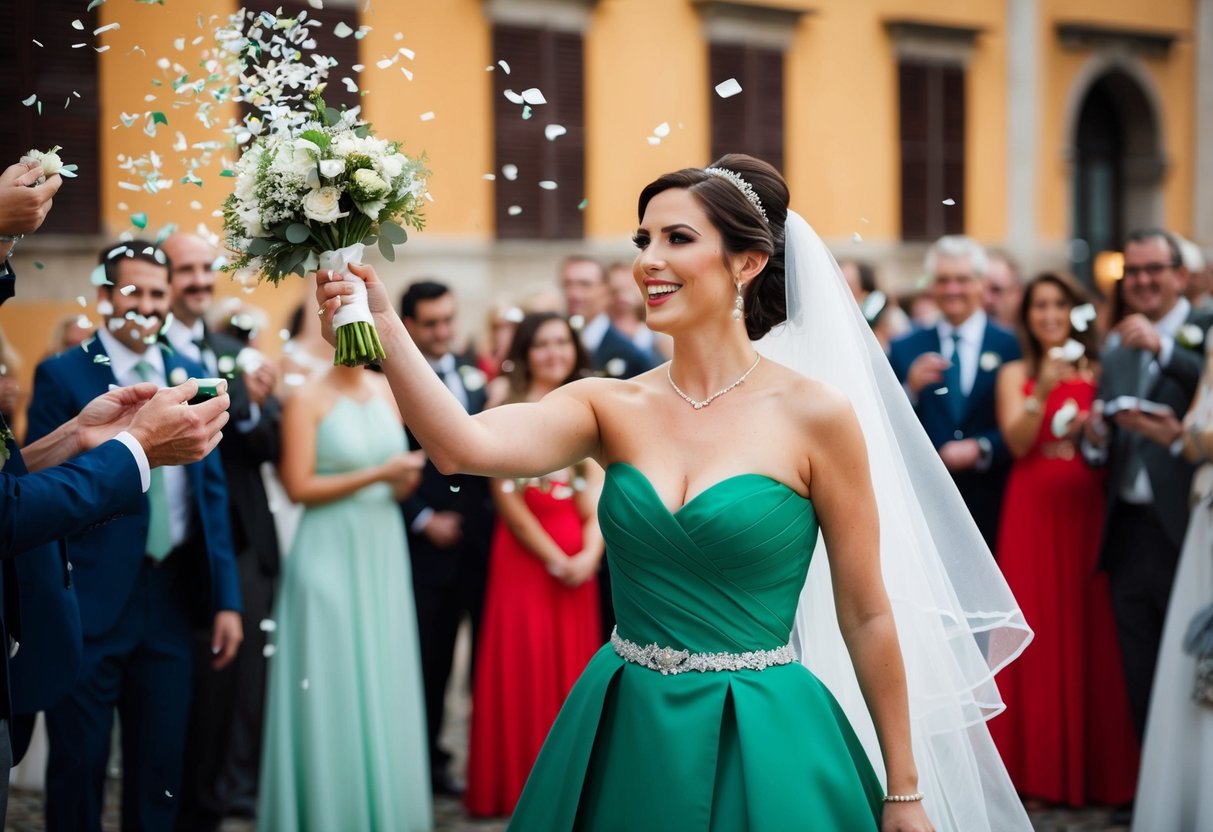
Italian weddings are rich in customs that create unforgettable experiences. From pre-wedding rituals to lively reception celebrations, each moment reflects deep cultural significance and joy.
Pre-Wedding Customs
Before the wedding day, many Italian couples celebrate with customs that bring family and friends together. One special event is la serenata, where the groom serenades the bride. This is often done the night before the wedding to show his love and commitment.
The rehearsal dinner is another important gathering. Here, close family and friends share a meal, toasting to the couple’s future. During this time, couples might also exchange small gifts or bomboniere, which are sweet treats or keepsakes given to guests as symbols of gratitude. These pre-wedding rituals set the tone for the big day and strengthen family bonds.
Ceremonial and Reception Traditions
On your wedding day, the Italian wedding ceremony is usually held in a church, emphasizing tradition. The bride often wears white, but many still incorporate the color green as a good luck symbol.
After the ceremony, the wedding reception is filled with celebration. Expect a feast with multiple courses, including a stunning wedding cake that can be a showstopper. Your first dance as a couple may include the lively la tarantella, encouraging guests to join in the fun.
Italian weddings are known for their joyous atmosphere, with music, laughter, and delicious food. Each tradition you celebrate keeps the spirit of Italian heritage alive, making your day even more special.
Italian Wedding Planning Essentials
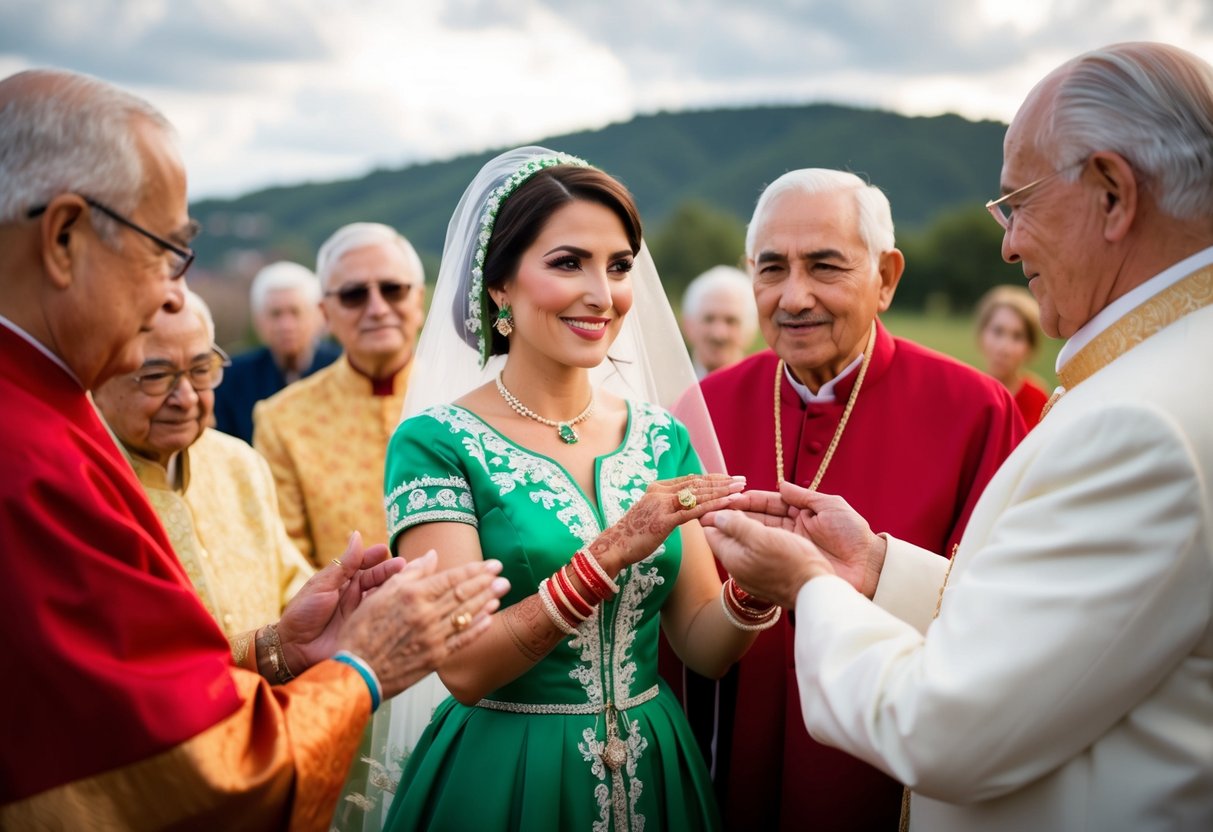
Planning an Italian wedding involves a mix of tradition and personal touches. Here are key points to consider, focusing on the right date, venue selection, and incorporating cherished customs.
Choosing the Right Date and Venue
Selecting the perfect date is essential in your wedding planning. Traditionally, Saturdays are popular, but many couples choose weekdays for unique experiences. Consider local holidays and seasons, as they can affect availability and costs.
The venue should reflect both your style and Italian traditions. Many opt for outdoor locations, such as vineyards or historic villas. When choosing a venue, think about the size and layout to accommodate your guests comfortably.
Destination weddings are increasingly popular in Italy. If you decide to go this route, ensure you visit potential venues beforehand. This helps you visualize the space and talk to on-site wedding planners about logistics.
Incorporating Traditional Elements
Infusing tradition into your wedding adds meaning and charm. Start with the bridal dress code. Many Italian brides wear a white gown with elements of blue for luck. You might also want to include a bridal veil and garter for a classic touch.
Consider using traditional Italian wedding favors, like sugared almonds or confetti. These symbolize wealth and prosperity.
Incorporate the well-loved custom of rice throwing after the ceremony. This practice wishes luck and happiness upon the newlyweds.
Don’t forget about your bridal bouquet. Flowers are significant in Italian culture, often chosen for their meaning. Lastly, a thoughtful Italian wedding menu featuring local cuisine adds a delicious touch to your celebration.