
Why Do Some People Not Dance at Weddings? Exploring the Reasons Behind Their Choices
Weddings are often filled with joy, laughter, and sometimes dancing. Yet, not everyone feels comfortable hitting the dance floor.
Many people choose not to dance at weddings due to personal preferences, shyness, or a lack of interest in dancing itself. This can lead to a variety of experiences at a celebration that typically focuses on shared movement and merriment.
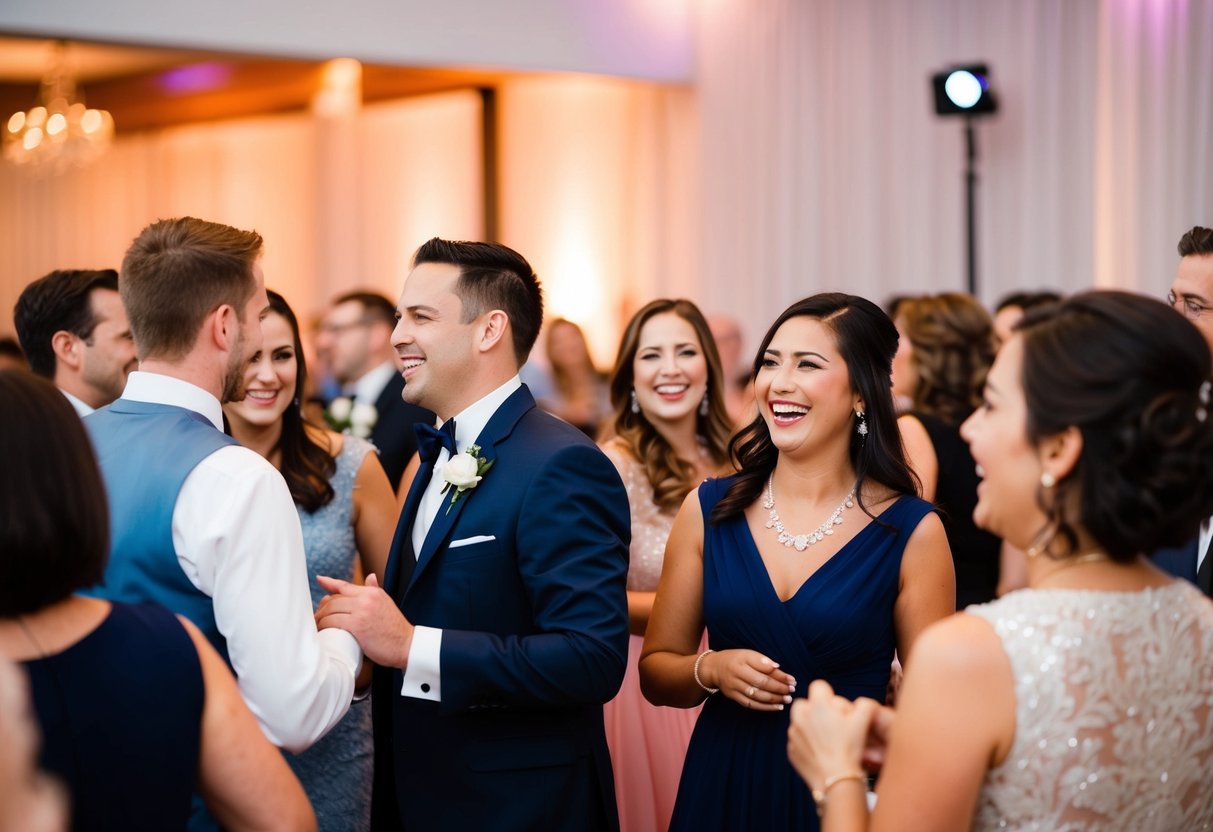
You might be surprised to learn that for some, a wedding can feel overwhelming. The pressure to participate in dancing can be daunting, causing anxiety or discomfort. Whether it’s because they would prefer to socialize in quieter ways or due to previous experiences, these feelings are more common than you might think.
As you read on, you’ll discover the different reasons why people might opt out of dancing at weddings. From personal experiences to comfort levels, there are many factors at play that shape how individuals choose to celebrate this special occasion.
Understanding Wedding Dance Traditions
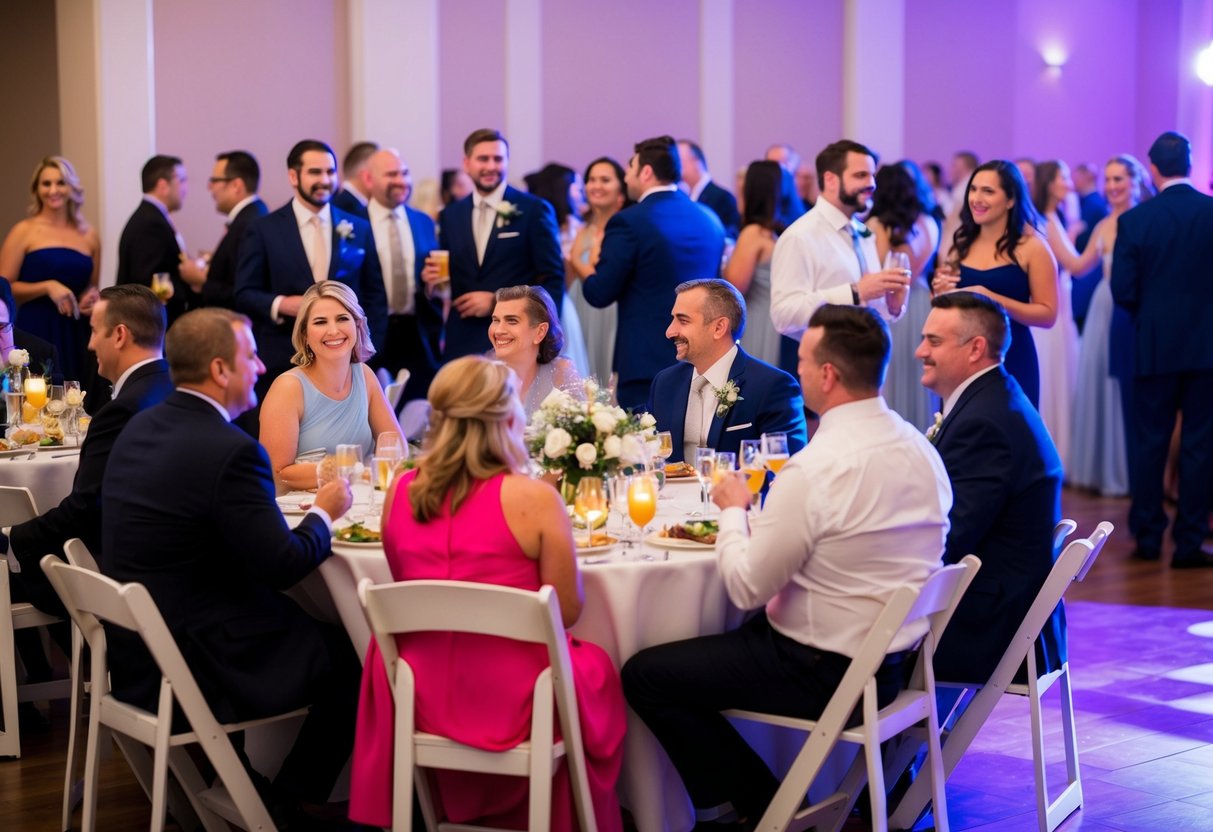
Wedding dances are an important part of many wedding receptions. They vary greatly depending on cultural, historical, and personal preferences. You might be curious about how these traditions developed and how they are viewed today.
Historical Perspective of Wedding Dances
Wedding dances have deep roots in history. Many cultures have used dance to celebrate marriage. In ancient times, couples danced to mark their union, with guests joining in to show support.
In various cultures, specific dances hold meaning. For example, the first dance symbolizes the couple’s first moments together as married partners. Traditionally, it includes group dances with family and friends, fostering community and connection.
Key Traditional Dances:
- First Dance: The couple’s special moment.
- Parents’ Dance: Honoring family bonds.
- Money Dance: Guests dance with the couple for a small fee, often for good luck.
These practices have evolved, but the essence remains the same: to celebrate love.
Modern Views on Wedding Receptions
Today, wedding receptions can look quite different. Many couples choose to skip traditional dances altogether. Reasons vary from discomfort on the dance floor to wanting a unique experience.
Some prefer different forms of entertainment. For example, you might find live bands, photo booths, or even games as fun alternatives. This shift reflects changing societal norms about weddings and personal expression.
Popular Alternatives to Dancing:
- Interactive Games: Engaging guests in fun activities.
- Live Performances: Hiring entertainers like musicians or dancers.
- Themed Celebrations: Focusing on something meaningful to the couple.
Understanding these changes can help you decide what fits best for your celebration.
Reasons for Opting Out of Dancing
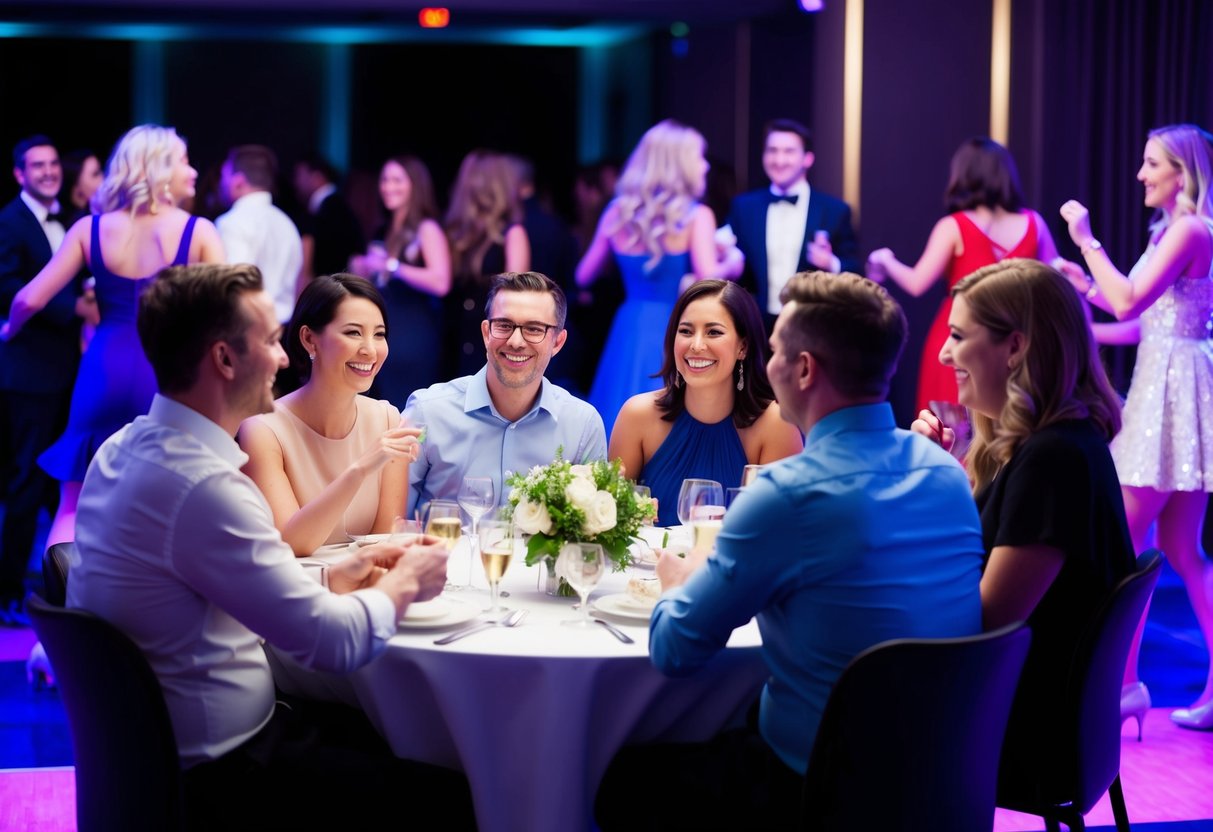
Many factors can influence someone’s choice not to dance at a wedding. These reasons can range from personal feelings about dancing to cultural beliefs and physical limitations. Here are some common reasons that might apply.
Personal Discomfort with Dancing
You might feel uncomfortable dancing due to a lack of confidence in your skills. Many people have reported feeling awkward on the dance floor, leading to reluctance to participate. This discomfort can stem from past experiences or simply a fear of being judged by others.
Sometimes, people worry about their body image. If you feel self-conscious, the idea of dancing in front of others can be overwhelming. You may prefer to stay seated and enjoy the festivities in a more relaxed way.
Another reason could be social anxiety. If being in a large group makes you nervous, the dance floor might not be your ideal place. In these cases, you might choose to join conversations instead, avoiding the spotlight.
Cultural and Religious Considerations
Cultural and religious beliefs also play a significant role in the decision not to dance. In some cultures, dancing may not be accepted or is reserved for specific occasions. If your community holds such views, you might feel it’s inappropriate to engage in dancing at a wedding.
Religious beliefs can also discourage dancing. Some faiths view dancing as inappropriate or distracting from the sacredness of the occasion. If you belong to such a faith, you may choose to abstain from dancing out of respect for your beliefs.
Attending a wedding that does not align with your cultural or religious values can further strengthen your choice to avoid dancing. You may instead find joy in other shared traditions.
Physical Restrictions
Physical limitations can prevent you from dancing. Conditions like arthritis or mobility issues can make it challenging to participate in dancing without discomfort. If you have such limitations, you may opt out to avoid pain or injury.
Additionally, some people might be recovering from surgery or dealing with temporary injuries. In these cases, standing or moving quickly can be difficult. You might prefer to enjoy the celebration from the sidelines.
For others, the environment may not be suited for dancing. A crowded venue or a location with limited space can also influence your decision. If you feel unsafe or cramped, skipping dancing can be the best choice for your comfort.
Alternative Wedding Reception Activities
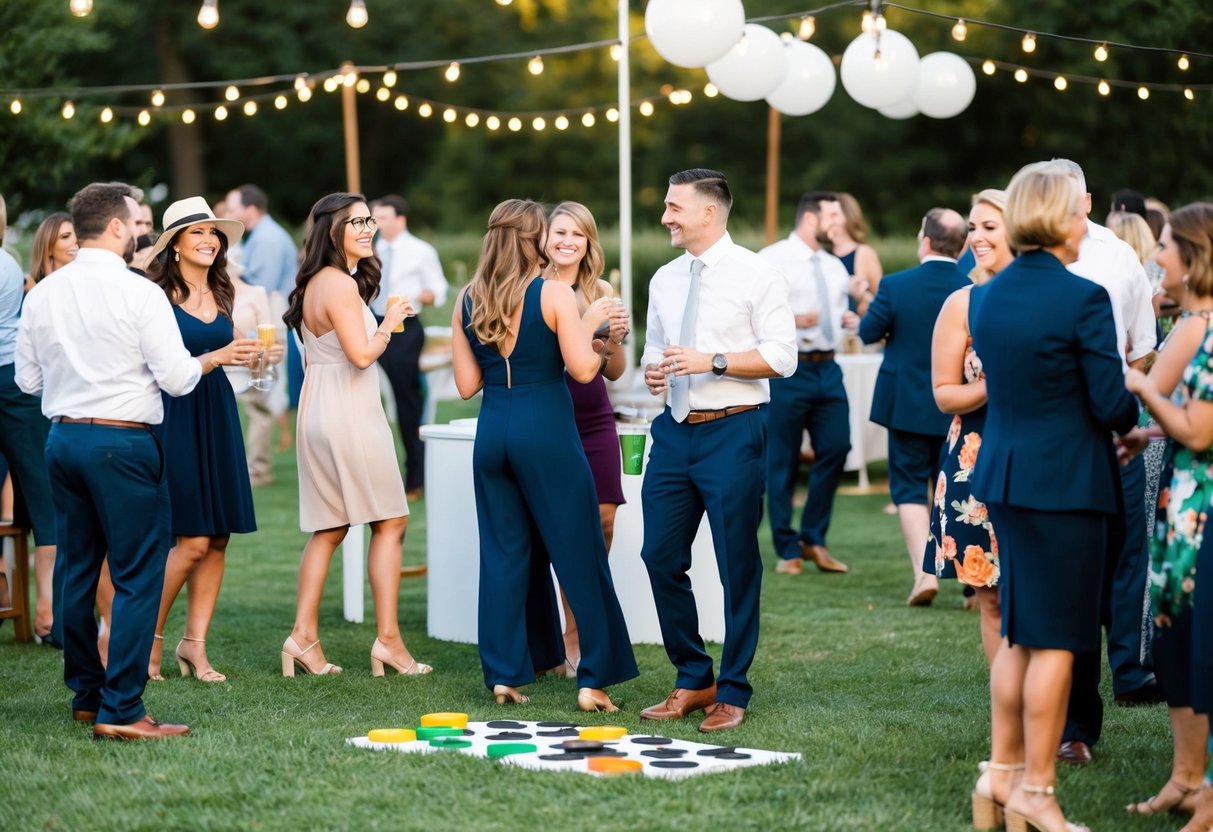
If dancing isn’t your thing, there are plenty of exciting ways to keep your guests entertained. Creative activities can make your wedding memorable and enjoyable without a dance floor.
Interactive Games and Entertainment
Interactive games are a fantastic way to engage your guests. You can set up a trivia game centered around you as a couple. This lets guests test their knowledge and learn fun facts about your relationship.
Consider incorporating the shoe game. In this game, you and your partner answer questions by holding up your shoes. It often brings laughs and helps guests feel connected.
For a unique twist, hiring a magician can amaze guests with tricks and illusions. You can also include karaoke for those who love to sing. This brings a lively spirit to your celebration and encourages everyone to participate.
Food and Drink Experiences
Creating delightful food and drink experiences can be a highlight of your reception. Consider setting up a wine tasting station. You can feature local wines and guide guests through the tasting process. This adds a sophisticated touch.
Another fun option is a DIY food bar, such as a taco or dessert station. Guests can customize their plates, enjoying the social aspect of dining together.
You might also want to set up a signature drink station inspired by your favorite flavors. This gives guests a unique experience as they mix and mingle with drinks in hand.
Creating a Lounge Atmosphere
Transforming your venue into a cozy lounge area makes guests feel relaxed. Arrange comfortable seating like couches and cushions where people can chat and mingle.
Add some soft lighting for ambiance. Strings of fairy lights or candles create a warm feel, encouraging conversation.
For outdoor receptions, incorporate lawn games like cornhole or giant Jenga. These games are fun and provide a playful atmosphere.
If you want to impress, hire an acrobat for entertainment. They can perform and amaze guests, adding a vibrant flair without needing a dance floor.
Unique Wedding Activities to Engage Everyone
Offering a variety of activities helps keep guests entertained. You could set up interactive stations, like a photo booth or craft area. This way, everyone has a chance to join in the fun.
Fun Activity Ideas
- Photo booths: Provide props for silly photos.
- Games: Board games or lawn games can be a hit at a brunch wedding.
- Cooking demos: Engage guests with food experiences.
Including these unique activities gives your guests exciting alternatives to dancing. The focus shifts to fun and connection, making your wedding memorable for all.