
Why Is the Bride Always on the Right Side? Exploring Wedding Traditions and Symbolism
Have you ever wondered why the bride stands on the right side during a wedding ceremony? This tradition stems from ancient customs where the groom needed to defend his bride from potential threats. So, standing on the right side allowed him to keep his sword hand free. This intriguing practice connects to chivalry and reflects the way couples celebrated their love amid various societal norms.
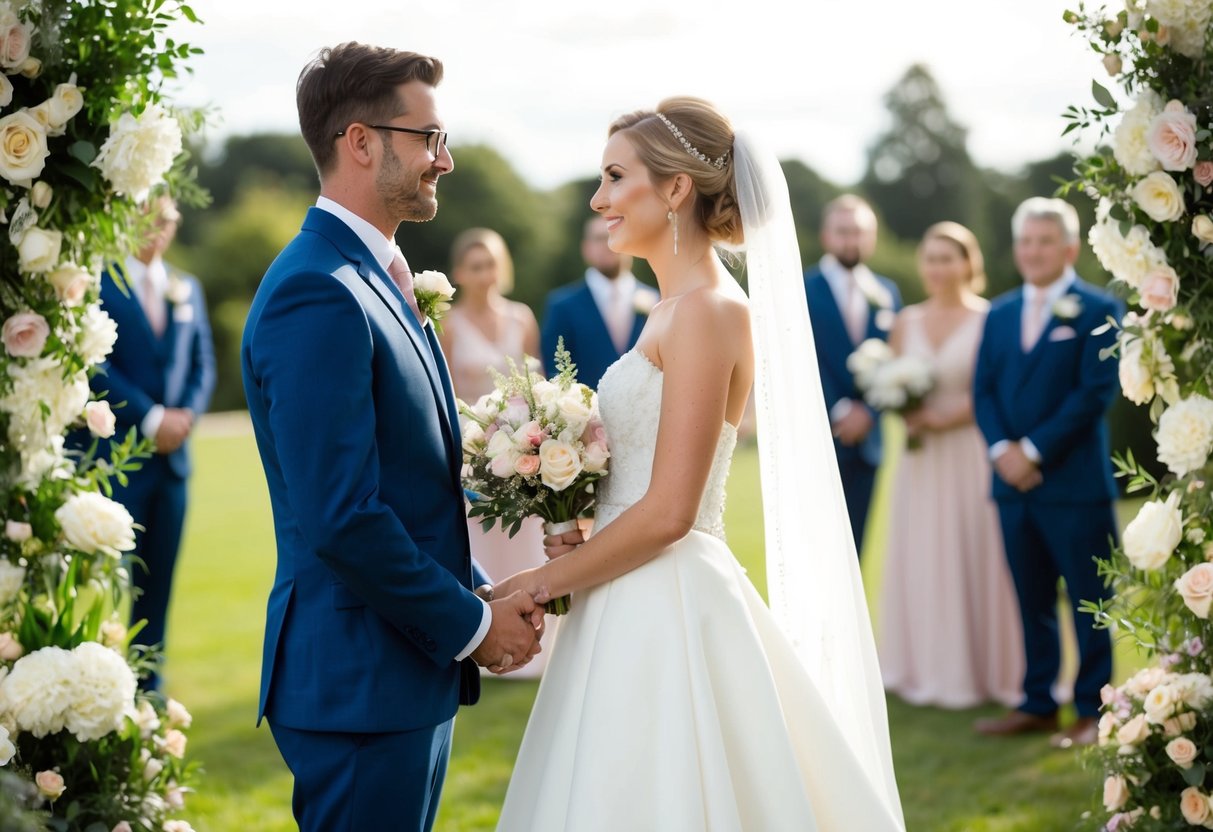
As you plan your own wedding or attend one, understanding these traditions adds depth to the experience. While modern couples may not always follow this custom, knowing its origins can give you a unique perspective on the ceremony. The placement of the bride and groom at the altar is just one part of the many beautiful traditions that make weddings so special.
Historical Significance of the Bride’s Position

The positioning of the bride and groom at the altar has deep historical roots. Understanding these practices offers insight into traditions that still influence weddings today.
Marriage by Capture and Protective Measures
In the past, marriages were often about alliances and sometimes involved capturing the bride. During these times, it was crucial for the groom to be able to defend his partner.
With the bride standing on the left side, the groom could keep his right hand free. This allowed him to quickly draw his sword if needed. This practice emphasizes a time when protection was a primary concern during wedding ceremonies.
Sword-Fighting and the Best Man’s Role
Sword-fighting was a skill needed for defending the bride against possible threats. The groom’s position allowed him to rapidly react to danger.
The best man played a significant role as well. He supported the groom and was positioned on the groom’s right side. This positioning also reflects the era’s cultural values, where bravery and protection were vital for a successful marriage.
By understanding these historical contexts, you can appreciate the traditional placements during weddings today.
Cultural and Religious Influences
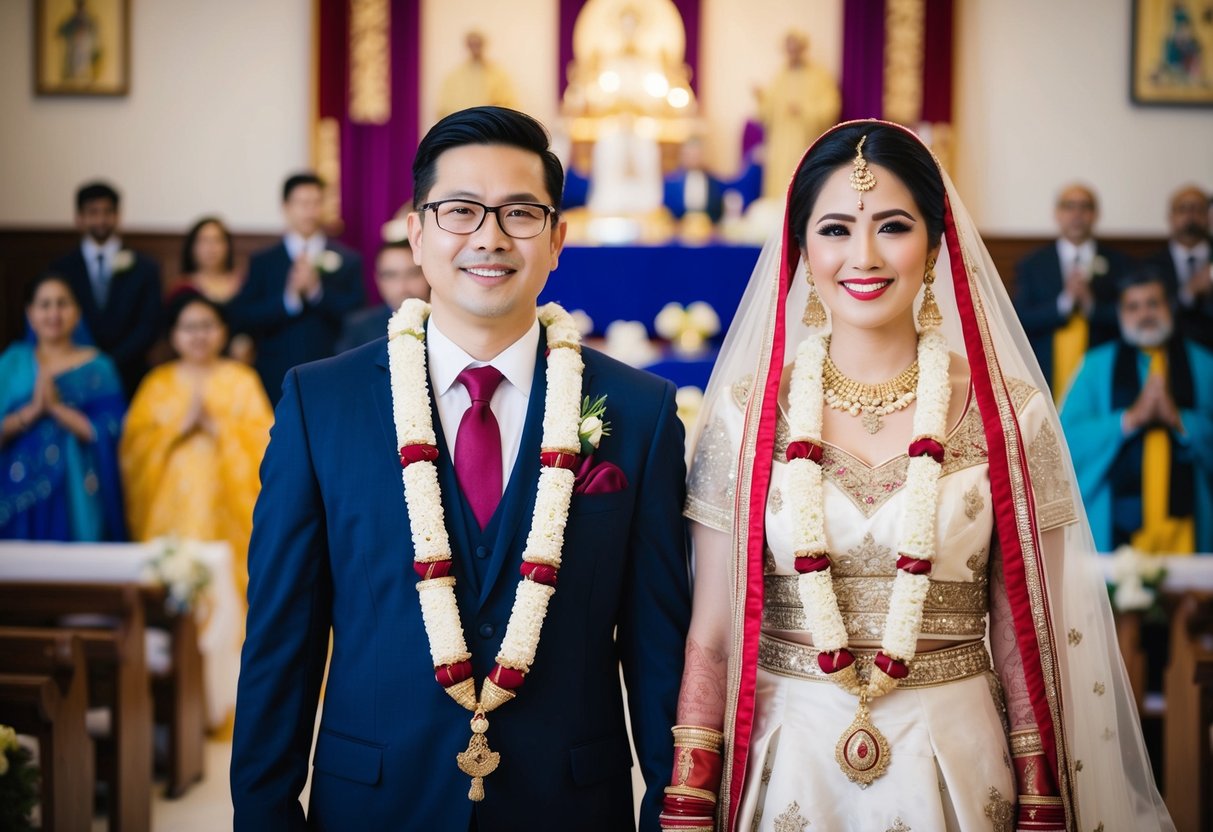
Different cultures and religions have shaped the way brides and grooms position themselves during wedding ceremonies. Understanding these customs can enhance your appreciation of the traditions involved.
Jewish Wedding Traditions
In Jewish weddings, the bride typically stands under the chuppah with the groom. This structure symbolizes their new home together. The groom is usually positioned to the right of the bride, which reflects his role as her protector. It’s a special moment where the officiant, known as the rabbi, plays a vital role in guiding the couple through the ceremony.
Key customs may include breaking a glass during the ceremony, symbolizing the fragility of relationships. This tradition enriches the wedding experience and highlights the importance of community support during the marriage.
Catholic Wedding Etiquette
In Catholic weddings, the groom traditionally stands on the right side. This position is linked to the idea of strength and protection. It emphasizes the groom’s duty to care for his bride. During the ceremony, the priest acts as the officiant, blessing the couple as they take their vows.
Ceremony highlights include the exchange of rings and the lighting of a unity candle. Each part reflects the commitment the couple is making to each other and their faith. This focus on spiritual unity adds depth to the wedding experience.
Hindu Wedding Practices
Hindu weddings have unique traditions surrounding the positioning of the bride and groom. In many ceremonies, the bride stands to the groom’s right side. This signifies her role as his protector and partner. The officiant, known as the pandit, plays a crucial role, guiding the couple through rituals like the saptapadi, where they take seven sacred steps together.
Significance of customs includes the tying of the mangalsutra, a necklace that symbolizes marital status. This act not only honors tradition but also deepens the emotional bond between the couple. Each element is rich with meaning, reflecting the couple’s journey together.
Modern Interpretations and Personal Choices
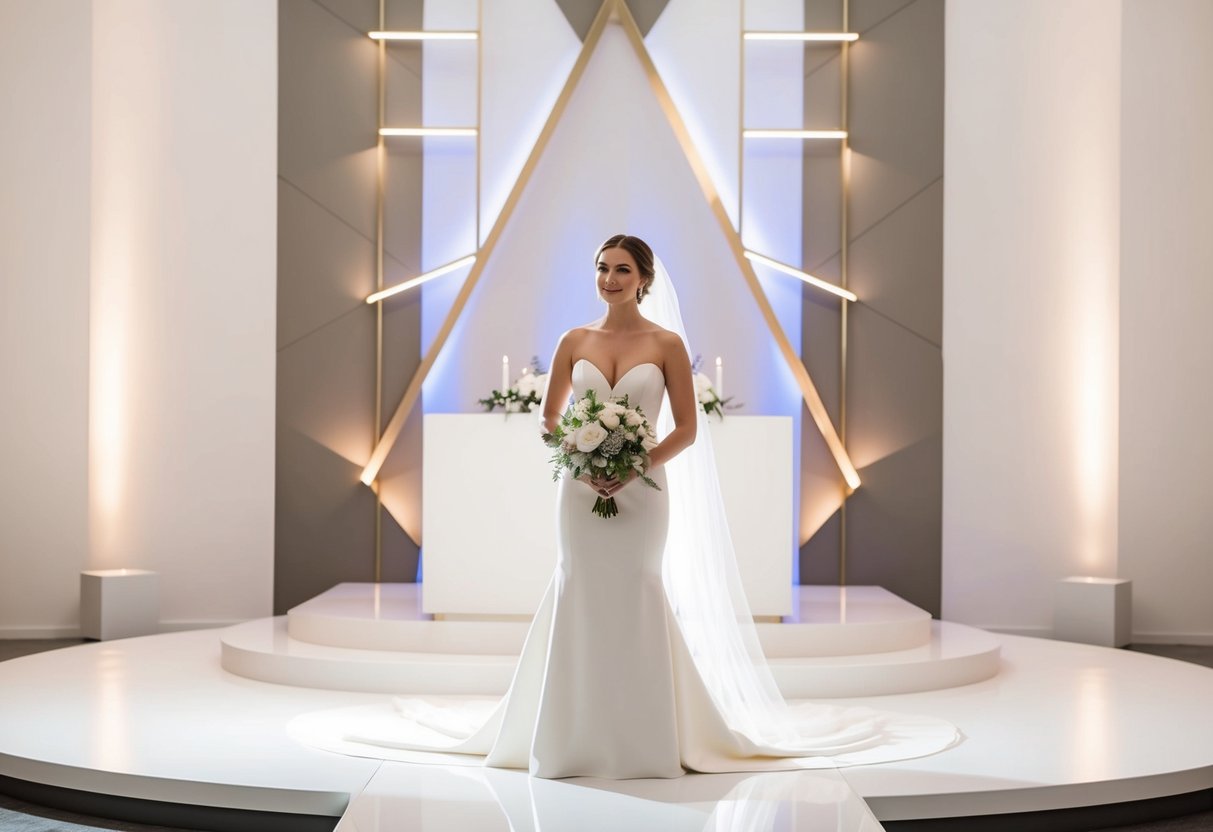
Traditions in wedding ceremonies are evolving. Many couples today personalize their experiences, breaking from established customs and adapting them to fit their unique needs. This section explores how modern couples interpret the traditional placement of the bride and groom.
Adaptations for Same-Sex Couples
With the rise of same-sex marriage, couples have redefined many wedding traditions. The usual altar placement may not apply in the same way. Both partners can choose where they stand based on personal significance.
For instance, you might decide to take turns standing on the left or right side. This flexibility allows you and your partner to express your relationship more meaningfully. Additionally, some couples opt for being side by side in the center during the ceremony, symbolizing equality and partnership.
Influence of Venue on Traditions
Your wedding venue can significantly affect how you approach tradition. For example, an outdoor wedding provides a relaxed atmosphere, allowing for less rigid arrangements.
In this setting, the traditional altar placement may feel out of place. You can choose a location that feels right for you, like under a tree or near a beautiful view. This changes how guests perceive seating arrangements and the overall flow of the ceremony.
Role of Personal Preference
Personal preferences play a big role in how you plan your wedding. Whether you choose a sweetheart table or a more formal head table, it all reflects your taste.
Some couples care deeply about tradition, while others prefer to be innovative. Your choice may include where to place wedding rings, how to walk down the aisle, or even who stands where. Discuss these options openly with your partner and consider what feels best for both of you.