
Are Parents Usually in the Wedding Party? Traditional Roles Explained
Parents are usually honored participants, while the official wedding party consists of attendants such as bridesmaids, groomsmen, the maid of honor, and the best man. Parents are traditionally separate from the wedding party, although you can give them an official role if it fits your ceremony, family, or cultural traditions.
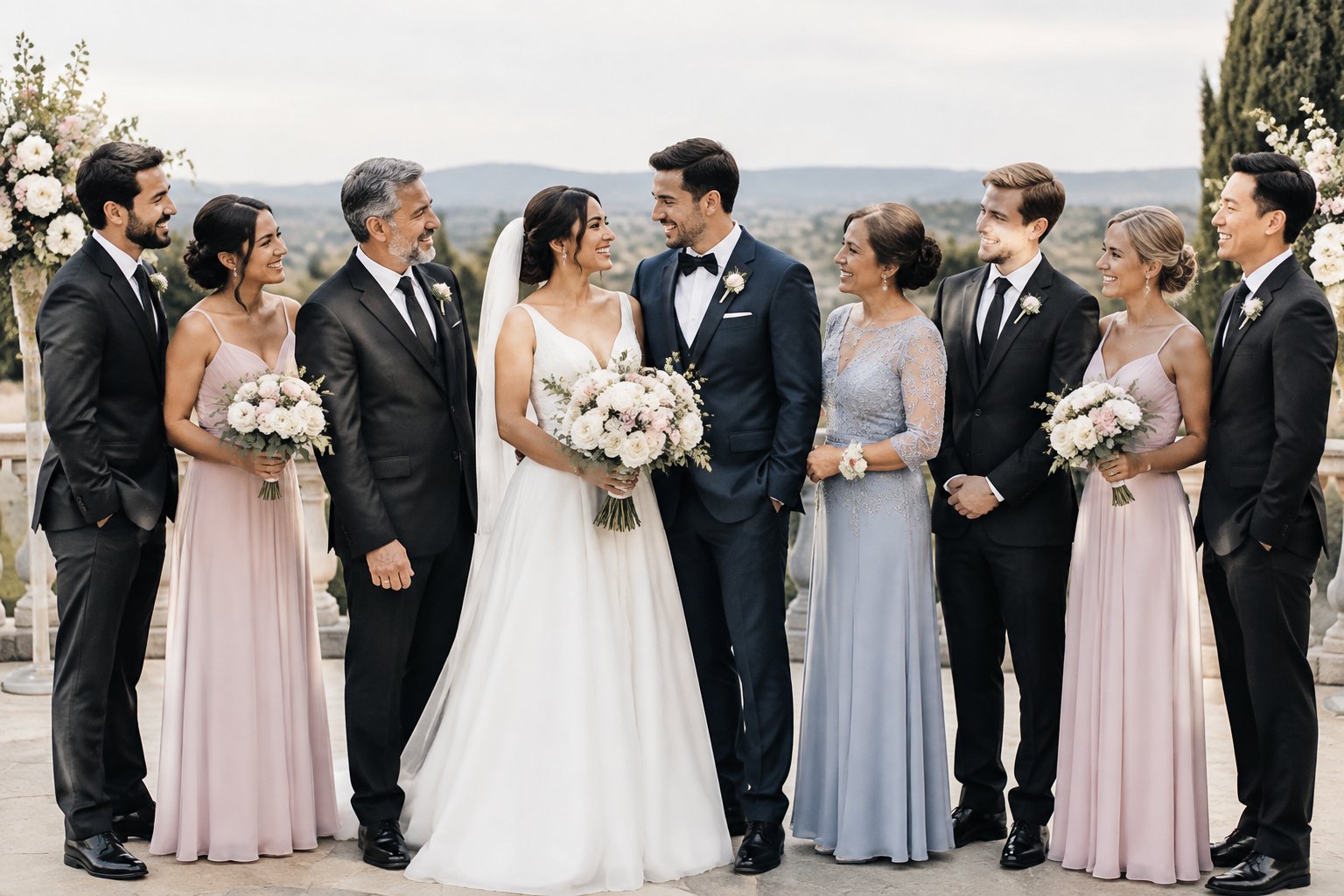
This distinction gives you flexibility during wedding planning. Your parents can walk in the processional, give a reading, host part of the reception, join a parent-child dance, or sit at the head table without appearing on the wedding party list.
A clear conversation about roles also helps you handle family dynamics with care. If you want more guidance on choosing attendants, explore who do you choose for your wedding party before asking anyone.
The Traditional Distinction Between Parents and Attendants
Parents are traditionally honored family members, while attendants support the couple through wedding planning, the ceremony, and reception activities. Their roles can overlap, yet the labels serve different purposes.
Who Is Traditionally Included in the Bridal Party?
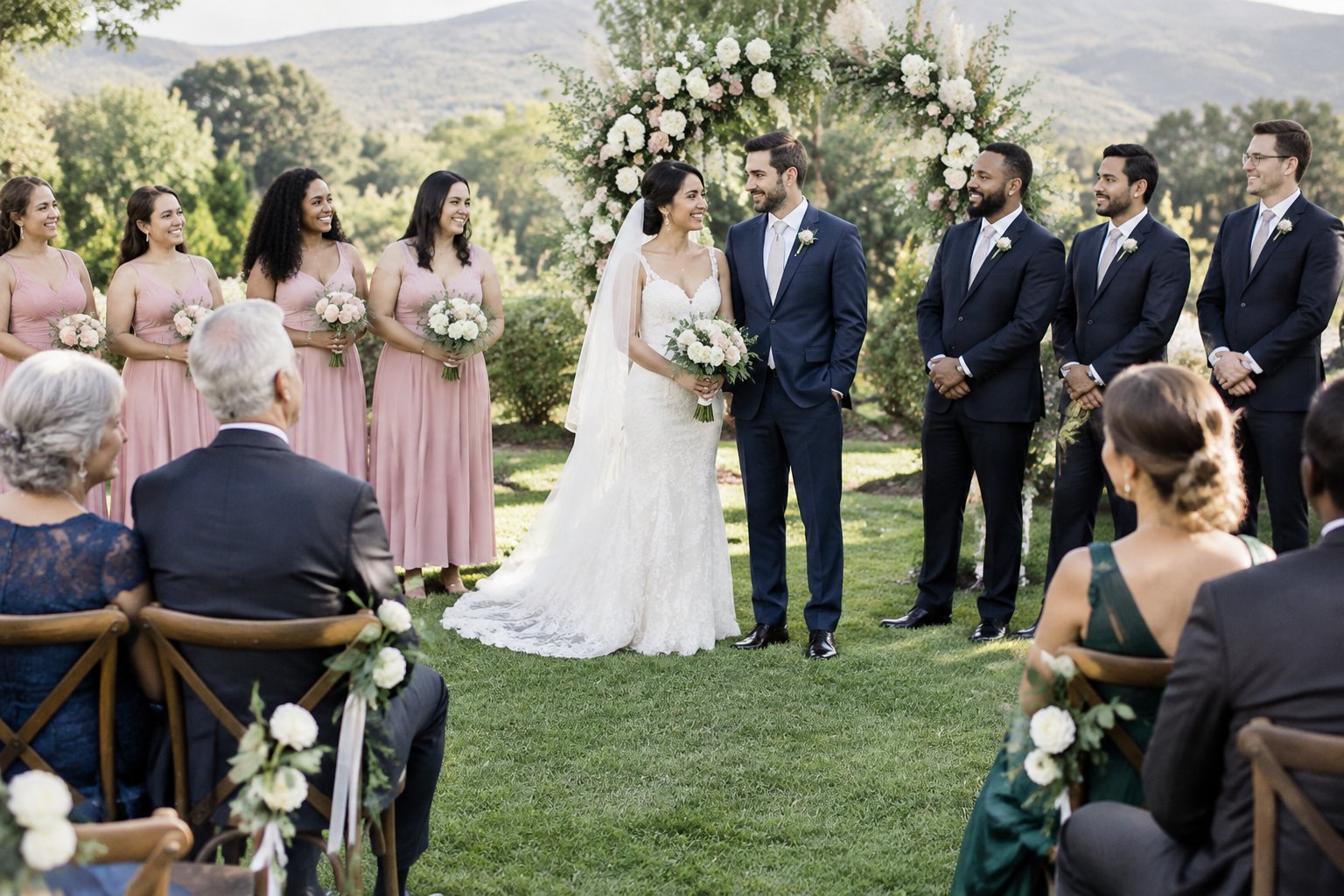
The bridal party, also called the wedding party, usually includes the bridesmaids, groomsmen, maid of honor, best man, best woman, and any junior attendants. A flower girl, ring bearer, or usher can also hold a wedding party role.
These attendants may wear coordinated clothing, stand near the couple during the wedding ceremony, join formal portraits, and help with pre-wedding events. The maid of honor and best man often take on added duties such as giving a toast, holding the rings, or helping with last-minute needs.
Honorary attendants offer another option. You can give a close friend or relative a meaningful title and invite them to selected events without assigning every standard attendant duty. Parents can receive a similar honor, with the wording tailored to your family.
Why Parents Have Separate Family Roles
Parents of the bride and groom represent family support, history, and connection. Their traditional duties can include hosting events, contributing to wedding expenses, offering emotional support, welcoming guests, and taking part in ceremonial moments.
Because they hold a family role, parents do not need matching attire, a place in the processional lineup, or a listing beside the bridesmaids and groomsmen. You can list them under a separate “Parents of the Couple” heading in your program.
If you want parents named alongside attendants, do you list parents in the wedding party offers another way to think through the wording.
How Parents Can Participate Without Being Attendants
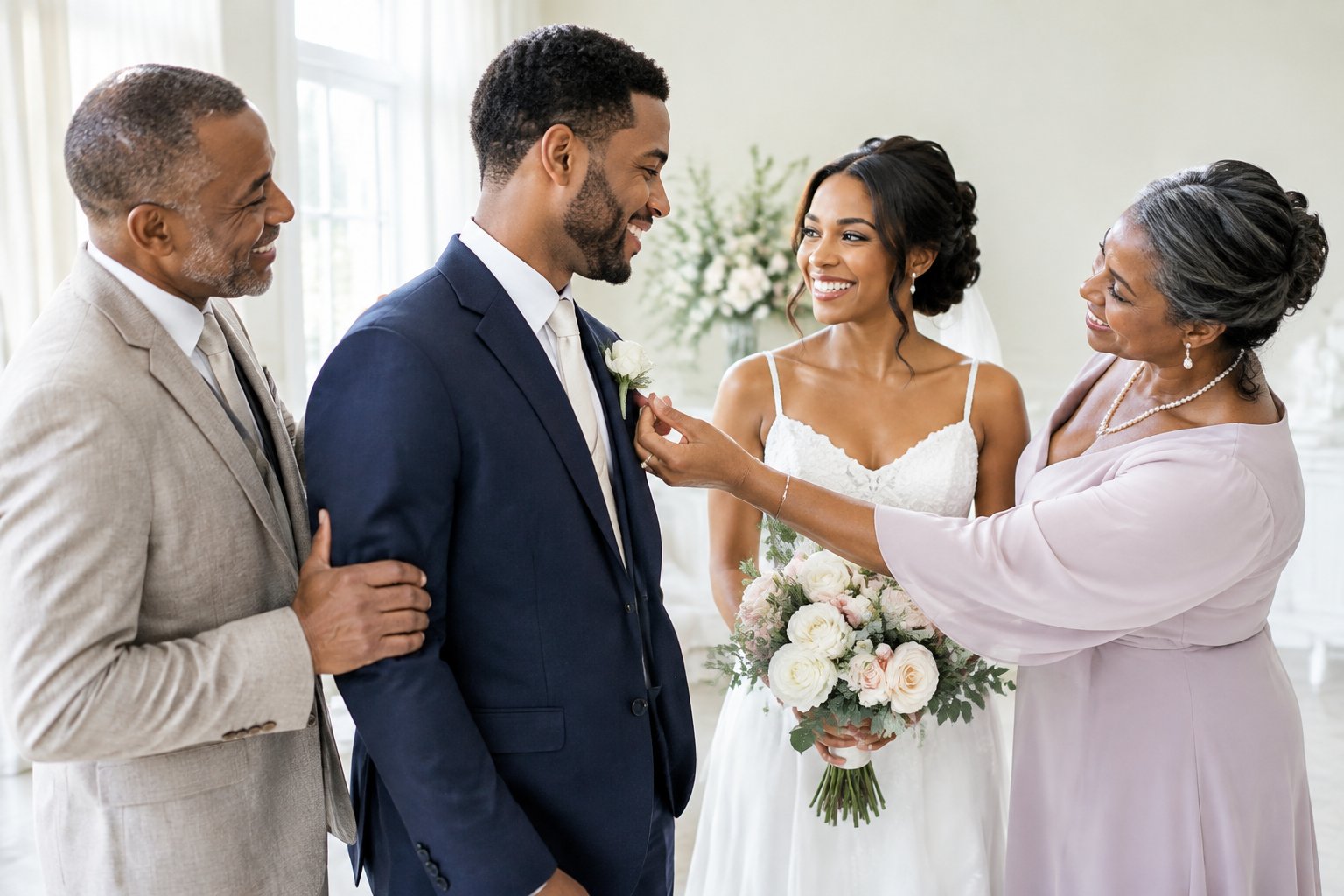
Parents of the bride and groom can take part in visible, meaningful ways without joining the official wedding party. You can assign each parent a role that suits their comfort, relationship with you, and family traditions.
Ceremonial Roles During the Wedding Ceremony
The father of the bride may walk with the bride during the processional, while both parents can escort a couple together. Some couples invite the mother of the bride, mother of the groom, father of the groom, or another loved one to participate in the entrance.
Other options include:
- Giving a reading, blessing, or welcome
- Lighting a unity candle
- Presenting the couple with wedding rings
- Signing as a witness when permitted
- Sitting in reserved front-row seats
- Joining the officiant for a family ritual
Your ceremony plan should state where each parent enters, sits, and waits. Share those details during the rehearsal so every ceremonial role feels calm and organized.
Meaningful Moments at the Reception
A parent-child dance gives the father of the bride, mother of the bride, mother of the groom, or father of the groom a personal moment with you. You can choose one dance, invite several parents, or use a short song so the reception keeps moving.
Parents can also:
- Give a welcome or toast
- Join the grand entrance
- Sit at the head table
- Sit at a family table near you
- Help greet guests
- Take part in a cake-cutting or cultural tradition
Reception seating varies by family structure and venue layout. If you are deciding where parents belong, compare options for do parents sit at the head table at a wedding and do parents sit with bride and groom.
Ways to Recognize Parents in the Program and Photos
List parents by name in the ceremony program, reception program, or welcome display. You can also add a brief thank-you message, include a family recipe, or recognize a parent who helped with a specific part of the day.
Plan family portraits that include each parent, blended family group, grandparents, and any loved ones who played a major role. Tell your photographer about sensitive family dynamics before the wedding so the photo list reflects your relationships and preferred names.
A reception introduction is another option. Parents can enter before the wedding party, alongside them, or at a separate point. Do you introduce parents at a wedding reception explains ways to plan that moment.
Choosing a Wedding Party Lineup That Fits Your Family
Your wedding party lineup should reflect the people who will support you through the ceremony and wedding planning. Parents can join that lineup, receive a separate entrance, or have a different place of honor.

When It Makes Sense to Give Parents an Official Role
Give a parent an official role when you want that person beside you throughout the ceremony or when a family custom calls for it. A parent might serve as an attendant, honorary attendant, reader, usher, or ceremony participant.
You can also include a parent if your wedding party is small and you want a close family member standing with you. Discuss attire, arrival time, photographs, and responsibilities before making the invitation so the title has clear meaning.
A parent’s official role should support your comfort and the flow of the wedding ceremony. You do not need to add someone because of pressure, tradition, or financial support.
Including Children and Other Loved Ones
Children can add special energy to the processional. Flower girls may scatter petals or carry flowers, while ring bearers can carry symbolic rings or a decorative sign. Older children can serve as junior bridesmaids, junior groomsmen, readers, or ushers.
You can also include siblings, cousins, close friends, grandparents, and chosen family. Titles such as honor attendant, bridesperson, best woman, or attendant allow you to match the role to the person without relying on old labels.
Give each participant a simple job description. Include where they stand, when they enter, what they carry, and where they go after the processional.
Coordinating the Ceremony Entrance Order
Write the processional order into your ceremony timeline and review it at rehearsal. A common structure begins with grandparents and parents, continues with the wedding party, and ends with the couple’s entrance, though your officiant and venue may suggest another arrangement.
Account for mobility needs, aisle width, music changes, and family relationships. Parents can enter together, with a partner, with an attendant, or individually. The officiant, coordinator, or designated usher should know where each person waits before walking.
Keep the order easy to explain. A printed lineup and one person assigned to cue participants will reduce confusion on the wedding day.
Setting Expectations Around Planning, Money, and Guest Lists
Parents can provide valuable emotional support and practical help when you define their responsibilities early. Clear limits around wedding expenses, financial contributions, and guest list management protect both your relationships and your planning decisions.

Discussing Financial Contributions Respectfully
Talk about money before anyone pays a deposit. Confirm whether each contribution is a gift, a loan, or payment for a specific item such as floral arrangements, music, attire, or the DJ.
Write down:
- The amount or spending limit
- The item or vendor the contribution covers
- The payment date
- What happens if the cost changes
- Whether the contribution includes planning authority
Traditional expectations may involve the bride’s parents paying for major wedding expenses and the groom’s parents hosting the rehearsal dinner. Modern couples use many arrangements, including shared family support or self-funded celebrations.
Your budget should reflect the agreement you make now, not an assumption carried from an older tradition. A clear wedding budget allocation can help you organize that conversation.
Assigning Planning Tasks Without Losing Control
Give parents defined tasks that match their skills and interests. One parent might coordinate transportation, another might gather family photos, and another might help with hotel information or a rehearsal dinner.
Set the decision boundary for each task. A parent can contact vendors for information while you approve the booking. They can collect family addresses while you manage the final invitation list. Shared documents and deadlines keep updates visible.
Protect decisions that shape your guest experience, such as the venue, ceremony format, attire, and final menu. Express gratitude for help while keeping the couple responsible for the wedding’s direction.
Managing Family Guest List Requests
Guest list management works best when you set one rule for every household. Decide your total capacity, invitation tiers, and the number of guests each contributing family receives before collecting names.
Ask the bride’s parents and groom’s parents for ranked lists with contact details. Explain that a suggested name does not guarantee an invitation. Use a shared spreadsheet to track relationships, responses, meal choices, and plus-one decisions.
You can offer parents a set number of invitations for important friends or relatives while keeping final approval with the couple. For a smaller celebration, use practical guidance on creating the perfect guest list for a small wedding.
Honoring Cultural Traditions and Pre-Wedding Events
Cultural traditions shape parental roles in meaningful ways, so ask both families which customs carry personal importance. Your wedding can honor those practices while adapting timing, attire, guest participation, and family responsibilities to fit your celebration.
How Indian Wedding Traditions Involve Parents
Indian weddings can include several days of ceremonies and pre-wedding events, with parents helping welcome guests, organize rituals, coordinate relatives, and support the couple through each stage. Family participation may appear in events such as the engagement, mehndi, haldi, sangeet, baraat, ceremony, and reception.
The exact customs vary by region, religion, family, and personal preference. Discuss who leads each ritual, what clothing is appropriate, who gives blessings, and how the wedding rings or other symbolic items fit into the schedule.
Give relatives a written timeline when multiple events take place. Include arrival times, ceremony locations, dress guidance, transportation plans, and the person responsible for each family group.
How Jewish Wedding Traditions Involve Parents
Jewish weddings can give parents visible roles during the processional, ceremony, blessings, and reception. Parents may escort the couple, stand beneath the chuppah, participate in readings, or join family blessings, depending on the couple’s practice and community.
A Jewish wedding may also include the ketubah signing, seven blessings, breaking the glass, and dancing during the reception. Speak with your rabbi or officiant about which relatives participate and where they stand.
Family customs can differ across Orthodox, Conservative, Reform, and secular celebrations. Confirm expectations early so parents know the order of events and the meaning of each role.
Planning a Rehearsal Dinner and Other Family Events
The rehearsal dinner gives families time to meet, welcome out-of-town guests, and share short toasts before the wedding. In some families, the groom’s parents host it; other couples host the event themselves or divide responsibilities across households.
Choose a format that matches your budget and schedule. A restaurant meal, backyard gathering, cultural dinner, or casual welcome party can work well. Give speakers a time limit and tell them when the meal, rehearsal, and transportation begin.
You can also plan a family brunch, welcome gathering, tea ceremony, or farewell meal. Include only events that support your energy, budget, and cultural priorities. Then share the full schedule with parents, attendants, and vendors so everyone knows where to be.