
Are You a Bachelor If You Have a Girlfriend? Understanding Relationship Labels
Navigating relationships can be tricky. The term “bachelor” usually refers to an unmarried man who is not in a committed partnership. So, is someone still a bachelor if he has a girlfriend? The straightforward answer is yes, as long as he is not married, he is considered a bachelor.
This definition, however, doesn’t fully capture the nuances of modern dating and relationships.

People often use “bachelor” to describe a lifestyle rather than just a marital status. A man in a committed relationship may not feel like a bachelor because his day-to-day life involves his partner. Meanwhile, those dating casually might embrace the bachelor identity fully. This shows how the perceptions of relationship statuses can vary widely among individuals.
In a world where dating is more complex than ever before, understanding terms like “bachelor” can help clarify where someone stands in the realm of relationships.
Whether single, dating, or in a committed relationship, each situation brings its own unique experiences and challenges. Exploring the idea of what it means to be a bachelor can lead to deeper conversations about personal choices and commitments in the dating landscape.
Exploring the Term ‘Bachelor’

A bachelor is traditionally considered a man who is not married. Today, the meaning can vary based on cultural and historical contexts. It’s important to understand the background and differences between being a bachelor and simply being single.
The Historical Context of Bachelorhood
Historically, the term “bachelor” described an unmarried man. In colonial America, being a bachelor was not just about marital status. Instead, it held a broader social meaning. Bachelors were often seen as men not fully integrated into society’s fabric, partly due to the focus on family life and marriage during that era.
In the 17th century, colonists began using the term to define unmarried men. The implications extended beyond personal choices. Social expectations sometimes pressured them into marriage for stability and respectability.
Up until 2005, many official documents in places like England and Wales used “bachelor” to label unmarried men. Over time, these labels faded with shifts in societal norms and the evolving perception of singlehood.
Bachelor vs. Single: Defining the Differences
While “bachelor” and “single” might seem similar, they have distinct meanings. A bachelor is typically a man who has never been married. This term is often social and cultural, sometimes implying a lifestyle choice or phase.
The term “single,” however, applies to both men and women. It describes anyone not currently married, regardless of past marital status. A person may have been married before but now identifies as single after a divorce.
While “single” highlights current relationship status, “bachelor” often includes the notion of lifelong singleness. This difference can influence how these terms are perceived and used in different contexts.
The Dynamics of Dating and Relationships

Dating today is filled with different terms and ideas that can affect how people define their relationship status. It helps to know these terms to better understand personal connections and whether lines blur between being a bachelor and having a committed partner.
Understanding Modern Dating Terminology
Dating terms have changed a lot over time. Today, words like “situationships” and “ghosting” are common. A situationship is less than a committed relationship, where the partners might not label their connection. Ghosting, on the other hand, occurs when one person suddenly stops all communication, leaving the other wondering.
These terms help describe the varied nature of modern relationships. People nowadays might be dating without exclusive commitment, which influences their relationship labels. Knowing these terms can offer insight into how relationships form and evolve in today’s world.
The Impact of Dating on Relationship Status
Dating can blur the lines of relationship status. When two people date, they might still identify as single or bachelors. This is because dating doesn’t always mean exclusivity or a serious commitment. Some might attend events like a bachelor party even while in a casual dating scenario.
As partners grow closer, their relationship status may change. Sometimes, people avoid specific labels until they feel more secure in their partnership. This approach highlights how dating can impact relationship definitions.
Bachelorhood and Romantic Commitment
Being a bachelor traditionally means being unmarried. With a girlfriend, a person’s bachelor status might seem questionable. Yet, many remain bachelors while in committed relationships, especially if marriage isn’t a focus for them.
While some view dating as a step toward marriage, not everyone aims for it. Enjoying a romantic connection without tying it to long-term commitment keeps the bachelor identity alive. The decision to marry or remain a bachelor is personal and reflects one’s view of romance and lasting partnership.
Cultural Perceptions and Media Portrayals

Popular media and cultural perceptions shape how society views individuals in relationships or those who choose to remain single. Television shows and societal norms often influence what people think about bachelors and partnerships. This section explores how reality TV impacts views on romance and how culture plays a role in defining bachelordom.
The Bachelor: Reality TV’s Take on Romance
Reality TV shows like The Bachelor often portray bachelors as individuals on a quest for love, searching for the perfect partner among many contestants. These shows can create unrealistic expectations about relationships. Participants engage in dramatic scenarios, providing viewers with entertainment rather than honest portrayals of dating.
Cultural influence from such shows can lead people to view romance as a series of dramatic gestures rather than genuine relationships. The Bachelorette, a spin-off, flips the focus but retains similar themes, reinforcing gender norms. This kind of programming can affect how audiences perceive the process of finding a partner, emphasizing superficial qualities over substantive connections.
Societal Views on Bachelordom and Partnerships
Culturally, the term bachelor often refers to an unmarried man, regardless of a romantic partner. While having a girlfriend does not change his marital status, society might view his bachelor status differently.
Media portrayals can reinforce or challenge these views. For example, television often shows bachelors as carefree and independent, emphasizing freedom over commitment. This can shape societal expectations, potentially causing stress for those who feel the need to conform to these ideals. Additionally, cultural differences lead to various interpretations of bachelordom and partnership, reflecting diverse societal norms and values.
Rituals and Celebrations of Bachelorhood
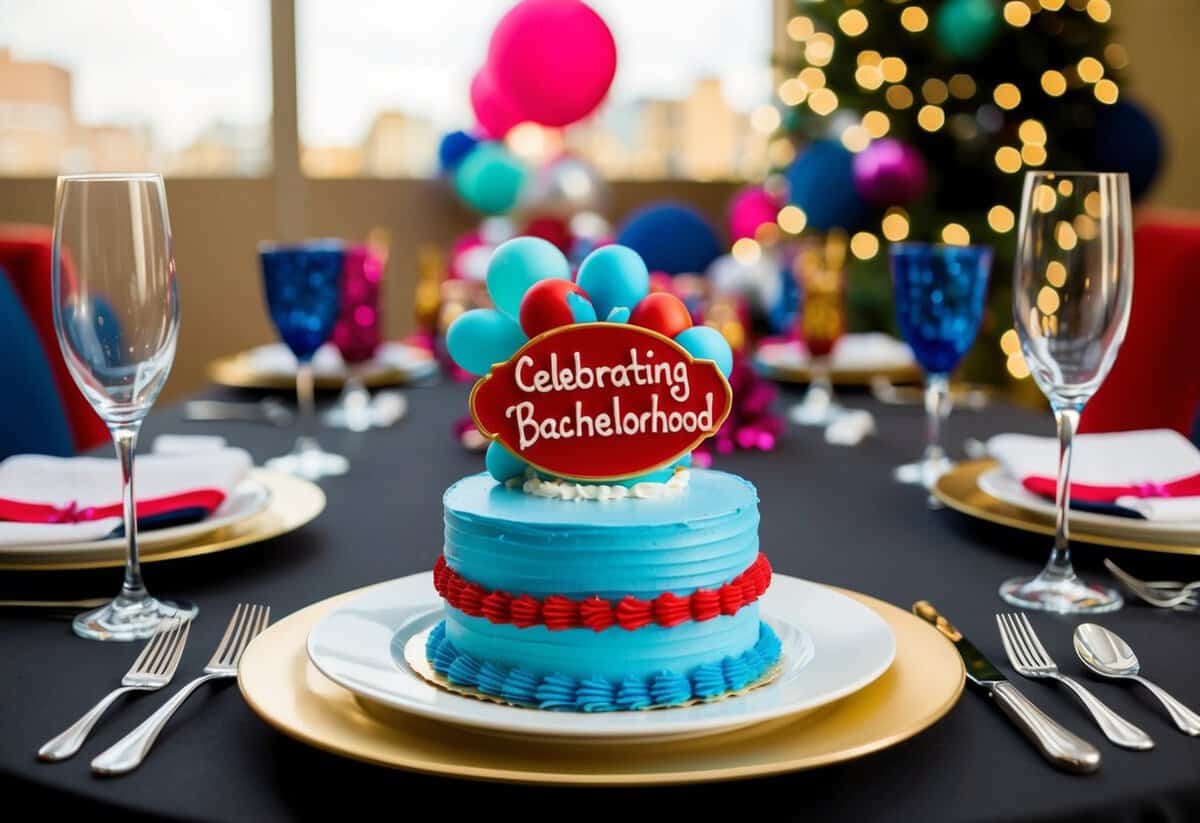
Bachelorhood often comes with unique rituals and parties celebrating the groom’s transition from single life to marriage. These traditions focus on enjoying moments with friends and loved ones before the big day.
Traditional Bachelor and Bachelorette Parties
Bachelor and bachelorette parties are significant events in this tradition. For bachelors, these parties can range from simple gatherings to exciting nights out at venues like a strip club. Some might include activities such as a lap dance or just spending time with close friends.
Bachelorettes also have their own celebrations, often filled with fun activities and a chance to bond with friends. Both types of parties serve as a farewell to single life and are essential in strengthening friendships.
Significance of Weddings and Associated Customs
Weddings are rich with customs symbolizing union and commitment. Exchanging wedding rings is a key part of the ceremony, representing eternal love. The bridal bouquet holds its tradition, where tossing it can signify good luck in finding love.
Some prefer unique twists, adding personal touches to age-old practices. Customs like these create lasting memories and offer a sense of closure to bachelorhood. Whether through traditional or modern practices, these rituals highlight the important transition into married life.
Relationship Milestones in Modern Society

In society today, certain moments mark significant shifts in relationships. From moving in together to getting engaged, each step brings new changes and considerations.
From Dating to Engagement: The Transition
Dating can be a fun and exciting phase where couples get to know each other. While dating, individuals often navigate various challenges and enjoy many firsts, from first dates to meeting each other’s families.
An important milestone is transitioning from dating to engagement. This step involves a deeper commitment, where many decide to propose. Some may use symbols like a mermaid’s pendant as a unique gesture before the traditional engagement ring. The transition signifies readiness for marriage and long-term partnership.
Engagement brings anticipation as couples plan for their future together. Communicating effectively and setting shared goals during this phase help ensure a smooth journey toward marriage.
Cohabitation and Its Implications on Bachelor Status
Cohabitation, or living together before marriage, has become common. It marks a significant step, showing a commitment without yet altering one’s bachelor status officially.
For many, cohabiting serves as a trial run for marriage. This arrangement may affect one’s perspective on being a bachelor. While still legally single, the level of commitment mirrors marriage aspects.
Couples face decisions about finances, chores, and shared responsibilities, much like married couples. Whether one remains a bachelor while cohabiting varies by personal view and culture.
Exploring cohabitation helps partners understand compatibility, fostering deeper connections before deciding on marriage.