
Can the Groom Stand on the Left? Exploring Traditional Wedding Roles
When planning your wedding ceremony, you might wonder about the traditional positions of the bride and groom. Yes, the groom can stand on the left in certain types of ceremonies, especially in Jewish weddings where this arrangement is customary. In contrast, traditional American or Christian weddings typically have the bride on the left and the groom on the right.
Understanding these traditions can help you make informed choices for your special day. You may want to follow the traditional path or create your own unique style. Whatever you decide, knowing the options available to you will make the planning process smoother and more enjoyable.
Wedding Ceremony Origins
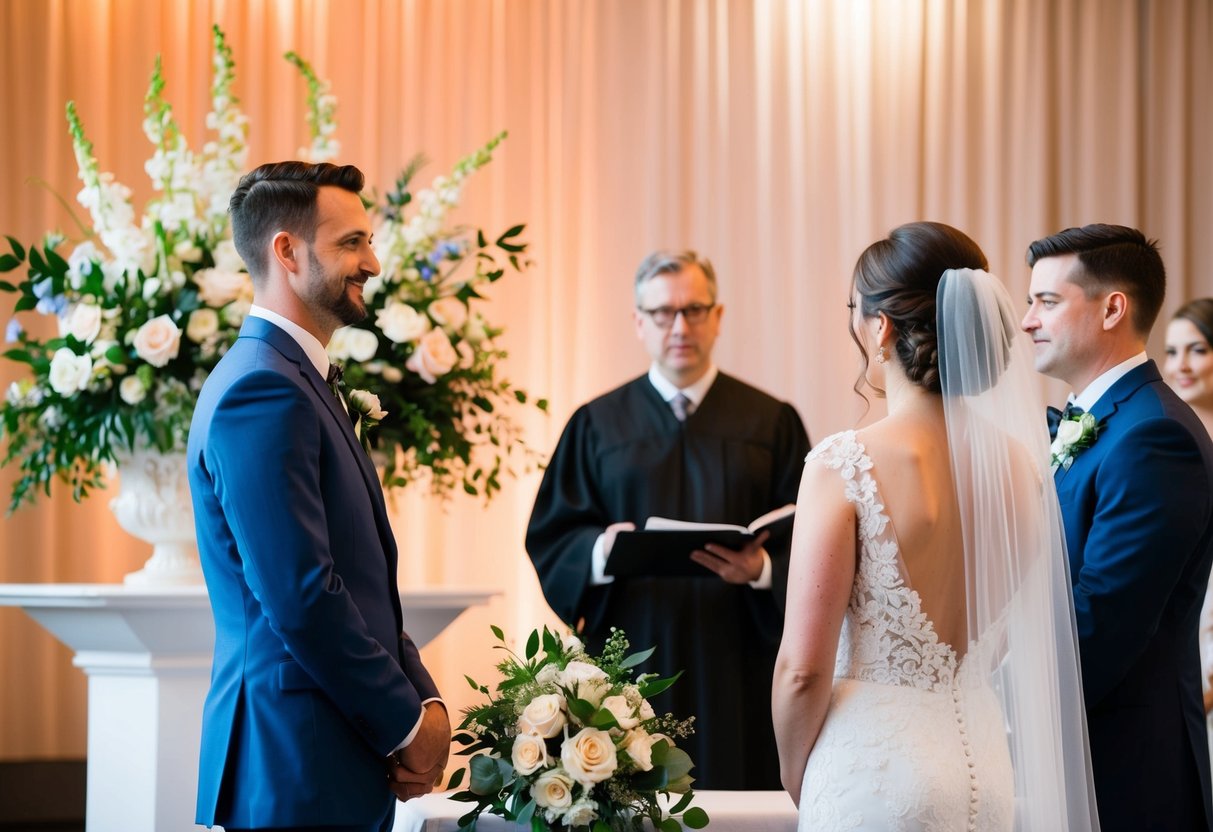
The placement of the bride and groom during a wedding ceremony has deep roots in history. Understanding these origins can give you insight into modern practices and the significance behind them.
Historical Placement of the Bride and Groom
In medieval times, wedding ceremonies followed strict codes of chivalry. The groom stood on the right, symbolizing his role as the protector. The bride stood on the left, closer to his heart, representing emotional connection. This tradition has mostly persisted in Western weddings today.
In contrast, Jewish weddings reverse this placement. The bride stands on the right while the groom is on the left. This shift emphasizes different cultural beliefs and practices within the ceremony.
Military weddings often observe specific protocols too. In these ceremonies, the couple’s positioning may reflect their roles within the armed forces. The traditions help honor service and commitment.
Cultural and Religious Roles
Different cultures and religions have shaped wedding ceremonies uniquely. For example, Hindu weddings include elaborate rituals that may alter traditional standing placements. Couples often face each other during certain rituals, which adds layers of meaning to their roles.
LGBTQ+ weddings have also adapted these traditions. Many couples choose the order and placement that feels right for them, breaking away from historical norms.
Through history, the placement of individuals in ceremonies communicates significant messages. Understanding these origins helps you appreciate the rich tapestry of wedding traditions.
Modern Interpretations and Variations
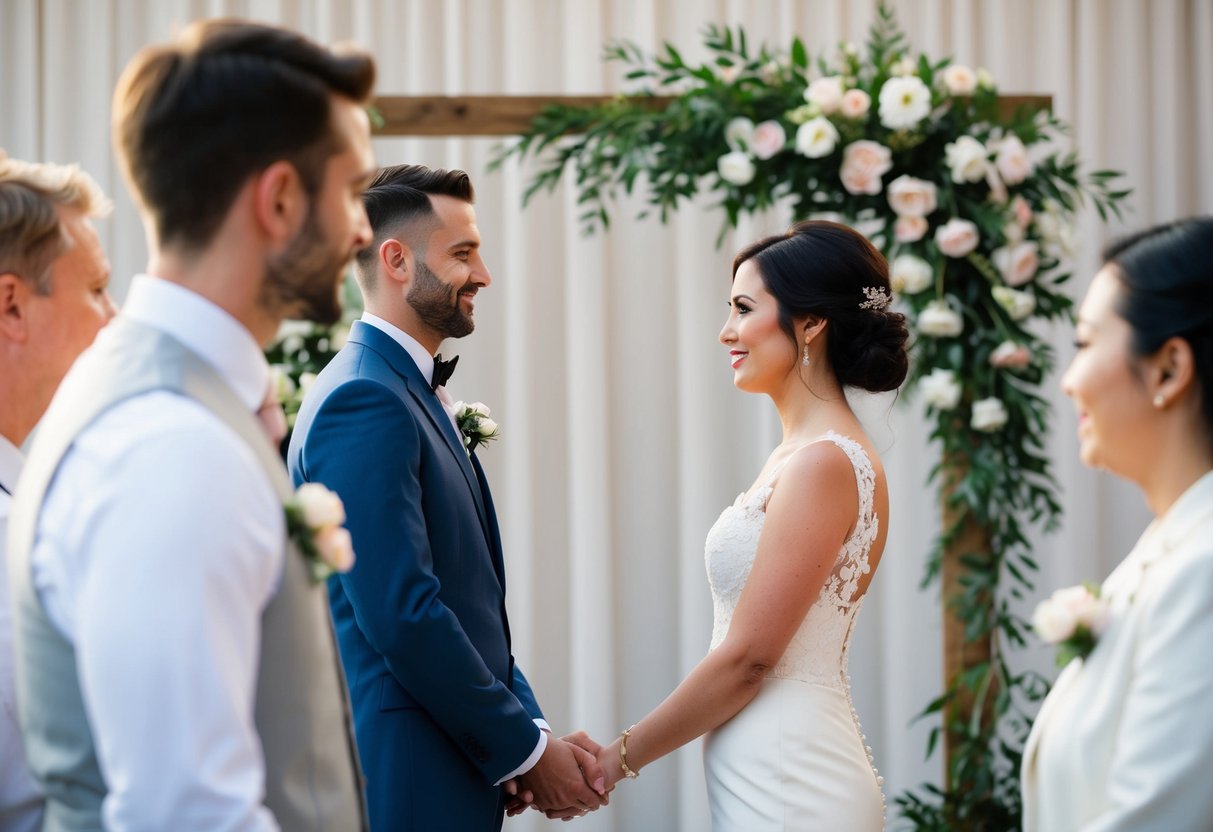
Weddings today are a blend of tradition and personal expression. You can see various interpretations based on individual choices, cultural backgrounds, and modern values. Let’s explore some significant variations that reflect this evolution.
Adapting Traditions in LGBTQ+ Weddings
LGBTQ+ couples often adapt traditional wedding roles to fit their relationship. In many cases, there is no set rule for who stands where. Couples can decide based on comfort or sentiment. For example, some may choose to have both partners stand on the left or right side, symbolizing equality. This freedom allows for personal touches, like special readings or rituals that represent their love story, making the ceremony uniquely theirs.
Contemporary Seating Arrangements
Modern weddings frequently rethink traditional seating arrangements. Instead of the bride’s family sitting on one side and the groom’s on the other, you might see a more mixed setup. This change reflects the blending of families, especially in diverse cultural backgrounds.
Couples can also opt for circular seating for a more inclusive atmosphere. This shift encourages engagement and connection among guests, creating a warm environment that celebrates unity.
Influence of Military and Cultural Etiquette
For couples with military backgrounds, traditions can play a significant role. Military ceremonies may adhere to specific etiquette that influences where the groom stands. Traditionally, the groom stands on the right, honoring the “protection” symbolism linked to the bride. Cultural variations, like in Jewish ceremonies, also guide these placements. Incorporating these traditions adds meaning but can adapt them to reflect personal values and the couple’s unique story.
Logistics and Symbolism in Wedding Ceremonies
In wedding ceremonies, the arrangement of the bridal party and guests plays an important role. This setup carries both logistical and symbolic meanings that enhance the experience. Being aware of these factors can help you better understand the ceremony’s significance.
Significance of the Seating Arrangement
The seating arrangement in a wedding ceremony is more than just a practical decision. Traditionally, the bride’s side sits on the left and the groom’s side on the right. This fulfills the customs of many cultures, adding to the meaning behind these choices.
At the altar, you will see the bride typically on the left and the groom on the right. This placement symbolizes love and protection, as the groom stands closest to the bride’s heart. The arrangement creates a visual balance, allowing guests to see the couple as the center of the ceremony.
Symbolic Aspects of Processional and Recessional
During the processional, the order in which the wedding party enters greatly matters. The bride is often escorted down the aisle, highlighting her importance. As she reaches the altar, the groom stands ready to welcome her.
The recessional marks the couple’s exit and celebration of their union. Here, they often walk together, symbolizing their journey ahead. The groom usually takes the lead, indicating his role in providing for and protecting his wife. This tradition continues to emphasize the commitment both partners make during the ceremony.
Planning Essentials for the Big Day
Planning your wedding involves many details. It is important to think about the roles of your bridal party and how to design the ceremony layout to create a memorable experience.
The Role of the Bridal Party
Your bridal party is made up of key people like bridesmaids, groomsmen, the maid of honor, and the best man. Each person has specific duties that support you and your partner on the big day.
Bridesmaids help with tasks like planning the bridal shower and keeping you calm. Groomsmen assist the groom and ensure everything runs smoothly.
The flower girl and ring bearer add a sweet touch to the ceremony. Consider assigning them simple tasks, such as carrying a small bouquet or the wedding rings.
Make sure to communicate the roles clearly. This prepares everyone and makes the day enjoyable for all.
Designing the Ceremony Layout
Creating a ceremony layout is crucial for the flow of the event. Decide where each person will stand, especially at the altar. Traditionally, the groom stands on the right, while the bride stands to the left. Groomsmen are usually placed near the groom, with bridesmaids on the bride’s side.
Consider special seating for your sweetheart table at the reception. This is where you and your partner can relax and enjoy your meal together.
For outdoor weddings, think about the setting and how it affects visibility for your guests. Make sure the altar placement allows for a clear view.
Your layout choices will help create a warm and inviting atmosphere for your guests, making your special day even more memorable.