
Can You Ask People to Pay for Their Own Meal at Your Wedding? Exploring the Etiquette and Options
Weddings are joyful, memorable events, but they can also be quite expensive. As you plan your big day, you may wonder if it’s acceptable to ask your guests to cover their own meals. Traditional etiquette suggests that the couple should treat their guests, but you can find polite ways to handle this situation if your budget is tight.
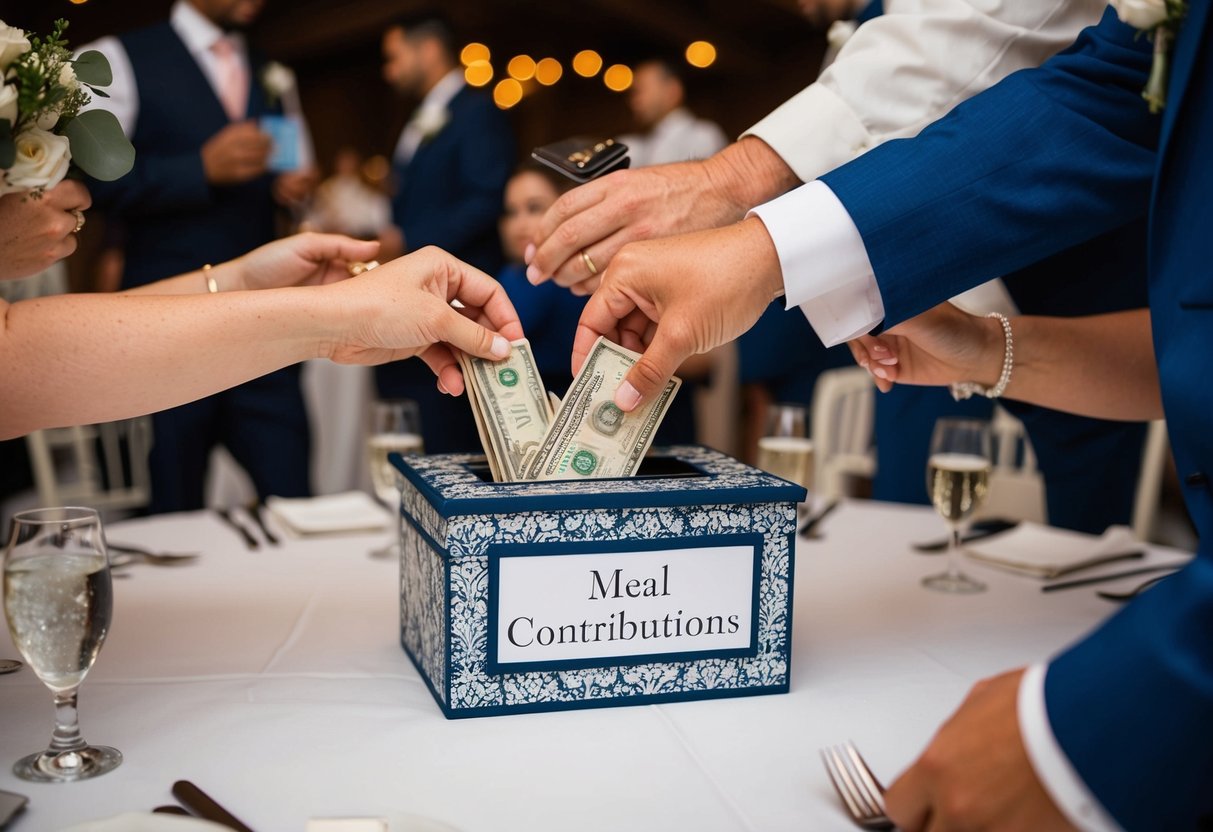
Many people feel uncomfortable with the idea of guests paying for their meals, but it doesn’t have to be awkward. With the right wording and approach, you can make it clear without coming off as rude.
In this article, we’ll explore different methods to communicate your plans and the best practices to keep everyone feeling welcome and included on your special day.
Whether you are thinking of offering a meal option with a price tag or limiting your catering to lighter fare, there are creative solutions to fit your needs. Let’s dive into how you can navigate this sensitive topic and ensure that your wedding remains a joyous celebration.
Understanding Wedding Etiquette
Weddings involve many traditions and expectations. Knowing these can help you navigate decisions like whether to ask guests to pay for their meals. Clear communication is key to maintaining good relationships with your wedding guests.
Etiquette Basics
Wedding etiquette can sometimes feel complicated. Generally, it is considered polite for the couple to cover the costs of the meal for their guests. This tradition shows appreciation for their support.
If you’re considering asking guests to pay for their own meals, understand that opinions vary. Some people may view it as rude, while others might see it as a practical choice, especially if you’re on a tight budget.
You can maintain tact by being open and honest about expenses early on. Think about how it may affect your relationships as well.
Invitations and Expectations
When crafting your wedding invitations, how you communicate costs is vital. If you plan to ask wedding guests to pay for their meals, clarity and politeness are essential.
Consider mentioning menu options with prices directly on your invitations. This way, guests know what to expect and can budget accordingly. Phrasing is everything; a polite note can go a long way.
Using your wedding website can also be effective. Share details about meal costs there, providing full transparency. Ensure guests feel informed, not pressured, about any financial expectations.
Exploring Meal Payment Options
Choosing how to handle meal payments at your wedding can be tricky. It’s essential to consider the pros and cons of your options, as well as how best to communicate with your guests about these expectations.
Pros and Cons of Guests Paying
Having guests pay for their own meal can relieve financial pressure on you. It allows you to spend more on other aspects of your wedding, like decoration or venue.
Additionally, this approach may encourage guests to make thoughtful choices about what they order.
On the downside, asking guests to cover their meals can feel awkward. Some may feel uncomfortable with this arrangement, especially if it’s not clearly communicated. This approach can also limit your guest list to those who are willing or able to pay.
It’s important to weigh how this might impact your relationships with guests.
Alternative Options to a Cash Bar
A cash bar at your wedding reception can be a great way to manage costs. Instead of providing free drinks, you let guests purchase beverages.
However, some guests may prefer an all-inclusive experience.
Instead of a cash bar, consider offering a limited selection of complimentary drinks. This could include a signature cocktail or a selection of wines and beers. This option keeps costs down while still being courteous.
Another fun idea is to set up a wishing well where guests can contribute towards drinks or meals if they are comfortable.
Communication to Guests
Clear communication is key when asking guests to pay for their own meal.
One effective way is to include a note with your RSVP card. This note can kindly inform guests about the meal payment arrangement.
Use friendly and direct language. For example, you can say, “We would love for you to join us! Each guest is invited to pay for their own meal.” This clarity helps set expectations and reduces any potential awkwardness.
Consider using your wedding website to add more details as well, ensuring everyone is well-informed.
Budgeting for Your Wedding
Creating a wedding budget is essential for planning a successful event. It helps you manage costs and prioritize what truly matters, including how to handle guest meals.
Setting Your Wedding Budget
Start by determining your total budget. Consider your savings and any contributions from family.
List out major expenses like the venue, catering, and attire.
Next, research the average costs in your area. This will guide you in making realistic estimates. For example:
- Venue: $3,000 – $10,000
- Food and Drinks: $50 – $150 per person
- Decorations: $500 – $2,500
Once you have this information, divide your budget into categories.
Prioritizing helps to ensure that you’re not overspending in one area at the cost of another.
Allocating Funds for Guest Meals
Guest meals often represent a significant part of your wedding budget. Decide early if you want to cover all costs or ask guests to contribute.
If you opt to include meals, factor in food type and service style. Buffet options may reduce costs, while plated dinners can add up quickly.
It’s also helpful to consider menu variety to accommodate different dietary needs.
Communicating clearly about costs is key. You might include meal prices on invitations for transparency. Whether you cover it all or ask guests to pay, make sure your approach feels comfortable for you and your guests.
Incorporating Guest Contributions
Asking guests to contribute can be sensitive, but it is possible to do this in a friendly and respectful way. Here are some methods to incorporate guest contributions without causing discomfort.
Wishing Well and Gifts
A wishing well is a popular option for weddings. Instead of traditional gifts, you can create a wishing well where guests can contribute towards your meal costs or honeymoon.
This approach allows guests to give what they feel comfortable with.
You might include a note on the invitation or at the reception explaining the wishing well concept clearly. For example, you can say, “Your presence is the greatest gift! If you wish to contribute, a wishing well will be available.” This keeps the tone light and ensures that guests know their attendance is what truly matters.
How to Include It on Your Website
Your wedding website is an excellent place to detail your contributions plan. You can create a dedicated section that explains the wishing well or other options like guests paying for their own meals.
Make sure to keep the language warm and inviting. You might say, “We are excited to celebrate with you! If you’re considering a gift, please know that a wishing well will be available.” Include links or details about how guests can contribute.
Use bullet points or short paragraphs for clarity. This helps guests easily find the information they need without feeling pressured.