
Cheap Wedding Ceremony and Reception Venues That Save Money
Your venue choice sets the tone for your wedding budget, yet a beautiful celebration does not require a costly ballroom. The most affordable wedding venues include public parks, community centers, libraries, private rooms, and backyards. These spaces give you room to personalize the ceremony and reception while keeping the wedding venue cost under control.
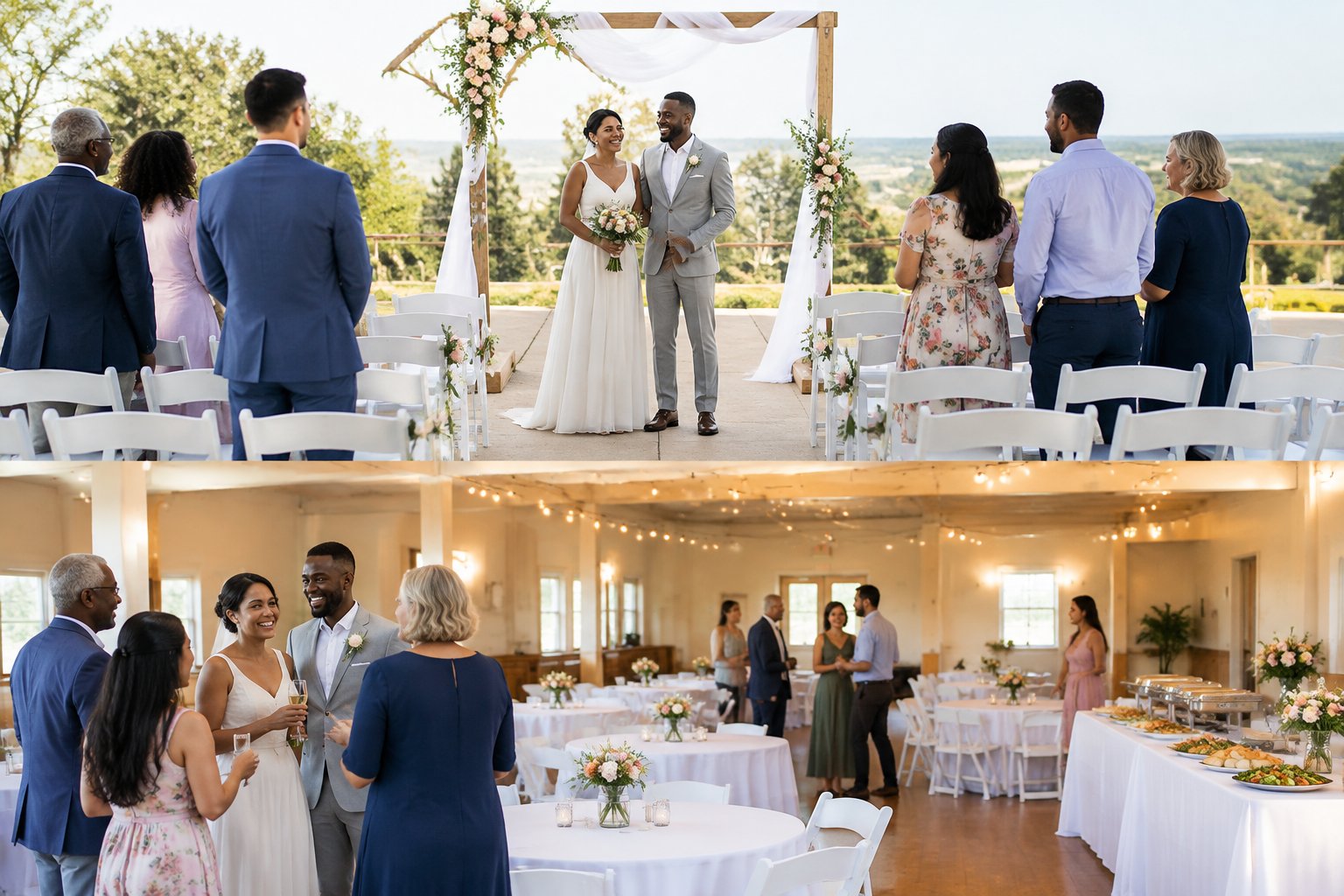
Community centers and public parks are often the best starting points for cheap wedding ceremony and reception venues because they offer lower rental rates and flexible layouts. You can save more by choosing a weekday, shortening the rental window, limiting the guest list, or selecting a venue with tables and chairs included.
Review every fee before you reserve a date, then compare the complete price for each location. If you want help finding a space that fits your guest count and style, explore these affordable wedding venues and build your shortlist around your total wedding budget.
What Makes a Venue Truly Affordable?
An affordable venue has a low total cost after rental fees, required services, taxes, deposits, and cleanup are included. A low advertised rate can become expensive when the venue requires outside rentals, exclusive caterers, or long setup times.
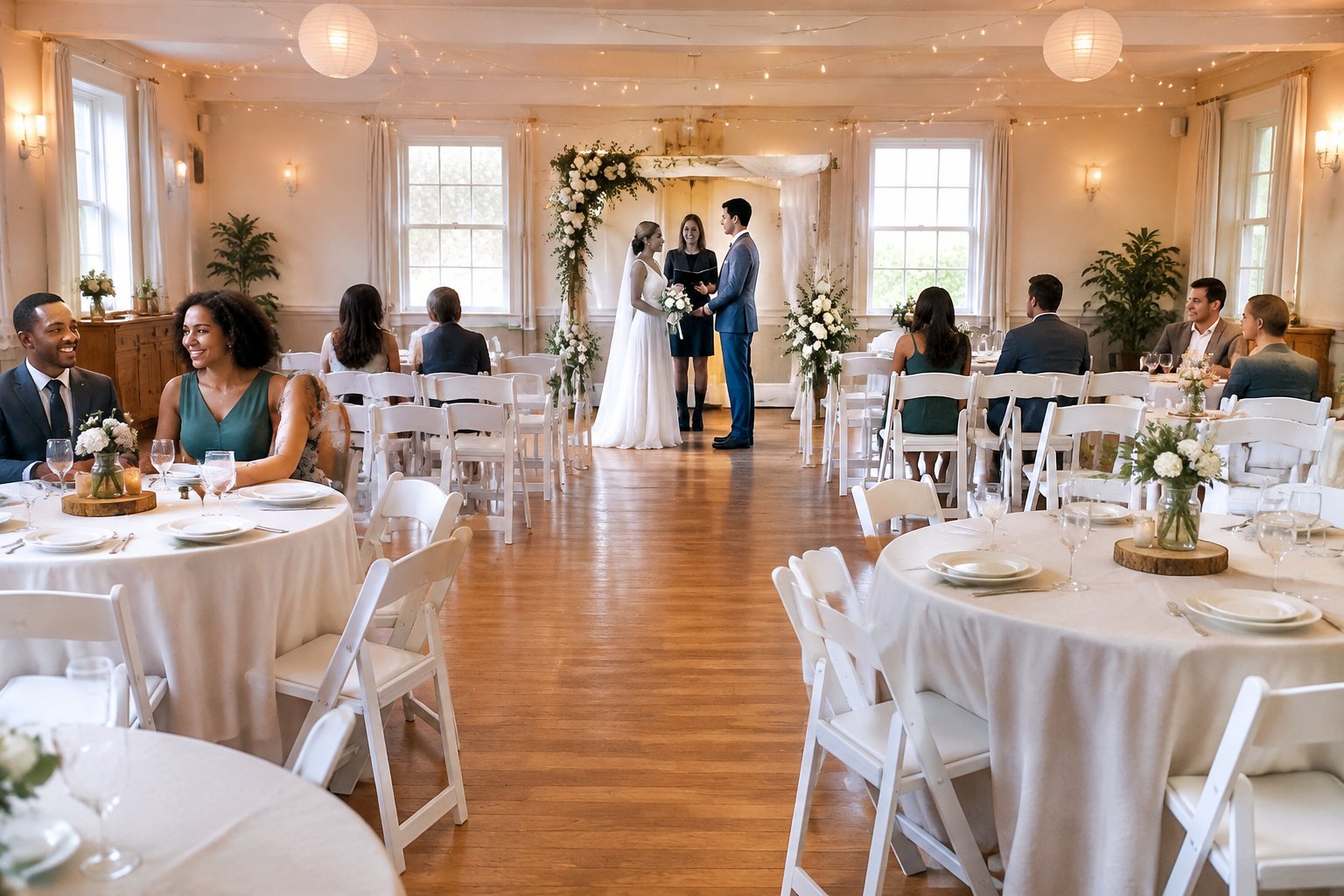
Your guest count, event length, date, and included equipment shape the final price. Ask for a written quote that covers both the ceremony and reception, then compare each venue using the same guest count and schedule.
How to Compare Venue Rental Costs and Included Services
Start with the base rental fee, then ask what comes with it. A community hall or event center might include tables, chairs, kitchen access, parking, and a cleanup period. A private club or banquet hall might bundle catering, linens, staffing, and bar service into wedding packages.
Ask these questions before paying a deposit:
- How many hours does the rental include?
- Are setup and cleanup included?
- Does the price cover ceremony and reception use?
- Which tables, chairs, linens, and lighting come with the space?
- Can you choose your own caterer and vendors?
- What deposit, security, service, or overtime fees apply?
Compare the complete estimate, not only the room price. A venue with a higher rental fee can cost less when it includes furniture and staffing.
Why Ceremony and Reception in One Location Can Cost Less
Using one location reduces transportation, decorating changes, and duplicate rental orders. Guests move directly from the ceremony into the reception, while your vendors reset the room during a planned transition.
Ask whether the venue offers a combined ceremony-and-reception rate. Some locations price ceremony only and reception time separately, while others offer packages that include both spaces. A single room with a ceremony layout, cocktail area, and dinner setup can work well for a small guest list.
Hidden Fees That Can Change the Final Price
Hidden charges often come from overtime, cleanup, security, insurance, corkage, parking, power, and required staff. Outdoor locations can add permit fees, restroom rentals, generators, and weather equipment.
Request the venue rules in writing. Check the cancellation policy, payment schedule, noise limits, end time, alcohol rules, and restrictions on candles or decorations. Add a small reserve to your wedding budget for items that are easy to miss during the first quote.
Low-Cost Outdoor Places to Get Married
Public parks, gardens, beaches, and private property offer attractive settings with lower space costs, especially for intimate weddings and short receptions.
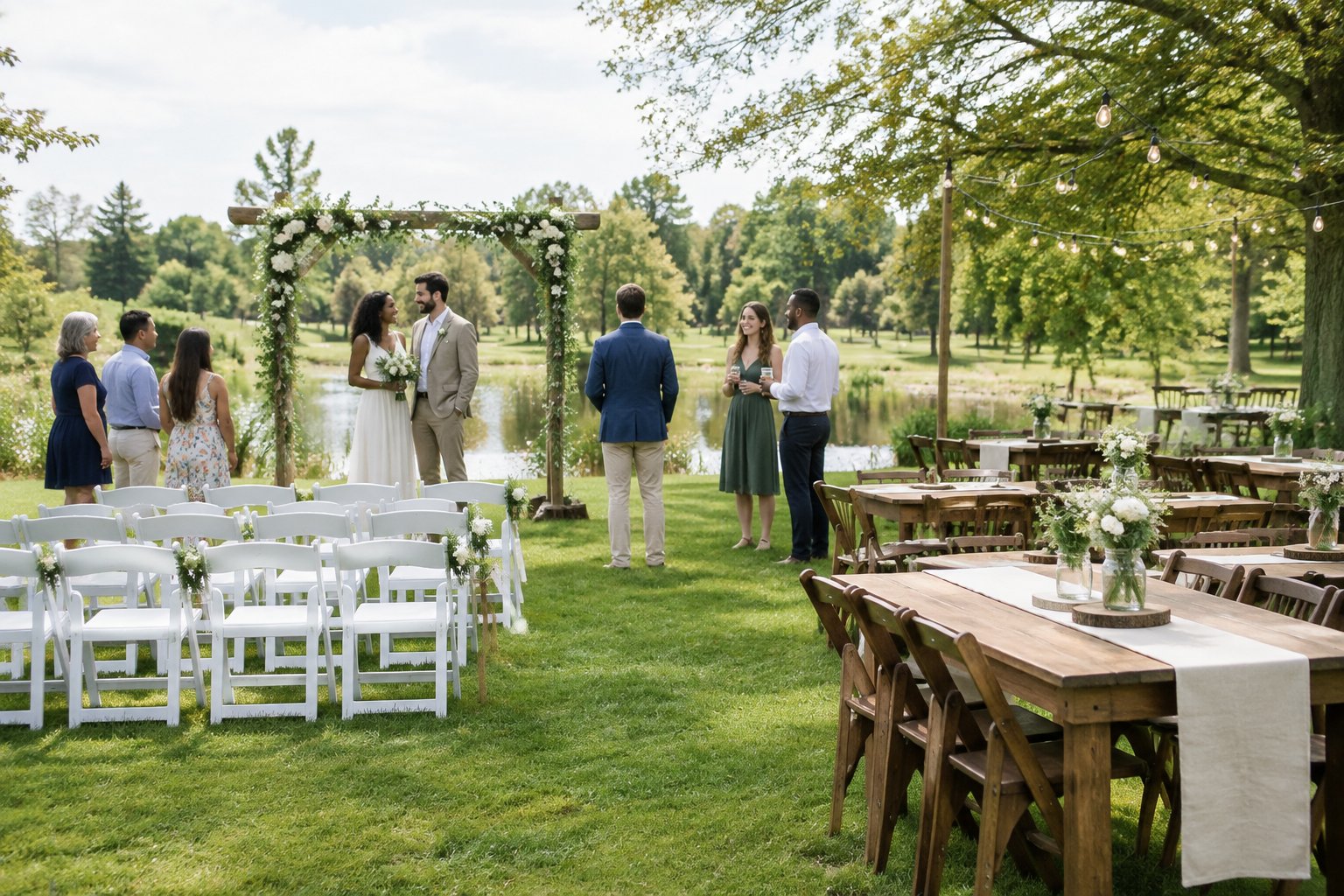
Outdoor venues require more planning for permits, seating, restrooms, food service, sound, and weather. Choose a location with convenient access and a practical backup plan before you book.
Public Parks, State Parks, and National Parks
Public parks provide lawns, picnic shelters, trails, and scenic ceremony areas. Local parks often have simpler booking systems, while state parks and national parks may offer larger landscapes and designated event sites.
Ask the park office about:
- Ceremony permits and reservation windows
- Guest limits and parking
- Alcohol and amplified music rules
- Restroom access
- Rain plans and shelter availability
- Required insurance or special-event paperwork
A park wedding works best when you keep the setup light. Choose a picnic shelter with built-in tables, hold a short ceremony, and host a casual meal nearby. National park wedding locations require special attention to conservation rules, access limits, and transportation.
Botanical Gardens and Rose Gardens
Botanical gardens and rose gardens provide built-in scenery, which lowers decoration needs. Some offer small ceremony areas, event rooms, or reception patios with chairs and tables available for rent.
Ask whether the rental covers garden access for guests, photography time, staff, and a reception area. Check the garden’s closing time and seasonal schedule before choosing your date. A smaller guest list lets you select a charming garden space without paying for a large event area.
Public Beaches and Waterfront Locations
Public beaches and waterfront sites create a relaxed setting for beach weddings. Look for a nearby shelter, restaurant, community room, or private dining space where guests can eat comfortably after the ceremony.
Confirm local rules about chairs, arches, music, alcohol, fires, photography, and amplified sound. Plan for wind, sand, changing temperatures, and limited outlets. A short ceremony followed by a meal at a nearby restaurant keeps the event manageable.
Backyards, Home Weddings, and Private Property
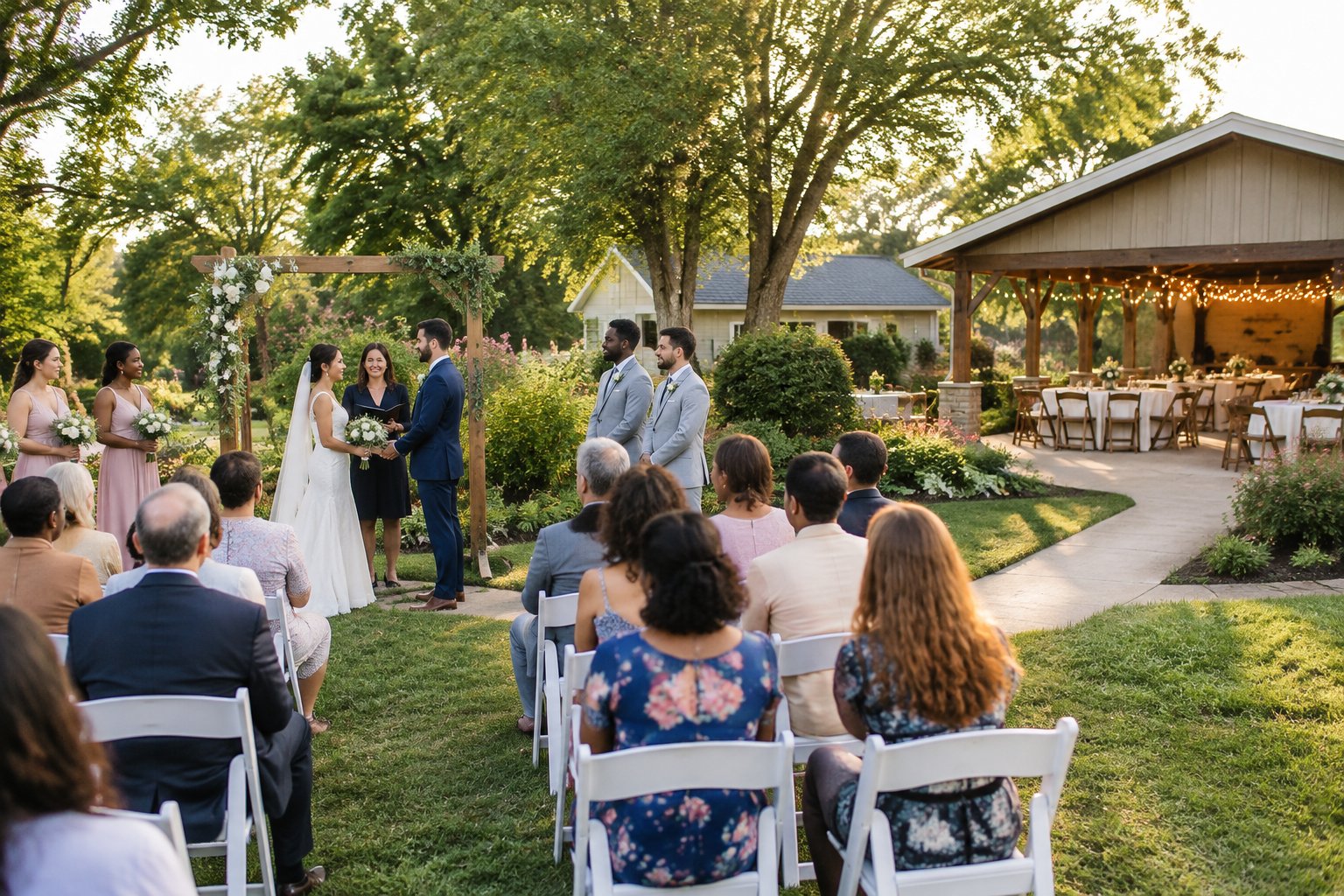
Backyard weddings give you control over the guest list, schedule, food, and decorations. A home wedding can suit an intimate wedding with a simple meal, rented tables, and borrowed décor.
Before choosing private property, inspect the space for parking, restrooms, power, lighting, accessibility, and noise limits. Ask the property owner or local authority about permits and event insurance. A backyard wedding may need tent rentals, portable restrooms, generators, and a weather backup, so include those costs in your estimate.
For more outdoor inspiration, browse these affordable outdoor wedding venues and simple outdoor wedding ideas.
Affordable Indoor and Community Venue Ideas
Indoor community spaces provide dependable weather protection and useful features at a lower cost than many traditional wedding halls. Look for rooms with flexible food rules, included furniture, parking, and enough time for setup.
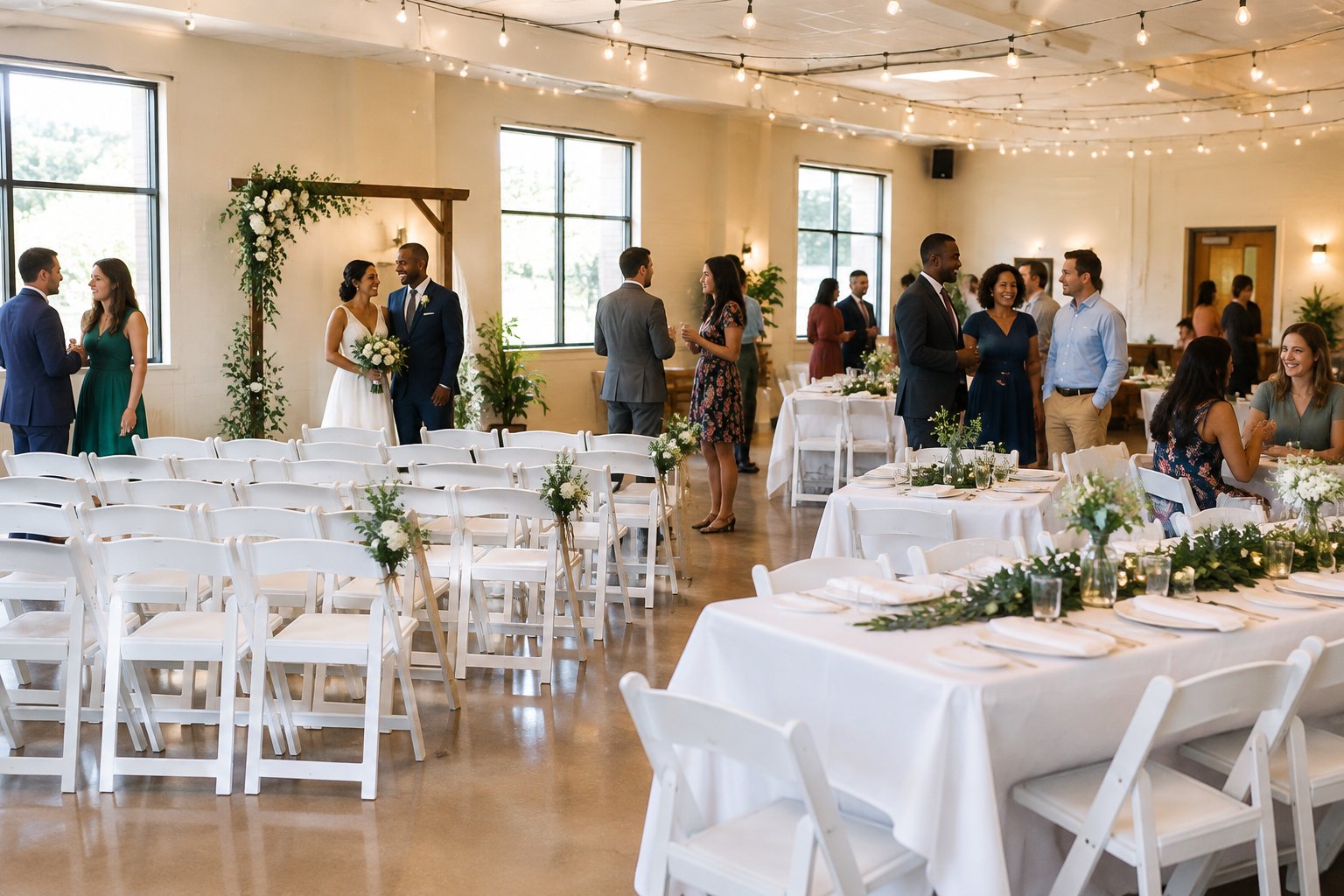
A modest room can feel polished with focused lighting, simple table settings, and a layout that keeps guests close to the dance floor or dinner area. Visit the space at the same time of day as your planned event so you can check light, noise, and access.
Community Centers and Schools
Community centers and schools may offer gymnasiums, cafeterias, multipurpose rooms, or auditoriums for private events. These spaces often support larger guest counts and provide restrooms, parking, tables, and kitchen areas.
Ask about floor protection, decorating limits, alcohol policies, security, and cleanup. A school or community center can work well for a buffet reception when you need open floor space and easy vendor access.
Libraries, Museums, and Art Galleries
Historic libraries bring architectural details, quiet rooms, and photo locations that reduce the need for décor. Local museums and art galleries provide built-in visual interest and conversation areas for a museum wedding venue.
Check display restrictions, guest capacity, food rules, closing times, and protection requirements for exhibits or artwork. Some spaces limit candles, confetti, music volume, or vendor access. A small guest list helps you use a distinctive room without paying for unused capacity.
Campus Chapels and Local Cultural Spaces
Campus chapels can provide an elegant ceremony setting, especially for alumni, students, faculty, or community members who qualify for preferred rates. Nearby cultural spaces may include theaters, historical buildings, arts centers, and neighborhood halls.
Ask about ceremony-only bookings, reception policies, organ or sound-system fees, and parking. If the chapel does not host receptions, select a nearby restaurant or community room to reduce guest travel.
Coffee Shops and Small Private Rooms
Coffee shops, cafés, restaurants, and small private rooms suit relaxed celebrations with limited guests. A brunch, afternoon meal, or dessert reception can fit the space and reduce the service time.
Ask whether the venue offers a food-and-beverage minimum, private-room fee, staffing charge, or limited menu. Confirm the room’s seating plan, music rules, accessibility, and end time. A private dining room can provide tables, service, food, and cleanup in one agreement.
Explore more affordable indoor wedding venues when weather protection and included amenities are priorities.
Simple Ceremony-First Options With a Separate Reception
A courthouse or city hall ceremony followed by a small reception gives you a low-cost way to complete the legal ceremony and focus your larger budget on the celebration.
This approach works well for an intimate wedding, weekday wedding, or celebration with different guest groups. You can hold the legal ceremony with a few witnesses, then plan a meal, party, or larger gathering on a separate date.
Courthouse and City Hall Ceremonies
Courthouse weddings and city hall ceremonies usually require an appointment, identification, a marriage license, and an officiant authorized by the local jurisdiction. Guest rules vary by office, so confirm the room capacity before inviting family members.
Ask about ceremony fees, available appointment times, witness requirements, photography rules, and accessibility. A weekday appointment may provide more scheduling choices and leave your weekend open for a reception.
How to Plan a Reception After a Civil Ceremony
Choose the reception format first: restaurant dinner, backyard meal, community hall party, picnic, or private-room gathering. Send invitations that clearly state whether you are already married or will marry privately before the reception.
A separate reception lets you reserve a smaller space for a shorter period. You can also direct funds toward food, photography, music, or guest comfort. Plan transportation between locations when the ceremony and reception happen on the same day, and give guests clear timing details.
Marriage License, Guest Limits, and Appointment Timing
Marriage license rules differ by state and county. Check the issuing office for application requirements, fees, waiting periods, expiration dates, and acceptable identification. Your ceremony appointment does not replace the license process.
Confirm the courthouse guest limit, check-in time, security rules, and rescheduling policy. If the office allows only a few guests, invite close family to the civil ceremony and welcome a larger group at the reception. Review civil wedding ideas for ways to add personal touches without expanding the ceremony budget.
How to Keep a DIY Venue From Exceeding Your Budget
A DIY wedding venue stays affordable when you price every rental, service, permit, and backup before committing to the space.
List each item by category and assign one person to confirm delivery, setup, and pickup. Compare the DIY total with wedding packages and budget-friendly wedding venues that already include furniture, staffing, and cleanup.
Rentals, Lighting, and Weather Backup Costs
A DIY venue may require tables, chairs, linens, dishes, serving equipment, heaters, fans, tents, and dance-floor panels. String lights add warmth, though installation may require approved mounting methods, ladders, labor, or electrical access.
Outdoor events also need a weather plan. Price tent rentals, sidewalls, flooring, fans, heaters, and extra lighting before you sign the contract. Ask whether the site has enough outlets. Generator rentals, delivery fees, fuel, and a technician can raise the cost quickly.
Portable restrooms are another common expense for parks, fields, and private property. Request quotes that include delivery, servicing, and pickup.
Permits, Event Insurance, and Venue Rules
Contact the city, county, park office, or property owner about permits for guests, food service, alcohol, music, tents, and temporary structures. Some venues require event insurance with specific coverage limits or named parties.
Read the venue rules before buying décor or booking vendors. Check end times, noise limits, open-flame policies, trash removal, parking, accessibility, and cleanup standards. Keep copies of permits, insurance documents, contracts, and vendor contacts in one shared folder.
When a Wedding Planner or Package Offers Better Value
A planner or coordinator can save money when the venue has many moving parts, strict rules, or several delivery teams. Their value comes from timeline control, vendor communication, setup supervision, and problem-solving during the event.
Compare the planner’s fee with the time and labor your group would provide. Also price wedding packages against each separate DIY service. A package that includes catering, tables, linens, staffing, and cleanup may produce a lower final bill than a room with a small rental fee and many add-ons.
Choose DIY for tasks you can manage without risking guest comfort. Hire help for power, restrooms, large tents, food safety, and day-of coordination.