
Cost of Wedding Photography and Videography Explained
The cost of wedding photography and videography in the United States commonly falls between $5,000 and $10,000 combined, with photography often costing about $2,500 to $5,500 and videography ranging from roughly $2,000 to $6,500. Your final quote reflects coverage time, crew size, editing, location, and the films or images you receive.
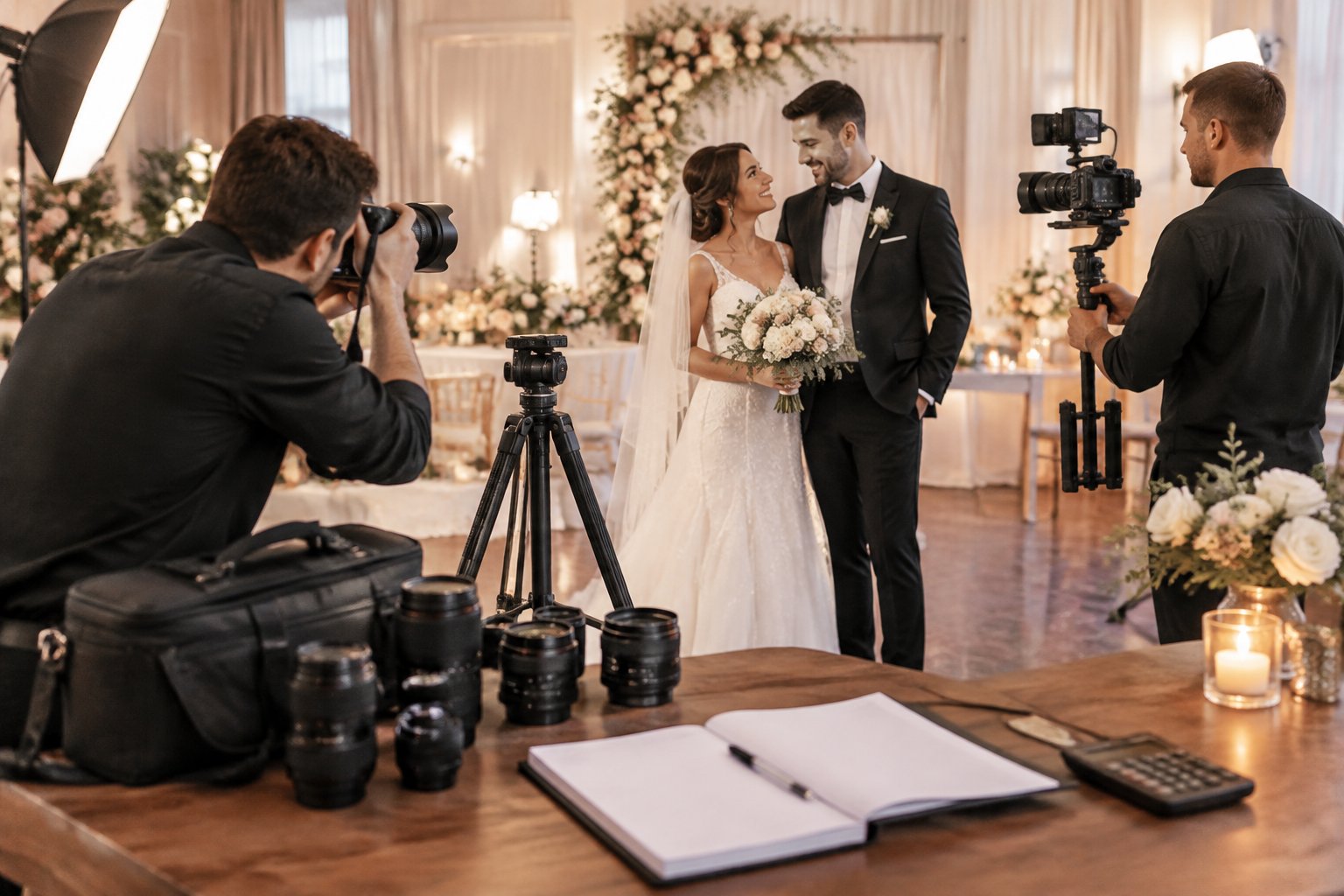
A wedding photographer preserves the details and emotions you see in still frames. A videographer adds movement, voices, music, and moments you may have missed. Together, they become one of the larger parts of your wedding budget, so knowing what you value before requesting quotes helps you spend with purpose.
Start by deciding which memories you want preserved, then ask local professionals for packages that match your timeline. Comparing full deliverables and contract terms will help you choose coverage that feels right for your celebration and budget.
How Much Should Couples Budget for Photo and Video?
You should set aside about 10% to 15% of your wedding budget for photography and videography combined, with many couples spending approximately $5,000 to $10,000 for both services.

National figures provide a starting point, while your city, wedding schedule, team size, and package design shape the quote you receive. Build your budget around the moments you care about and confirm every included service before signing.
National Price Ranges and Why Averages Differ
The average wedding videographer cost varies across data sets. The Knot Real Weddings Study reports an average wedding videographer cost of about $2,300, while other 2026 pricing data places the national average near $3,993, with many couples spending between $3,200 and $4,800.
These figures measure different groups, markets, and package types. A four-hour wedding video with one camera costs less than an all-day production with multiple videographers, advanced audio, and several edited films.
Photography adds another major expense. A wedding photographer may charge about $2,500 to $5,500 for established full-day coverage, with higher prices in major cities and for highly sought-after portfolios. Entry-level and limited-hour services sit below that range, while luxury studios can charge much more.
What Percentage of a Wedding Budget Goes to Coverage
Allocate 10% to 15% of your wedding budget to wedding photography and videography when preserving visual memories ranks high on your priority list. For a $50,000 wedding, that creates a combined target of $5,000 to $7,500.
The Zola Wedding Cost Index places videography near 8% of the total wedding budget. Your combined percentage rises when you add a photographer, extra coverage, albums, drone footage, or a second shooter.
Set the amount before reviewing packages. This keeps a beautiful portfolio from pushing other essential costs off your planning list.
Photography, Videography, and Combined Package Costs
Photography and videography serve different purposes, so pricing each service separately helps you compare value:
- Photography: About $2,500 to $5,500 for many full-day professional packages.
- Videography: About $2,000 to $6,500, depending on film length, crew, and editing.
- Combined coverage: About $5,000 to $10,000 for many established teams, with luxury services above that range.
A bundled package may reduce travel, coordination, or service fees when one company provides both. Review the work of the actual photographer and videographer assigned to your wedding, then confirm whether both services receive equal attention during key moments.
What Is Included at Each Investment Level?
Basic wedding videography packages focus on essential coverage and a short highlight film, while premium packages add more hours, crew members, audio sources, and finished films.
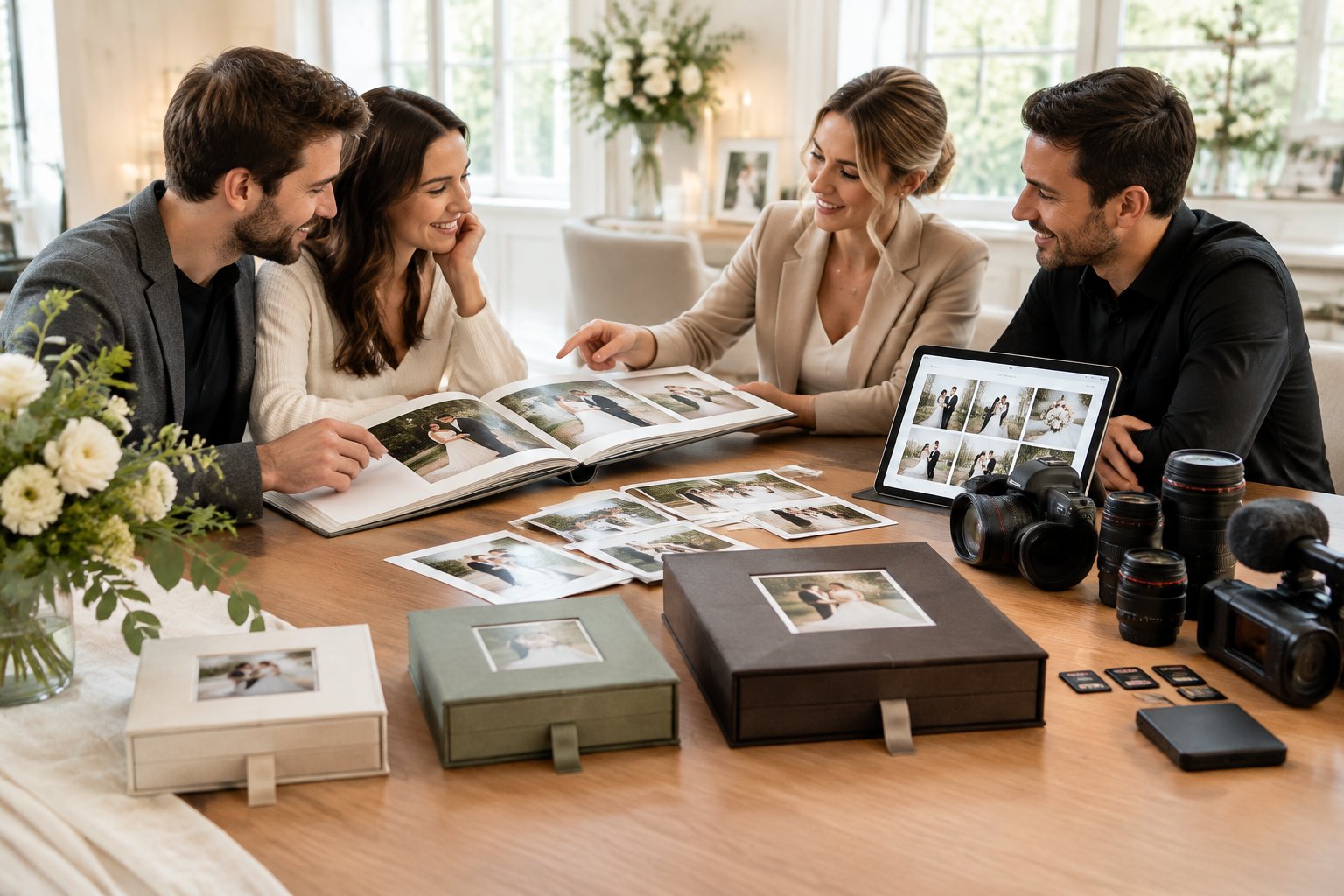
Your price should match the amount of filming, editing, and delivery you want. Ask for sample films created at each package level and confirm the exact runtime, delivery date, revision policy, and music rights.
Basic Coverage and Highlight Film Packages
A basic package may include four to six hours with one videographer. Coverage often starts before the ceremony or begins at the ceremony itself, depending on your schedule.
The main deliverable is a three- to five-minute highlight film. It may include vows, reactions, portraits, dancing, and selected audio from speeches. Simple editing and digital delivery keep wedding videography pricing accessible.
Check whether the package includes:
- Separate microphone recordings
- Full ceremony audio
- A defined delivery timeline
- Licensed music
- Raw footage access
- Overtime rates
A short film works well when you want the emotional feel of the day without a long documentary edit.
Standard Packages With Ceremony and Reception Edits
Standard packages often provide six to eight hours of coverage, one or two videographers, and more complete storytelling. You may receive a highlight film plus a ceremony film or reception edit with longer sections of vows and speeches.
Professional audio capture becomes more important at this level. Ask whether the videographer records the officiant, couple, readers, DJ, and speakers through separate sources. Color correction, cleaner transitions, and stronger story structure also add value.
Some wedding videography packages include a second shooter, drone footage, faster delivery, or multiple digital versions. Each item should appear in the contract with a clear description.
Premium Cinematic Wedding Film Packages
Premium packages may include eight to twelve hours of coverage, multiple videographers, cinema cameras, stabilizers, detailed audio recording, and extensive post-production editing.
A cinematic wedding film uses intentional pacing, carefully selected audio, color grading, licensed music, and a strong beginning-to-end story. You may receive a five- to ten-minute highlight film, a longer feature edit, full ceremony coverage, and social clips.
Ask who will lead the production and whether the portfolio shows the same style promised in your proposal. Premium pricing pays for planning and creative labor before and after your wedding day, not only the hours spent filming.
Full Wedding Films vs. Short-Form Deliverables
A highlight film gives you a polished emotional summary. A full-length wedding film preserves longer portions of your vows, speeches, first dance, and reception.
Choose a full wedding film when hearing complete voices and conversations holds high value for you. Choose short-form deliverables when quick sharing and a compact story fit your habits.
Clarify the language used in the package. “Full ceremony coverage” may mean a continuous edit of the ceremony, while “full wedding film” may include ceremony, speeches, preparations, and reception events. Confirm runtime, camera angles, audio sources, and whether licensed music is included.
What Drives the Final Quote?
Coverage hours, crew size, location, experience, equipment, and post-production editing create most of the difference between a low and high wedding videographer quote.
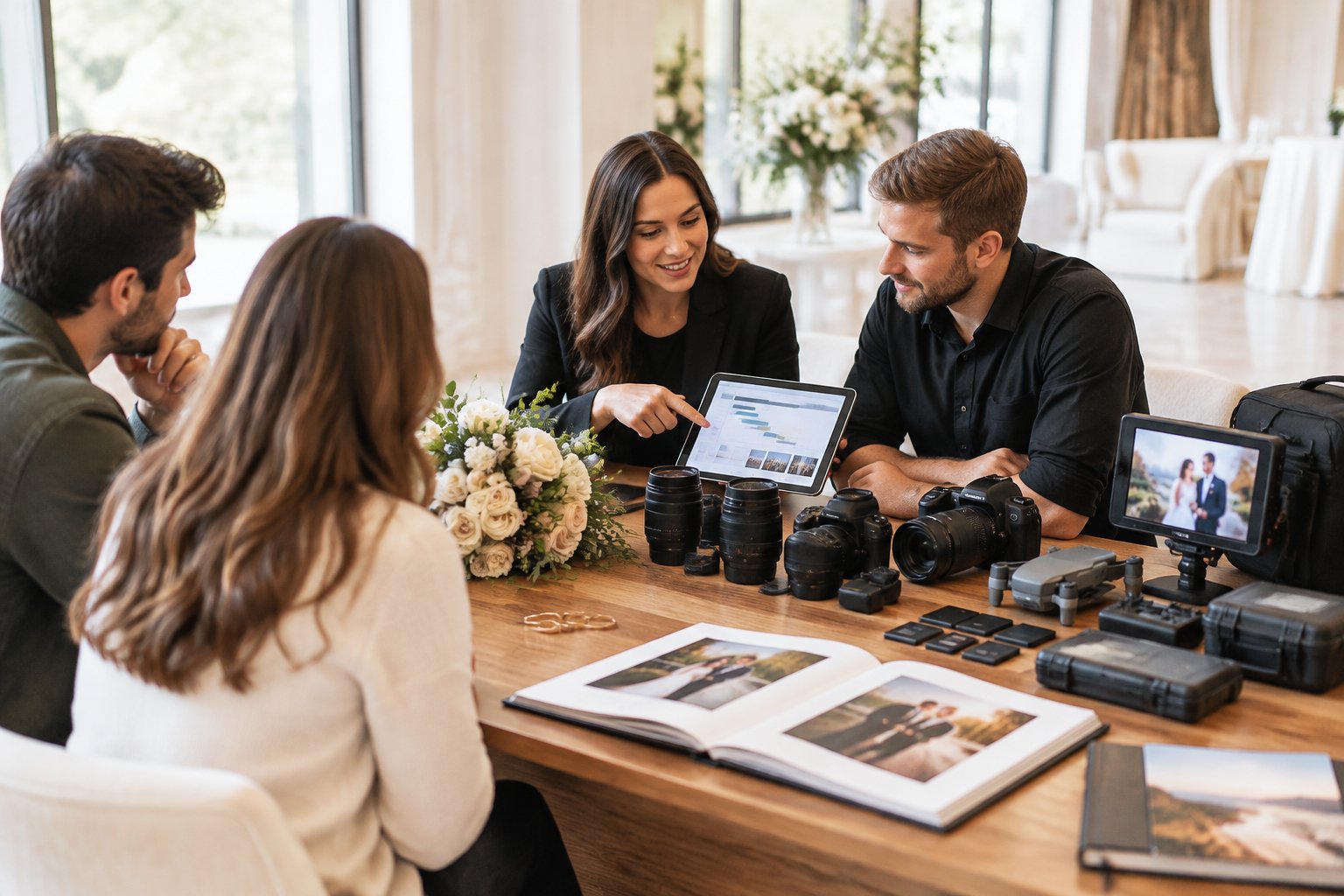
A quote reflects work before, during, and after the wedding. Comparing only the hourly rate hides editing time, travel, insurance, equipment costs, and the quality of the finished films.
Coverage Hours and Wedding Videographer Cost per Hour
Wedding videographer rates may be packaged by time blocks or quoted as a flat collection of services. Extra coverage often costs about $200 to $400 per hour, depending on the market and package.
Four hours might capture the ceremony, portraits, and part of the reception. Eight to ten hours can include preparation, first looks, ceremony, dinner, speeches, dancing, and the exit.
Plan your timeline before choosing coverage. Gaps between venues, long transportation periods, and late receptions may require additional paid hours. Ask when the clock starts, whether setup counts, and how overtime is billed.
Solo Videographer vs. Multiple Videographers
A solo videographer keeps the team small and the price lower. Single-camera coverage works well for a simple timeline with one main location and limited simultaneous activity.
A second videographer adds another viewpoint during the processional, ceremony, portraits, and reception. Multiple videographers can cover the couple and guests at the same time, capture wider room views, and provide more editing options.
Crew size should match your schedule. A large wedding with separate preparation locations and a packed reception benefits from additional coverage. A compact celebration may fit a solo videographer with careful planning.
Location, Travel, and Peak Wedding Season
Your wedding location affects rates through local demand, operating costs, venue access, and travel distance. The wedding videographer cost by region is often higher in major metropolitan areas than in smaller markets.
Travel quotes may include mileage, flights, lodging, meals, parking, permits, or equipment transport. Ask for a complete travel estimate before booking a professional from outside your area.
Peak wedding season and popular Saturdays can also raise demand. A Friday, Sunday, weekday, or off-season date gives you more opportunities to find available professionals and request a lower package rate.
Experience, Portfolio Quality, and Equipment
Experience influences how a videographer handles changing light, crowded spaces, difficult audio, and fast-moving schedules. Portfolio quality shows how that skill appears in finished work.
Cinema cameras, stabilizers, wireless microphones, backup recording devices, and lighting equipment support a higher production level. Ask which equipment is used for vows and speeches, and whether the team carries backup cameras and audio devices.
Review complete films when possible. A short montage may show attractive shots without revealing how the professional handles ceremony sound, reception lighting, or long speeches.
Why Post-Production Editing Matters
Post-production editing often takes more time than filming. Your videographer sorts footage, syncs audio, builds a story, corrects color, mixes music and voices, and exports the final files.
Color grading gives scenes a consistent look. Audio mixing balances vows, speeches, music, and room sound. Music licensing gives you permission to use selected tracks in the finished film.
Ask how many revision rounds are included, when delivery is expected, and whether rush editing has a fee. These details explain a large part of wedding videographer pricing.
Which Add-Ons Are Worth Paying For?
Prioritize add-ons that preserve moments you cannot recreate, especially reliable audio, additional coverage for a complex timeline, and full edits of vows or speeches.
Extras should support the way you plan to remember and share your wedding. Ask what each option adds to the final story, then compare its price with the moments it protects.
Drone Footage and Venue Restrictions
Drone footage creates wide views of a venue, landscape, or outdoor ceremony. It adds value when the setting is a major part of your wedding story.
Your venue, local rules, weather, guest safety, and airspace restrictions determine whether a drone can fly. Some locations require permits or prohibit drones near airports, parks, historic sites, or crowded areas.
Confirm who handles permissions and whether a licensed drone operator is included. A drone add-on has limited value when weather or venue rules make flight uncertain.
Same-Day Edits and Social-Ready Clips
A same-day edit gives you a short film to show during the reception. It requires filming, rapid editing, music selection, audio work, and careful coordination on the wedding day.
Choose this add-on when your reception schedule includes time for a screening and you value an immediate shared experience. Social-ready clips suit couples who want vertical videos for quick posting after the event.
Ask how many clips you receive, their length, aspect ratio, delivery time, and music rights. A fast delivery schedule may require a dedicated editor or an additional team member.
Rehearsal Dinner and Engagement Coverage
Rehearsal dinner coverage records welcome speeches, family stories, and informal moments before the wedding. It helps when relatives who cannot attend the main celebration will be present that evening.
Engagement sessions give you a chance to become comfortable with the camera and create images or clips for invitations and announcements. Engagement sessions also help your photographer learn how you move and interact.
Compare the add-on price with travel, hours, editing, and final deliverables. A short session may meet your needs without adding a full extra event.
Wedding Content Creator vs. Professional Videographer
A wedding content creator focuses on quick, informal phone footage and social-ready clips. A professional videographer creates a planned film with cinema cameras, controlled audio, color grading, and structured post-production editing.
Content creators suit couples who want behind-the-scenes moments delivered quickly. A professional videographer suits couples who want vows, speeches, movement, and family voices preserved in a polished film.
You can hire both when immediate social content and a long-term wedding film serve different goals. Define their filming areas in advance so the teams work smoothly around one another.
How to Compare Photography and Videography Quotes
Compare quotes by coverage, assigned team, deliverables, audio, editing, music rights, delivery time, and contract terms instead of comparing the total price alone.
Ask each professional to quote the same timeline and moments. A lower price may include fewer hours, one team member, a shorter film, or fewer editing services.
Questions to Ask Before Signing a Contract
Ask these questions before you reserve your date:
- Who will photograph and film the wedding?
- How many hours are included?
- When does coverage begin and end?
- What happens if the schedule runs late?
- Is a second shooter or second videographer included?
- What films, galleries, albums, or digital files will you receive?
- Is raw footage available?
- How many revisions are included?
- What are the delivery deadlines?
- What happens if the assigned professional becomes unavailable?
- Are travel, meals, parking, permits, and taxes included?
Make sure the contract names the date, location, payment schedule, cancellation terms, backup plan, and ownership or usage rights.
How to Evaluate Audio, Editing, and Delivery
Watch complete sample films with sound on. Listen for clear vows, balanced speeches, natural room sound, and music that supports the story without covering voices.
Look for consistent color grading across indoor, outdoor, daylight, and reception scenes. Check whether the editing feels smooth and whether the film includes meaningful moments beyond a fast sequence of highlights.
Confirm delivery format, download access, storage period, file resolution, and backup recommendations. Ask whether licensed music covers online sharing and social media use.
When Bundling Services Can Save Money
A combined wedding photography and videography package may lower coordination costs or include a discount. One company can also simplify planning, questionnaires, timelines, and communication.
Review each service on its own before choosing a bundle. Confirm that the photographer and videographer have strong individual portfolio quality and that both are present for the moments you care about.
A bundle offers value when the team works well together and the contract lists complete photo and video deliverables. Compare the bundled quote with separate quotes using the same hours and services.
Ways to Save Without Missing the Moments That Matter
You can reduce wedding videography cost by shortening coverage, choosing a smaller team, booking an off-peak date, and removing extras that do not support your priorities.
Your wedding budget should protect the moments you will want to revisit. Start with vows, speeches, family reactions, first dances, and any cultural traditions that deserve a lasting record.
Prioritize the Parts of the Day You Want Recorded
List the moments you want in your final film before choosing hours. Ceremony coverage preserves vows, readings, and reactions. Reception coverage records speeches, dances, dinner traditions, and the energy of the celebration.
If preparation footage ranks low, begin coverage later. If the exit has little importance, end after the main reception events. A well-planned timeline lets a solo videographer capture key moments within fewer paid hours.
Full ceremony coverage may offer more lasting value than several extra highlight shots. Choose a highlight film when a short emotional edit fits your needs and budget.
Choose a Smaller Team With Realistic Expectations
A solo videographer or single-camera coverage can reduce the quote for a straightforward wedding. Share your timeline and venue layout so the professional can explain which moments require another camera or person.
A second shooter earns its cost when preparation happens in separate places, events overlap, or you want multiple reactions during the ceremony. Removing that role works best when your schedule leaves one clear subject at a time.
Set expectations about missed angles and simultaneous events before booking. A smaller team needs a practical plan for movement, audio, and room access.
Book Strategically and Avoid Unnecessary Extras
Ask about Sunday, weekday, morning, and off-season dates. Local professionals may also reduce travel costs when your venue sits within their service area.
Booking early gives you more choice among available packages. Digital delivery may cost less than custom boxes, drives, or printed materials.
Remove drone footage, same-day edits, rush delivery, or raw footage when those features do not fit your plans. Request a clear quote with every fee listed.
Compare the final deliverables and coverage hours, then reserve the professional whose work fits your priorities and wedding budget.