
Do 50 Guests Include Bride and Groom? Understanding Your Wedding Guest Count
Planning a wedding can be exciting, but it also comes with many questions. One common concern is how to count your guests accurately. When counting the total number of attendees, the bride and groom are typically included in the guest count. Understanding this helps you and your families make thoughtful decisions about who to invite.
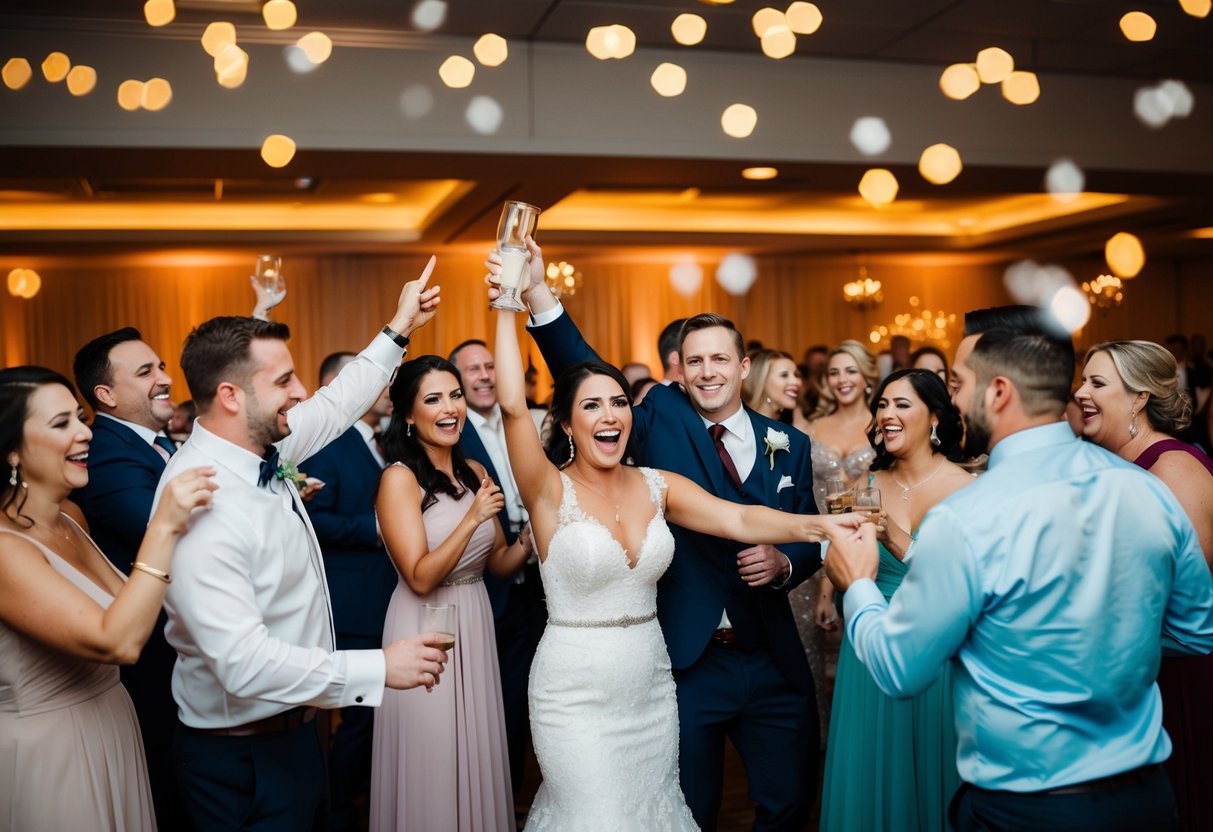
As you create your guest list, keep in mind that this headcount affects various aspects of your big day, from the seating chart to catering arrangements. Knowing that both you and your partner count in that total can guide you through the decision-making process.
Navigating the guest list can bring up feelings of joy and sometimes a bit of stress. You want to ensure that your special day is surrounded by the people who mean the most to you. This article will help clarify these details so you can focus on what truly matters as you prepare for your wedding.
Understanding Guest Count: Does It Include the Bride and Groom?
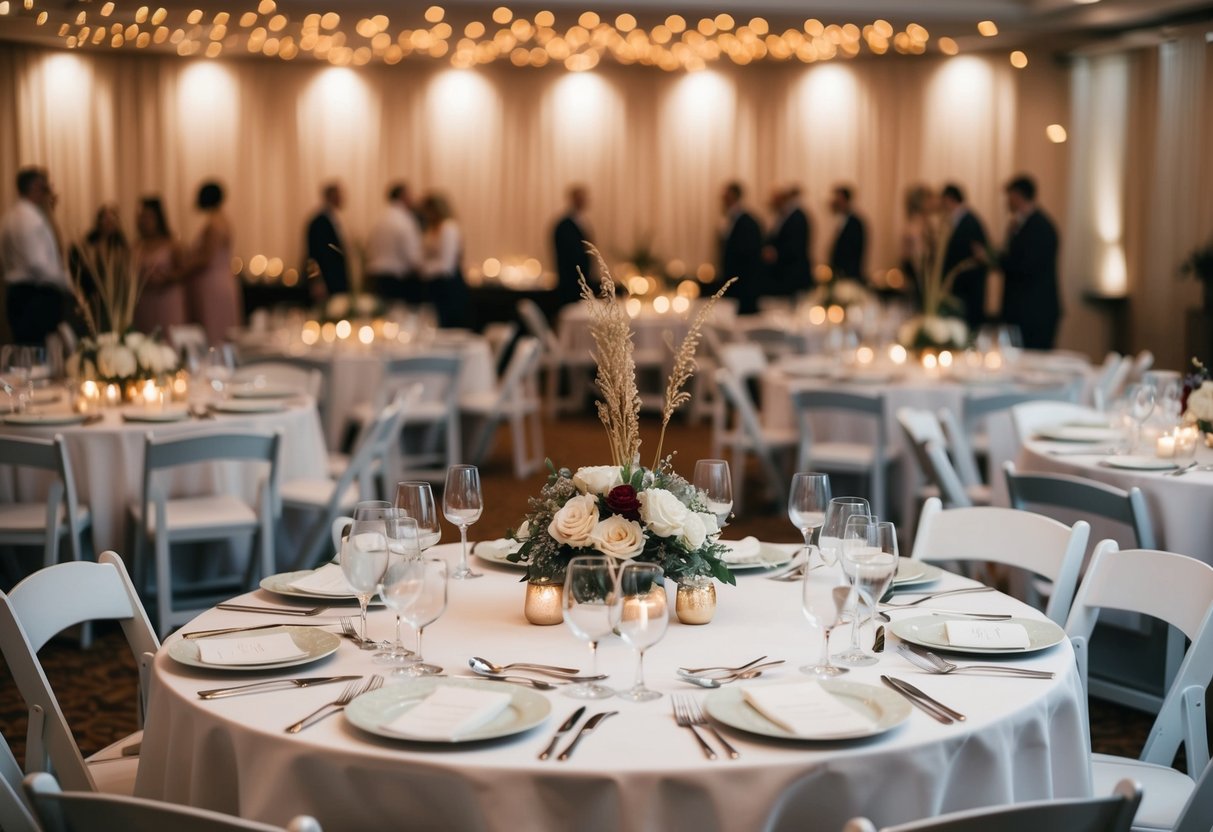
When planning your wedding, knowing whether to include the bride and groom in the guest count is essential. This affects everything from seating charts to catering needs. Let’s explore how to define your total guest number and the etiquette that guides this decision.
Defining the Total Number
To start, you need to determine your total guest count. Many venues and caterers include the bride and groom in this number. This is important because they are part of the wedding celebration.
If you plan to have 50 guests, remember that this typically includes you and your partner. So, the count would actually be 48 additional guests. Keeping an accurate count makes it easier to arrange seating and plan meals.
Wedding Etiquette for Counting the Couple
Wedding etiquette suggests that the bride and groom should be included in the guest count. This includes both the ceremony and the reception.
Not counting yourselves may confuse catering services. Including yourselves helps ensure everyone is fed. Plus, it gives a clear picture of the event size, which is helpful for seating arrangements.
If you or your family are handling the guest list, make sure to communicate clearly about the total count. This keeps everything organized and your venue informed.
Deciphering the Wedding Guest List
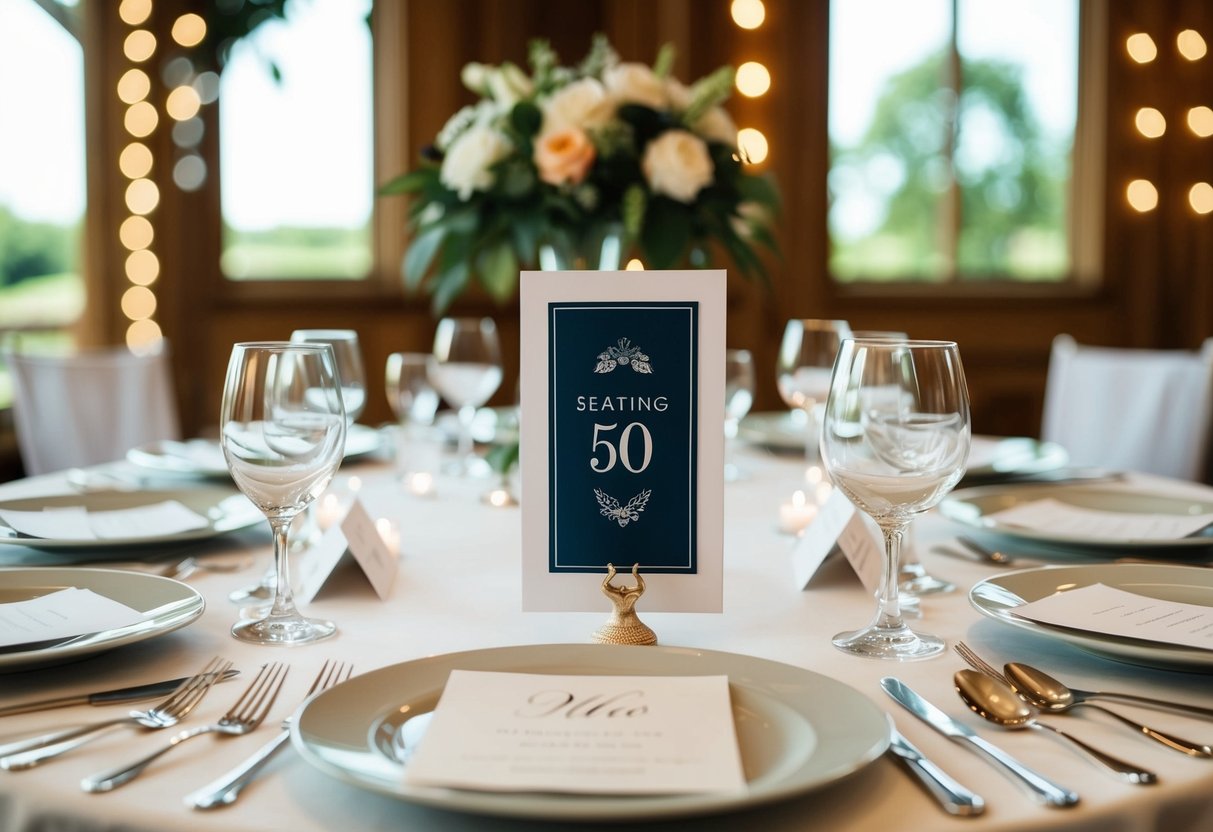
Creating a wedding guest list requires careful thought. You want to balance your desired number of guests with the need to include everyone important in your life. Consider your guest list rules, how to achieve an accurate final headcount, and the mix of local and out-of-town guests.
Creating Your Guest List Rules
Start by setting clear rules for your guest list. Decide who gets an invite based on categories like immediate family and close friends. This helps you prioritize who should be included.
Make a list of potential guests. You might include:
- Parents and siblings
- Grandparents
- Best friends
- Close relatives
Consider how you will handle plus-ones. Some prefer to give plus-ones to couples, while others limit it to very close friends. Make sure you’re comfortable with your choices.
Calculating Your Final Headcount
Once you have your initial list, it’s time to calculate the final headcount. Remember to count yourself and your partner in the total. If you’re planning for 50 guests, that means you have 48 additional invites.
When sending out your save the date cards, make it clear how many people each family can bring. This way, guests understand your rules and can RSVP accurately.
Keep track of who has confirmed. A simple spreadsheet can help ensure you don’t lose track of anyone. Also, leave some space for any last-minute guests, just in case.
Balancing Local Guests and Out-of-Town Guests
Creating a good mix of local and out-of-town guests is important. Local guests can easily attend and might appreciate fewer travel costs.
Out-of-town guests, on the other hand, may need more notice for travel. You can group them together in your guest list to see how many will join.
Consider your venue’s size and capacity when balancing guests. This ensures comfort and enjoyment for everyone. If you notice you have too many local guests, you might need to adjust your invites accordingly to stay within your total headcount goal.
Seating Arrangements for an Intimate Gathering
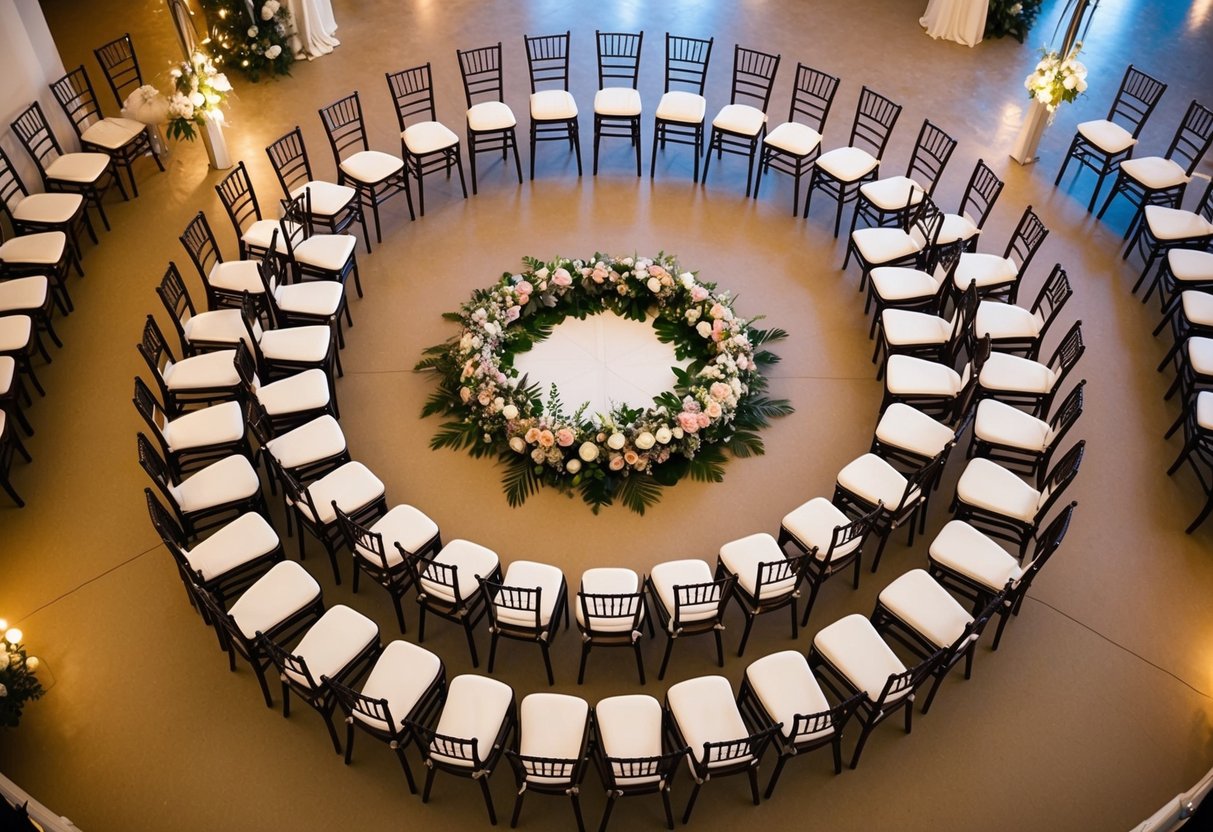
Seating arrangements for a small or intimate wedding play a vital role in creating a warm atmosphere. Careful planning ensures that guests are comfortable and enjoy their time together.
Crafting the Wedding Seating Chart
When creating your wedding seating chart, start by listing all your guests. This helps you visualize who will sit where. You can use a simple table format to organize this information.
For a small wedding, consider assigning guests to tables with a maximum of eight people each. This allows for good conversation without feeling crowded. You might want to sit family members together, as well as close friends who haven’t met often.
Use color coding to indicate relationships or groupings. For instance, use one color for family and another for friends. This method keeps the chart clear and easy to read.
Include yourself and your partner on the seating chart. Your presence is essential for guiding the flow of the gathering. This attention to detail will help create a cozy and inviting atmosphere for your intimate celebration.
Wedding Size and Planning Essentials

Deciding on the size of your wedding is crucial for effective planning. It influences everything from guest lists to budgeting for food and drink. Here are some essential aspects to keep in mind as you determine your wedding size.
Determining Wedding Size with Your Partner
Start by having an open conversation with your partner. Discuss your vision for the day. Do you want a grand celebration or a more intimate gathering?
Make a list of must-invite guests. This list will help you gauge wedding size. Consider family, close friends, and any colleagues who should be included. Don’t forget to discuss the bridal party and any significant plus-ones.
Once you have a rough guest list, think about your venue options. Some locations have specific capacity limits. This may affect how many people you can invite.
Inclusive Planning for Bridal and Wedding Parties
When planning your wedding, remember to include the bride and groom in the guest count. Often, venues and caterers count the couple as part of the total headcount. This approach is essential for accurate planning.
Decide who will be part of your bridal and wedding parties. These individuals hold special roles in your ceremony and celebration. Include their names in your guest list to better calculate your total.
Communicate with your bridal party about their roles. Make sure they know what is expected of them. This inclusion fosters teamwork and makes planning smoother.
Allocating Budget Per Person for Food and Drink
Food and drink are a major part of your wedding budget. You can determine how much you can spend per person by dividing your total budget by your estimated number of guests, including the bride and groom.
Ask your caterer for per-person costs. This number may vary based on your choices—like appetizers, main courses, and beverages.
Consider selecting a buffet style for a more budget-friendly option. This approach may allow you to offer a wider variety of foods while keeping costs manageable.
Make a list of all food and drink items you want and their estimated costs. This plan helps you stay within budget. Adjust your guest list and choices as needed to align with your financial goals.