
Do Bridesmaids Come Before or After the Bride? A Guide to Wedding Processions
Thinking about the wedding day can bring a rush of excitement and anticipation. You might wonder about the special moment when the bride makes her grand entrance. Typically, bridesmaids walk down the aisle before the bride, creating an emotional build-up that sets the stage for her arrival.
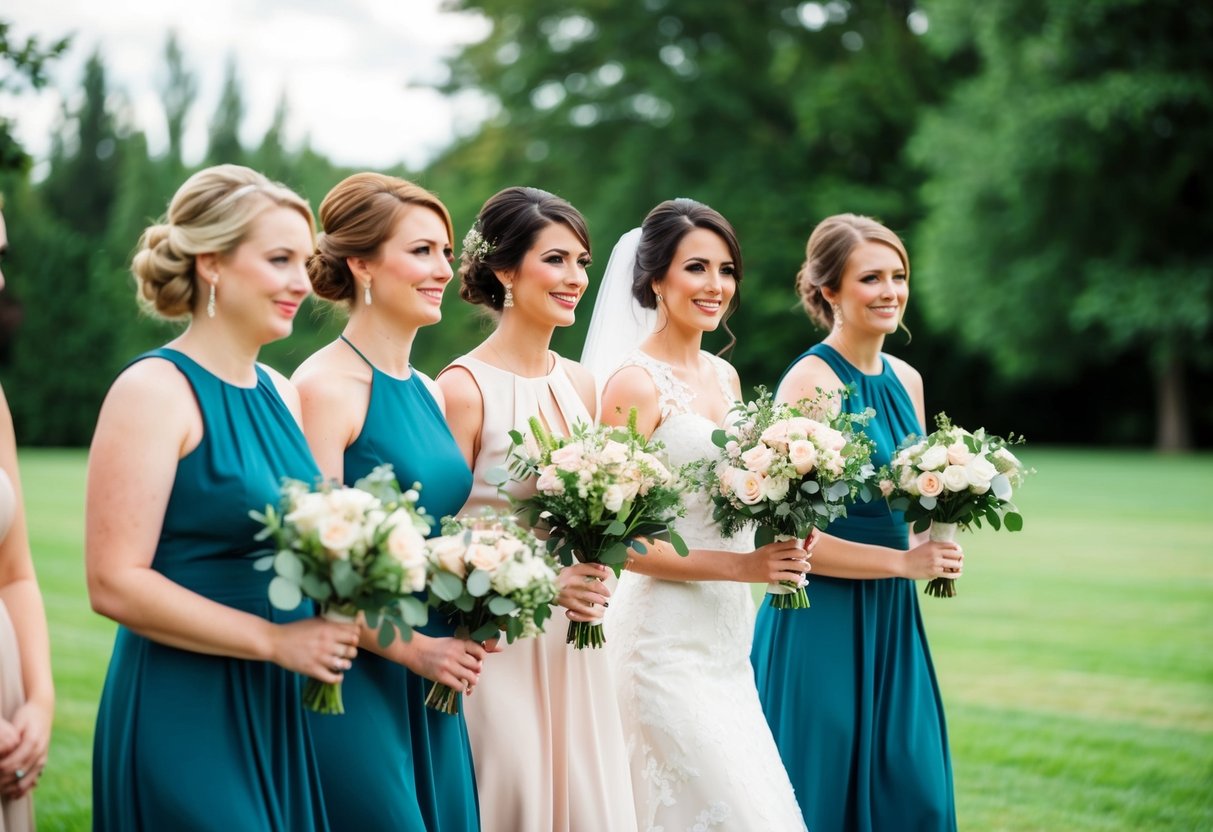
As you plan your ceremony, consider how the order of the procession can enhance the atmosphere. Seeing the bridesmaids come first allows guests to soak in the joy and celebration, leaving everyone eagerly awaiting the bride. Each step taken by the bridal party adds to the magic of the moment, making it unforgettable for you and your loved ones.
Understanding this order can help you create your own memorable experience. You can choose to follow traditional paths or personalize the flow to fit your style. Whatever you decide, knowing that bridesmaids usually come before the bride helps you plan for those emotional moments you want to cherish forever.
The Traditional Wedding Processional Order
The wedding processional order sets the stage for the ceremony, detailing who walks in what sequence. This structure holds special significance in traditional weddings and varies across cultures.
Roles in the Processional
In a traditional Christian wedding, the order typically begins with the officiant, often a pastor or minister, followed by the groom and best man. Next, the groomsmen enter, usually escorting the bridesmaids. Following the bridal party, the maid or matron of honor walks down the aisle, leading to the bride’s big entrance.
The flower girl typically walks just before the bride, often scattering petals. Lastly, the ring bearer follows, holding the rings on a pillow. This order creates a meaningful moment as each person plays a key role in the ceremony.
Variations Across Cultures
Different cultures may have distinct processionals. For example, in a Jewish wedding, the ceremony often takes place under a chuppah, where both sets of parents may join the couple. The processional here might include family members in a more prominent role.
While traditional roles are common, couples may choose to personalize their orders. Some may opt to have the flower girl open the way or let the bridesmaids enter after them. This flexibility allows for a unique experience that reflects your vision for the day.
Ceremony Preparation and Anticipation
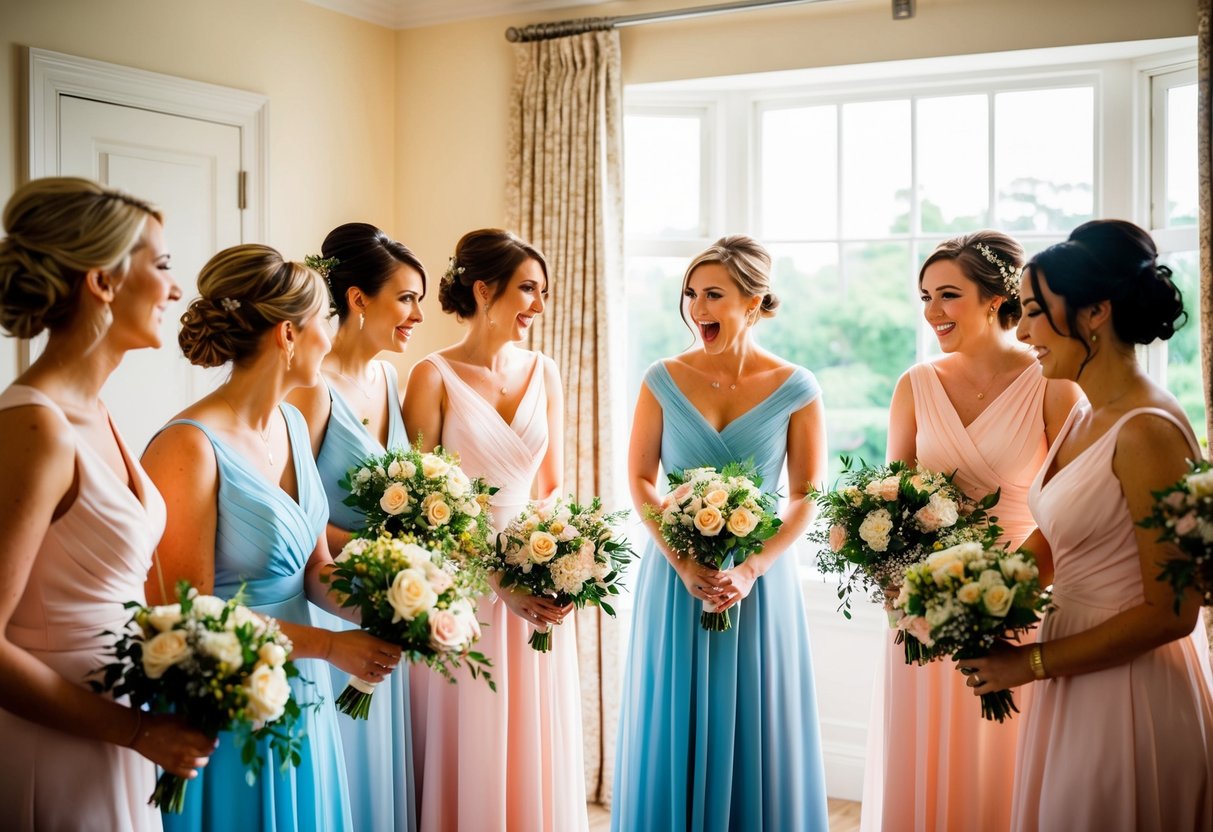
When planning your wedding ceremony, the order of walking can create a sense of excitement. Understanding how to arrange the bridal party and making your grand entrance are key elements to consider.
Arranging the Bridal Party
To set the stage for the ceremony, you need to arrange the bridal party thoughtfully. Typically, the bridal party walks down the aisle in a specific order. The flower girls and page boys often lead, scattering petals for a charming touch.
Next, come the bridesmaids, with the maid of honor walking closest to you. This order highlights the main event—your arrival. You, along with your father, or another significant person, usually walk last. This arrangement builds anticipation for everyone in attendance.
Family members, such as your mother and grandparents, can also play important roles in the procession, perhaps walking down the aisle before the bridal party. Each person’s role adds a personal touch to the day.
The Bride’s Grand Entrance
Your grand entrance is a moment everyone will remember. As you walk down the aisle, eyes will be on you, creating a powerful experience. The music plays a crucial role here; it should reflect your personality and set the mood.
During this moment, your father or another loved one may accompany you. This tradition symbolizes your support as you transition into this new chapter.
The thrill you create with this entrance magnifies the joy of the occasion. The audience will feel the anticipation build, making your arrival more special.
Walking Down the Aisle
The process of walking down the aisle is a key part of the wedding ceremony. It sets the tone for the event and brings attention to the couple. Both tradition and personal preferences can influence how this moment unfolds.
The Role of the Officiant
The officiant plays a crucial role during the ceremony. They usually wait at the altar while guests take their seats. Once everyone is seated, the officiant may begin with opening remarks. This often includes a welcome message and an overview of the ceremony.
After the officiant’s introduction, the procession begins. Typically, the officiant is the last to enter before the wedding party. They help guide everyone through the event. By framing the ceremony, the officiant ensures everything runs smoothly. This is a time for the couple to connect and embrace their commitment.
Couples’ Personal Preferences
Your preferences can significantly shape how the aisle walk looks. You may choose a traditional order or opt for a unique twist. For example, bridesmaids can walk down the aisle before the bride in a classic setup. Some couples prefer modern styles, like having the bridal party enter together.
Consider the layout of your ceremony venue when making these choices. Depending on space and your vision, the order of procession can vary. You could have groomsmen enter first or decide to have the bride walk with her father. Ultimately, this part of the ceremony reflects your style and relationship.
Post-Ceremony: The Recessional
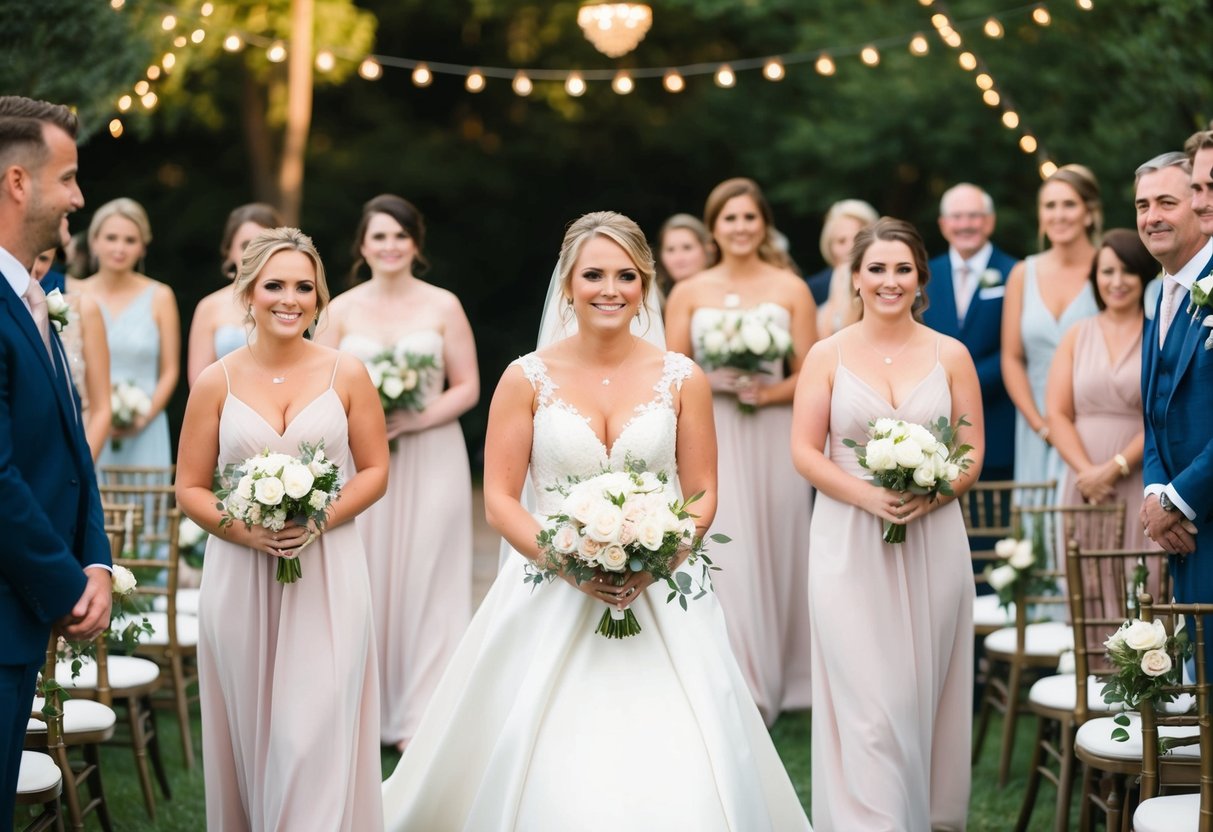
After the wedding ceremony, the recessional is the moment everyone looks forward to as you exit the ceremony venue. This is a joyful time for the newlyweds and their wedding party to celebrate their union.
Exiting the Ceremony Venue
During the recessional, the order in which people exit is important. The bride and groom lead the way first. This is a special moment as you walk down the aisle together for the first time as a married couple.
Following you, the flower girl and ring bearer leave, adding a sweet touch to the celebration.
Next come the maid of honor and best man, followed by the bridesmaids and groomsmen.
After the wedding party, the parents of the bride and groom exit.
Finally, guests are invited to leave, moving on to the cocktail hour or reception. This organized structure ensures a smooth and memorable exit for everyone involved.