
Do Bridesmaids Pay for Themselves? Understanding Expectations and Costs
Being asked to be a bridesmaid is an honor, but it often comes with financial responsibilities. Typically, bridesmaids pay for their own dresses and accessories, along with other expenses like hair and makeup. This can add up quickly, so it’s important for you to know what costs you might be facing.

As part of your role, you’ll want to support the bride and help with her special day. However, every bride has different expectations about what she thinks her bridesmaids should cover. Understanding these duties can help you prepare for what’s ahead and keep the financial side manageable.
While joyfully celebrating your friend’s wedding, you’ll also want clear communication. Discussing financial responsibilities early on can create a smoother experience for everyone involved. This way, you can focus on enjoying the wedding day without unexpected costs hanging over your head.
Understanding Bridesmaid Responsibilities
As a bridesmaid, you play a vital role in supporting the bride. Your responsibilities often include making choices about your dress and appearance, as well as participating in pre-wedding celebrations.
Dress and Aesthetic Choices
When it comes to the bridesmaid dress, you are usually expected to cover the cost. Consider the bride’s vision, and pick a dress that fits her style. This typically includes color, fabric, and cut.
Aside from the dress, you also need to think about additional items. Bridesmaid shoes should match the dress and be comfortable since you’ll likely be on your feet for hours.
Don’t forget accessories like hair and makeup. These can add to your look and whether you choose to DIY or hire professionals, it’s important to factor in those costs.
Lastly, floral accessories like bouquets or hairpieces are often expected. Discuss these with the bride to ensure everything fits the overall theme.
Pre-Wedding Celebrations
Participating in pre-wedding events is another key part of your role. You may be involved in planning and attending the bridal shower and the bachelorette party.
For the bridal shower, your duties might include organizing games, decor, and food. This celebration is a time for you to help make the bride feel special.
Budgeting is essential here, as you might share costs with other bridesmaids.
At the bachelorette party, fun is the focus. You will likely help choose the destination and activities. This can range from a simple night out to a weekend getaway, depending on the bride’s preferences. Remember, it’s all about making lasting memories for your friend!
Financial Etiquette for Bridesmaids
Being a bridesmaid comes with certain financial responsibilities. It’s important to know what costs you may need to cover and what the bride might handle. Understanding these expenses can help prevent misunderstandings and ensure a smooth experience.
Outfit and Accessories Expenses
As a bridesmaid, you often pay for your own outfit, which includes the dress, shoes, and any accessories. Typically, bridesmaids are expected to cover their dresses, so budget accordingly. The average cost of a bridesmaid dress can range from $150 to $300.
You might also have to pay for matching accessories, such as jewelry or hairpieces. Make sure to communicate with the bride about her vision for the look.
If you feel the costs are too high, do not hesitate to have a conversation. Some brides may offer alternatives to ease the financial burden, such as allowing you to choose your own dress or accessories within a certain color scheme.
Travel and Stay Considerations
Depending on the wedding location, travel and accommodation can add up. If the wedding is destination-based, you may need to plan for flights and hotel stays. Discuss these potential expenses with the bride early on.
Many bridesmaids handle their own travel costs. Alternatively, some brides coordinate group stays that could help lower costs, so it’s beneficial to ask if that’s in the works.
Always factor in transportation costs to and from the venue, especially if a rental car or ride-sharing service is needed.
Additional Costs and Gifts
Besides outfit and travel costs, there may be additional expenses. Often, bridesmaids contribute to bridal showers or bachelorette parties, which can include costs for decorations, food, and activities. Set a budget for these events, as they can get pricey.
Also, consider giving a wedding gift to the couple. This is a thoughtful gesture but should be within your budget.
Discuss with fellow bridesmaids if you want to go in together on a group gift. Many couples appreciate a joint gift that can be meaningful or useful for their new life together.
Planning for a Destination Wedding

Planning a destination wedding involves careful consideration of your budget and how to support your bridal party. These two elements are crucial to ensure everyone is comfortable and prepared for the event.
Budgeting for Location Weddings
When planning a destination wedding, budgeting is key. Start by identifying all potential wedding expenses. This includes the venue, catering, and decorations. Don’t forget about travel expenses for you and your guests.
Consider how these costs might affect your bridal party. Many will need to cover their own attire, travel, and accommodation. It’s important to communicate upfront about these costs to avoid any surprises.
Creating a budget spreadsheet can help you keep track of all expenses. List items in two columns: the expected costs and the actual costs. This will help you adjust if necessary.
Bridal Party Support
Your bridal party plays an important role in your wedding, especially for a destination event. While it’s common for them to pay for their own travel and attire, showing appreciation can be meaningful.
Consider organizing a destination bachelorette party that’s budget-friendly. You could also offer a group discount on accommodations to ease financial burdens.
When discussing plans, make sure to check in with your party. Address any concerns they might have about costs. This fosters an open conversation and helps everyone feel included in the process.
The Big Day and Beyond
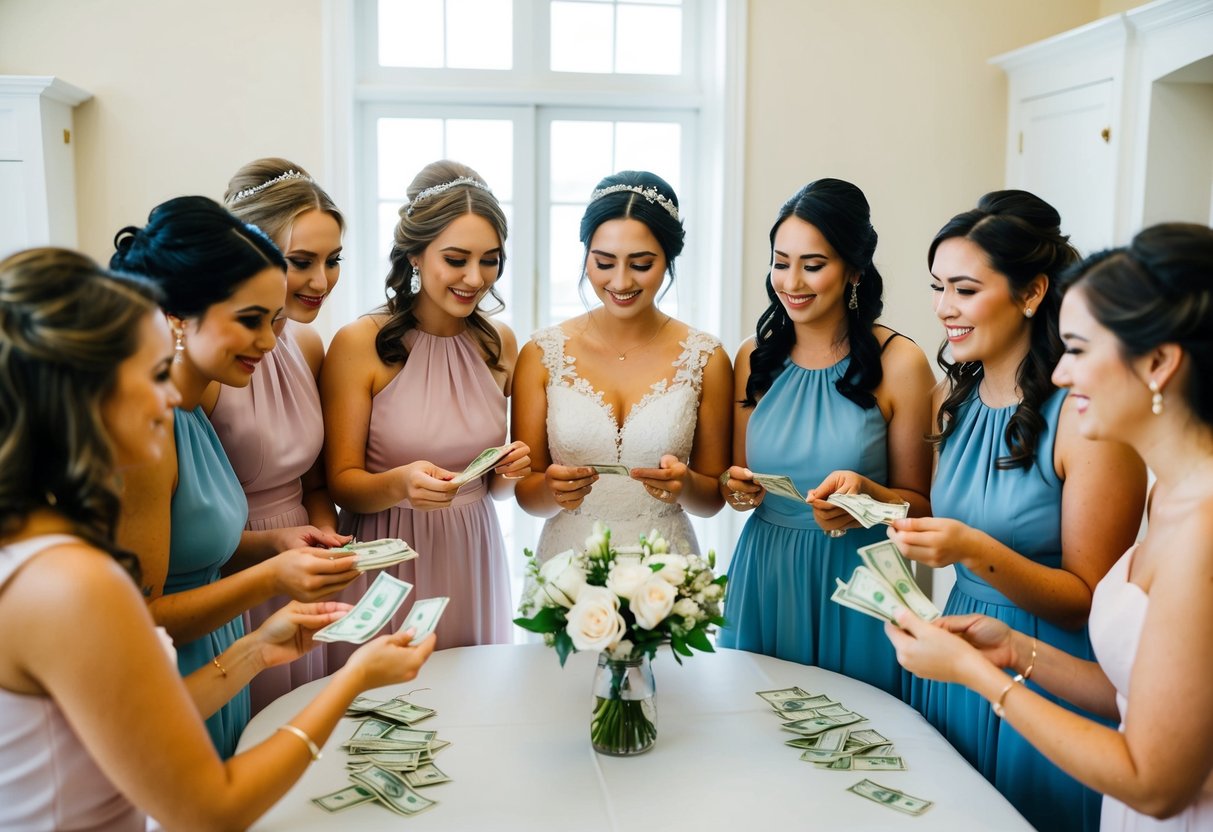
As a bridesmaid, your role during the wedding day is significant, and it continues even after the celebration. Understanding your responsibilities and expenses helps you navigate this special time.
Day-of Coordination
On the wedding day, your main focus is supporting the bride. This includes helping with last-minute details and ensuring everything runs smoothly.
You may need to assist with day-of transportation to ensure everyone arrives on time. Being organized helps alleviate stress for the bride.
Consider coordinating responsibilities among the bridal party. Here’s a quick list of tasks you might handle:
- Help the bride get ready
- Assist with dress and hair preparations
- Ensure the schedule stays on track
Staying attentive to the timeline will keep the day enjoyable for everyone involved.
Post-Wedding Reflections
After the big day, it’s time to reflect on the experience. Consider the overall costs you incurred, from outfit expenses to gifts. Then, discuss with the bride if you felt stretches on your budget.
This could help in planning future events. When gathering with the bridal party, share your thoughts about expense management for such celebrations.
Taking part in post-wedding gatherings is also a good way to maintain those connections made during planning. Sharing moments with the bride and other bridesmaids builds friendships that last beyond the wedding day.